

-23%
Atacand
Price range: $ 42,00 through $ 383,00
Atorlip 10
Price range: $ 55,00 through $ 264,00
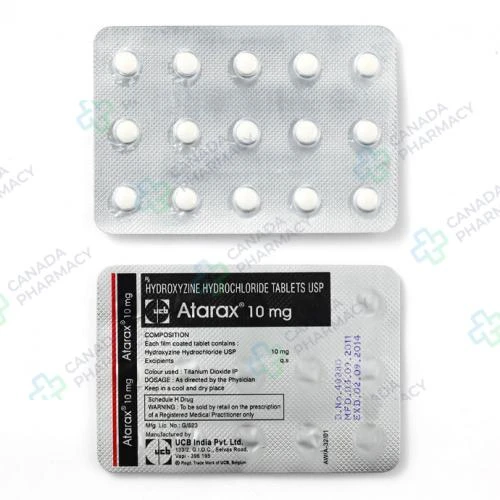
Atarax
Price range: $ 42,00 through $ 150,00
Atarax is a versatile medication primarily used to provide symptomatic relief from anxiety and tension. It also functions as an effective antihistamine to alleviate itching caused by allergic conditions like chronic urticaria and contact dermatitis. The active ingredient works by gently reducing activity in the central nervous system to promote relaxation. Additionally, it is commonly employed as a sedative in preoperative and postoperative settings to manage patient discomfort. This multi-purpose treatment helps address both emotional distress and physical symptoms of skin irritation for improved daily comfort.
Active substance: Hydroxyzine
Delivery: 5–21 days (depending on the shipping method)
Extra 10% discount with coupon: IT4K6SVM
Each dosage option has its own packaging choices.
Description
Atarax belongs to a class of medications known as first-generation histamine H1-receptor antagonists. It is a prescription-only medicine designated primarily for the management of symptomatic anxiety and the relief of severe itching caused by allergic skin conditions such as chronic urticaria and contact dermatoses.
Because Atarax exerts pronounced effects on the central nervous system, strict adherence to medical guidance and prescribing instructions is required to prevent severe sedation, respiratory depression, and cardiovascular risks. Always consult your prescribing physician or pharmacist to determine the appropriate use of this medication for your clinical condition.
Basic Product Overview
| Active ingredient (INN) | Hydroxyzine hydrochloride |
| Therapeutic class | Antihistamine / Anxiolytic (H1-receptor antagonist) |
| Dosage form | Oral tablets, oral solution |
| Route of administration | Oral |
| Primary purpose | Symptomatic relief of anxiety; management of allergic pruritus |
| Prescription status | Prescription (Rx) only |
| Storage | Store at 68°F to 77°F (20°C to 25°C) away from moisture |
Red Flags: When to Seek Immediate Medical Help
Warning: Severe or life-threatening adverse reactions require emergency medical intervention. Discontinue Atarax immediately and call 911 or visit the nearest emergency department if you experience signs of a severe allergic response, including swelling of the face, lips, tongue, or throat, or sudden difficulty breathing. Hydroxyzine also carries a critical safety risk regarding QT prolongation, a rare but dangerous cardiac rhythm disorder. Seek emergency medical attention immediately if you develop severe lightheadedness, sudden fainting, or a fast, pounding, or irregular heartbeat. Additionally, widespread skin redness with small pustules or peeling requires urgent clinical evaluation.
Emergency Warning Signs
| Symptom | Action Required |
|---|---|
| Swelling of the face, lips, tongue, or throat | Seek emergency medical care immediately. |
| Difficulty breathing or severe wheezing | Call 911 or go to the nearest emergency room. |
| Fast, pounding, or irregular heartbeat | Seek immediate emergency cardiac evaluation. |
| Fainting, severe dizziness, or loss of consciousness | Stop taking the medication and seek emergency care. |
| Severe skin rash with pustules, blisters, or fever | Discontinue medication and seek immediate medical help. |
How the Drug Works
Atarax functions primarily as a competitive antagonist at peripheral and central H1-histamine receptor sites. By blocking the binding of endogenous histamine, hydroxyzine effectively suppresses peripheral allergic responses, including tissue edema, flare responses, and localized itching. Beyond its peripheral antihistaminic activity, hydroxyzine suppresses activity in specific subcortical regions of the central nervous system, including the limbic system and reticular formation. This central action produces significant sedative and anxiolytic effects without causing cortical depression. Hydroxyzine also exhibits mild anticholinergic (antimuscarinic), local anesthetic, and antiemetic properties. Unlike benzodiazepines, hydroxyzine does not carry a risk of physical dependence, though central nervous system depression is marked.
Main Uses
Atarax is FDA-approved for the symptomatic relief of anxiety and tension associated with psychoneurosis, as well as an adjunct in organic disease states characterized by anxiety manifestations. It is also approved for the management of pruritus due to allergic conditions, including chronic urticaria, atopic dermatitis, and contact dermatoses. Additionally, it is indicated as a sedative during premedication and following general anesthesia. Healthcare providers may occasionally prescribe hydroxyzine off-label for short-term management of sleep disturbances or acute nausea; however, any off-label use must be specifically directed and monitored by a licensed healthcare provider, as safety considerations and dosing protocols differ from approved indications.
Dosing Schedule
The dosage of Atarax must be individually tailored by a physician based on the specific clinical indication, patient age, renal function, and therapeutic response. For the management of anxiety in adults, total daily doses typically range from 50 mg to 100 mg administered in divided doses. For allergic pruritus, adult dosages usually range from 25 mg three or four times daily. Pediatric dosages are determined strictly by body weight or age and must be administered under direct pediatric supervision. Elderly patients require lower starting doses due to decreased renal clearance and a higher susceptibility to sedation and anticholinergic side effects. Never exceed the prescribed dose or adjust your administration schedule without explicit instructions from your doctor.
What Happens in the Body
Following oral administration, hydroxyzine is rapidly absorbed from the gastrointestinal tract. Clinical onset of action typically occurs within 15 to 30 minutes post-ingestion, with therapeutic effects persisting for approximately 4 to 6 hours. Hydroxyzine undergoes extensive hepatic metabolism, primarily via oxidation to form cetirizine, its major active metabolite responsible for significant peripheral H1-antagonism. The drug and its metabolic products are eliminated predominantly through hepatic metabolism followed by renal excretion. In elderly individuals or patients with hepatic impairment or renal insufficiency, drug clearance is significantly delayed, leading to prolonged elimination times and an elevated risk of systemic accumulation and adverse reactions.
Compatibility with Other Medicines
Never combine Atarax with other central nervous system depressants–including opioids, benzodiazepines, barbiturates, sedating sleep aids, muscle relaxants, or alcohol–without direct medical clearance. Concurrent use drastically increases the risk of severe sedation, profound hypotension, respiratory depression, and coma. Concomitant administration with drugs known to prolong the QT interval (such as certain class IA and III antiarrhythmics, antipsychotics, macrolide antibiotics, and fluoroquinolones) creates a dangerous risk of severe cardiac arrhythmias. Furthermore, combining hydroxyzine with anticholinergic medications can exacerbate side effects such as dry mouth, severe urinary retention, constipation, and cognitive impairment. Always share a complete list of your current medications with your healthcare team.
Adverse Reactions
Drowsiness is the most common adverse effect reported with Atarax, particularly during initial treatment or following dosage increases. Additional common side effects include dry mouth, fatigue, dizziness, headache, and subtle impairment of motor skills. Less frequent but clinically significant adverse reactions include central nervous system depression, confusion, hallucinations, and involuntary motor activity such as mild tremors or seizures. Rarely, serious dermatologic reactions–including acute generalized exanthematous pustulosis (AGEP)–or cardiac events like QT prolongation and Torsades de Pointes have been reported. If any side effect becomes severe, persistent, or troublesome, contact your physician promptly for clinical assessment.
Important Precautions
Warning: Atarax must be used with extreme caution in patients with underlying cardiovascular disorders, pre-existing QT interval prolongation, electrolyte imbalances (such as hypokalemia or hypomagnesemia), or a history of cardiac arrhythmias. The drug is contraindicated in early pregnancy due to potential risk to the fetus, and nursing mothers must avoid its use because hydroxyzine excretes into breast milk. Elderly patients face heightened risks of sedation, confusion, anticholinergic side effects, and falls; lower initial dosing and frequent clinical monitoring are strongly recommended for this population. Do not drive, operate heavy machinery, or engage in hazardous activities until you know how Atarax affects your cognitive and motor function.
What to Avoid While Taking It
Warning: Avoid alcohol completely while taking Atarax. Consuming alcohol alongside hydroxyzine produces additive central nervous system depression, resulting in extreme drowsiness, severely impaired judgment, loss of motor control, and potentially dangerous respiratory depression. While Atarax can be taken with or without food, taking your dose alongside a light meal may help prevent mild stomach upset. Patients should also avoid excessive consumption of grapefruit or grapefruit products without consulting their prescriber, as metabolic alterations may alter plasma concentrations of the medication.
If You Skip a Dose
If you miss a dose of Atarax, take it as soon as you remember. However, if it is almost time for your next scheduled dose, skip the missed dose entirely and resume your regular dosing schedule. Never double the dose or take extra medication to compensate for a missed dose. Overdosing or taking doses too close together markedly increases the risk of profound sedation, severe anticholinergic toxicity, and dangerous cardiac disturbances. Consult your pharmacist or doctor if you have questions regarding missed doses.
Storage and Expiration
Store Atarax at controlled room temperature, ideally between 68°F and 77°F (20°C to 25°C), away from excess heat, direct sunlight, and moisture. Keep the container tightly closed in a safe location out of reach of children and pets. Do not store this medication in humid areas such as bathroom medicine cabinets. Properly discard any expired or unused medication through community drug take-back programs or in accordance with FDA safety guidelines. Never flush unused tablets down the drain unless specifically directed by official drug disposal protocols.
Common Questions
Is Atarax approved for long-term daily management of anxiety?
No. Atarax is indicated for short-term symptomatic relief of anxiety. Clinical trials evaluating its efficacy for treatment periods exceeding 4 months have not been routinely conducted. Your prescribing physician must periodically re-evaluate the necessity and safety of continuing hydroxyzine therapy for extended periods.
Is it safe to drive or operate equipment while taking Atarax?
No. Atarax causes significant central nervous system depression, leading to drowsiness, slowed reaction times, and impaired motor coordination. You must refrain from driving, operating machinery, or performing tasks requiring high mental alertness until you are certain the drug does not impair your abilities.
What happens if an accidental overdose of Atarax occurs?
An overdose of Atarax is a medical emergency. It can induce excessive sedation, severe hypotension, dangerous cardiac arrhythmias, respiratory failure, and convulsions. Seek emergency medical treatment immediately or call Poison Control at 1-800-222-1222. Do not attempt self-treatment.
Why requires special caution when prescribing Atarax to older adults?
Elderly patients clear hydroxyzine more slowly due to age-related declines in hepatic and renal clearance. This leads to higher drug concentrations, placing older adults at a significantly increased risk for severe sedation, confusion, urinary retention, dry mouth, and dangerous falls.
Can Atarax be stopped abruptly without consulting a physician?
While Atarax does not cause physical addiction or tolerance in the manner of controlled substances, suddenly stopping the medication without medical guidance can cause an immediate return of underlying anxiety or severe allergic itching. Always consult your prescriber before stopping treatment.
Essential Safety and Regulatory Information
In accordance with FDA requirements.
Information on this page is for reference and does not replace an assessment by a licensed healthcare professional.
Additional information
| Dosage |
10mg ,25mg |
|---|---|
| Package |
90 pills ,120 pills ,180 pills ,270 pills ,360 pills |
| Ενεργός Ουσία |
Related products
Alavert
Price range: $ 47,00 through $ 118,00
Active substance: Loratadine
More Details
This product has multiple variants. The options may be chosen on the product page
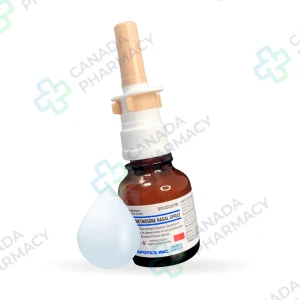
Beclamethasone
Price range: $ 60,00 through $ 205,00
Active substance: Beclomethasone Dipropionate
More Details
This product has multiple variants. The options may be chosen on the product page
Deltasone
Price range: $ 47,00 through $ 296,00
Active substance: Prednisone
More Details
This product has multiple variants. The options may be chosen on the product page
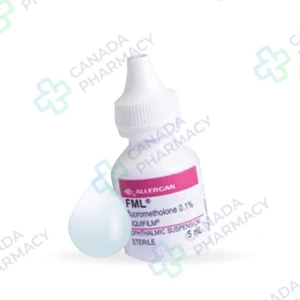
FML Forte
Price range: $ 43,00 through $ 166,00
Active substance: Fluorometholone
More Details
This product has multiple variants. The options may be chosen on the product page

Ketasma
Price range: $ 10,00 through $ 23,00
Active substance: Ketotifen Fumarate
More Details
This product has multiple variants. The options may be chosen on the product page
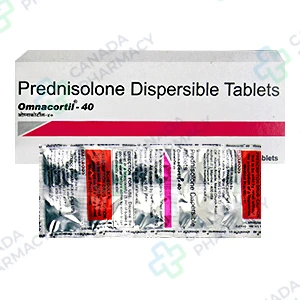
Omnacortil
Price range: $ 51,00 through $ 210,00
Active substance: prednisolone
More Details
This product has multiple variants. The options may be chosen on the product page
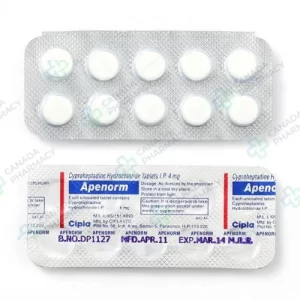
Periactin
Price range: $ 40,00 through $ 160,00
Active substance: Cyproheptadine
More Details
This product has multiple variants. The options may be chosen on the product page
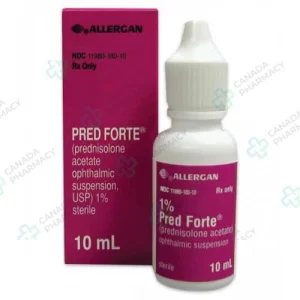
Pred Forte
Price range: $ 42,00 through $ 72,00
Active substance: prednisolone
More Details
This product has multiple variants. The options may be chosen on the product page