

-20%
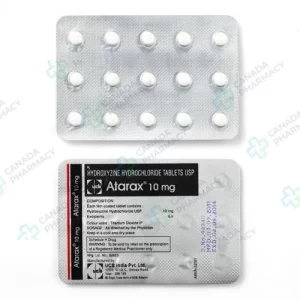
Atarax
Price range: $ 42,00 through $ 150,00
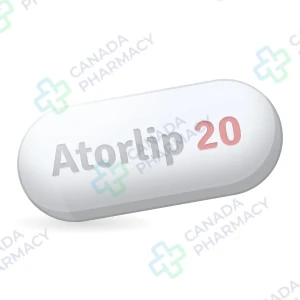
Atorlip 20
Price range: $ 74,00 through $ 542,00
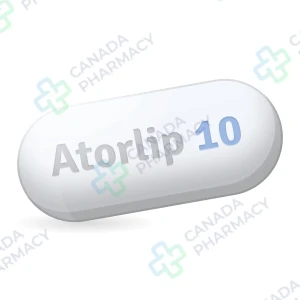
Atorlip 10
Price range: $ 55,00 through $ 264,00
Atorlip 10 is an effective medication designed to help manage and lower high cholesterol levels. This treatment belongs to the statin class of drugs, which work by reducing the production of low-density lipoprotein (LDL) in the liver. In addition to lowering bad cholesterol, it helps increase high-density lipoprotein (HDL) to support a healthier lipid profile. Regular use of this medication significantly decreases the risk of serious cardiovascular events, such as heart attacks and strokes. When combined with a balanced diet and exercise, Atorlip 10 provides comprehensive support for long-term heart health.
Active substance: Atorvastatin
Delivery: 5–21 days (depending on the shipping method)
Extra 10% discount with coupon: IT4K6SVM
Each dosage option has its own packaging choices.
Description
Atorlip 10 belongs to the class of lipid-modifying agents known as HMG-CoA reductase inhibitors, commonly referred to as statins. The active substance in this preparation is atorvastatin calcium, supplied in a strength equivalent to 10 mg of free atorvastatin base per oral tablet.
This prescription medication is formulated for administration alongside dietary modifications to regulate blood cholesterol levels and reduce lipid-associated risks. In the United States, this product is classified as a prescription-only pharmaceutical and must be dispensed in compliance with federal and state regulations.
| Attribute | Details |
|---|---|
| Active ingredient | Atorvastatin calcium (10 mg) |
| Therapeutic class | HMG-CoA reductase inhibitor (Statin) |
| Dosage form | Oral tablet |
| Route of administration | Oral |
| Primary purpose | Lipid management and cardiovascular risk reduction |
| Prescription status | Prescription required (Rx) |
Pharmacological Overview and Clinical Indications
How the drug works
The primary active constituent, atorvastatin calcium, functions as a selective, competitive inhibitor of 3-hydroxy-3-methylglutaryl-coenzyme A (HMG-CoA) reductase. This specific hepatic enzyme catalyzes the conversion of HMG-CoA to mevalonate, an essential early rate-limiting step in the endogenous biosynthesis of cholesterol. By inhibiting HMG-CoA reductase, the medication decreases intracellular cholesterol concentrations within hepatocytes. In response to reduced hepatic cholesterol stores, the liver upregulates the expression of low-density lipoprotein (LDL) cell-surface receptors. This biochemical adaptation enhances the clearance and catabolism of circulating LDL particles, leading to a marked decrease in total cholesterol, LDL cholesterol, and apolipoprotein B concentrations in the systemic circulation.
Main uses
This agent is clinically indicated as an adjunct to diet for reducing elevated total cholesterol, low-density lipoprotein cholesterol (LDL-C), apolipoprotein B, and triglycerides in adult patients diagnosed with primary hyperlipidemia or mixed dyslipidemia. It is also indicated to elevate high-density lipoprotein cholesterol (HDL-C) levels in appropriate patient categories. Additionally, atorvastatin is indicated for lowering cardiovascular event risks–such as non-fatal myocardial infarction and stroke–in adults with established coronary heart disease or multiple cardiovascular risk factors. Any application outside approved label specifications, such as primary prevention in specific low-risk cohorts without metabolic dysregulation, is designated as off-label and requires distinct clinical justification.
Dosing schedule
The standard therapeutic starting dose for adult patients with hypercholesterolemia is typically determined by baseline LDL-C levels, targeted therapeutic goals, and individual patient responsiveness. Administration of the 10 mg strength tablet is executed once daily, given at any time of day, with or without food. Adjustments to dosage, when necessary, are made at intervals of 2 to 4 weeks based on lipid parameter evaluations. Dosage selection must be tailored individually by the treating clinician. Patients with severe hepatic impairment require individualized assessment, while dosage adjustments for renal insufficiency are generally not necessitated based solely on reduced kidney function.
What happens in the body
Following oral administration, atorvastatin calcium is rapidly absorbed, reaching peak plasma concentrations (Tmax) within 1 to 2 hours. Despite high systemic absorption, absolute bioavailability of the parent drug is approximately 12%, attributable to extensive presystemic clearance in gastrointestinal mucosa and first-pass hepatic metabolism. Plasma protein binding of atorvastatin exceeds 98%. The compound is extensively metabolized by cytochrome P450 3A4 (CYP3A4) isoenzymes into active ortho- and parahydroxylated metabolites, which contribute significantly to circulating HMG-CoA reductase inhibitory activity. The mean plasma elimination half-life of atorvastatin is approximately 14 hours, though its inhibitory effect on HMG-CoA reductase persists for 20 to 30 hours due to active circulating metabolites. Excretion occurs predominantly via biliary elimination.
Safety Profile, Interactions, and FAQs
Compatibility with other medicines
Co-administration of atorvastatin with potent inhibitors of cytochrome P450 3A4 can substantially elevate plasma concentrations of the active drug, thereby increasing the risk of skeletal muscle toxicity. Strong CYP3A4 inhibitors include macrolide antibiotics (such as clarithromycin), azole antifungals (such as itraconazole and ketoconazole), protease inhibitors, and cyclosporine. Concomitant administration with gemfibrozil or other fibrates, as well as lipid-modifying doses of niacin, requires careful monitoring due to an increased incidence of myopathy and rhabdomyolysis. Furthermore, concurrent intake of digoxin or oral contraceptives containing norethindrone and ethinyl estradiol can result in elevated plasma concentrations of those agents, requiring appropriate clinical supervision.
Adverse reactions
Clinical trials and post-marketing surveillance indicate that treatment with atorvastatin is generally tolerated, though adverse effects may occur. Commonly reported mild-to-moderate adverse reactions include nasopharyngitis, arthralgia, diarrhea, dyspepsia, pain in extremities, and urinary tract infections. Elevated serum transaminases (ALT and AST) exceeding three times the upper limit of normal may occasionally develop and typically resolve upon temporary or permanent discontinuation. Skeletal muscle effects range from benign myalgia and muscle weakness to severe myopathy. Rhabdomyolysis–a rare but serious syndrome involving muscle breakdown, elevated creatine kinase levels, and potential acute renal failure–requires immediate medical evaluation and cessation of therapy.
Before you take it
Prior to initiating treatment, baseline liver enzyme tests (ALT/AST) should be performed and monitored periodically as clinically indicated. Caution is advised in individuals with a history of liver disease or excessive alcohol consumption. Statins have been associated with subtle increases in HbA1c and fasting serum glucose levels; thus, monitoring of glycemic control in patients with diabetes mellitus is recommended. The drug is contraindicated in patients with active liver disease or unexplained persistent elevations of hepatic transaminases. Use during pregnancy or breastfeeding is not recommended unless the potential benefit outweighs potential fetal or neonatal risks, as cholesterol and cholesterol derivatives are essential for embryonic and fetal development.
What to avoid while taking it
Patients receiving 10 mg atorvastatin tablets should avoid consuming excessive quantities of grapefruit juice. Grapefruit juice contains furanocoumarins that inhibit intestinal CYP3A4 enzymes, potentially leading to increased systemic exposure of atorvastatin and an elevated risk of muscular adverse events. Daily intake exceeding 1.2 liters of grapefruit juice is especially problematic. Additionally, heavy or chronic alcohol consumption should be minimized, as alcohol enhances the risk of hepatic impairment and potential hepatotoxicity when combined with lipid-lowering therapies.
If you skip a dose
If a scheduled dose is missed, it should be taken as soon as remembered on the same day. However, if the time is close to the next scheduled dose, the missed tablet should be skipped, and the regular administration schedule resumed. Patients must not double the dose or take extra tablets to compensate for a missed administration, as this increases the likelihood of side effects without enhancing therapeutic efficacy.
Signs of improvement
Because elevated cholesterol levels generally present without overt physical symptoms, objective clinical response is evaluated through scheduled laboratory blood tests. Initial reductions in serum lipid levels, including low-density lipoprotein cholesterol (LDL-C) and total cholesterol, typically become observable within 2 to 4 weeks of consistent daily administration. A lipid panel ordered by a healthcare professional serves as the standard metric to confirm therapeutic response and to guide ongoing dosage requirements or dietary adjustments.
Practical tips
Maintaining a consistent daily schedule helps optimize adherence and therapeutic stabilization. Tablets should be stored at controlled room temperature between 68°F and 77°F (20°C to 25°C), protected from moisture and excessive heat. Incorporating therapeutic lifestyle changes–such as a heart-healthy diet low in saturated fats, regular physical activity, and smoking cessation–complements pharmacological management. Patients are advised to keep an updated list of all concurrent medications, supplements, and OTC products to review with their prescriber at each appointment.
Common questions
Q: Is it necessary to take Atorlip 10 strictly in the evening?
A: Unlike older statins with shorter elimination half-lives, atorvastatin has an extended duration of inhibitory activity. Consequently, it can be taken at any time of day, provided it is administered consistently at the same time daily.
Q: What should be done if unexplained muscle pain occurs during therapy?
A: If unexplained muscle aching, tenderness, weakness, or dark-colored urine develops, contact a healthcare provider promptly. Muscle symptoms warrant clinical evaluation to measure creatine kinase levels and rule out myopathy.
Q: Can Atorlip 10 be discontinued once cholesterol levels reach target goals?
A: Lipid-lowering therapy is generally a long-term treatment strategy. Discontinuing medication usually results in blood cholesterol levels returning to baseline values. Any modification to treatment must be made under physician guidance.
Q: Does taking this medication eliminate the need for dietary restrictions?
A: No. Pharmacological therapy is intended as an adjunct to, not a replacement for, a low-fat, cholesterol-lowering diet and structured exercise routine.
Q: How frequently should liver enzymes be monitored while taking this drug?
A: Baseline liver enzyme testing is recommended before starting therapy. Subsequent testing is performed as clinically indicated if signs of hepatic injury develop or based on physician judgment.
In accordance with FDA requirements.
This text is for informational purposes only and does not constitute individual medical advice.
Additional information
| Dosage |
5mg |
|---|---|
| Package |
60 pills ,90 pills ,120 pills ,180 pills ,270 pills ,360 pills |
| Ενεργός Ουσία |
Related products
Altace
Price range: $ 40,00 through $ 322,00
Active substance: Ramipril
More Details
This product has multiple variants. The options may be chosen on the product page
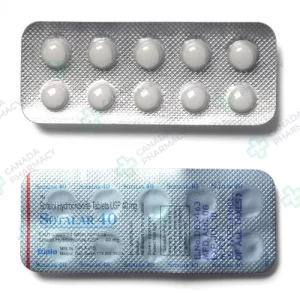
Betapace
Price range: $ 9,00 through $ 260,00
Active substance: Sotalol
More Details
This product has multiple variants. The options may be chosen on the product page
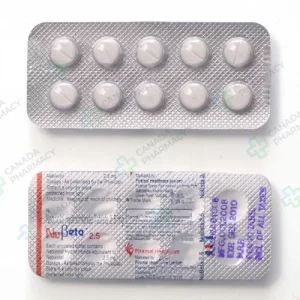
Bystolic
Price range: $ 38,00 through $ 275,00
Active substance: Nebivolol
More Details
This product has multiple variants. The options may be chosen on the product page
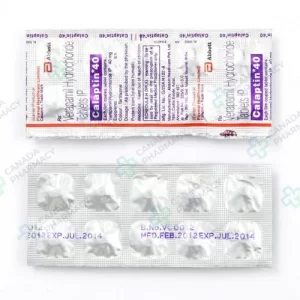
Calan
Price range: $ 46,00 through $ 242,00
Active substance: Verapamil
More Details
This product has multiple variants. The options may be chosen on the product page
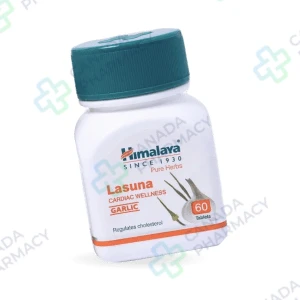
Lasuna
Price range: $ 58,00 through $ 244,00
Active substance: extracts of garlic
More Details
This product has multiple variants. The options may be chosen on the product page
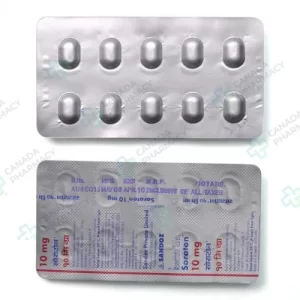
Lipitor
Price range: $ 41,00 through $ 353,00
Active substance: Atorvastatin
More Details
This product has multiple variants. The options may be chosen on the product page
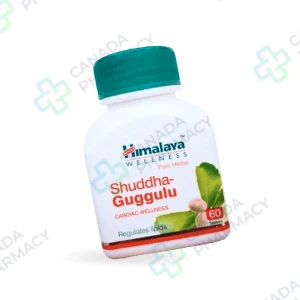
Shuddha Guggulu
Price range: $ 49,00 through $ 292,00
Active substance: Shuddha Guggulu
More Details
This product has multiple variants. The options may be chosen on the product page
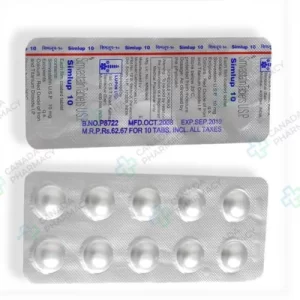
Zocor
Price range: $ 30,00 through $ 361,00
Active substance: Simvastatin
More Details
This product has multiple variants. The options may be chosen on the product page