

-49%
Zocitab
Price range: $ 201,00 through $ 788,00
Zofran
Price range: $ 44,00 through $ 258,00
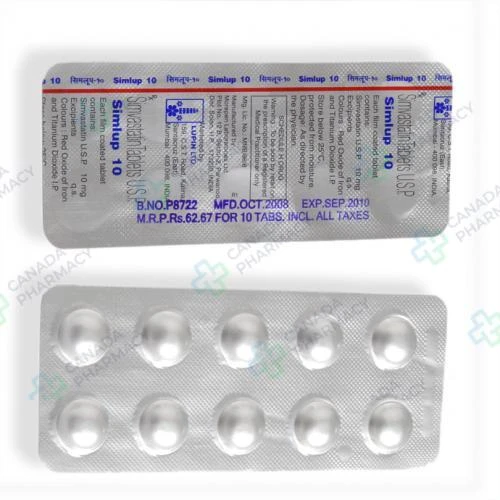
Zocor
Price range: $ 30,00 through $ 361,00
Zocor is a highly effective medication designed to lower high levels of “bad” cholesterol and triglycerides in the bloodstream. By inhibiting a specific enzyme in the liver, this treatment significantly reduces the risk of heart attacks and strokes. It is primarily used for patients with hypercholesterolemia to improve their long-term cardiovascular health. The active ingredient works to prevent the buildup of plaque within the arteries, ensuring better blood flow throughout the body. When used as part of a comprehensive management plan, Zocor provides a reliable solution for maintaining optimal lipid levels.
Active substance: Simvastatin
Delivery: 5–21 days (depending on the shipping method)
Extra 10% discount with coupon: IT4K6SVM
Each dosage option has its own packaging choices.
Description
Zocor belongs to a class of medications known as HMG-CoA reductase inhibitors, commonly referred to as statins. It is indicated as an adjunct to dietary modifications for the management of primary hyperlipidemia and mixed dyslipidemia, as well as for the reduction of cardiovascular morbidity and mortality in high-risk adult patients.
Prescribed in accordance with applicable federal and state regulations in the United States, this prescription therapy requires clinical monitoring by a healthcare provider. Individual therapeutic goals and dosing regimens are established based on baseline lipid panels, liver function testing, and overall patient cardiovascular risk assessment.
| Property | Clinical Details |
|---|---|
| Drug Name | Zocor |
| Active Ingredient (INN) | Simvastatin |
| Therapeutic Class | HMG-CoA reductase inhibitor (Statin) |
| Dosage Form | Oral film-coated tablet |
| Route of Administration | Oral |
| Prescription Status | Prescription only (Rx) |
| Primary Purpose | Lipid lowering and cardiovascular risk reduction |
Pharmacological Profile and Indications
Main uses
Zocor is indicated to reduce elevated total cholesterol, low-density lipoprotein cholesterol (LDL-C), apolipoprotein B (Apo B), and triglycerides, while increasing high-density lipoprotein cholesterol (HDL-C) in patients with primary hypercholesterolemia and mixed dyslipidemia. Additionally, it is approved for patients with homozygous familial hypercholesterolemia as an adjunct to other lipid-lowering treatments.
In patients established to be at high risk for coronary heart disease events–due to existing coronary heart disease, diabetes, peripheral vessel disease, or a history of stroke–Zocor is indicated to reduce the risk of total mortality by lowering coronary death risks, non-fatal myocardial infarction, stroke, and the need for myocardial revascularization procedures.
How the drug works
reached through the specific inhibition of 3-hydroxy-3-methylglutaryl-coenzyme A (HMG-CoA) reductase, the rate-limiting enzyme that catalyzes the conversion of HMG-CoA to mevalonate in the hepatic cholesterol biosynthesis pathway. By limiting internal hepatic synthesis of cholesterol, Zocor induces an upregulation of low-density lipoprotein (LDL) receptors on the cell surface of hepatocytes.
This increased density of cell receptors accelerates the catabolism and clearance of circulating LDL particles from the bloodstream. Furthermore, the active agent decreases the hepatic production of very-low-density lipoprotein (VLDL), thereby reducing the circulating plasma concentration of both VLDL and remnant lipoprotein particles.
What happens in the body
Simvastatin is an inactive cyclic lactone prodrug that undergoes structural hydrolysis in the liver into its corresponding active beta-hydroxyacid form. Following oral administration, the compound is absorbed from the gastrointestinal tract and undergoes extensive first-pass extraction in the liver, which serves as its primary site of therapeutic action. Less than 5% of an administered oral dose reaches the systemic circulation as active metabolites.
Peak plasma concentrations of the active beta-hydroxyacid metabolite are achieved within 1.3 to 2.4 hours post-dose. The active compound is extensively bound to human plasma proteins (approximately 95%). Biotransformation is primarily mediated by the cytochrome P450 3A4 (CYP3A4) enzyme system. Excretion occurs predominantly via the biliary system into feces (approximately 60%), with approximately 13% eliminated in urine as inactive metabolites.
Administration, Safety, and Precautions
Dosing schedule
The standard dosage range for Zocor is 5 mg to 40 mg administered orally once daily. Clinical guidelines mandate that dosing must be individualized according to baseline LDL-C levels, the recommended goal of therapy, and patient therapeutic response. Because endogenous cholesterol synthesis by the liver predominantly occurs at night, the daily dose should be taken in the evening.
The 80 mg daily dose is restricted by FDA safety guidelines due to an increased risk of severe muscle injury, including myopathy and rhabdomyolysis. This high dosage is generally reserved only for patients who have been taking Zocor 80 mg chronically for 12 months or longer without evidence of muscle toxicity. Dosage adjustments are required when co-administered with certain interacting therapeutic agents or in patients with severe renal impairment.
Adverse reactions
Clinical trials and post-marketing surveillance identify muscle-related disorders as a notable adverse reaction linked to statin therapy. Patients may experience myalgia, localized muscle weakness, or muscle cramps. Severe myopathy, defined as muscle aching or weakness accompanied by creatine kinase (CK) elevations exceeding ten times the upper limit of normal, occurs infrequently but requires immediate medical evaluation.
Other reported common adverse reactions include upper respiratory tract infections, headache, abdominal pain, constipation, nausea, and flatulence. Reversible elevations in serum transaminases (ALT and AST) have been documented. Rare adverse events include immune-mediated necrotizing myopathy, cognitive impairment (such as memory loss or confusion), and modest elevations in fasting blood glucose or glycosylated hemoglobin (HbA1c) levels.
Compatibility with other medicines
Simvastatin is heavily metabolized by the hepatic CYP3A4 enzyme; therefore, concomitant use with potent CYP3A4 inhibitors is contraindicated. Strong inhibitors–such as itraconazole, ketoconazole, posaconazole, erythromycin, clarithromycin, HIV protease inhibitors, nefazodone, and cobicistat-containing products–significantly increase plasma concentrations of active simvastatin, increasing the risk of rhabdomyolysis.
Concomitant administration with gemfibrozil, cyclosporine, or danazol is also contraindicated due to severe pharmacokinetic interactions. Dosing limitations apply when Zocor is combined with moderate CYP3A4 inhibitors or other lipid-modifying agents; for example, daily doses should not exceed specific limits when taken with amiodarone, verapamil, diltiazem, or amlodipine. Anticoagulant therapy with warfarin requires baseline prothrombin time monitoring, as statins may modestly potentiate the anticoagulant effect.
Important precautions
Zocor is contraindicated in patients with active liver disease, including unexplained persistent elevations of hepatic transaminase levels. Baseline liver enzyme tests should be performed prior to initiating therapy and repeated when clinically indicated. Caution is advised for individuals who consume substantial quantities of alcohol or have a medical history of chronic liver pathology.
The drug is contraindicated during pregnancy and breastfeeding. Statins inhibit cholesterol synthesis, an essential component for fetal development and cellular membrane formation; therefore, potential harm to the fetus outweighs any potential maternal benefit during pregnancy. Women of childbearing potential must utilize effective contraception while undergoing treatment.
What to avoid while taking it
Patients taking Zocor must avoid consuming large quantities of grapefruit juice. Grapefruit juice contains furanocoumarins that inhibit intestinal CYP3A4 activity, which can substantially increase the systemic exposure of the active drug metabolite and elevate the risk of myopathy. Consuming more than one quart (1 liter) of grapefruit juice daily is strictly prohibited, and complete avoidance is frequently recommended by clinical providers.
Alcohol consumption should be limited during therapy. Chronic excessive alcohol intake increases the risk of hepatic toxicity and elevated liver enzymes when combined with statin therapy.
If you skip a dose
If a dose of Zocor is missed, it should be skipped, and the regular dosing schedule should be resumed at the next scheduled evening time. Patients should not take a double dose or additional tablets to make up for a missed administration. Maintaining a consistent daily routine supports stable therapeutic blood levels.
Storage and expiration
Zocor tablets should be stored at controlled room temperature between 68°F and 77°F (20°C to 25°C), with permitted excursions between 59°F and 86°F (15°C to 30°C). The medication must be kept in its original container, tightly closed, and protected from excessive light and moisture. Medications should not be used past the expiration date printed on the original packaging.
Signs of improvement
Because hyperlipidemia typically presents without noticeable symptoms, clinical improvement cannot be evaluated based on how a patient feels. Therapeutic efficacy is assessed by objective laboratory evaluation of serum lipid panels, typically performed within 4 to 12 weeks after initiating therapy or adjusting the dose. Reductions in LDL-C and total cholesterol values demonstrate treatment efficacy.
Common questions
Is it necessary to take Zocor specifically in the evening?
Yes, clinical administration instructions recommend taking this medication in the evening. Endogenous hepatic cholesterol synthesis peaks during the nocturnal period; evening dosing ensures peak tissue drug concentrations coincide with maximal enzyme activity.
What symptoms require immediate contact with a healthcare provider?
Unexplained muscle pain, tenderness, or weakness–especially if accompanied by malaise, fever, or dark brownish urine–requires prompt medical evaluation to rule out acute skeletal muscle injury.
Can Zocor be taken at the same time as meal intake?
Zocor may be administered with or without food. Food intake does not significantly alter the overall bioavailability or absorption kinetics of the active substance.
How long is treatment with Zocor typically maintained?
Lipid management with statin therapy is generally a long-term intervention. Discontinuation of the medication usually results in a return of serum cholesterol levels to baseline pre-treatment values.
Does Zocor interact with routine blood pressure medications?
Certain blood pressure drugs, such as diltiazem, verapamil, and amlodipine, interact with Zocor metabolism. Healthcare providers may adjust the maximum daily dose of Zocor when these agents are prescribed concurrently.
This text is for informational purposes only and does not constitute individual medical advice. In accordance with FDA requirements.
Additional information
| Dosage |
5 mg ,10mg ,20mg ,40mg |
|---|---|
| Package |
30 pills ,60 pills ,90 pills ,120 pills ,180 pills ,270 pills ,360 pills |
| Ενεργός Ουσία |
Related products
Abana
Price range: $ 89,00 through $ 580,00
Active substance: Abana
More Details
This product has multiple variants. The options may be chosen on the product page
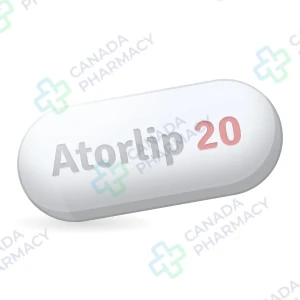
Atorlip 20
Price range: $ 74,00 through $ 542,00
Active substance: Atorvastatin
More Details
This product has multiple variants. The options may be chosen on the product page
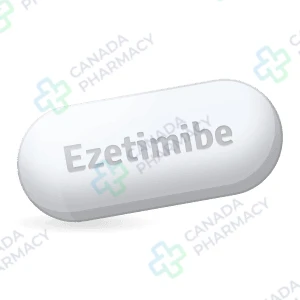
Ezetimibe
Price range: $ 47,00 through $ 168,00
Active substance: Ezetimibe
More Details
This product has multiple variants. The options may be chosen on the product page
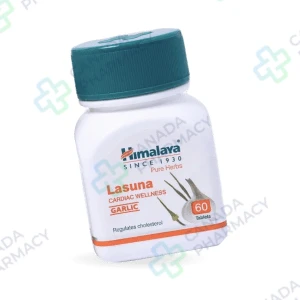
Lasuna
Price range: $ 58,00 through $ 244,00
Active substance: extracts of garlic
More Details
This product has multiple variants. The options may be chosen on the product page
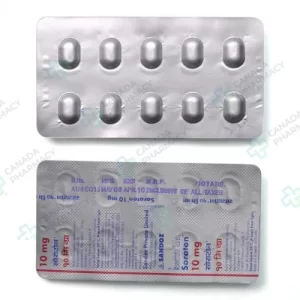
Lipitor
Price range: $ 41,00 through $ 353,00
Active substance: Atorvastatin
More Details
This product has multiple variants. The options may be chosen on the product page
Prazosin
Price range: $ 87,00 through $ 737,00
Active substance: Prazosin
More Details
This product has multiple variants. The options may be chosen on the product page
Rosuvastatin
Price range: $ 66,00 through $ 390,00
Active substance: Rosuvastatin
More Details
This product has multiple variants. The options may be chosen on the product page
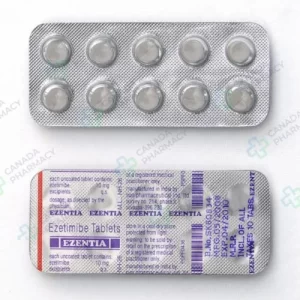
Zetia
Price range: $ 51,00 through $ 394,00
Active substance: Ezetimibe
More Details
This product has multiple variants. The options may be chosen on the product page