

-30%
Lioresal
Price range: $ 52,00 through $ 478,00
Lisinopril
Price range: $ 44,00 through $ 248,00
Lipitor
Price range: $ 41,00 through $ 353,00
Lipitor is a highly effective statin medication designed to lower elevated levels of LDL cholesterol and triglycerides in the bloodstream. By reducing the amount of cholesterol produced by the liver, it helps prevent the dangerous buildup of plaque within the arterial walls. Clinical studies demonstrate that this treatment significantly decreases the risk of serious cardiovascular events, such as heart attacks and strokes. Furthermore, Lipitor can assist in increasing HDL, often known as “good” cholesterol, to promote better long-term heart health. It serves as a reliable component of a comprehensive health plan for individuals managing chronic cholesterol levels alongside a balanced diet and active lifestyle.
Active substance: Atorvastatin
Delivery: 5–21 days (depending on the shipping method)
Extra 10% discount with coupon: IT4K6SVM
Each dosage option has its own packaging choices.
Description
Lipitor belongs to a group of cardiovascular medications known as HMG-CoA reductase inhibitors, commonly referred to as statins. It is indicated as an adjunct to diet to reduce elevated total cholesterol, low-density lipoprotein cholesterol (LDL-C), apolipoprotein B (apo B), and triglycerides in adult and pediatric patients with primary hyperlipidemia or mixed dyslipidemia. Proper clinical evaluation and continuous medical monitoring are necessary throughout treatment.
This prescription medication is regulated by the U.S. Food and Drug Administration (FDA) and is dispensed exclusively pursuant to a valid prescription from a licensed healthcare provider. Patients in states such as New York or Texas must obtain a physician’s evaluation to establish appropriate dosing and evaluate potential contraindications before initiation.
| Parameter | Details |
|---|---|
| Drug name | Lipitor |
| Active ingredient (INN) | Atorvastatin calcium |
| Therapeutic class | HMG-CoA reductase inhibitor (AHFS 24:06.08) |
| Dosage form | Oral tablet (10 mg, 20 mg, 40 mg, 80 mg) |
| Route of administration | Oral |
| Prescription status | Prescription drug (Rx) |
| Primary purpose | Lipid management and cardiovascular risk reduction |
Clinical Overview and Pharmacokinetics
How the drug works
Lipitor competitively inhibits 3-hydroxy-3-methylglutaryl-coenzyme A (HMG-CoA) reductase, the rate-limiting enzyme responsible for converting HMG-CoA to mevalonate in the hepatic cholesterol synthesis pathway. By reducing intracellular liver cholesterol concentration, Lipitor upregulates hepatic low-density lipoprotein (LDL) cell-surface receptors. This enhancement increases the clearance and catabolism of circulating LDL-C from the bloodstream. Furthermore, it decreases the production of very-low-density lipoproteins (VLDL) and apolipoprotein B, contributing to a broad reduction in atherogenic lipid particles.
Main uses
Lipitor is FDA-approved for multiple cardiovascular and lipid-related indications. In primary prevention, it is indicated to reduce the risk of myocardial infarction, stroke, and revascularization procedures in adults without clinical coronary heart disease (CHD) who possess multiple cardiovascular risk factors such as age, smoking, hypertension, or low HDL-C. For individuals with type 2 diabetes and multiple risk factors, it reduces the risk of stroke and myocardial infarction. In secondary prevention, Lipitor reduces the risk of non-fatal myocardial infarction, fatal and non-fatal stroke, angina, and hospitalization for heart failure in patients with established CHD. Additionally, it is used to manage primary hyperlipidemia, mixed dyslipidemia, homozygous familial hypercholesterolemia (HoFH), and heterozygous familial hypercholesterolemia in pediatric patients aged 10 to 17 years.
What happens in the body
Following oral administration, Lipitor is rapidly absorbed, reaching peak plasma concentration (Tmax) within 1 to 2 hours. Absolute bioavailability of atorvastatin is approximately 14%, reflecting extensive pre-systemic clearance in the gastrointestinal mucosa and hepatic first-pass metabolism. Atorvastatin undergoes extensive metabolism by cytochrome P450 3A4 (CYP3A4) into ortho- and parahydroxylated derivatives, which account for approximately 70% of the circulating inhibitory activity for HMG-CoA reductase. Plasma protein binding of atorvastatin is 98% or greater. The plasma elimination half-life of atorvastatin is approximately 14 hours, but the half-life of HMG-CoA reductase inhibitory activity persists for 20 to 30 hours due to active metabolites. Biliary secretion is the primary elimination route, with less than 2% recovered in urine.
Dosing schedule
The recommended starting dosage of Lipitor is 10 mg or 20 mg once daily, taken orally with or without food at any time of the day. For patients requiring a large reduction in LDL-C (greater than 45%), therapy may be initiated at 40 mg once daily. The dosage range spans from 10 mg to 80 mg once daily, adjusted based on patient response, lipid goals, and clinical guidance. Lipid levels should be analyzed within 2 to 4 weeks after initiation or dose titration to guide subsequent dosage adjustments. Dosage modifications are mandatory when co-administered with specific interacting medications, such as certain antivirals, immunosuppressants, or azole antifungals.
Safety Profile and Administration Guidelines
Drug Interactions and Precautions
What not to combine
Co-administration of Lipitor with strong CYP3A4 inhibitors–including clarithromycin, itraconazole, ketoconazole, and HIV/HCV protease inhibitors (such as ritonavir, tipranavir, or telaprevir)–significantly increases systemic atorvastatin exposure, elevating the risk of myopathy and rhabdomyolysis. Concurrent use with cyclosporine, gemfibrozil, or high-dose niacin requires extreme caution or avoidance due to similar toxicities. Co-administration with colchicine increases the risk of severe muscle damage. Lipitor may slightly increase plasma concentrations of oral contraceptives (ethinyl estradiol and norethindrone) and digoxin, requiring clinical monitoring.
Adverse reactions
In clinical trials, Lipitor was generally tolerated. The most common adverse reactions reported in 2% or more of patients include nasopharyngitis, arthralgia, diarrhea, pain in an extremity, urinary tract infection, dyspepsia, nausea, musculoskeletal pain, muscle spasms, myalgia, and insomnia. Serum transaminase elevations (ALT or AST greater than 3 times the upper limit of normal) occur in less than 2% of patients and are typically asymptomatic and reversible upon dosage reduction or discontinuation. Less common but significant adverse events include muscle weakness, immune-mediated necrotizing myopathy (IMNM), and modest elevations in fasting blood glucose or HbA1c levels.
Important precautions
Lipitor is contraindicated in patients with active liver disease, including unexplained persistent elevations in hepatic transaminase levels, or known hypersensitivity to any component of the formulation. Baseline liver enzyme tests should be performed prior to initiating therapy and repeated as clinically indicated. Patients with a history of heavy alcohol consumption or hepatic impairment require careful risk assessment. Lipitor should be discontinued if pregnancy occurs, as cholesterol is essential for fetal development. Breastfeeding is not recommended during therapy. Geriatric patients (age 65 and older) may be at higher risk for myopathy and should be monitored closely.
Early Considerations and Missed Doses
What to avoid while taking it
Consuming large quantities of grapefruit juice–exceeding 1.2 liters per day–inhibits intestinal CYP3A4 enzymes, resulting in increased systemic exposure to atorvastatin and a heightened risk of muscle-related toxicity. Patients should limit grapefruit consumption to moderate amounts or eliminate it entirely. Daily heavy alcohol consumption increases the risk of liver injury and metabolic complications; therefore, alcohol intake should be discussed with a healthcare provider prior to starting therapy.
What you may notice early on
Lipitor does not produce immediate symptomatic relief, as elevated lipid levels typically do not cause overt symptoms. Reductions in serum LDL-C levels generally begin within 1 to 2 weeks of starting therapy, reaching maximum therapeutic response within 4 weeks. Patients should expect routine blood testing–including lipid panels and liver function tests–to verify response and monitor metabolic safety during early treatment phases.
If you skip a dose
If a dose of Lipitor is missed, it should be taken as soon as remembered on the same day. However, if more than 12 hours have elapsed since the scheduled time, the missed dose should be skipped, and the regular dosing schedule resumed the following day. Double doses must never be taken to compensate for a missed dose.
Critical Warnings and Red Flags
Red flags
Immediate medical attention is required if patients experience unexplained muscle pain, tenderness, or weakness, especially when accompanied by malaise or fever, as these may signal rhabdomyolysis–a life-threatening breakdown of skeletal muscle tissue. Dark, amber, or tea-colored urine is a critical warning sign requiring urgent emergency care. Signs of severe hepatic injury, such as yellowing of the skin or eyes (jaundice), severe upper abdominal pain, dark urine, or persistent nausea, warrant immediate clinical evaluation. Signs of severe hypersensitivity–such as swelling of the face, lips, tongue, or throat, or acute respiratory distress–require emergency intervention.
Common Questions
How long does it take for Lipitor to show measurable results in lipid panels?
Initial reductions in LDL cholesterol levels are typically observable within 1 to 2 weeks of daily administration. The maximum therapeutic reduction for a given dosage is generally achieved within 4 weeks. Physicians usually schedule follow-up blood work 4 to 12 weeks after initiating treatment to evaluate response and determine if dosage adjustments are needed.
Is it necessary to take Lipitor at bedtime, or can it be taken in the morning?
Lipitor can be administered at any time of day, with or without food, provided it is taken consistently at the same time each day. Unlike older statins with shorter elimination half-lives that required evening dosing, the prolonged half-life of Lipitor and its active metabolites ensures continuous HMG-CoA reductase inhibition throughout a 24-hour period.
What specific muscle symptoms require clinical evaluation?
Patients should report any unexplained, persistent muscle pain, tenderness, stiffness, or weakness. While mild muscle discomfort can occur, symptoms that are widespread, worsening, or accompanied by fatigue, fever, or dark-colored urine require prompt evaluation to rule out toxic myopathy or rhabdomyolysis.
How does grapefruit juice interfere with Lipitor clearance?
Grapefruit juice contains furanocoumarins, which irreversibly inhibit the CYP3A4 enzyme in the intestinal mucosa. Because Lipitor relies heavily on CYP3A4 for metabolism, significant grapefruit intake reduces first-pass clearance, increasing drug concentration in the bloodstream and augmenting the risk of adverse effects.
Can Lipitor be taken during pregnancy or while planning conception?
Lipitor should be discontinued as soon as pregnancy is detected. Cholesterol and its metabolic intermediates are necessary for fetal development, and clinical guidelines recommend stopping statin therapy during pregnancy and lactation unless an exceptionally high cardiovascular risk profile dictates otherwise under specialized supervision.
Information on this page is for reference and does not replace an assessment by a licensed healthcare professional.
In accordance with FDA requirements.
Additional information
| Dosage |
5mg ,10mg ,20mg ,40mg |
|---|---|
| Package |
30 pills ,60 pills ,90 pills ,120 pills ,180 pills ,240 pills ,270 pills ,360 pills |
| Ενεργός Ουσία |
Related products
Abana
Price range: $ 89,00 through $ 580,00
Active substance: Abana
More Details
This product has multiple variants. The options may be chosen on the product page
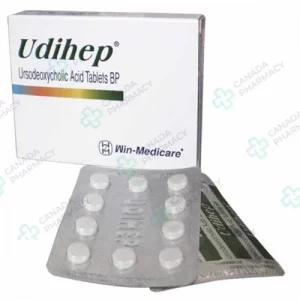
Actigall
Price range: $ 60,00 through $ 521,00
Active substance: Ursodiol
More Details
This product has multiple variants. The options may be chosen on the product page
Atorlip 5
Price range: $ 43,00 through $ 157,00
Active substance: Atorvastatin
More Details
This product has multiple variants. The options may be chosen on the product page
Ezetimibe
Price range: $ 47,00 through $ 168,00
Active substance: Ezetimibe
More Details
This product has multiple variants. The options may be chosen on the product page
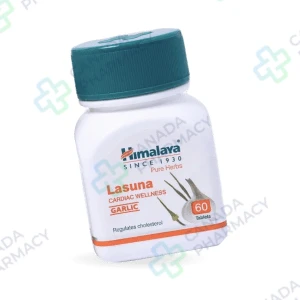
Lasuna
Price range: $ 58,00 through $ 244,00
Active substance: extracts of garlic
More Details
This product has multiple variants. The options may be chosen on the product page
Pravachol
Price range: $ 67,00 through $ 395,00
Active substance: Pravastatin
More Details
This product has multiple variants. The options may be chosen on the product page
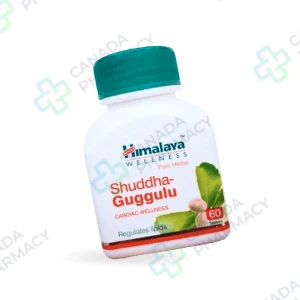
Shuddha Guggulu
Price range: $ 49,00 through $ 292,00
Active substance: Shuddha Guggulu
More Details
This product has multiple variants. The options may be chosen on the product page
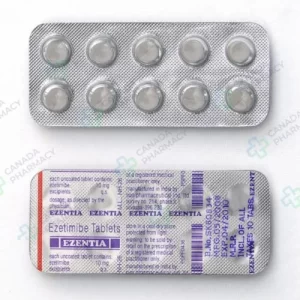
Zetia
Price range: $ 51,00 through $ 394,00
Active substance: Ezetimibe
More Details
This product has multiple variants. The options may be chosen on the product page