

-30%
Lincocin
Price range: $ 75,00 through $ 1 080,00

Lipitor
Price range: $ 41,00 through $ 353,00
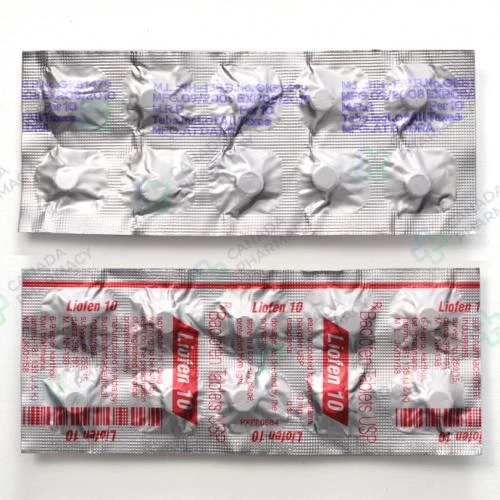
Lioresal
Price range: $ 52,00 through $ 478,00
Lioresal is a potent muscle relaxant specifically formulated to manage severe muscle spasticity and involuntary contractions. It works by acting on the spinal cord to reduce the frequency and severity of painful muscle spasms. This medication is highly effective for individuals suffering from spasticity caused by multiple sclerosis. It is also utilized to alleviate muscle stiffness and rigidity associated with various spinal cord injuries or diseases. By improving muscle movement and flexibility, Lioresal helps patients maintain significantly better physical comfort and daily mobility.
Active substance: Lioresal
Delivery: 5–21 days (depending on the shipping method)
Extra 10% discount with coupon: IT4K6SVM
Each dosage option has its own packaging choices.
Description
Lioresal: Information for Patients and Caregivers
Lioresal belongs to a group of medicines known as central muscle relaxants, with baclofen as its active pharmaceutical ingredient. It acts primarily on the spinal cord to reduce excessive muscle tone, painful flexor spasms, and involuntary muscle tightness. As a prescription-only medication regulated by the US Food and Drug Administration (FDA), Lioresal must be taken under strict medical supervision to ensure therapeutic efficacy and safety.
This reference overview outlines the pharmacological profile, administration parameters, potential adverse reactions, and safety precautions associated with Lioresal. Understanding these clinical factors helps patients and caregivers manage treatment appropriately while minimizing health risks.
| Parameter | Details |
|---|---|
| Active ingredient | Baclofen |
| Therapeutic class | Central skeletal muscle relaxant (GABA-B agonist) |
| Dosage form | Oral tablet |
| Route of administration | Oral |
| Primary purpose | Management of spasticity from multiple sclerosis or spinal cord lesions |
| Prescription status | Prescription only (Rx) |
| Storage | Controlled room temperature (68°F to 77°F) |
Pharmacology and Clinical Indications
How the drug works
Lioresal contains baclofen, an analog of the inhibitory neurotransmitter gamma-aminobutyric acid (GABA). The drug operates as a selective agonist at GABA-B receptors situated along the spinal cord. By stimulating these pre- and post-synaptic receptors, Lioresal inhibits the influx of calcium into presynaptic terminals, thereby restricting the release of excitatory neurotransmitters such as glutamate and aspartate. This pharmacological mechanism suppresses both monosynaptic and polysynaptic reflex transmission at the spinal level. As a result, the medication reduces hyperreflexia, decreases involuntary muscle contractions, and relieves muscular rigidity without completely abolishing voluntary motor function.
Main uses
Lioresal is FDA-approved for the alleviation of signs and symptoms of spasticity resulting from multiple sclerosis, particularly for the relief of flexor spasms, accompanying pain, clonus, and muscular stiffness. It is also indicated for patients with spinal cord injuries or other traumatic spinal cord lesions. Unlabeled or off-label indications–such as persistent hiccups or alcohol use disorder–are sometimes evaluated by prescribers, but these uses fall outside official FDA labeling and require individual clinical oversight. Lioresal is not indicated for muscle spasms resulting from rheumatic disorders, stroke, or cerebral palsy unless specifically evaluated by a physician.
First days of treatment
During the initial days of treatment, patients frequently experience transient central nervous system effects, such as drowsiness, sedation, or lightheadedness. These reactions occur as the brain and spinal cord acclimate to increased GABAergic activity. Muscle tone may decrease significantly within the first week, which patients may perceive as limb weakness, particularly in legs that previously relied on spasticity to maintain upright stance. Physicians typically start treatment at low initial doses to improve tolerability and minimize acute sedation.
How it’s absorbed and eliminated
Following oral administration, Lioresal is rapidly and almost completely absorbed from the gastrointestinal tract. Peak plasma concentration levels are generally attained within 1 to 3 hours after ingestion. The absorption rate may be slightly slower when taken with food, although total bioavailability remains largely unchanged. Baclofen exhibits low plasma protein binding (approximately 30%) and crosses the blood-brain barrier in small amounts. The elimination half-life of baclofen ranges between 2.5 and 4 hours in individuals with normal renal function. Approximately 70% to 80% of the dose is excreted unchanged by the kidneys in urine, with the remainder eliminated through feces or minimal hepatic conversion.
Dosage and Administration Guidelines
Dosing schedule and administration
The dosage of Lioresal must be individualized to determine the lowest effective dose that controls spasticity without inducing severe adverse effects. Treatment usually initiates at a low dose, such as 5 mg administered three times daily. The prescribing physician may titrate the dosage gradually, increasing by 5 mg per dose every three days until an optimal therapeutic response is reached. A common daily maintenance schedule ranges between 40 mg and 80 mg total, divided into three or four doses throughout the day. The maximum recommended oral dose is 80 mg daily (20 mg four times daily). Tablets should be taken with water at evenly spaced intervals. Sudden discontinuation of Lioresal must be strictly avoided.
If you skip a dose
If a dose of Lioresal is missed, it should be taken as soon as it is remembered, provided the time for the next scheduled dose is not imminent. If it is close to the next scheduled administration, the missed dose should be skipped, and the standard dosing schedule resumed. Patients must never double up on tablets to compensate for a missed dose, as acute dosage elevation increases the risk of excessive CNS depression, hypotension, and muscular weakness. Maintaining consistent daily timing ensures stable drug concentrations at the spinal site of action.
Safety Profile and Drug Interactions
What side effects may occur
Adverse effects from Lioresal primarily stem from its depressant activity on the central nervous system. Very common side effects include drowsiness, somnolence, dizziness, fatigue, and generalized muscle weakness. Neurological reactions may include headache, confusion, insomnia, hallucinations, or numbness in the hands and feet. Gastrointestinal effects can include nausea, constipation, dry mouth, or mild abdominal discomfort. Cardiovascular reactions such as transient hypotension may occur. Urinary disturbances, including increased urinary frequency, dysuria, or urinary retention, have also been reported during therapy. Many mild side effects subside over time as tolerance develops.
Compatibility with other medicines
Concomitant administration of Lioresal with other central nervous system depressants amplifies sedative effects. Combining Lioresal with opioids, benzodiazepines, barbiturates, or sedating antihistamines markedly increases the risk of severe drowsiness, respiratory depression, and motor impairment. When taken alongside antihypertensive medications, additive blood pressure lowering may occur, necessitating regular blood pressure monitoring. Concurrent use with levodopa in patients with Parkinson’s disease has been associated with heightened mental confusion, hallucinations, and agitation. Patients should inform their doctor of all active prescription drugs, non-prescription remedies, and nutritional supplements.
Red flags
Certain severe symptoms require immediate emergency medical evaluation. Patients and caregivers should remain vigilant for signs of acute toxicity, severe hyperventilation, profound CNS depression, or signs of acute withdrawal.
| Red Flag Symptom | Possible Clinical Significance | Immediate Action |
|---|---|---|
| Severe confusion or hallucinations | Central nervous system toxicity or acute reaction | Contact emergency medical services immediately |
| Difficulty breathing or severe shallow respiration | Profound respiratory depression from CNS overload | Seek immediate emergency care |
| High fever, extreme muscle rigidity, seizures | Potential withdrawal syndrome or hyperpyrexia | Require urgent emergency evaluation |
| Swelling of face, lips, tongue, or difficulty swallowing | Severe hypersensitivity / anaphylactic reaction | Seek immediate emergency care |
Precautions and Storage
Important precautions
Abrupt withdrawal of Lioresal is associated with severe, potentially life-threatening risks, including high fever, altered mental status, exaggerated rebound spasticity, severe muscle rigidity, hallucinations, seizures, and rhabdomyolysis. Therefore, discontinuation must always be executed through a gradual dosage reduction under direct clinical supervision. Caution is required in patients with renal impairment, as reduced drug clearance leads to toxic accumulation; dosage adjustments are frequently necessary. Elderly individuals may be more susceptible to sedation and confusion, increasing fall risks. In pregnant or nursing patients, Lioresal should be used only if the potential benefit justifies the potential risk to the fetus or nursing infant, as baclofen crosses the placental barrier and is excreted in human milk.
Storage and expiration
Lioresal tablets should be stored at controlled room temperature, between 68°F and 77°F (20°C to 25°C), with permitted excursions between 59°F and 86°F (15°C to 30°C). Keep the container tightly closed, away from excessive moisture, heat, and direct light. Do not store tablets in humid environments such as bathroom cabinets. Keep this medication out of reach of children and pets. Expired medications should not be ingested; discard unused tablets through local pharmacy take-back programs or authorized drug disposal protocols.
Common Questions
Q: Is it safe to consume alcohol while taking Lioresal?
A: Consuming alcohol while taking Lioresal is strongly discouraged. Both alcohol and baclofen depress central nervous system activity. Combining them markedly increases the risk of severe drowsiness, impaired coordination, severe dizziness, and potentially dangerous respiratory depression.
Q: Can Lioresal impair the ability to drive or operate machinery?
A: Yes. Because Lioresal frequently causes drowsiness, dizziness, and reduced reaction time, patients should refrain from driving, operating heavy machinery, or performing dangerous tasks until they fully understand how the medication affects their physical and mental alertness.
Q: What should be done if muscle spasticity suddenly worsens?
A: Sudden changes or worsening in muscle spasticity should be evaluated by a healthcare professional. Uncontrolled spasticity may indicate an inadequate dosage, underlying infection, trigger stimuli, or tolerance, which requires professional clinical assessment rather than self-adjustment of the dose.
Q: How long does it take for Lioresal to demonstrate therapeutic effect?
A: Initial pharmacological effects usually begin within hours of taking a dose. However, achieving optimal therapeutic control over spasticity may take several days or weeks as the dosage is gradually titrated to an effective maintenance level.
Q: Can Lioresal be stopped abruptly once symptoms resolve?
A: No. Abruptly stopping Lioresal can trigger severe withdrawal symptoms, including rebound spasticity, high fever, hallucinations, and seizures. Any reduction or termination of treatment must be performed slowly by tapering the dose under medical guidance.
In accordance with FDA requirements.
Information on this page is for reference and does not replace an assessment by a licensed healthcare professional.
Additional information
| Dosage |
10mg ,25mg |
|---|---|
| Package |
30 pills ,60 pills ,90 pills ,120 pills ,180 pills ,270 pills ,360 pills |
| Ενεργός Ουσία |
Related products
Imitrex
Price range: $ 147,00 through $ 617,00
Active substance: Sumatriptan
More Details
This product has multiple variants. The options may be chosen on the product page
Mestinon
Price range: $ 64,00 through $ 403,00
Active substance: Pyridostigmine
More Details
This product has multiple variants. The options may be chosen on the product page
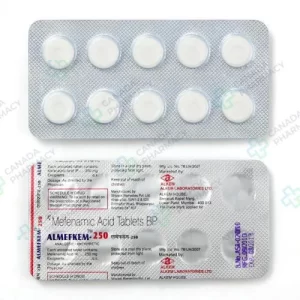
Ponstel
Price range: $ 41,00 through $ 161,00
Active substance: mefenamic acid
More Details
This product has multiple variants. The options may be chosen on the product page
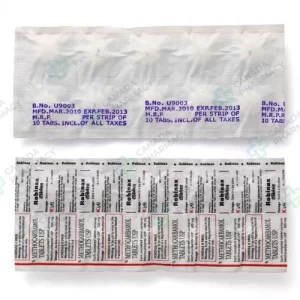
Robaxin
Price range: $ 40,00 through $ 150,00
Active substance: Methocarbamol
More Details
This product has multiple variants. The options may be chosen on the product page
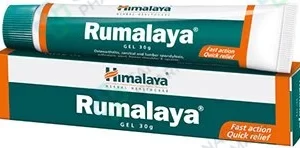
Rumalaya gel
Price range: $ 54,00 through $ 216,00
Active substance: Rumalaya gel
More Details
This product has multiple variants. The options may be chosen on the product page

Shallaki
Price range: $ 53,00 through $ 203,00
Active substance: boswellic acid
More Details
This product has multiple variants. The options may be chosen on the product page

Voveran
Price range: $ 44,00 through $ 150,00
Active substance: Voveran
More Details
This product has multiple variants. The options may be chosen on the product page
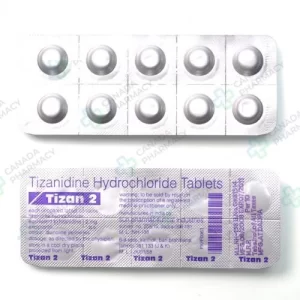
Zanaflex
Price range: $ 40,00 through $ 285,00
Active substance: Tizanidine
More Details
This product has multiple variants. The options may be chosen on the product page