

-30%
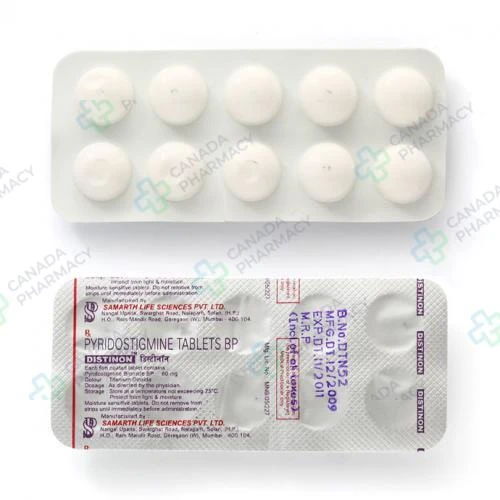

Mesterolone
Price range: $ 78,00 through $ 256,00
Metformin
Price range: $ 33,00 through $ 190,00
Mestinon
Price range: $ 64,00 through $ 403,00
Mestinon is a highly effective medication primarily used to manage the symptoms of myasthenia gravis. As a potent cholinesterase inhibitor, it works by improving the communication between nerves and muscles throughout the body. By preventing the breakdown of acetylcholine, this treatment helps increase muscle strength and reduces physical fatigue. It is widely recognized for its ability to alleviate common issues such as drooping eyelids, double vision, and difficulty with speech or swallowing. This reliable therapy allows individuals with neuromuscular conditions to maintain better control over their daily movements and overall physical function.
Active substance: Pyridostigmine
Delivery: 5–21 days (depending on the shipping method)
Extra 10% discount with coupon: IT4K6SVM
Each dosage option has its own packaging choices.
Description
Mestinon belongs to a class of medicines known as cholinesterase inhibitors. It is an FDA-approved prescription medication indicated primarily for the symptomatic management of muscle weakness in patients diagnosed with myasthenia gravis.
The active substance works by facilitating clearer communication between nerve endings and skeletal muscles. In the United States, Mestinon is classified strictly as a prescription (Rx) drug and must be used under the direct supervision of a licensed healthcare provider.
| Parameter | Details |
|---|---|
| Active ingredient | Pyridostigmine bromide |
| Therapeutic class | Cholinesterase inhibitor |
| Prescription status | Prescription only (Rx) |
| Route of administration | Oral |
| Primary indication | Myasthenia gravis management |
| Storage conditions | Controlled room temperature (68°F to 77°F) |
Pharmacological Overview and Dosages
How the drug works
Mestinon contains pyridostigmine bromide, which acts as a reversible inhibitor of the enzyme acetylcholinesterase. In normal neuromuscular physiology, acetylcholinesterase rapidly breaks down acetylcholine–a chemical neurotransmitter responsible for triggering muscle contractions–in the synaptic cleft. By slowing down this enzymatic degradation, Mestinon allows higher concentrations of acetylcholine to accumulate and persist at the neuromuscular junction. This prolonged neurotransmitter presence increases the probability that functional acetylcholine receptors on skeletal muscle fibers are activated, thereby facilitating impulse transmission, improving muscle contraction strength, and temporarily reducing physical fatigue in affected muscle groups.
What it’s used for
The primary FDA-approved clinical indication for Mestinon is the symptomatic treatment of myasthenia gravis, an autoimmune neuromuscular disorder characterized by muscle weakness and abnormal fatigability. The drug helps alleviate clinical manifestations such as drooping eyelids (ptosis), double vision (diplopia), difficulty swallowing (dysphagia), impaired speech (dysarthria), and generalized limb weakness. Beyond its approved primary indication, healthcare providers in clinical practice may occasionally prescribe pyridostigmine bromide for off-label uses. These off-label applications include postural orthostatic tachycardia syndrome (POTS) to assist with heart rate regulation upon standing, as well as certain types of neurogenic orthostatic hypotension or autonomic neuropathy. Any off-label application must occur under specialized medical supervision.
Dosing schedule
Dosing regimens for Mestinon are highly individualized based on patient therapeutic response, disease severity, and specific daily patterns of muscle fatigue. Standard immediate-release oral tablets (commonly 60 mg strength) are typically administered multiple times throughout the day, often spaced at deliberate intervals to align with periods of highest physical exertion or prior to meal times to aid in chewing and swallowing. An extended-release tablet formulation (180 mg) may be prescribed for evening administration to provide sustained effects overnight and mitigate severe morning weakness. The exact daily dosage and interval timing must be established by a physician. Patients must strictly adhere to the prescribed regimen without adjusting doses independently.
What happens in the body
Following oral administration, pyridostigmine bromide is poorly absorbed from the gastrointestinal tract, demonstrating an absolute oral bioavailability between 10% and 20%. Peak plasma concentrations are generally attained within 1.5 to 3 hours after ingestion of immediate-release oral formulations. The drug distributes into extracellular fluid but does not cross the blood-brain barrier in significant amounts under normal therapeutic doses. Pyridostigmine undergoes partial metabolism by plasma cholinesterases and liver enzymes, with a major fraction excreted unchanged by the kidneys via glomerular filtration and tubular secretion. The plasma elimination half-life averages approximately 3.7 to 4 hours in individuals with normal renal function, requiring scheduled daily dosing.
Safety Information and Patient Precautions
Compatibility with other medicines
Concomitant administration of Mestinon with other medications requires careful review to prevent undesirable drug interactions. Medications possessing anticholinergic properties–such as atropine, diphenhydramine, tricyclic antidepressants, and structural analogs–can directly antagonize the therapeutic effects of pyridostigmine bromide, reducing its efficacy. Conversely, concurrent use with other cholinergic agents or acetylcholinesterase inhibitors can create additive pharmacological actions, significantly elevating the risk of cholinergic toxicity. Furthermore, specific immunosuppressive drugs, muscle relaxants used during surgical procedures (such as succinylcholine), and certain aminoglycoside antibiotics may alter neuromuscular transmission and affect therapeutic outcomes. Patients should discuss all current prescription medications, over-the-counter products, and supplements with their provider.
Adverse reactions
Adverse reactions associated with Mestinon are predominantly related to enhanced cholinergic stimulation of the nervous system. Frequently reported gastrointestinal side effects include abdominal cramps, nausea, vomiting, increased salivation, hyperperistalsis, and diarrhea. Musculoskeletal effects can manifest as localized muscle twitching (fasciculations), involuntary muscle cramps, and transient weakness. Increased bronchial secretions, diaphoresis (excessive sweating), pupillary constriction (miosis), and bradycardia (slow heart rate) may also occur. Differentiating between a cholinergic crisis (caused by an overdose of pyridostigmine) and a myasthenic crisis (caused by progression of the underlying disease) is critical, as both conditions present with severe muscle weakness; a cholinergic crisis requires immediate drug withdrawal and medical support.
Important precautions
Mestinon requires increased clinical caution in patient populations with specific underlying conditions. The drug is strictly contraindicated in patients with mechanical intestinal or urinary tract obstructions, as increased smooth muscle tone could precipitate tissue perforation or injury. Patients diagnosed with bronchial asthma, chronic obstructive pulmonary disease (COPD), cardiac arrhythmias (particularly bradycardia or atrioventricular block), or peptic ulcer disease must use this medication with heightened monitoring. Elderly individuals and patients with renal impairment may require dosage adjustments due to reduced clearance. During pregnancy and lactation, Mestinon should be utilized only if the potential clinical benefit justifies the potential risk to the fetus or nursing child.
When to get emergency care
Immediate emergency medical assistance is necessary if severe allergic reactions or signs of acute cholinergic crisis develop. Critical red flag symptoms requiring emergency intervention include:
- Sudden, severe difficulty breathing, shortness of breath, or wheezing
- Inability to swallow or acute escalation of profound muscle weakness
- Severe slowing of the heart rate (bradycardia) or dizziness leading to fainting
- Severe, unmanageable abdominal cramping, continuous vomiting, or profuse diarrhea
- Swelling of the face, lips, tongue, or throat
- Excessive, uncontrollable bronchial secretions or severe coughing fits
If you skip a dose
If a dose of Mestinon is missed, it should be taken as soon as remembered, provided the next scheduled dose is not due shortly. If it is almost time for the subsequent dose, skip the missed dose and resume the regular dosing schedule. Do not take two doses at once or increase the amount taken to make up for a skipped dose. Maintaining consistent drug levels is vital for controlling muscle strength; incorporating routine cues in a busy Chicago or New York daily routine can assist with adherence.
Storage and expiration
Mestinon tablets should be stored at controlled room temperature between 68°F and 77°F (20°C to 25°C), away from excessive heat, light, and direct moisture. Keep the container tightly closed in a dry place; avoid storage in high-humidity areas like bathroom cabinets. Keep out of reach of children and household pets. Expired or unused medication should be disposed of properly through local pharmacy drug take-back programs or FDA-compliant waste disposal guidelines.
Day-to-day use
Practical management of daily routines often involves timing doses relative to physical activities. Patients who experience chewing or swallowing difficulties frequently time their medication intake approximately 30 to 45 minutes prior to meals, matching peak drug concentration with eating times. Maintaining a daily log of dosage times, physical activities, and muscle responses can assist healthcare providers during routine evaluations to refine dosing schedules.
Common questions
Can Mestinon be taken with food?
Yes, Mestinon may be taken with food or milk if stomach upset, abdominal cramping, or nausea occurs. Administering the medication with a small meal does not significantly impair its overall therapeutic effect and can help minimize gastrointestinal discomfort.
Is it safe to drive while taking Mestinon?
Mestinon can cause pupillary constriction, blurred vision, or sudden shifts in muscle fatigue levels. Patients should avoid driving or operating machinery until they are fully aware of how the medication impacts their visual acuity and motor coordination.
How quickly does Mestinon start working?
Immediate-release oral formulations typically begin to improve muscle strength within 30 to 60 minutes after ingestion, reaching peak therapeutic effect around 1 to 2 hours post-dose and lasting roughly 3 to 4 hours.
Can Mestinon be stopped abruptly?
Abruptly discontinuing Mestinon can lead to a rapid increase in myasthenic muscle weakness, potentially resulting in respiratory distress. Any change in dosage or treatment cessation must be directed by a qualified physician.
What should I do if I experience muscle twitching?
Muscle twitching (fasciculations) can be an early clinical sign of excess cholinergic stimulation. Report this symptom to your physician, as it may indicate a need to adjust your total daily dosage.
This text is for informational purposes only and does not constitute individual medical advice. In accordance with FDA requirements.
Additional information
| Dosage |
60mg |
|---|---|
| Package |
30 pills ,60 pills ,90 pills ,120 pills ,180 pills ,270 pills |
| Ενεργός Ουσία |
Related products

Anacin
More Details
This product has multiple variants. The options may be chosen on the product page

Baclosign
Price range: $ 45,00 through $ 803,00
Active substance: Baclofen
More Details
This product has multiple variants. The options may be chosen on the product page
Colospa
Price range: $ 24,00 through $ 311,00
Active substance: mebeverine
More Details
This product has multiple variants. The options may be chosen on the product page

Imuran
Price range: $ 29,00 through $ 302,00
Active substance: Azathioprine
More Details
This product has multiple variants. The options may be chosen on the product page
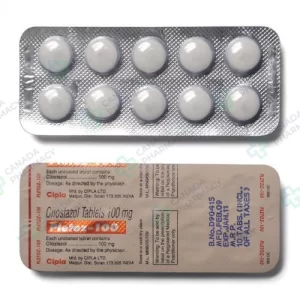
Pletal
Price range: $ 41,00 through $ 434,00
Active substance: Cilostazol
More Details
This product has multiple variants. The options may be chosen on the product page
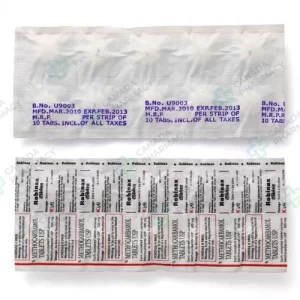
Robaxin
Price range: $ 40,00 through $ 150,00
Active substance: Methocarbamol
More Details
This product has multiple variants. The options may be chosen on the product page

Rumalaya
Price range: $ 51,00 through $ 206,00
Active substance: Rumalaya
More Details
This product has multiple variants. The options may be chosen on the product page

Tizacare
Price range: $ 40,00 through $ 285,00
Active substance: Tizanidine
More Details
This product has multiple variants. The options may be chosen on the product page