

-15%
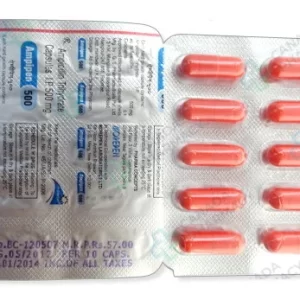
Ampicillin
Price range: $ 40,00 through $ 140,00
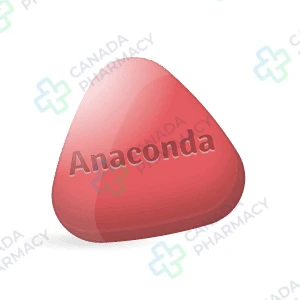
Anaconda
Price range: $ 87,00 through $ 225,00
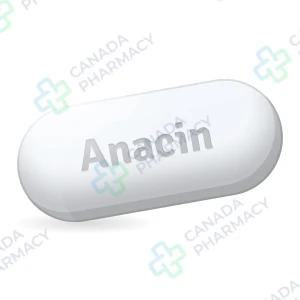
Anacin
Price range: $ 45,00 through $ 153,00
Anacin is a trusted pain reliever designed to provide fast and effective relief from minor aches and pains. This dual-action formula combines aspirin with caffeine to enhance the pain-fighting power of each dose. It is particularly effective at targeting headaches, toothaches, and symptoms associated with the common cold. The medication also works to alleviate discomfort from muscle aches, minor arthritis pain, and menstrual cramps. Additionally, Anacin helps to temporarily reduce fever, helping you get back to your daily routine more comfortably.
Delivery: 5–21 days (depending on the shipping method)
Extra 10% discount with coupon: IT4K6SVM
Each dosage option has its own packaging choices.
Description
Anacin works by combining acetylsalicylic acid (aspirin), which inhibits prostaglandin synthesis to reduce pain and inflammation, with caffeine, an adenosine receptor antagonist that enhances overall analgesic efficacy. This dual-action combination helps address tension headaches, minor muscle aches, and general discomfort more effectively than single-ingredient pain relievers alone. In the United States consumer market, this formulation is regulated and available as an over-the-counter (OTC) medication.
Proper understanding of its active components ensures safe administration while minimizing risk factors associated with nonsteroidal anti-inflammatory drugs (NSAIDs) and central nervous system stimulants. Patients should monitor their overall daily caffeine intake from all dietary sources while using this product to avoid excessive stimulation.
| Attribute | Details |
|---|---|
| Active Ingredients | Aspirin (Acetylsalicylic Acid) / Caffeine |
| Pharmacologic Class | Nonsteroidal Anti-inflammatory Drug (NSAID) / Analgesic Adjuvant |
| Dosage Form | Oral Tablet |
| Route of Administration | Oral |
| Primary Purpose | Temporary relief of minor aches, pains, and headaches |
| Dispensing Status | Over-the-counter (OTC) |
Clinical Profile and Usage Guidelines
How the drug works
The therapeutic effect of this medication relies on two distinct mechanisms. Aspirin acts as a non-selective inhibitor of the cyclooxygenase (COX-1 and COX-2) enzymes. By blocking these enzymes, it prevents the conversion of arachidonic acid into prostaglandins, which are key chemical mediators of pain, fever, and localized inflammation. On the other hand, caffeine serves as a vascular adjuvant and central nervous system stimulant. It constricts dilated blood vessels in the brain–a common factor in vascular headaches–and lowers the threshold required for aspirin to produce pain relief, thereby improving overall therapeutic response.
What it’s used for
This product is indicated for the temporary relief of minor pain associated with several common conditions. These include tension headaches, migraine discomfort, toothaches, muscular aches, back pain, minor arthritis pain, and menstrual cramps. Additionally, it may be used to temporarily reduce fever associated with common colds or flu. While effective for short-term symptom management, it does not treat the underlying structural or systemic causes of pain.
Dosing schedule
For adults and children 12 years of age and older, the typical standard administration involves taking 2 tablets with a full glass of water every 6 hours as needed. Users should not exceed 8 tablets within a 24-hour period unless specifically directed by a licensed physician. It is essential to use the lowest effective dose for the shortest duration necessary. Children under 12 years of age should not take this medication without prior pediatric evaluation.
How it’s absorbed and eliminated
Following oral administration, both active components are rapidly absorbed through the gastrointestinal tract. Aspirin is rapidly hydrolyzed in the gut wall, plasma, and liver into salicylate, its primary active metabolite. Salicylate peak plasma concentrations are typically reached within 1 to 2 hours. Caffeine is completely absorbed within 45 minutes, with peak blood levels occurring between 15 and 120 minutes. Metabolism of caffeine occurs primarily in the liver via the cytochrome P450 CYP1A2 enzyme system. Both salicylate metabolites and caffeine metabolites are ultimately excreted through the kidneys in urine.
Compatibility with other medicines
Combining this medication with other pharmaceuticals requires careful consideration due to potential drug interactions. On one hand, co-administration with prescription anticoagulants (such as warfarin or apixaban), antiplatelet drugs, or other NSAIDs (such as ibuprofen or naproxen) significantly increases the risk of gastrointestinal ulceration and systemic bleeding. On the other hand, aspirin can decrease the renal clearance of methotrexate, potentially increasing its toxicity. Patients taking medications for gout, high blood pressure, or diabetes should consult a healthcare provider before use. Furthermore, using this medication alongside other caffeine-containing prescription items or over-the-counter supplements can lead to additive stimulant effects.
Adverse reactions
Like all medications, this pain reliever carries a range of potential side effects, though individual tolerance varies. Common gastrointestinal reactions include mild stomach upset, heartburn, nausea, and epigastric discomfort. Due to the caffeine component, some individuals may experience central nervous system effects such as nervousness, restlessness, irritability, insomnia, or elevated heart rate. Less common but serious adverse events include allergic reactions (such as hives, facial swelling, or asthma-like wheezing) and severe gastrointestinal bleeding. If ringing in the ears (tinnitus) or temporary loss of hearing occurs, administration should be stopped immediately, as these are signs of salicylate toxicity.
Important precautions
Severe warnings are associated with aspirin-containing products. A critical precaution involves Reye’s syndrome: children and teenagers who have or are recovering from chickenpox or flu-like symptoms should not use this product, as aspirin use in these populations has been linked to severe, life-threatening brain and liver damage. Additionally, aspirin carries a prominent stomach bleeding warning. The risk of gastrointestinal bleeding is heightened in individuals who are 60 years or older, have a history of stomach ulcers or bleeding problems, take blood thinners or steroid medications, or consume three or more alcoholic drinks daily while using this product. Pregnant individuals must avoid taking aspirin during the third trimester, as it may cause vascular complications in the fetus or severe intrapartum bleeding.
What to avoid while taking it
To minimize health risks, individuals should refrain from consuming three or more alcoholic beverages every day while using this medication. Combining alcohol with aspirin significantly elevates the risk of severe gastric mucosal damage and internal bleeding. Patients should also monitor dietary intake of coffee, tea, cola, and energy beverages to prevent unwanted symptoms of caffeine overload, such as severe tremors, rapid heartbeat, or sleep disturbances. Taking this medication with food or milk can help minimize mild digestive irritation.
If you skip a dose
Because this medication is generally used on an as-needed basis at the onset of pain, missing a dose is typically not a concern. If a healthcare provider has advised a regular administration schedule and a dose is missed, take it as soon as remembered, provided pain symptoms persist. However, if it is almost time for the next scheduled dose, skip the missed dose and resume the normal routine. Never take extra medicine or double up on doses to make up for a missed application.
Storage and expiration
Store the product at controlled room temperature, ideally between 20°C and 25°C (68°F to 77°F). Keep the container tightly closed in a dry area, avoiding excessive heat, direct light, and high humidity, such as that found in bathroom cabinets. Keep out of reach of children and pets. Do not use the medication past the expiration date printed on the outer carton or bottle label.
What to ask your provider
Before initiating treatment, individuals with chronic health conditions should discuss specific questions with a doctor or pharmacist. Relevant questions include:
- Does this medication interfere with any of my current daily prescriptions?
- Is an aspirin/caffeine combination safe given my personal history of heartburn or acid reflux?
- How many days may I safely use this medication for acute pain before needing a formal clinical evaluation?
- Should I discontinue taking this product prior to scheduled surgical or dental procedures?
Safety Overview and Frequently Asked Questions
| Warning Sign / Red Flag | Recommended Action |
|---|---|
| Signs of stomach bleeding (black, tarry stools; vomiting blood) | Stop use immediately and seek emergency medical care |
| Allergic reaction (swelling of face/tongue, severe rash, breathing difficulty) | Seek immediate emergency medical attention |
| Persistent or sudden severe dizziness, ringing in ears, or hearing loss | Discontinue use and consult a physician promptly |
| Pain worsens or lasts more than 10 days; fever lasts more than 3 days | Stop taking the product and undergo medical evaluation |
Why does Anacin contain caffeine alongside aspirin?
Caffeine serves as an adjuvant in this formulation, meaning it enhances the pain-relieving effect of aspirin. Clinical research shows that caffeine can contract blood vessels in the cranial area, which helps lessen headache severity, while simultaneously speeding up the onset and boosting the overall efficacy of aspirin so that less total pain medication may be required.
Can I take Anacin if I am undergoing surgery in a few days?
Generally, aspirin-containing products should be discontinued several days prior to elective surgical or dental procedures. Aspirin irreversibly inhibits platelet aggregation, which prolongs bleeding time and increases the risk of excessive intraoperative or postoperative bleeding. Always consult your surgeon or dentist for specific instructions regarding when to stop taking this medication before a procedure.
Is Anacin suitable for treating fever in children?
No, this medication should not be given to children or teenagers recovering from viral illnesses such as chickenpox or flu-like symptoms. The aspirin component carries a established risk of triggering Reye’s syndrome, a rare but severe condition characterized by sudden brain swelling and liver damage. Always seek advice from a pediatrician for age-appropriate pediatric fever reducers.
What should I do if I experience ringing in my ears?
Ringing in the ears (tinnitus) or temporary changes in hearing acuity are classic early indicators of elevated salicylate levels in the body. If you notice any ringing or buzzing sounds, stop taking the medication immediately. Contact a healthcare professional or pharmacist to evaluate your dosage and determine an alternative symptom management strategy.
In accordance with FDA requirements.
Information on this page is for reference and does not replace an assessment by a licensed healthcare professional.
Related products
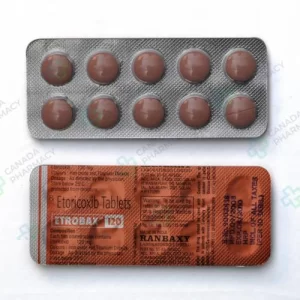
Arcoxia
Price range: $ 42,00 through $ 271,00
Active substance: etoricoxib
More Details
This product has multiple variants. The options may be chosen on the product page
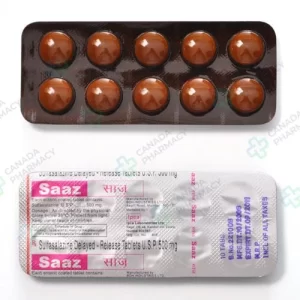
Azulfidine
Price range: $ 58,00 through $ 193,00
Active substance: sulfasalazine
More Details
This product has multiple variants. The options may be chosen on the product page
Benemid
Price range: $ 48,00 through $ 62,00
Active substance: Probenecidum
More Details
This product has multiple variants. The options may be chosen on the product page
Colospa
Price range: $ 24,00 through $ 311,00
Active substance: mebeverine
More Details
This product has multiple variants. The options may be chosen on the product page
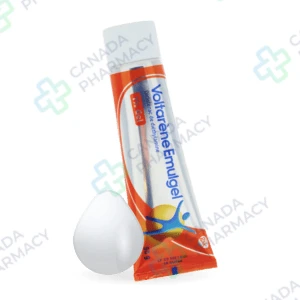
Emulgel
Price range: $ 51,00 through $ 323,00
Active substance: diclofenac
More Details
This product has multiple variants. The options may be chosen on the product page
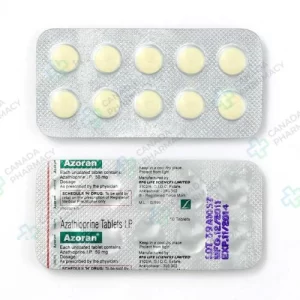
Imuran
Price range: $ 29,00 through $ 302,00
Active substance: Azathioprine
More Details
This product has multiple variants. The options may be chosen on the product page
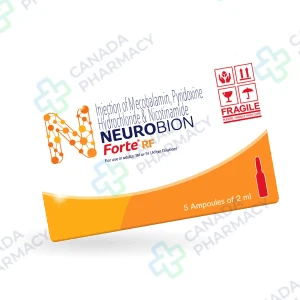
Neurobion Forte Injection
Price range: $ 24,00 through $ 43,00
More Details
This product has multiple variants. The options may be chosen on the product page
Nimotop
Price range: $ 40,00 through $ 338,00
Active substance: Nimodipine
More Details
This product has multiple variants. The options may be chosen on the product page