

-35%
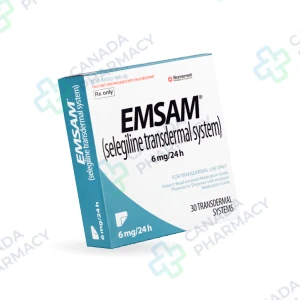
Emsam
Price range: $ 66,00 through $ 345,00
Enclomisign
Price range: $ 85,00 through $ 189,00
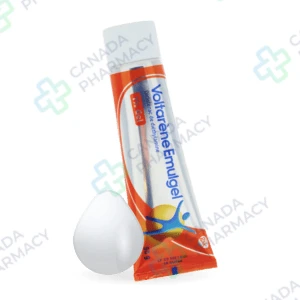
Emulgel
Price range: $ 51,00 through $ 323,00
Emulgel is a powerful topical solution designed to provide targeted relief from localized muscle and joint pain. This non-greasy formula combines the cooling sensation of a gel with the moisturizing properties of a cream for rapid absorption into the skin. It is highly effective at reducing inflammation associated with acute injuries such as sprains, strains, and minor sports trauma. Additionally, this treatment is widely used to manage discomfort stemming from localized forms of soft tissue rheumatism and osteoarthritis. By acting directly at the source of pain, Emulgel helps restore mobility and supports a faster return to your daily activities.
Active substance: diclofenac
Delivery: 5–21 days (depending on the shipping method)
Extra 10% discount with coupon: IT4K6SVM
Each dosage option has its own packaging choices.
Description
Diclofenac sodium topical gel, formulated in an emulgel vehicle, belongs to the class of nonsteroidal anti-inflammatory drugs (NSAIDs). It is engineered to target joint pain locally by penetrating through the dermal layers to inhibit prostaglandin synthesis directly at the site of inflammation. On one hand, this delivery mechanism allows active medication to concentrate within target joint tissues; on the other hand, it minimizes overall systemic exposure compared to conventional oral tablets.
Available over-the-counter (OTC) in the United States for specific joint conditions, this product provides an alternative approach for managing localized discomfort. While topical application carries a lower incidence of systemic adverse effects than oral anti-inflammatory therapies, adherence to recommended dosing schedules, safety warnings, and application rules remains necessary for safe clinical outcomes.
Product Overview and Specifications
Basic Specifications
| Parameter | Details |
|---|---|
| Active Ingredient | Diclofenac sodium 1% (NSAID) |
| Dosage Form | Topical Emulgel (emulsion-hydrogel base) |
| Route of Administration | Topical (external skin application) |
| Primary Purpose | Temporary relief of joint pain due to osteoarthritis |
| Prescription Status | Over-the-Counter (OTC) |
| Storage Requirements | Store at 20°C to 25°C (68°F to 77°F); avoid freezing |
How the drug works
At the biochemical level, diclofenac operates by inhibiting the cyclooxygenase enzymes, specifically COX-1 and COX-2. These enzymes catalyze the conversion of arachidonic acid into prostaglandins, which are key inflammatory mediators responsible for joint pain, swelling, and localized hyperalgesia. The emulgel formulation combines an oily emulsion with an aqueous gel base. This structure enables lipid-soluble diclofenac molecules to penetrate the stratum corneum efficiently while providing a cooling skin feel. Compared with oral diclofenac formulations, which produce significant systemic blood concentrations, topical emulgel application concentrates the drug within the synovial fluid and surrounding tissues while maintaining systemic plasma levels approximately 157 times lower than an equivalent oral dose. Consequently, localized therapeutic action is achieved with reduced systemic organ exposure.
What it’s used for
The primary FDA-approved OTC indication for diclofenac sodium topical gel 1% is the temporary relief of joint pain associated with osteoarthritis in superficial joints of the upper and lower extremities. Approved treatment sites include the hands, wrists, elbows, knees, ankles, and feet. Applying this medication for unapproved joint sites (such as the spine, hips, or shoulders) or for acute traumatic injuries (such as muscle sprains, strains, or sports injuries) is considered off-label use, as safety and efficacy for these applications have not been established under the OTC monograph. Furthermore, diclofenac gel is intended for chronic joint pain management rather than immediate, acute pain relief, as full therapeutic efficacy requires multi-day dosing.
Clinical Considerations, Safety, and Usage
Dosing and Application Guidance
Dosing schedule
Proper administration requires using the calibrated dosing card provided in the package to measure the correct quantity of gel. For upper extremity joints (hand, wrist, or elbow), apply 2 grams of gel to the affected joint 4 times daily. For lower extremity joints (knee, ankle, or foot), apply 4 grams of gel to the affected joint 4 times daily. Gently massage the gel into the skin ensuring complete coverage of the joint area. The maximum total daily dose across all treated joints must not exceed 32 grams per day (maximum 16 grams per day for lower body joints combined, and maximum 8 grams per day for upper body joints combined). Unless treating the hands, wash hands thoroughly with soap and water immediately after application.
What you may notice early on
Unlike topical counterirritants containing menthol or capsaicin that produce immediate heating or cooling sensations, diclofenac emulgel does not offer instant pain relief. Patients typically observe initial pain reduction within 4 to 7 days of consistent, regular four-times-daily application. During early treatment days, a mild, temporary cooling sensation may occur as the gel vehicle evaporates on the skin. If no symptomatic improvement occurs after 7 days of continuous daily use, or if joint symptoms worsen or persist beyond 21 days, discontinue use and consult a physician for diagnostic re-evaluation.
If you skip a dose
If an application is missed, apply the gel as soon as remembered. However, if it is almost time for the next scheduled dose, skip the missed application and continue with the standard four-times-daily dosing schedule. Do not double the quantity of gel applied or treat additional joint areas to compensate for a missed application.
Safety Profile and Pharmacokinetics
How it’s absorbed and eliminated
Following dermal application, diclofenac gradually diffuses through the epidermis and dermis into subcutaneous structures and synovial tissue. Systemic bioavailability of topical 1% diclofenac gel is approximately 6% relative to systemic exposure from oral diclofenac tablets. Peak plasma concentrations (Cmax) are reached between 10 and 20 hours after repeated application, demonstrating a slow and sustained absorption phase. Systemically absorbed diclofenac is extensively bound to serum proteins (>99%), predominantly albumin. Metabolism occurs primarily in the liver via glucuronidation and hydroxylation mediated by CYP2C9 enzymes. Excretion occurs via renal pathways (approximately 60%) and biliary elimination (approximately 35%), with a terminal plasma elimination half-life of 1 to 2 hours.
What side effects may occur
While topical diclofenac displays a favorable safety profile compared to oral anti-inflammatory agents, adverse effects may still occur. Local skin reactions represent the most frequent adverse events, occurring in 2% to 4% of individuals. These include application site dermatitis, redness (erythema), dryness, itching (pruritus), scaling, or mild irritation. Systemic adverse reactions are uncommon due to lower plasma concentrations, but long-term application over large skin surfaces may increase systemic risks. Potential systemic events include mild gastrointestinal upset, nausea, elevated blood pressure, or fluid retention. Rare but severe adverse effects include allergic contact dermatitis, photosensitivity reactions, or systemic hypersensitivity. Discontinue application immediately if severe skin blistering or systemic allergic symptoms appear.
Important precautions
Although systemic absorption is low, topical diclofenac carries warnings shared across the NSAID class regarding potential gastrointestinal bleeding, ulceration, and cardiovascular thrombotic risks. Elevated risk factors include advanced age, history of peptic ulcer disease, concurrent use of oral anti-inflammatory agents, or underlying cardiovascular conditions. Special populations require specific precautions:
- Pregnancy: Avoid use starting at 20 weeks of gestation, as NSAIDs may cause premature closure of the fetal ductus arteriosus and fetal renal impairment leading to oligohydramnios.
- Breastfeeding: Exercise caution; consult a healthcare provider, as it is unknown whether topically absorbed diclofenac excretes into breast milk in significant amounts.
- Elderly: Patients aged 65 and older possess higher baseline risks for NSAID-induced gastrointestinal and renal adverse events; use the lowest effective dose.
- Pediatrics: Safety and efficacy in individuals under 18 years of age have not been established.
What not to combine
Concomitant medication use can alter therapeutic outcomes or elevate safety risks:
- Oral NSAIDs and Aspirin: Avoid concurrent use with oral ibuprofen, naproxen, oral diclofenac, or high-dose aspirin. Combining topical diclofenac with systemic NSAIDs increases total systemic drug exposure and elevates gastrointestinal and renal toxicity risks.
- Anticoagulants and Antiplatelet Drugs: Co-administration with warfarin, direct oral anticoagulants (e.g., apixaban, rivaroxaban), or antiplatelet agents increases gastrointestinal bleeding risks.
- Antihypertensives: NSAIDs may diminish the blood pressure-lowering effect of ACE inhibitors, angiotensin receptor blockers, and beta-blockers.
- Topical Products: Do not apply cosmetics, sunscreens, or other topical medications to the exact skin area treated with diclofenac gel simultaneously.
Practical tips
Ensure the skin surface is clean, dry, and free of open wounds, cuts, infections, or rashes prior to application. Allow the gel to dry thoroughly for 10 minutes before covering the site with clothing. Avoid showering, bathing, or swimming for at least 1 hour post-application to prevent washing away the active drug. Never cover the treated area with occlusive dressings or apply external heat sources, such as heating pads or thermal wraps, because heat and occlusion significantly increase dermal absorption and elevate systemic risk.
Storage and expiration
Store diclofenac topical gel at controlled room temperature between 20°C and 25°C (68°F to 77°F), with excursions permitted between 15°C and 30°C (59°F to 86°F). Keep the tube tightly closed to prevent formulation drying. Protect the container from freezing and excessive thermal exposure. Do not use past the expiration date stamped on the tube crimp or carton. Store safely out of reach of children and domestic animals.
Common Questions
Can I use Emulgel on more than two joint regions simultaneously?
While diclofenac gel can be applied to up to two joint regions concurrently (for example, both knees or a wrist and an ankle), total daily dosing must not exceed 32 grams across all treated areas. Applying the gel to multiple body regions simultaneously increases total systemic absorption, which raises the likelihood of NSAID-related adverse reactions.
Is it safe to apply a heating pad over the treated joint to enhance pain relief?
No, external heat sources such as heating pads, hot water bottles, or heat wraps must never be applied over skin treated with diclofenac gel. External heat increases skin temperature and dermal blood flow, accelerating the systemic absorption rate of diclofenac and increasing the risk of local skin irritation.
How soon after applying diclofenac gel can I wash my hands?
If your hands are not being treated, wash them thoroughly with soap and water immediately following gel application. However, if you are applying the gel to treat osteoarthritis pain in your hands or wrists, wait at least 60 minutes before washing your hands to ensure adequate transdermal drug absorption.
Does topical diclofenac gel carry the same stomach bleeding warnings as oral pain relievers?
Yes, official drug labeling includes warnings regarding gastrointestinal bleeding for all NSAID formulations. While the systemic risk associated with topical diclofenac gel is lower than that of oral NSAID tablets due to reduced blood concentrations, the risk remains elevated in older adults, individuals with a history of stomach ulcers, or those taking blood thinners.
What should I do if skin redness or a rash develops at the application site?
If localized skin redness, itching, swelling, or a rash develops, stop using the gel immediately and wash the affected skin gently with mild soap and water. Mild local reactions usually resolve after product discontinuation. If the rash persists, spreads, or develops into skin blisters, seek evaluation from a healthcare provider.
This text is for informational purposes only and does not constitute individual medical advice. In accordance with FDA guidelines and regulations.
Additional information
| Dosage |
50 gr |
|---|---|
| Package |
2 tubes ,4 tubes ,8 tubes ,10 tubes |
| Ενεργός Ουσία |
Related products
Arava
Price range: $ 56,00 through $ 595,00
Active substance: Leflunomide
More Details
This product has multiple variants. The options may be chosen on the product page

Arcoxia
Price range: $ 42,00 through $ 271,00
Active substance: etoricoxib
More Details
This product has multiple variants. The options may be chosen on the product page
Decadron
Price range: $ 12,00 through $ 182,00
Active substance: Dexamethasone
More Details
This product has multiple variants. The options may be chosen on the product page
Feldene
Price range: $ 27,00 through $ 222,00
Active substance: Piroxicam
More Details
This product has multiple variants. The options may be chosen on the product page
Hydroxychloroquine
Price range: $ 50,00 through $ 1 450,00
Active substance: Hydroxychloroquine
More Details
This product has multiple variants. The options may be chosen on the product page

Imusporin
Price range: $ 117,00 through $ 535,00
Active substance: Cyclosporine
More Details
This product has multiple variants. The options may be chosen on the product page
Omnacortil
Price range: $ 51,00 through $ 210,00
Active substance: prednisolone
More Details
This product has multiple variants. The options may be chosen on the product page

Prednisolone
Price range: $ 40,00 through $ 210,00
Active substance: prednisolone
More Details
This product has multiple variants. The options may be chosen on the product page