

-46%
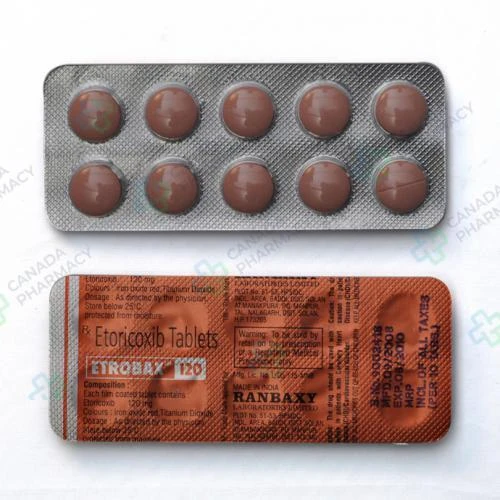
Arcalion
Price range: $ 25,00 through $ 50,00
Aricept
Price range: $ 54,00 through $ 264,00
Arcoxia
Price range: $ 42,00 through $ 271,00
Arcoxia is a highly effective non-steroidal anti-inflammatory drug (NSAID) designed to provide targeted relief from pain and inflammation. It is widely utilized to manage symptoms of chronic conditions such as osteoarthritis, rheumatoid arthritis, and ankylosing spondylitis. The medication also offers rapid relief for individuals experiencing the acute pain and swelling associated with gouty arthritis. By selectively inhibiting the COX-2 enzyme, Arcoxia reduces the production of prostaglandins that cause discomfort and joint stiffness. Additionally, it is an excellent option for the short-term management of moderate pain following dental procedures, helping patients return to their daily routines faster.
Active substance: etoricoxib
Delivery: 5–21 days (depending on the shipping method)
Extra 10% discount with coupon: IT4K6SVM
Each dosage option has its own packaging choices.
Description
Arcoxia – What You Need to Know
Arcoxia belongs to a group of medicines called selective cyclooxygenase-2 (COX-2) inhibitors, which represent a specialized subgroup of nonsteroidal anti-inflammatory drugs (NSAIDs). The drug works primarily by selectively inhibiting the enzyme responsible for synthesizing prostaglandins involved in joint pain, inflammation, and fever.
In global medical practice, this agent is utilized for the management of acute and chronic musculoskeletal conditions. However, patients and caregivers reviewing information in the United States should note that Arcoxia (active ingredient: etoricoxib) is not approved by the U.S. Food and Drug Administration (FDA) and is dispensed in accordance with applicable federal and state regulations in jurisdictions where it holds regulatory authorization.
Basic Medication Overview
| Active ingredient | Etoricoxib |
| Therapeutic class | Nonsteroidal Anti-inflammatory Drug (Selective COX-2 Inhibitor) |
| Dosage form | Oral film-coated tablet |
| Route of administration | Oral |
| Primary purpose | Relief of pain and inflammatory symptoms in joint and tissue disorders |
| Mechanism of action | Selective inhibition of cyclooxygenase-2 (COX-2) enzyme |
How the Drug Works
The therapeutic effect of Arcoxia relies on its selective target binding. Cyclooxygenase exists in two main isoforms within the body: COX-1 and COX-2. Traditional nonsteroidal anti-inflammatory drugs inhibit both enzymes non-selectively. COX-1 plays a vital protective role in maintaining the gastric mucosal barrier and supporting normal platelet activity. In contrast, COX-2 is primarily induced during inflammatory cascades, producing inflammatory prostaglandins that generate pain, tissue swelling, and localized heat. On one hand, by targeting COX-2 with high selectivity, etoricoxib effectively reduces inflammatory pain signals without directly suppressing COX-1 activity in the gastric lining at standard therapeutic doses. On the other hand, selective COX-2 inhibition does not confer the anti-platelet protective effects seen with non-selective NSAIDs such as low-dose aspirin.
Main Uses
In countries where Arcoxia is licensed, healthcare providers prescribe it for several specific rheumatological and acute pain conditions. It is indicated for the symptomatic treatment of osteoarthritis, rheumatoid arthritis, and ankylosing spondylitis. Additionally, it is used for the management of acute gouty arthritis flares and short-term postoperative dental pain. Clinical guidelines emphasize using the lowest effective dose for the shortest necessary duration because extended treatment can influence cardiovascular risks. In the United States market, etoricoxib is not FDA-approved, and any use outside approved foreign jurisdictions or for non-indicated conditions is considered off-label or non-authorized under U.S. law.
What Happens in the Body
Following oral administration, etoricoxib is well absorbed from the gastrointestinal tract, achieving peak plasma concentration relatively quickly. Absolute bioavailability is high, reaching approximately 100 percent under fasting conditions. The administration of food may slightly delay the rate of absorption, but it does not significantly alter the overall extent of systemic absorption. Once in the bloodstream, the compound extensively binds to plasma proteins, predominantly albumin. Metabolism occurs primarily in the liver through hepatic enzymes, specifically cytochrome P450 3A4 (CYP3A4), yielding inactive metabolites. Elimination occurs predominantly via renal excretion in the form of metabolites, with less than 1 percent excreted unchanged in the urine.
Dosing Schedule
Dosing protocols for Arcoxia must always be determined by a qualified prescriber based on the specific clinical indication and individual patient risk profile. The tablets are taken orally once daily, with or without food. For chronic conditions such as osteoarthritis, lower daily doses are typically initiated, whereas higher daily doses may be prescribed for acute inflammatory states such as gouty arthritis for limited durations. Patients should never adjust their daily dosage or extend the duration of treatment without medical advice. If a patient experiences persistent pain despite adherence to the schedule, a clinical reassessment is required rather than an unguided dose escalation.
Clinical Considerations and Safety
Adverse Reactions
While Arcoxia effectively targets joint pain, it shares several adverse reaction risks common to the NSAID drug class. Frequently reported side effects include gastrointestinal disturbances such as abdominal pain, dyspepsia, heartburn, nausea, and diarrhea. Patients may also experience peripheral edema due to fluid retention, elevated blood pressure, dizziness, and headache. Less common but serious adverse events include gastrointestinal ulceration, upper gastrointestinal bleeding, elevated hepatic enzymes, renal dysfunction, and severe cardiovascular thrombotic events (such as myocardial infarction or stroke). Compared with traditional non-selective NSAIDs, COX-2 inhibitors generally exhibit a lower incidence of upper gastrointestinal mucosal ulcers, but their impact on blood pressure and vascular tissue requires careful clinical oversight.
Compatibility with Other Medicines
Etoricoxib demonstrates clinical interactions with several major classes of medications. Co-administration with oral anticoagulants, such as warfarin, can increase prothrombin time and elevate the risk of bleeding complications, necessitating close monitoring of international normalized ratio (INR) levels. Concomitant use with other NSAIDs or low-dose aspirin increases the risk of gastrointestinal ulceration; etoricoxib cannot replace aspirin for cardiovascular prophylaxis. When taken alongside antihypertensive agents (including ACE inhibitors, angiotensin receptor blockers, and diuretics), etoricoxib may diminish their blood-pressure-lowering effectiveness and increase the risk of renal deterioration. Additionally, etoricoxib can increase plasma concentrations of lithium and methotrexate, potentially worsening their toxicity profiles.
Important Precautions
Prescribers evaluate several critical risk factors before initiating therapy. Selective COX-2 inhibitors are associated with an increased risk of serious cardiovascular thrombotic events, which can increase with duration of use. Consequently, the drug is contraindicated in patients with established ischemic heart disease, peripheral arterial disease, cerebrovascular disease, or uncontrolled hypertension. Patients with a history of gastrointestinal ulceration, active inflammatory bowel disease, or severe renal and hepatic impairment require extreme caution or alternative therapeutic approaches. Regular blood pressure monitoring is recommended following the initiation of treatment and periodically throughout therapy.
Patient Guidelines
Day-to-Day Use
Integrating Arcoxia into a routine requires consistency and careful monitoring. Taking the tablet at the same time each day helps maintain stable blood levels. Taking the medication with a full glass of water or food can help minimize minor stomach upset. Patients who track their blood pressure at home should keep a log during the first few weeks of treatment to share with their clinician. It is important to avoid combining Arcoxia with over-the-counter pain relievers containing ibuprofen, naproxen, or aspirin unless specifically instructed by a medical provider.
Red Flags
Certain severe symptoms demand immediate medical intervention. Patients must discontinue the medication and seek emergency care if they experience any of the following signs:
- Chest pain, shortness of breath, sudden numbness, or weakness on one side of the body.
- Signs of gastrointestinal bleeding, such as black or tarry stools, bright red blood in vomit, or severe stomach pain.
- Signs of a severe allergic reaction, including swelling of the face, lips, tongue, or throat, or difficulty breathing.
- Severe cutaneous reactions, such as unexplained skin rash, blistering, or skin peeling.
- Signs of liver toxicity, including yellowing of the skin or eyes (jaundice), dark urine, or persistent nausea and fatigue.
Special Populations
The safety and efficacy of Arcoxia vary across specialized demographic groups. In elderly patients, renal, hepatic, and cardiovascular functions are more likely to be reduced, necessitating careful dose selection and monitoring. Use during pregnancy is not recommended, particularly in the third trimester, because inhibition of prostaglandin synthesis can cause premature closure of the fetal ductus arteriosus and impaired uterine contractility. Nursing mothers should consult a physician, as a decision must be made whether to discontinue nursing or discontinue the drug. The safety of etoricoxib in pediatric patients has not been established, and it is generally not indicated for children or adolescents.
Storage and Expiration
Store Arcoxia in its original packaging at controlled room temperature, away from excessive moisture, direct heat, and light. Keep the blister pack or container tightly closed when not in use. Do not store tablets in humid environments such as bathroom cabinets. Keep this and all medications out of the reach of children and pets. Properly discard any medication that is expired or no longer needed according to local environmental regulations; do not flush unused tablets down the toilet.
Common Questions
Why is Arcoxia not available in the United States?
Arcoxia (etoricoxib) was reviewed by the U.S. FDA, but approval was not granted due to safety concerns regarding the cardiovascular risk profile relative to its therapeutic benefits compared to existing alternatives. It remains approved and available in numerous other countries under strict prescription guidelines.
How does etoricoxib differ from traditional NSAIDs like ibuprofen?
While traditional NSAIDs inhibit both COX-1 and COX-2 enzymes, etoricoxib selectively inhibits COX-2. This target selectivity reduces the frequency of direct gastric mucosal irritation, though it requires equal vigilance regarding cardiovascular and renal health.
Can Arcoxia be taken with aspirin for heart protection?
Etoricoxib can be taken alongside low-dose aspirin if explicitly prescribed by a doctor, but doing so increases the rate of gastrointestinal ulceration compared to etoricoxib alone. Etoricoxib itself does not provide cardioprotective effects and cannot serve as a substitute for aspirin therapy.
What should be done if a dose is missed?
If a dose is missed, it should be taken as soon as remembered on the same day. However, if it is almost time for the next scheduled dose, skip the missed dose and resume the regular dosing schedule. Do not take a double dose to compensate for a missed tablet.
Is regular blood test monitoring necessary during treatment?
For patients undertaking prolonged therapy, physicians may order periodic blood tests to evaluate renal function, liver enzyme levels, and blood cell counts. Regular blood pressure measurements are also clinically recommended during treatment.
The information presented here is not a substitute for professional medical advice. In accordance with FDA requirements, this medication is not approved for distribution in the United States.
Additional information
| Dosage |
60mg ,90mg ,120mg |
|---|---|
| Package |
30 pills ,60 pills ,90 pills ,120 pills ,180 pills ,270 pills ,360 pills |
| Ενεργός Ουσία |
Related products
Calcort
Price range: $ 54,00 through $ 430,00
Active substance: Deflazacort
More Details
This product has multiple variants. The options may be chosen on the product page
Cartidin
Price range: $ 65,00 through $ 278,00
Active substance: Diacerein
More Details
This product has multiple variants. The options may be chosen on the product page
Cobix
Price range: $ 11,00 through $ 28,00
Active substance: Celecoxib
More Details
This product has multiple variants. The options may be chosen on the product page
Deltasone
Price range: $ 47,00 through $ 296,00
Active substance: Prednisone
More Details
This product has multiple variants. The options may be chosen on the product page
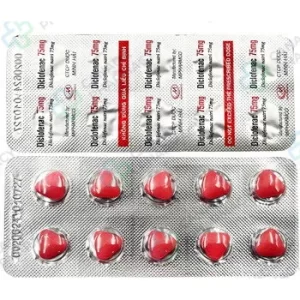
Diclofenac
Price range: $ 49,00 through $ 121,00
Active substance: diclofenac
More Details
This product has multiple variants. The options may be chosen on the product page
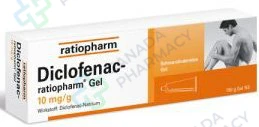
Diclofenac Gel
Price range: $ 39,00 through $ 73,00
Active substance: diclofenac
More Details
This product has multiple variants. The options may be chosen on the product page
Diclofenac SR
Price range: $ 33,00 through $ 206,00
Active substance: diclofenac
More Details
This product has multiple variants. The options may be chosen on the product page
Etodolac
Price range: $ 46,00 through $ 390,00
Active substance: Etodolac
More Details
This product has multiple variants. The options may be chosen on the product page