

-38%
Diarex
Price range: $ 54,00 through $ 236,00
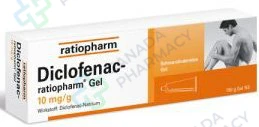
Diclofenac Gel
Price range: $ 39,00 through $ 73,00
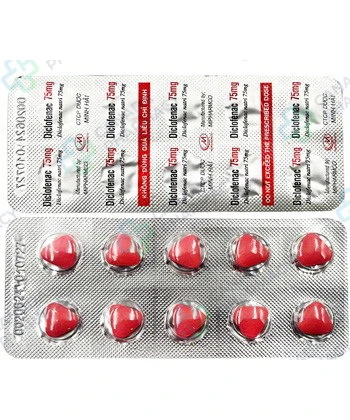
Diclofenac
Price range: $ 49,00 through $ 121,00
Diclofenac is a highly effective nonsteroidal anti-inflammatory drug (NSAID) designed to provide rapid relief from pain and inflammation. It is primarily used to manage symptoms associated with osteoarthritis, rheumatoid arthritis, and ankylosing spondylitis. The medication works by targeting the specific enzymes in the body that cause swelling and discomfort in the joints and muscles. Beyond chronic conditions, it is also beneficial for treating acute pain resulting from minor injuries, strains, and menstrual cramps. By reducing systemic inflammation, Diclofenac helps restore physical mobility and improves the overall quality of daily life.
Active substance: diclofenac
Delivery: 5–21 days (depending on the shipping method)
Extra 10% discount with coupon: IT4K6SVM
Each dosage option has its own packaging choices.
Description
Diclofenac belongs to a group of medicines called nonsteroidal anti-inflammatory drugs (NSAIDs). It works by inhibiting the cyclooxygenase (COX-1 and COX-2) enzymes, which significantly reduces the synthesis of prostaglandins involved in pain, inflammation, and fever responses.
In the United States, diclofenac is dispensed in accordance with applicable federal and state regulations, available in both prescription formulations (such as oral delayed-release tablets and high-concentration topical solutions) and over-the-counter options (specifically 1% topical gel). Understanding its pharmacological mechanism, side effect profile, and potential drug interactions helps patients and healthcare providers balance therapeutic benefits against clinical risks.
| Parameter | Details |
|---|---|
| Active ingredient | Diclofenac (as diclofenac sodium or diclofenac potassium) |
| Therapeutic class | Nonsteroidal Anti-inflammatory Drug (NSAID) |
| Dosage form | Oral tablets (delayed-release, extended-release), topical gel, topical solution |
| Route of administration | Oral, Topical |
| Primary purpose | Management of acute and chronic pain, osteoarthritis, and inflammatory arthritis |
| Prescription status | Varies by formulation (oral forms require a prescription; 1% topical gel is OTC under FDA approval) |
Overview and Pharmacological Profile
Main uses
Diclofenac is FDA-approved for several indications involving acute and chronic musculoskeletal pain. Oral delayed-release and extended-release formulations are indicated for the relief of signs and symptoms of osteoarthritis, rheumatoid arthritis, and ankylosing spondylitis. Diclofenac potassium oral tablets, which dissolve rapidly, are primarily indicated for the management of acute pain and primary dysmenorrhea. Topical formulations are approved for joint pain associated with osteoarthritis in hands, wrists, elbows, knees, ankles, or feet. Off-label uses–such as management of acute gout attacks or specific mild-to-moderate post-surgical inflammation–are sometimes prescribed by clinicians when standard therapies are inadequate, though these fall outside official FDA-labeled indications.
How the drug works
The therapeutic effect of diclofenac stems from its dual inhibition of the COX-1 and COX-2 enzymes. By blocking these enzymes, diclofenac halts the conversion of arachidonic acid into prostaglandins–key chemical mediators that sensitize peripheral nociceptors and promote localized edema. On one hand, this potent inhibition yields reliable analgesia and anti-inflammatory activity superior to basic analgesics. On the other hand, prostaglandins play vital physiological roles in maintaining the gastric mucosal barrier and modulating renal blood flow. Consequently, suppressing prostaglandin activity provides substantial symptomatic relief while simultaneously creating potential gastrointestinal and renal vulnerabilities.
What happens in the body
Following oral administration, diclofenac is completely absorbed, though substantial first-pass hepatic metabolism results in systemic availability of roughly 50% for delayed-release forms. Food slows the rate of absorption and delays peak plasma concentration, but it does not significantly decrease total drug bio-availability. Diclofenac is extensively bound to human serum proteins (>99%), primarily albumin. It undergoes hepatic metabolism via cytochrome P450 enzymes, predominantly CYP2C9, into several hydroxylated metabolites. The elimination half-life of diclofenac from plasma is short, ranging between 1 and 2 hours. Approximately 60% of the administered dose is excreted in the urine as metabolites, with the remaining fraction eliminated via biliary excretion in the feces.
Clinical Considerations and Safety Information
Dosing Schedule and Administration
Dosing schedules for diclofenac vary significantly based on the salt form (sodium vs. potassium), route of administration, and specific therapeutic indication. Oral delayed-release tablets (typically 50 mg or 75 mg) are generally prescribed two to three times daily for osteoarthritis or rheumatoid arthritis, swallowed whole with a full glass of water. Patients are advised not to crush, chew, or split delayed-release or enteric-coated tablets, as doing so disrupts the protective coating designed to minimize gastric contact. For topical gel preparations, administration typically involves applying 2 g or 4 g of gel to the affected joint using the enclosed dosing card, up to four times daily. The dosage is strictly individualized by the healthcare provider to achieve the lowest effective dose for the shortest possible duration.
Food and alcohol interactions
Taking oral diclofenac with food or milk is frequently recommended to decrease direct mucosal irritation in the stomach, despite a minor delay in peak drug levels. Alcohol consumption while using systemic diclofenac presents a distinct clinical risk: concurrent use of ethanol increases the incidence and severity of gastrointestinal mucosal damage, elevating the risk of upper gastrointestinal ulceration and microvascular bleeding. Patients taking oral diclofenac should avoid significant alcohol intake throughout the course of treatment.
If you skip a dose
If a dose of diclofenac is missed, it should be taken as soon as remembered. However, if it is almost time for the next scheduled dose, the missed dose should be skipped entirely, resuming the regular schedule. Doubling the dose to make up for a missed application or tablet increases systemic drug exposure without conferring added therapeutic benefit, significantly increasing the likelihood of adverse effects.
Adverse Reactions and Drug Interactions
Adverse reactions
Common adverse events associated with systemic diclofenac include abdominal distress, heartburn, nausea, diarrhea, constipation, flatulence, dizziness, and headache. Transaminase elevations (ALT or AST) occur in a subset of patients, requiring periodic liver function monitoring during extended therapy. Topical formulations display a lower rate of systemic side effects but may cause localized cutaneous reactions, including dryness, erythema, pruritus, or contact dermatitis at the application site.
What not to combine
Diclofenac interacts with multiple drug classes, requiring dosage adjustments or therapeutic substitution:
- Anticoagulants (e.g., warfarin, direct oral anticoagulants): Co-administration markedly enhances the risk of severe gastrointestinal bleeding.
- Other NSAIDs or Aspirin: Combining diclofenac with aspirin or second NSAIDs increases toxicity without improving efficacy.
- Antihypertensives (ACE inhibitors, ARBs, Beta-blockers): Diclofenac can attenuate the blood-pressure-lowering effects of these medications.
- Diuretics (e.g., furosemide, hydrochlorothiazide): NSAIDs may diminish natriuretic effects and impair renal perfusion.
- Lithium and Methotrexate: Diclofenac decreases renal clearance of these agents, raising plasma concentrations and potential toxicity.
Available alternatives
When evaluating pain management options, clinicians weigh diclofenac against alternative agents. Compared to over-the-counter ibuprofen or naproxen, oral diclofenac demonstrates equal or greater anti-inflammatory potency, though it carries a somewhat distinct liver enzyme elevation profile. Acetaminophen offers central pain relief without gastrointestinal mucosal injury or blood pressure interference, but lacks peripheral anti-inflammatory action. Topical NSAIDs offer targeted joint relief with substantially lower systemic plasma concentration than oral therapy, reducing gastrointestinal risk profiles.
Important Precautions and Special Populations
Systemic diclofenac carries explicit warnings regarding cardiovascular and gastrointestinal risks. Clinical trials of COX-2 selective and nonselective NSAIDs have demonstrated an increased risk of serious cardiovascular thrombotic events, myocardial infarction, and stroke, which can be fatal. This risk may occur early in treatment and increases with duration of use. NSAIDs also cause an increased risk of serious gastrointestinal adverse events including bleeding, ulceration, and perforation of the stomach or intestines.
Special patient populations require specific therapeutic adjustments or strict avoidance:
- Pregnancy: Avoid use of diclofenac at about 20 weeks gestation or later, as NSAIDs may cause premature closure of the fetal ductus arteriosus and fetal renal dysfunction leading to oligohydramnios.
- Breastfeeding: Diclofenac is excreted in human milk in small amounts; potential risks should be weighed against maternal clinical need.
- Geriatric Population: Elderly patients experience a higher frequency of NSAID-related adverse reactions, particularly gastrointestinal bleeding and acute renal failure.
- Renal Impairment: Use is not recommended in patients with advanced renal disease unless benefits outweigh potential disease progression.
Red flags
Certain adverse symptoms necessitate immediate medical evaluation. Patients should monitor for signs of systemic distress, severe hemorrhage, or hypersensitivity.
| Red Flag Symptom | Potential Underlying Issue |
|---|---|
| Swelling of the face, lips, tongue, or throat; dyspnea | Severe anaphylactic hypersensitivity reaction |
| Black, tarry, or bloody stools; vomiting blood | Acute gastrointestinal mucosal bleeding or ulceration |
| Chest pain, shortness of breath, sudden weakness, slurred speech | Cardiovascular thrombotic event (MI or stroke) |
| Jaundice, severe right upper quadrant abdominal pain, dark urine | Drug-induced hepatotoxicity |
| Sudden reduction in urine volume, lower extremity edema | Acute renal impairment or fluid retention |
| Severe rash with skin peeling, blistering, or mucosal erosions | Severe cutaneous adverse reactions (Stevens-Johnson syndrome) |
Common Questions
How does oral diclofenac differ from topical diclofenac in terms of systemic exposure?
Topical application yields significantly lower systemic plasma concentrations compared to oral administration–often less than 5% to 10% of the peak levels observed with oral tablets. While this marked reduction lowers the frequency of systemic gastrointestinal and renal adverse events, systemic risks are not entirely eliminated, particularly with overuse or application to extensive skin areas.
Can I take diclofenac alongside standard over-the-counter pain relievers like acetaminophen?
Acetaminophen operates via central analgesic pathways that differ from diclofenac’s peripheral COX inhibition. Under medical guidance, short-term combination therapy is sometimes used. However, combining diclofenac with any other NSAID (such as ibuprofen or naproxen) must be avoided due to additive toxicity risks.
What should I monitor if I need to take diclofenac for a prolonged period?
Patients on long-term diclofenac therapy require periodic clinical monitoring by their prescriber. Standard baseline and follow-up evaluations include complete blood counts to check for occult blood loss, serum chemistry panels to evaluate renal clearance, and liver transaminase enzyme testing (ALT/AST) to detect hepatic changes.
Why is diclofenac restricted during the second half of pregnancy?
Starting around week 20 of gestation, NSAIDs like diclofenac can induce fetal renal dysfunction leading to decreased amniotic fluid volume (oligohydramnios). Additionally, exposure late in pregnancy can cause premature constriction or closure of the fetal ductus arteriosus, leading to neonatal pulmonary hypertension.
Is it safe to drive or operate machinery while using diclofenac?
While diclofenac does not typically impair cognitive function, central nervous system side effects such as drowsiness, dizziness, or visual disturbances occur in a small percentage of patients. Individuals should assess their personal tolerance before engaging in tasks requiring full mental alertness.
In accordance with FDA requirements and US federal regulations.
This text is for informational purposes only and does not constitute individual medical advice.
Additional information
| Dosage |
50mg ,100mg |
|---|---|
| Package |
90 pills ,180 pills ,270 pills ,360 pills |
| Ενεργός Ουσία |
Related products
Colchicine
Price range: $ 57,00 through $ 193,00
Active substance: colchicine
More Details
This product has multiple variants. The options may be chosen on the product page
Hydroxychloroquine
Price range: $ 50,00 through $ 1 450,00
Active substance: Hydroxychloroquine
More Details
This product has multiple variants. The options may be chosen on the product page
Indocin
Price range: $ 45,00 through $ 264,00
Active substance: Indomethacin
More Details
This product has multiple variants. The options may be chosen on the product page
Medrol
Price range: $ 49,00 through $ 497,00
Active substance: Medrol
More Details
This product has multiple variants. The options may be chosen on the product page
Mobic
Price range: $ 18,00 through $ 140,00
Active substance: meloxicam
More Details
This product has multiple variants. The options may be chosen on the product page

Motrin
Price range: $ 9,00 through $ 278,00
Active substance: ibuprofen
More Details
This product has multiple variants. The options may be chosen on the product page
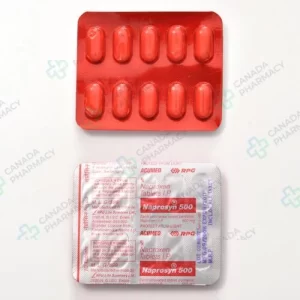
Naprosyn
Price range: $ 56,00 through $ 260,00
Active substance: naproxen
More Details
This product has multiple variants. The options may be chosen on the product page
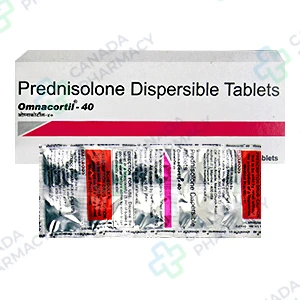
Omnacortil
Price range: $ 51,00 through $ 210,00
Active substance: prednisolone
More Details
This product has multiple variants. The options may be chosen on the product page