

-44%
Cobix
Price range: $ 11,00 through $ 28,00
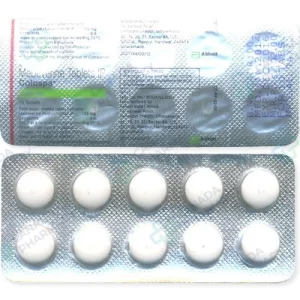
Colospa
Price range: $ 24,00 through $ 311,00
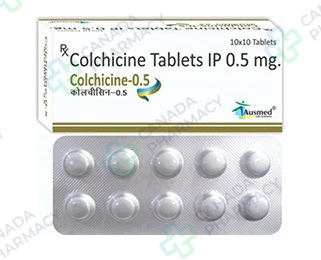
Colchicine
Price range: $ 57,00 through $ 193,00
Colchicine is a highly effective medication primarily used to prevent and treat painful gout flares. It works by reducing the inflammation and swelling caused by uric acid crystals in the joints. This medication is also indicated for the management of Familial Mediterranean Fever, a genetic inflammatory condition. When taken at the first sign of a gout attack, it helps significantly decrease discomfort and improve joint mobility. Regular use as directed helps maintain long-term comfort for individuals suffering from these chronic inflammatory symptoms.
Active substance: colchicine
Delivery: 5–21 days (depending on the shipping method)
Extra 10% discount with coupon: IT4K6SVM
Each dosage option has its own packaging choices.
Description
Colchicine belongs to an alkaloid class of anti-gout medications derived historically from the autumn crocus plant. Dispensed by prescription under United States federal regulations, it is indicated primarily for the treatment and prophylaxis of acute gout flares as well as Familial Mediterranean Fever.
Administration requires careful medical oversight due to its narrow therapeutic index, where effective dosage levels approach concentrations that produce toxic effects. Proper dosage adjustment is necessary based on individual patient parameters including renal function, hepatic health, and concurrent drug therapy.
| Attribute | Specification |
|---|---|
| Drug name | Colchicine |
| Active ingredient | Colchicine |
| Therapeutic class | Antigout agent / Plant alkaloid |
| Dosage form | Oral tablet |
| Prescription status | Prescription (Rx only) |
| Route of administration | Oral |
| Primary purpose | Treatment and prevention of acute gout flares; Familial Mediterranean Fever management |
Pharmacological Profile and Clinical Indications
Mechanism of Action and Pharmacokinetics
How the drug works: Colchicine exerts its therapeutic effect primarily through the disruption of cellular microtubule dynamics. It selectively binds to soluble tubulin dimers, forming a tubulin-colchicine complex that inhibits microtubule polymerization and elongation. Microtubules are essential cytoskeletal structures involved in intracellular transport, cell division, and neutrophil motility. By arresting microtubule assembly, colchicine impairs multiple granulocyte functions, including cell migration, chemotaxis, adhesion, and phagocytosis of monosodium urate crystals within joint tissues. Additionally, colchicine suppresses the activation of the NLRP3 inflammasome complex, inhibiting the cleavage of pro-inflammatory cytokines such as interleukin-1 beta (IL-1β). This targeted inhibition of neutrophil activity suppresses the acute inflammatory response associated with uric acid deposition without reducing systemic serum uric acid concentrations.
What happens in the body: Following oral administration, colchicine is rapidly absorbed from the gastrointestinal tract. Peak plasma concentrations are typically achieved within 0.5 to 3 hours after ingestion in healthy individuals. The absolute oral bioavailability averages approximately 45%. Colchicine displays a moderate volume of distribution and binds to human plasma proteins at a rate of approximately 39%, primarily to albumin. The drug undergoes hepatic metabolism via demethylation mediated primarily by the cytochrome P450 3A4 (CYP3A4) enzyme system, producing two primary metabolites, 2-O-demethylcolchicine and 3-O-demethylcolchicine. Colchicine is also a substrate for the P-glycoprotein (P-gp) efflux transporter. Elimination occurs through both renal and biliary pathways, with approximately 20% to 30% of the active drug excreted unchanged in the urine. The mean terminal elimination half-life ranges from 20 to 40 hours in individuals with normal renal function, but it is significantly prolonged in patients with severe renal impairment.
Main uses: Colchicine is approved by the U.S. Food and Drug Administration (FDA) for specific inflammatory conditions. Its primary indication is the prophylaxis and treatment of acute gout flares in adult patients. For acute gout flares, treatment is most effective when initiated at the earliest onset of joint pain and swelling. Furthermore, colchicine is indicated for chronic prophylaxis of gout attacks when initiating urate-lowering therapies such as allopurinol or febuxostat, preventing flares triggered by rapid shifts in serum urate levels. Another official FDA indication is the management of Familial Mediterranean Fever (FMF), a hereditary autoinflammatory disorder, in adults and pediatric patients aged 4 years and older. Off-label indications documented in clinical literature include acute pericarditis, recurrent pericarditis, and Behçet’s disease; however, these applications are prescribed off-label at the clinical discretion of a licensed provider.
Safety Profile, Dosing, and Precautions
Dosing Regimens and Administration
Dosing schedule: Dosage regimens for colchicine must be strictly individualized based on the specific clinical indication, patient age, renal clearance, and concomitant medications. For the treatment of an acute gout flare, the standard FDA-approved dosage regimen consists of 1.2 mg (two 0.6 mg tablets) taken at the first sign of flare symptoms, followed by 0.6 mg one hour later. The maximum recommended dose for an acute flare is 1.8 mg over a one-hour period. Additional doses should not be taken within the same flare episode. For gout prophylaxis, the standard dosage is 0.6 mg taken orally once or twice daily, with a maximum daily dose of 1.2 mg. For Familial Mediterranean Fever, initial daily doses range from 1.2 mg to 2.4 mg administered in single or divided doses. Dosage reductions are required for patients with moderate to severe renal impairment or hepatic impairment, as well as those receiving co-prescribed CYP3A4 or P-gp inhibitors.
Missed dose: If a daily dose of colchicine for gout prophylaxis or Familial Mediterranean Fever is missed, it should be taken as soon as it is remembered. However, if it is nearly time for the next scheduled dose, the missed dose should be skipped entirely, and the normal dosing schedule resumed. Double doses should never be taken to make up for a missed tablet. For acute gout flares, taking extra doses outside the prescribed single-flare regimen increases toxicity risks without providing additional therapeutic benefit.
Storage and expiration: Colchicine tablets should be stored at controlled room temperature between 20°C and 25°C (68°F to 77°F), with permitted excursions between 15°C and 30°C (59°F to 86°F). The medication must be kept in its original container, tightly closed, and protected from light and moisture. Storage in high-humidity environments such as bathrooms should be avoided. Keep all medications out of the reach and sight of children and pets. Expired medications should be disposed of according to federal guidelines or pharmacy take-back programs.
Adverse Effects and Interactions
What not to combine: Colchicine possesses significant potential for severe and potentially life-threatening drug interactions due to its reliance on CYP3A4 metabolic and P-gp transport pathways. Co-administration of colchicine with strong CYP3A4 inhibitors (such as ketoconazole, itraconazole, clarithromycin, or ritonavir) or strong P-gp inhibitors (such as cyclosporine or ranolazine) significantly increases systemic colchicine concentrations. High plasma levels of colchicine elevate the risk of severe toxicity, including bone marrow suppression and multiorgan failure, particularly in patients with pre-existing renal or hepatic impairment. Moderate CYP3A4 inhibitors (including diltiazem, verapamil, and erythromycin) also require dose reductions or temporary cessation of colchicine. Concomitant use with HMG-CoA reductase inhibitors (statins) or fibrates may increase the risk of neuromuscular toxicity, myopathy, and rhabdomyolysis.
Adverse reactions: Adverse events associated with colchicine therapy are dose-dependent and most commonly affect the gastrointestinal system. Gastrointestinal symptoms occur frequently during acute high-dose regimens and include diarrhea, nausea, vomiting, and abdominal cramping. These signs often represent early indicators of colchicine toxicity and warrant dose reduction or discontinuation. Hematologic toxicity is a major concern with prolonged therapy or high systemic exposure, potentially leading to bone marrow suppression, leukopenia, granulocytopenia, thrombocytopenia, and aplastic anemia. Neuromuscular adverse effects include peripheral neuropathy, myopathy, elevated serum creatine kinase, and rhabdomyolysis, particularly in elderly patients or individuals with renal insufficiency. Other reported adverse effects include dermatologic reactions such as alopecia and rash, as well as transient elevations in liver transaminases.
Important precautions: Colchicine has a narrow therapeutic index, meaning the margin between a therapeutic dose and a toxic dose is small. Severe toxicity can result in multiorgan dysfunction, including respiratory distress, acute kidney injury, cardiovascular collapse, and death. Special caution must be exercised in elderly patients, as age-related declines in renal function can lead to drug accumulation. Dosage adjustments are mandatory for patients with baseline renal impairment (creatinine clearance less than 30 mL/min) or severe hepatic impairment. In pediatric populations, safety and efficacy have been established only for Familial Mediterranean Fever in children 4 years of age and older. Colchicine crosses the placenta; use during pregnancy should occur only if the potential benefit justifies the potential risk to the fetus. Colchicine is excreted into human breast milk, necessitating careful consideration by prescribing healthcare professionals when administering to nursing mothers.
What to avoid while taking it: Patients taking colchicine should strictly avoid consuming grapefruit and grapefruit juice. Grapefruit acts as a potent inhibitor of intestinal CYP3A4 and P-glycoprotein, which can significantly elevate colchicine concentration in the bloodstream and escalate the risk of toxic side effects. Alcohol consumption should also be limited or avoided during treatment for gout. Ethanol can increase serum uric acid production and decrease renal excretion of urate, potentially triggering gout flares and compromising the therapeutic effectiveness of colchicine prophylaxis.
Red flags: Patients taking colchicine must remain vigilant for signs of acute toxicity or adverse reactions requiring emergency evaluation. Immediate medical care is mandatory if severe gastrointestinal symptoms such as persistent vomiting, severe watery diarrhea, or intense abdominal pain develop. Furthermore, unexplained muscle weakness, muscle pain, dark or cola-colored urine, unusual bruising, petechiae, persistent fever, or signs of systemic infection demand prompt emergency intervention.
| Clinical Manifestation | Potential Risk / Action Required |
|---|---|
| Persistent severe diarrhea or vomiting | Early sign of colchicine toxicity; contact provider immediately. |
| Unexplained muscle pain, weakness, or dark urine | Indicates potential rhabdomyolysis; seek emergency care. |
| Unusual bleeding, bruising, or sudden fever | Possible bone marrow suppression; requires prompt laboratory evaluation. |
| Swelling of face, lips, tongue, or breathing difficulty | Severe hypersensitivity reaction; call emergency services immediately. |
| Numbness or tingling in extremities | Sign of peripheral neuropathy; consult prescribing physician. |
Common Questions
How quickly does colchicine relieve acute gout flare symptoms?
When administered at the onset of a flare, pain relief typically begins within 12 to 24 hours, with maximal symptom improvement achieved within 48 hours. Early administration at the very first sign of joint discomfort is critical for optimal clinical efficacy.
Can colchicine be taken together with nonsteroidal anti-inflammatory drugs (NSAIDs)?
NSAIDs or acetaminophen can sometimes be co-prescribed with colchicine during acute gout flares under medical guidance, provided there are no contraindications such as renal insufficiency or active gastrointestinal ulcer disease. Patients should follow their provider’s specific instructions.
Why is colchicine limited to a specific total dose during an acute flare treatment?
Colchicine has a narrow margin of safety. Administering doses beyond the approved 1.8 mg total flare regimen (1.2 mg followed by 0.6 mg one hour later) does not improve pain relief but significantly increases the risk of severe gastrointestinal toxicity and systemic toxicity.
Is dose adjustment necessary for patients with impaired kidney function?
Yes. Because a significant portion of colchicine is cleared by the kidneys, patients with renal impairment accumulate the drug rapidly. Prescribers adjust the dosage frequency or amount to prevent toxicity and monitor kidney function regularly.
Does colchicine lower serum uric acid levels in the bloodstream?
No, colchicine does not lower blood uric acid levels or dissolve existing urate crystals. It works solely as an anti-inflammatory agent that prevents neutrophils from reacting to urate crystals deposited in joint tissues.
This text is for informational purposes only and does not constitute individual medical advice. In accordance with FDA requirements.
Additional information
| Dosage |
0.5mg |
|---|---|
| Package |
60 pills ,90 pills ,120 pills ,180 pills ,270 pills ,360 pills |
| Ενεργός Ουσία |
Related products
Arava
Price range: $ 56,00 through $ 595,00
Active substance: Leflunomide
More Details
This product has multiple variants. The options may be chosen on the product page
Benemid
Price range: $ 48,00 through $ 62,00
Active substance: Probenecidum
More Details
This product has multiple variants. The options may be chosen on the product page
Calcort
Price range: $ 54,00 through $ 430,00
Active substance: Deflazacort
More Details
This product has multiple variants. The options may be chosen on the product page
Cartidin
Price range: $ 65,00 through $ 278,00
Active substance: Diacerein
More Details
This product has multiple variants. The options may be chosen on the product page
Diclofenac SR
Price range: $ 33,00 through $ 206,00
Active substance: diclofenac
More Details
This product has multiple variants. The options may be chosen on the product page
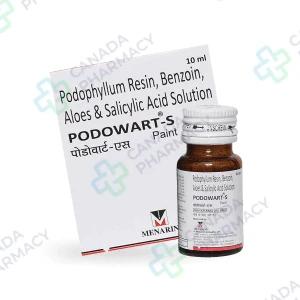
Imusporin
Price range: $ 117,00 through $ 535,00
Active substance: Cyclosporine
More Details
This product has multiple variants. The options may be chosen on the product page
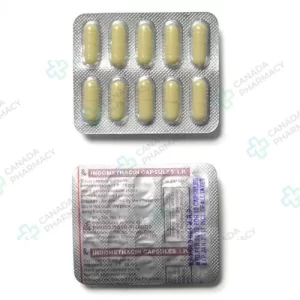
Indocin
Price range: $ 45,00 through $ 264,00
Active substance: Indomethacin
More Details
This product has multiple variants. The options may be chosen on the product page
Nurofen
Price range: $ 41,00 through $ 76,00
Active substance: ibuprofen
More Details
This product has multiple variants. The options may be chosen on the product page