

-40%
Indinavir
Price range: $ 123,00 through $ 187,00
Innopran XL
Price range: $ 57,00 through $ 328,00
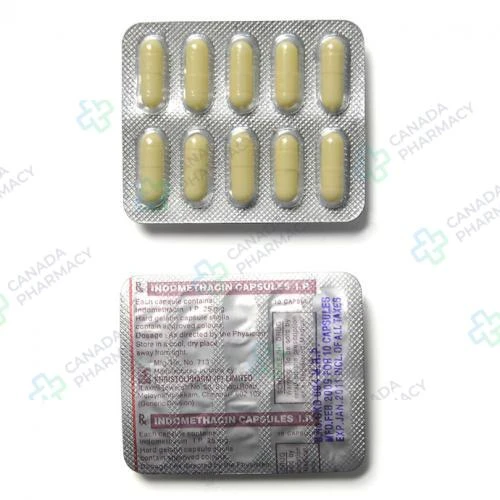
Indocin
Price range: $ 45,00 through $ 264,00
Indocin is a potent nonsteroidal anti-inflammatory drug (NSAID) designed to provide effective relief from moderate to severe pain. It works by reducing the production of natural substances in the body that cause inflammation, swelling, and discomfort. This medication is primarily used to manage symptoms of chronic inflammatory conditions such as rheumatoid arthritis, osteoarthritis, and ankylosing spondylitis. Additionally, it is highly effective in treating acute gouty arthritis and painful shoulder conditions like bursitis or tendinitis. By targeting the source of inflammation, Indocin helps improve joint mobility and enhances overall physical function for daily activities.
Active substance: Indomethacin
Delivery: 5–21 days (depending on the shipping method)
Extra 10% discount with coupon: IT4K6SVM
Each dosage option has its own packaging choices.
Description
Indocin belongs to a class of medications known as nonsteroidal anti-inflammatory drugs (NSAIDs). It is a prescription-only agent indicated primarily for the clinical management of moderate to severe forms of arthritis, acute gouty flares, and localized inflammatory shoulder conditions such as bursitis or tendinitis.
Because Indocin possesses potent anti-inflammatory, analgesic, and antipyretic properties, its clinical administration requires formal evaluation and supervision by a licensed healthcare provider. Patients prescribed this medication must strictly follow professional guidance regarding dosage, administration, and treatment duration to optimize therapeutic outcomes while minimizing potential systemic risks.
| Attribute | Details |
|---|---|
| Drug name | Indocin |
| Active ingredient (INN) | Indomethacin |
| Therapeutic class | Nonsteroidal Anti-inflammatory Drug (NSAID) |
| Dosage form | Oral capsule, oral suspension, rectal suppository |
| Route of administration | Oral, Rectal |
| Prescription status | Prescription (Rx) only |
How the drug works
The therapeutic activity of Indocin relies on its ability to inhibit the cyclooxygenase enzymes, specifically COX-1 and COX-2. Cyclooxygenase enzymes serve as critical catalysts in the metabolic pathway that converts arachidonic acid into pro-inflammatory prostaglandins, prostacyclin, and thromboxanes.
By inhibiting prostaglandin synthesis throughout peripheral tissues, Indocin reduces peripheral vascular permeability, localized tissue edema, and the sensitization of nociceptors (pain receptors). This mechanism decreases localized swelling, morning stiffness, and pain associated with acute and chronic inflammatory diseases. Additionally, Indocin exerts a central antipyretic effect by acting on the hypothalamic heat-regulating center.
Main uses
Indocin is FDA-approved for specific acute and chronic inflammatory musculoskeletal conditions. Indications for use include:
- Moderate to severe rheumatoid arthritis: Reduction of joint inflammation, tenderness, and destruction.
- Moderate to severe ankylosing spondylitis: Relief of spinal inflammation, back pain, and morning stiffness.
- Moderate to severe osteoarthritis: Management of persistent joint pain and functional impairment.
- Acute gouty arthritis: Rapid relief of intense pain, erythema, and localized heat during acute gout attacks.
- Acute painful shoulder: Treatment of acute subacromial bursitis and supraspinatus tendinitis.
Off-label clinical uses: Healthcare providers may occasionally prescribe oral or rectal indomethacin off-label for conditions such as chronic paroxysmal hemicrania, pericarditis, or heterotopic ossification prophylaxis following major orthopedic surgery. Any off-label application must be strictly guided by a qualified clinician.
Dosing schedule
The dosage of Indocin must be individualized according to the specific clinical condition, disease severity, and patient response. Prescribing protocols emphasize using the lowest effective dose for the shortest possible duration consistent with individual patient treatment goals.
For chronic arthritic conditions (rheumatoid arthritis, osteoarthritis, ankylosing spondylitis), initial oral doses typically range from 25 mg taken two or three times daily with meals or milk. If tolerated, the daily dose may be incrementally increased based on medical assessment. For acute gouty arthritis, a higher initial dose (such as 50 mg three times daily) may be prescribed until symptoms subside, after which the dosage is rapidly tapered and discontinued.
To reduce direct gastrointestinal mucosal irritation, oral formulations should always be ingested immediately after meals, with food, or alongside an antacid as recommended by the prescriber. Rectal suppositories (50 mg) offer an alternative route when oral administration is contraindicated or impractical due to upper gastrointestinal intolerance.
How it’s absorbed and eliminated
Following oral administration, Indocin is rapidly and almost completely absorbed from the gastrointestinal tract, achieving a systemic bioavailability of approximately 100%. Peak plasma concentrations are reached within 1 to 2 hours in fasting conditions, though co-administration with food may slightly delay absorption without significantly diminishing overall bioavailability.
Indocin is extensively bound to human plasma proteins (approximately 99%). It undergoes substantial hepatic metabolism via demethylation and deacylation reactions mediated primarily by cytochrome P450 enzymes (including CYP2C9). The parent compound and its inactive metabolites undergo glucuronide conjugation before excretion.
Elimination occurs through dual renal and biliary pathways. Approximately 60% of an administered dose is excreted in the urine, predominantly as glucuronides, while roughly 33% is eliminated in feces via biliary excretion. The average plasma elimination half-life of Indocin is approximately 4.5 hours.
First days of treatment
Patients initiating Indocin therapy for acute inflammatory conditions (such as acute gout or bursitis) typically observe initial symptomatic relief within 2 to 4 hours following administration. Maximum therapeutic pain relief during an acute gout flare is often achieved within 24 to 48 hours.
Conversely, for chronic conditions such as rheumatoid arthritis or ankylosing spondylitis, full anti-inflammatory benefits may require up to 7 to 14 days of consistent daily dosing. During the initial days of treatment, patients should monitor for early central nervous system effects, such as mild persistent headache or lightheadedness, which are relatively common with indomethacin compared to other NSAIDs.
Compatibility with other medicines
Indocin exhibits clinically significant interactions with multiple drug classes. Co-administration requires careful evaluation and ongoing medical oversight:
- Anticoagulants and Antiplatelets (e.g., Warfarin, Aspirin): Concomitant use significantly elevates the risk of serious upper gastrointestinal mucosal ulceration and active bleeding.
- Antihypertensive Agents (ACE inhibitors, ARBs, Beta-blockers): Indocin may blunt the blood pressure-lowering efficacy of these agents through prostaglandin inhibition in the kidneys.
- Diuretics (Furosemide, Triamterene): Reduced natriuretic and antihypertensive efficacy; co-administration with triamterene has been associated with acute renal failure.
- Lithium: Indocin decreases renal lithium clearance, potentially leading to toxic plasma lithium levels.
- Methotrexate: NSAIDs can reduce the renal elimination of methotrexate, increasing the likelihood of severe methotrexate toxicity.
Adverse reactions
Adverse events associated with Indocin therapy can range from mild, self-limiting symptoms to severe systemic complications. Neurological side effects, particularly persistent frontal headache, occur more frequently with indomethacin than with most other conventional NSAIDs.
Common Side Effects
- Headache (occurring in up to 10% or more of patients)
- Dizziness or lightheadedness
- Nausea, dyspepsia, and heart burn
- Abdominal discomfort or cramps
- Constipation or diarrhea
Serious Adverse Effects
- Gastrointestinal mucosal ulceration, occult bleeding, or bowel perforation
- Cardiovascular thrombotic events, including myocardial infarction and stroke
- Renal papillary necrosis, acute kidney injury, and fluid retention
- Severe hepatic toxicity (elevated transaminases, jaundice)
- Hypersensitivity reactions, including anaphylaxis and severe cutaneous reactions (e.g., Stevens-Johnson syndrome)
Important precautions
Indocin carries FDA Boxed Warnings common to the NSAID class regarding serious cardiovascular and gastrointestinal risks. It is strictly contraindicated for the treatment of peri-operative pain in the setting of coronary artery bypass graft (CABG) surgery.
Cardiovascular Risk: NSAIDs cause an increased risk of serious cardiovascular thrombotic events, myocardial infarction, and stroke, which can be fatal. This risk may occur early in treatment and may increase with duration of use.
Gastrointestinal Risk: NSAIDs cause an increased risk of serious gastrointestinal adverse events including bleeding, ulceration, and perforation of the stomach or intestines, which can be fatal. Elderly patients are at greater risk for serious gastrointestinal events.
Special Populations:
- Pregnancy: Use of Indocin at 20 weeks gestation or later in pregnancy is not recommended due to risks of fetal renal dysfunction leading to oligohydramnios and premature closure of the fetal ductus arteriosus.
- Pediatric Use: Safety and effectiveness in pediatric patients aged 14 and under have not been established, except where specific pediatric formulations are clinically designated for severe refractory disease under strict specialist care.
- Geriatric Use: Elderly individuals exhibit heightened susceptibility to NSAID-induced adverse effects, particularly renal insufficiency, peptic ulcer disease, and cognitive confusion. Dose selection should be cautious, starting at the low end of the dosing range.
Signs of improvement
Therapeutic effectiveness is measured through both subjective pain reduction and objective clinical markers. Patients experiencing positive treatment responses typically report:
- Decreased joint swelling, erythema, and localized warmth
- Reduction in severe, throbbing pain during acute gout flares
- Improved joint flexibility and decreased morning stiffness duration
- Greater functional mobility during daily physical activities
If you skip a dose
If a scheduled dose of Indocin is missed, it should be taken as soon as it is remembered. However, if it is almost time for the next scheduled dose, the missed dose should be skipped entirely, and the regular dosing schedule resumed.
Patients should never administer a double dose or take extra medication to make up for a missed dose. Doing so increases the concentration of active drug in the body, elevating the risk of severe gastrointestinal or renal complications.
Storage and expiration
Indocin formulations should be stored at controlled room temperature between 20°C and 25°C (68°F to 77°F), with permitted excursions between 15°C and 30°C (59°F to 86°F). Protect the product from excessive heat, light, and ambient moisture. Keep the medication in a tightly closed container out of the reach of children and domestic pets.
Do not use Indocin past the expiration date printed on the original packaging. Unused or expired medication should be disposed of according to local pharmaceutical disposal guidelines or community take-back programs, rather than flushed down household drains.
Common questions
Can Indocin be taken on an empty stomach?
No, Indocin should not be taken on an empty stomach. Because indomethacin can irritate the gastric mucosa, oral forms should always be ingested with food, milk, or immediately following a meal. Your doctor may also recommend taking an antacid concurrently to reduce upper gastrointestinal distress.
Is headache a normal side effect when starting Indocin?
Frontal headache is a well-documented side effect of Indocin, occurring in a significant percentage of patients compared to other NSAIDs. While often mild or transient, severe or persistent headaches should be reported to a prescribing physician, as a reduction in dosage or transition to an alternative anti-inflammatory agent may be necessary.
How does Indocin compare to over-the-counter pain relievers like ibuprofen?
Indocin contains indomethacin, a potent prescription NSAID generally reserved for severe or acute inflammatory conditions that fail to respond to over-the-counter NSAIDs like ibuprofen or naproxen. Indocin carries a distinct pharmacokinetic profile and higher incidence of central nervous system and gastrointestinal side effects, requiring formal medical supervision.
What should I do if I notice dark or tarry stools while taking Indocin?
Black, dark, or tarry stools can indicate internal gastrointestinal bleeding caused by mucosal ulceration. If you observe this symptom, or experience severe abdominal pain, vomiting blood, or coffee-ground-like emesis, stop taking Indocin immediately and seek emergency medical evaluation.
Why is Indocin restricted during the later stages of pregnancy?
Indocin is restricted starting at 20 weeks of pregnancy because NSAIDs can cause premature closure of the fetal ductus arteriosus (a vital fetal blood vessel) and fetal renal dysfunction. Fetal renal impairment can result in reduced amniotic fluid volume (oligohydramnios), posing serious developmental and cardiovascular risks to the fetus.
In accordance with FDA requirements.
This text is for informational purposes only and does not constitute individual medical advice.
Additional information
| Dosage |
25mg ,50mg ,75mg |
|---|---|
| Package |
60 pills ,90 pills ,120 pills ,180 pills ,270 pills ,360 pills |
| Ενεργός Ουσία |
Related products
Arcoxia
Price range: $ 42,00 through $ 271,00
Active substance: etoricoxib
More Details
This product has multiple variants. The options may be chosen on the product page
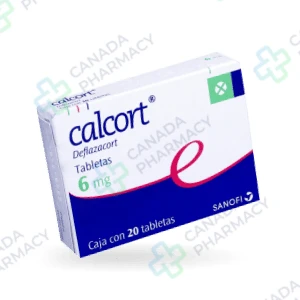
Calcort
Price range: $ 54,00 through $ 430,00
Active substance: Deflazacort
More Details
This product has multiple variants. The options may be chosen on the product page
Diclofenac SR
Price range: $ 33,00 through $ 206,00
Active substance: diclofenac
More Details
This product has multiple variants. The options may be chosen on the product page
Etodolac
Price range: $ 46,00 through $ 390,00
Active substance: Etodolac
More Details
This product has multiple variants. The options may be chosen on the product page
Hsquin
Price range: $ 43,00 through $ 75,00
Active substance: Hydroxychloroquine
More Details
This product has multiple variants. The options may be chosen on the product page
Imusporin
Price range: $ 117,00 through $ 535,00
Active substance: Cyclosporine
More Details
This product has multiple variants. The options may be chosen on the product page
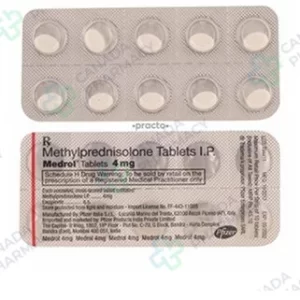
Medrol
Price range: $ 49,00 through $ 497,00
Active substance: Medrol
More Details
This product has multiple variants. The options may be chosen on the product page
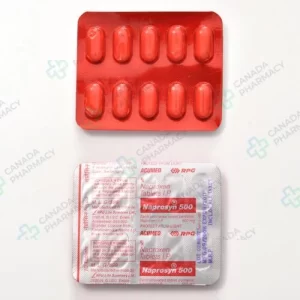
Naprosyn
Price range: $ 56,00 through $ 260,00
Active substance: naproxen
More Details
This product has multiple variants. The options may be chosen on the product page