

-8%
Hoodia
Price range: $ 80,00 through $ 294,00
Hucog HP
Price range: $ 70,00 through $ 550,00
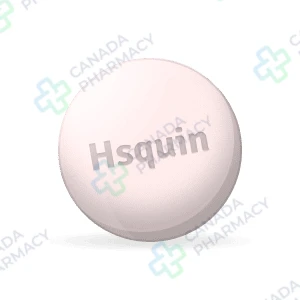
Hsquin
Price range: $ 43,00 through $ 75,00
Hsquin is an effective medication primarily used to manage chronic autoimmune conditions and prevent specific parasitic infections. It is widely recognized for its role in the prevention and treatment of malaria for individuals traveling to or living in high-risk areas. For patients diagnosed with rheumatoid arthritis, this treatment helps reduce joint swelling and alleviate persistent stiffness. Hsquin is also a standard therapeutic option for managing systemic lupus erythematosus, helping to control skin rashes and overall inflammation. By addressing these symptoms, the medication supports better mobility and daily comfort for those managing long-term health challenges.
Active substance: Hydroxychloroquine
Delivery: 5–21 days (depending on the shipping method)
Extra 10% discount with coupon: IT4K6SVM
Each dosage option has its own packaging choices.
Description
Hsquin belongs to a class of medications known as disease-modifying antirheumatic drugs (DMARDs) and antimalarials. It contains hydroxychloroquine sulfate as its active ingredient and is prescribed under medical supervision for managing chronic autoimmune conditions as well as preventing and treating specific parasitic infections. The medication requires careful clinical evaluation to determine appropriate usage based on individual patient health profiles.
As a prescription-only pharmaceutical in the United States, Hsquin is dispensed in accordance with applicable federal and state regulations. While it offers established clinical benefits for conditions such as systemic lupus erythematosus and rheumatoid arthritis, safe administration depends on adhering to prescribed dosage schedules and maintaining routine medical monitoring.
| Property | Details |
|---|---|
| Drug name | Hsquin |
| Active ingredient | Hydroxychloroquine sulfate |
| Therapeutic class | Antimalarial / Disease-modifying antirheumatic drug (DMARD) |
| Dosage form | Oral tablet |
| Route of administration | Oral |
| Prescription status | Prescription (Rx) only |
Clinical Overview and Pharmacological Profile
Main Uses and Mechanism of Action
How the drug works: Hsquin acts through multiple cellular pathways that vary depending on the disease being treated. In autoimmune conditions such as rheumatoid arthritis and systemic lupus erythematosus, the precise therapeutic mechanism is complex; it is believed to increase intracellular pH within endosomes and lysosomes, interfering with antigen processing and reducing immune complex-mediated inflammatory responses. In malarial infections caused by susceptible Plasmodium species, the active substance concentrates within the parasite’s digestive vacuoles, preventing the conversion of toxic heme into non-toxic hemozoin. The resulting accumulation of toxic heme leads to the destruction of the parasite.
Main uses: Hsquin is FDA-approved for the treatment of systemic lupus erythematosus, chronic discoid lupus erythematosus, and acute or maintenance therapy of active rheumatoid arthritis in adults. Additionally, it is indicated for the prophylaxis and treatment of uncomplicated malaria caused by Plasmodium falciparum, Plasmodium vivax, Plasmodium malariae, and Plasmodium ovale in geographical areas where chloroquine resistance has not been documented. Any use outside of these official FDA-approved indications–such as for Sjogren’s syndrome or unapproved dermatological protocols–represents an off-label use and must be evaluated on an individual basis by a qualified prescriber.
Dosing, Administration, and Pharmacokinetics
Dosing schedule: Dosages of Hsquin must be individualized by a healthcare professional based on body weight, renal clearance, and the specific underlying medical condition. For adult systemic lupus erythematosus or rheumatoid arthritis, daily dosages typically range from 200 mg to 400 mg daily, administered either as a single dose or divided into two daily doses. In pediatric patients, dosage calculations strictly depend on lean body weight to avoid accidental toxicity. Patients are instructed to take tablets with food or a glass of milk to minimize potential gastrointestinal discomfort. Splitting or crushing tablets should be done only if specifically advised by a physician.
What happens in the body: Following oral administration, hydroxychloroquine sulfate is rapidly and extensively absorbed from the gastrointestinal tract, reaching peak plasma concentrations within 2 to 4 hours. The drug exhibits wide tissue distribution, binding extensively to blood elements and accumulating in organs such as the liver, lungs, kidneys, and melanin-containing structures like the eyes. It is partially metabolized in the liver to active metabolites, including desethylhydroxychloroquine. A key pharmacokinetic feature of Hsquin is its prolonged terminal elimination half-life, which spans approximately 40 to 50 days due to slow release from tissue sites. Excretion occurs primarily through the kidneys over an extended timeframe.
What you may notice early on: Patients starting Hsquin for autoimmune diseases should understand that therapeutic effects do not occur immediately. While blood concentrations build up quickly, noticeable clinical improvements in joint swelling, stiffness, or skin lesions typically require 4 to 12 weeks of continuous therapy. During the initial weeks, patients may experience mild, transient side effects like mild stomach upset, which usually subside as the body adapts to the medication.
Safety Guidelines, Precautions, and FAQs
Adverse Effects, Interactions, and Red Flags
Adverse reactions: While Hsquin is well-tolerated by many patients, adverse reactions can occur. Commonly observed effects include gastrointestinal symptoms such as nausea, abdominal cramps, diarrhea, and decreased appetite. Neurological reactions can include mild headache, dizziness, or tinnitus. Cutaneous reactions may involve skin rashes, pruritus, or changes in skin and hair pigmentation. Long-term administration carries a risk of rare but serious toxicities, including irreversible retinal damage, cardiomyopathy, skeletal muscle weakness, and bone marrow suppression.
Compatibility with other medicines: Hsquin can interact with several co-administered pharmaceutical agents, requiring dose adjustments or careful clinical monitoring:
- QTc-prolonging drugs: Concomitant use with antiarrhythmics (such as amiodarone), macrolide antibiotics, or certain antipsychotics increases the risk of cardiac arrhythmias.
- Digoxin: Hsquin may elevate serum digoxin levels, increasing the risk of digoxin toxicity.
- Antacids: Antacids containing aluminum or magnesium reduce the oral absorption of Hsquin; administration should be separated by at least 2 hours.
- Antidiabetic agents: Hsquin can enhance insulin sensitivity and lower blood glucose, necessitating close monitoring of blood sugar levels when taken with insulin or oral hypoglycemics.
Important precautions: Retinal toxicity is a recognized long-term risk of hydroxychloroquine therapy. Baseline ophthalmologic examinations–including visual field testing and spectral-domain optical coherence tomography (SD-OCT)–are recommended within the first few months of initiating therapy, followed by annual screenings after 5 years of treatment (or sooner in patients with risk factors such as renal impairment or high daily dosing). In elderly patients or those with pre-existing renal disease, periodic kidney function tests are recommended. Use during pregnancy or breastfeeding requires careful clinical consultation, balancing maternal disease control against potential fetal risks.
What to avoid while taking it: Taking Hsquin alongside heavy alcohol consumption is discouraged, as alcohol may exacerbate gastrointestinal irritation and place additional stress on liver metabolic function. Patients should also avoid sunlamps and excessive sunlight exposure if they develop dermatological sensitivity or pigmentary changes during treatment.
Red flags: Patients must seek emergency medical care immediately if any of the following serious symptoms occur during treatment:
- Swelling of the face, lips, tongue, or throat, or sudden difficulty breathing or swallowing
- Sudden visual disturbances, blurred vision, missing spots in the visual field, or light flashes
- Chest pain, severe lightheadedness, faintness, or irregular heartbeat (palpitations)
- Unexplained muscle weakness, loss of coordination, or difficulty walking
- Severe cutaneous reactions, including blistering, skin peeling, or fever accompanied by widespread rash
Storage and expiration: Store Hsquin at controlled room temperature between 68°F and 77°F (20°C to 25°C), away from excess heat, light, and moisture. Keep the container tightly closed and out of reach of children and pets. Do not use medication past its printed expiration date, and dispose of unused portions through local pharmacy take-back programs.
Common Questions
Can I drive or operate machinery while taking Hsquin?
Hsquin can occasionally cause visual disturbances, accommodation difficulties, or lightheadedness. If you experience blurred vision, altered color perception, or dizziness, refrain from driving, operating machinery, or performing dangerous tasks until symptoms resolve and your physician evaluates your vision.
What should I do if I miss a dose of Hsquin?
If you forget to take a dose, take it as soon as you remember on the same day. If it is almost time for your next scheduled dose, skip the missed dose and resume your standard daily schedule. Never take two doses at the same time to compensate for a missed tablet.
Why are specialized eye exams required during long-term treatment?
Long-term accumulation of hydroxychloroquine in retinal tissues can cause irreversible maculopathy. Early retinal changes are often asymptomatic and can only be detected through specialized ophthalmological testing. Early detection allows physicians to modify treatment before permanent vision loss occurs.
Can Hsquin be stopped suddenly if symptoms disappear?
You should not stop taking Hsquin without consulting your prescribing healthcare provider. Abrupt discontinuation in conditions like lupus or rheumatoid arthritis can cause a resurgence or worsening of inflammatory symptoms. Any modification to your dose should be guided by clinical assessment.
How does Hsquin affect patients with diabetes?
Hsquin may lower blood glucose levels by enhancing insulin sensitivity. If you have diabetes and take insulin or oral hypoglycemic agents, monitor your blood glucose closely when starting or changing your dosage of Hsquin, as your healthcare provider may need to adjust your antidiabetic regimen.
This text is for informational purposes only and does not constitute individual medical advice. In accordance with FDA requirements.
Additional information
| Dosage |
200 mg ,300 mg ,400 mg |
|---|---|
| Package |
60 pills ,90 pills |
| Ενεργός Ουσία |
Related products
Arava
Price range: $ 56,00 through $ 595,00
Active substance: Leflunomide
More Details
This product has multiple variants. The options may be chosen on the product page
Cartidin
Price range: $ 65,00 through $ 278,00
Active substance: Diacerein
More Details
This product has multiple variants. The options may be chosen on the product page
Deltasone
Price range: $ 47,00 through $ 296,00
Active substance: Prednisone
More Details
This product has multiple variants. The options may be chosen on the product page
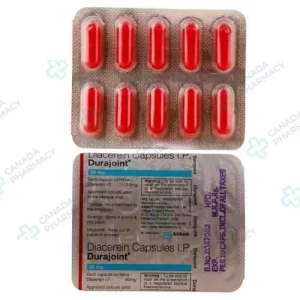
Diacerein
Price range: $ 50,00 through $ 165,00
Active substance: Diacerein
More Details
This product has multiple variants. The options may be chosen on the product page
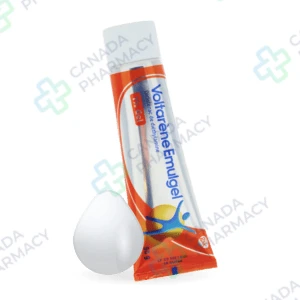
Emulgel
Price range: $ 51,00 through $ 323,00
Active substance: diclofenac
More Details
This product has multiple variants. The options may be chosen on the product page
Hydroxychloroquine
Price range: $ 50,00 through $ 1 450,00
Active substance: Hydroxychloroquine
More Details
This product has multiple variants. The options may be chosen on the product page
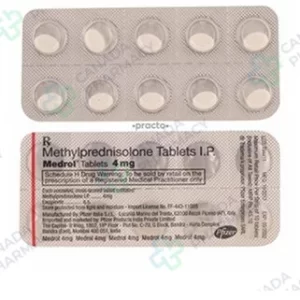
Medrol
Price range: $ 49,00 through $ 497,00
Active substance: Medrol
More Details
This product has multiple variants. The options may be chosen on the product page
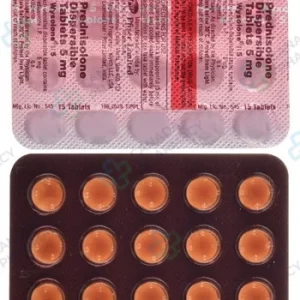
Prednisolone
Price range: $ 40,00 through $ 210,00
Active substance: prednisolone
More Details
This product has multiple variants. The options may be chosen on the product page