

-53%
Medrol
Price range: $ 49,00 through $ 497,00
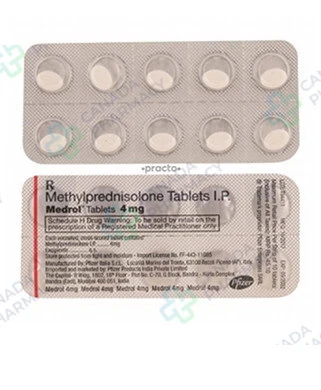
Medrol is a potent corticosteroid containing methylprednisolone that effectively manages a wide range of inflammatory conditions. It works by suppressing the body’s immune response to reduce symptoms like swelling, redness, and allergic-type reactions. This medication is commonly used to treat various disorders, including severe arthritis, lupus, and psoriasis. Additionally, it is an effective option for managing endocrine issues, ulcerative colitis, and chronic respiratory conditions. By targeting inflammation at its source, Medrol provides significant relief for patients dealing with complex autoimmune and systemic diseases.
Active substance: Medrol
Delivery: 5–21 days (depending on the shipping method)
Extra 10% discount with coupon: IT4K6SVM
Each dosage option has its own packaging choices.
Description
Medrol belongs to the class of synthetic systemic corticosteroids, specifically systemic glucocorticoid agents, designed to suppress active inflammatory cascades and alter immune system responses. The active substance, methylprednisolone, acts on intracellular nuclear receptors to modify protein synthesis and inhibit pro-inflammatory pathways throughout the body.
As a prescription-only medication evaluated and approved by the U.S. Food and Drug Administration (FDA), Medrol is administered exclusively under the direct guidance of a licensed healthcare provider. Proper administration requires strict adherence to prescribed dosing schedules to achieve optimal therapeutic efficacy while minimizing the risk of hypothalamic-pituitary-adrenal axis suppression.
| Parameter | Specification |
|---|---|
| Drug name | Medrol |
| Active ingredient | Methylprednisolone |
| Therapeutic class | Glucocorticoid / Anti-inflammatory agent |
| Dosage form | Oral tablet (2 mg, 4 mg, 8 mg, 16 mg, 32 mg) |
| Route of administration | Oral |
| Prescription status | Prescription (Rx) only |
| Primary purpose | Control of severe inflammatory conditions and autoimmune disorders |
Clinical Efficacy and Pharmacological Profile
How the drug works
Medrol exerts its anti-inflammatory and immunosuppressive actions by crossing cell membranes and binding with high affinity to specific cytosolic glucocorticoid receptors. The resulting ligand-receptor complex translocates into the cell nucleus, where it binds to glucocorticoid response elements (GRE) on DNA. This process modulates gene transcription, inhibiting the expression of pro-inflammatory cytokines such as interleukin-1 (IL-1), interleukin-2 (IL-2), and tumor necrosis factor-alpha (TNF-alpha).
Additionally, methylprednisolone inhibits the activation of phospholipase A2 via the induction of lipocortin proteins. This blockade reduces the production of arachidonic acid metabolites, including prostaglandins and leukotrienes. Cell-mediated immunological responses are suppressed through decreased T-lymphocyte proliferation, reduced monocyte migration, and stabilization of lysosomal membranes, preventing the tissue-destructive release of proteolytic enzymes.
How it’s absorbed and eliminated
Following oral administration, methylprednisolone is rapidly and efficiently absorbed from the gastrointestinal tract. The absolute bioavailability of oral methylprednisolone typically ranges between 80% and 90%. Peak plasma concentrations are generally achieved within 1 to 2 hours after ingestion. The drug is widely distributed throughout body tissues and crosses both the blood-brain barrier and the placenta.
Plasma protein binding of methylprednisolone is moderate, primarily binding to albumin and transcortin (corticosteroid-binding globulin) at approximately 77%. The plasma elimination half-life of methylprednisolone ranges from 1.8 to 5.2 hours. However, its tissue biological half-life is significantly longer, ranging from 18 to 36 hours, allowing for once-daily or alternate-day dosing schedules. Biotransformation occurs extensively in the liver via the cytochrome P450 3A4 (CYP3A4) enzyme system. Inactive metabolites are excreted predominantly by the kidneys through urine.
Main uses
Medrol is indicated for the treatment of diverse pathologies requiring systemic corticosteroid therapy. Approved clinical indications include:
- Endocrine disorders: Primary or secondary adrenocortical insufficiency (in conjunction with mineralocorticoids where applicable), acute adrenocortical insufficiency, and congenital adrenal hyperplasia.
- Rheumatic disorders: Short-term adjunctive therapy in psoriatic arthritis, rheumatoid arthritis, ankylosing spondylitis, acute gouty arthritis, and osteoarthritis.
- Collagen diseases: Exacerbations or maintenance therapy in systemic lupus erythematosus and acute rheumatic carditis.
- Dermatologic diseases: Severe cases of pemphigus, severe erythema multiforme (Stevens-Johnson syndrome), exfoliative dermatitis, and severe psoriasis.
- Allergic states: Control of severe or incapacitating allergic conditions refractory to adequate trials of conventional treatment, including bronchial asthma, contact dermatitis, atopic dermatitis, and drug hypersensitivity reactions.
- Gastrointestinal diseases: Systemic management during critical periods of ulcerative colitis and regional enteritis (Crohn’s disease).
- Ophthalmic diseases: Severe acute and chronic allergic and inflammatory processes involving the eye and its adnexa.
Note on off-label use: In clinical practice, prescribers may utilize methylprednisolone off-label for specific emergency protocols, such as acute spinal cord injury or refractory respiratory distress syndrome. Off-label use must be evaluated individually by a qualified physician based on contemporary clinical evidence.
Dosing schedule
The initial dosage of Medrol varies depending on the specific disease entity being treated. Dosage requirements are variable and must be individualized based on the disease under treatment and the response of the patient. Initial dosages range from 4 mg to 48 mg per day in single or divided doses.
For chronic conditions, the dosage should be reduced gradually to the lowest possible maintenance level. Alternate-Day Therapy (ADT) may be implemented for long-term administration to minimize hypothalamic-pituitary-adrenal (HPA) axis suppression. Abrupt cessation of Medrol after prolonged therapy must be strictly avoided; dosage reduction must be executed via a structured tapering schedule directed by the prescriber.
Safety Parameters and Interactions
Adverse reactions
Side effects associated with Medrol are dependent on dosage strength and duration of treatment. Short-term therapy may cause transient adverse effects, whereas long-term exposure carries a higher incidence of systemic complications.
- Fluid and electrolyte disturbances: Sodium retention, fluid accumulation, potassium loss, hypokalemic alkalosis, and elevation in blood pressure.
- Musculoskeletal effects: Muscle weakness, steroid myopathy, loss of muscle mass, osteoporosis, vertebral compression fractures, and aseptic necrosis of femoral heads.
- Gastrointestinal manifestations: Peptic ulceration with potential perforation and hemorrhage, pancreatitis, abdominal distension, and ulcerative esophagitis.
- Dermatologic changes: Impaired wound healing, thin fragile skin, petechiae, ecchymoses, and facial erythema.
- Metabolic and endocrine alterations: Development of Cushingoid state, suppression of the HPA axis, decreased carbohydrate tolerance, manifestations of latent diabetes mellitus, and growth suppression in pediatric patients.
- Neurological and psychiatric symptoms: Euphoria, insomnia, mood swings, severe depression, personality changes, and elevated intraocular pressure.
Compatibility with other medicines
Methylprednisolone is metabolized primarily by CYP3A4; concurrent administration with agents affecting this enzyme pathway can alter drug clearance:
- CYP3A4 Inhibitors: Drugs such as ketoconazole, itraconazole, clarithromycin, and erythromycin increase plasma concentrations of methylprednisolone, elevating the risk of systemic side effects.
- CYP3A4 Inducers: Co-administration with rifampin, carbamazepine, phenobarbital, or phenytoin enhances the metabolism of Medrol, reducing its therapeutic efficacy and potentially requiring dosage increases.
- Nonsteroidal Anti-inflammatory Drugs (NSAIDs): Concomitant use of aspirin or other NSAIDs increases the risk of gastrointestinal mucosal ulceration and gastrointestinal bleeding.
- Anticoagulants: Co-administration with oral anticoagulants (e.g., warfarin) can result in unpredictable changes in prothrombin time; frequent monitoring of coagulation parameters is required.
- Antidiabetic Agents: Corticosteroids can elevate blood glucose levels; adjustment of insulin or oral hypoglycemic dosages may be necessary.
- Live Vaccines: Administration of live or live-attenuated vaccines is contraindicated in patients receiving immunosuppressive doses of Medrol due to the risk of uncontrolled viral replication.
Important precautions
Medrol therapy requires comprehensive clinical monitoring. Systemic corticosteroids may mask some signs of infection, and new infections may appear during their use. Resistance to infection may be decreased, and localized infection may be difficult to detect. Exposure to chickenpox or measles poses severe risks to non-immune patients taking corticosteroid therapy.
Prolonged use of corticosteroids may produce posterior subcapsular cataracts, glaucoma with possible damage to the optic nerves, and may enhance the establishment of secondary ocular infections due to fungi or viruses. Patients with latent tuberculosis or tuberculin reactivity must be monitored closely due to the risk of disease reactivation.
Special Populations:
- Pregnancy: Medrol crosses the placenta. Corticosteroids should be used during pregnancy only if the potential benefit justifies the potential risk to the fetus. Infants born to mothers who received substantial doses of corticosteroids during pregnancy must be carefully observed for signs of hypoadrenalism.
- Nursing Mothers: Systemically administered corticosteroids appear in human milk and could suppress growth or interfere with endogenous corticosteroid production. Caution should be exercised when administered to a nursing woman.
- Pediatric Use: Growth and development of pediatric patients on prolonged corticosteroid therapy should be carefully monitored, as corticosteroids may suppress bone growth.
- Geriatric Use: Dose selection for elderly patients should be cautious, usually starting at the low end of the dosing range, reflecting the greater frequency of decreased hepatic, renal, or cardiac function, and of concomitant disease.
Red flags
Certain clinical signs indicate potential severe toxicities or acute complications requiring immediate emergency medical evaluation.
| Red Flag Symptom | Potential Medical Concern |
|---|---|
| Sudden severe abdominal pain with dark or bloody stools | Gastrointestinal perforation or severe upper GI ulceration |
| Signs of severe allergic reaction (anaphylaxis) | Hypersensitivity reaction to active component or excipients |
| High fever, severe chills, persistent sore throat | Severe systemic infection secondary to immunosuppression |
| Rapid unexplained weight gain and severe lower extremity edema | Acute fluid retention and severe cardiovascular stress |
| Acute vision alterations, severe eye pain | Acute intraocular pressure elevation or ocular infection |
| Severe mood shifts, psychosis, or severe confusion | Corticosteroid-induced psychiatric crisis |
Food and alcohol interactions
To reduce gastrointestinal irritation, Medrol tablets should be taken with food or immediately following meals. Consumption of grapefruit juice should be avoided during therapy, as it inhibits CYP3A4 metabolism in the intestinal wall, leading to increased plasma concentration of methylprednisolone. Concomitant intake of alcohol significantly elevates the incidence of gastric mucosal damage and upper gastrointestinal bleeding. Diets high in protein and low in sodium are frequently recommended during prolonged treatment.
If you skip a dose
If a dose of Medrol is missed, it should be taken as soon as remembered on the same day. If it is almost time for the next scheduled dose, the missed dose should be skipped, and the regular dosing schedule resumed. Under no circumstances should a patient take a double dose to compensate for a missed tablet. Patients following a pre-packaged daily tapering blister pack (e.g., Medrol Dosepak) must follow the specific instructions on the pack or consult their pharmacist.
Practical tips
When prescribed a single daily oral dose, Medrol is optimally taken in the morning before 9:00 AM. Morning administration mimics the natural diurnal peak of endogenous cortisol secretion, thereby minimizing suppression of the body’s natural adrenal function. Patients undergoing multi-week or long-term therapy should carry medical identification detailing their corticosteroid regimen to alert emergency medical personnel in urgent health scenarios.
Common Questions
Common questions
Why must Medrol be discontinued via a gradual tapering schedule rather than stopped abruptly?
Exogenous administration of Medrol suppresses endogenous cortisol production by the adrenal glands through negative feedback on the hypothalamic-pituitary-adrenal (HPA) axis. Abrupt cessation of therapy can leave the body without adequate cortisol, resulting in acute adrenal insufficiency–a serious condition characterized by hypotension, hypoglycemia, extreme fatigue, and severe vomiting. Tapering allows the adrenal glands sufficient time to resume normal hormone synthesis.
Is it common to experience sleep disturbances while taking Medrol?
Yes. Glucocorticoids exert stimulatory effects on the central nervous system, which frequently leads to insomnia, restlessness, or altered sleep patterns, particularly when doses are taken late in the day. Taking single daily doses in the morning helps align the medication’s effect with natural physiological circadian rhythms and decreases the likelihood of nocturnal sleep disruptions.
Can non-diabetic patients experience elevated blood sugar levels while taking Medrol?
Yes. Methylprednisolone stimulates gluconeogenesis in the liver and decreases peripheral glucose uptake by tissues, leading to transient steroid-induced hyperglycemia. While this effect is especially pronounced in patients with pre-existing diabetes mellitus, individuals without a history of high blood sugar may also show elevated blood glucose levels during therapy, requiring periodic glucose monitoring.
How does taking Medrol impact routine vaccination protocols?
Medrol suppresses the immune system’s response to antigens. Administration of live attenuated vaccines (such as MMR, varicella, or yellow fever) while taking immunosuppressive doses of Medrol is contraindicated because the reduced immune response can allow the vaccine virus to replicate and cause actual disease. Inactivated or recombinant vaccines may be administered, but antibody response may be diminished.
What action is required if exposure to chickenpox occurs while on Medrol?
If a non-immune patient taking Medrol is exposed to chickenpox or measles, they must contact their healthcare provider immediately. Immunosuppressive therapy renders these viral infections significantly more severe, potentially leading to fatal complications. Prophylactic treatment with Varicella Zoster Immune Globulin (VZIG) or antiviral agents may be urgently prescribed by a physician.
In accordance with FDA requirements.
This text is for informational purposes only and does not constitute individual medical advice.
Additional information
| Dosage |
4mg ,8 mg ,16mg ,32 mg |
|---|---|
| Package |
30 pills ,60 pills ,90 pills ,120 pills ,180 pills ,240 pills ,270 pills ,360 pills |
| Ενεργός Ουσία |
Related products
Arava
Price range: $ 56,00 through $ 595,00
Active substance: Leflunomide
More Details
This product has multiple variants. The options may be chosen on the product page
Benemid
Price range: $ 48,00 through $ 62,00
Active substance: Probenecidum
More Details
This product has multiple variants. The options may be chosen on the product page
Celebrex
Price range: $ 42,00 through $ 232,00
Active substance: Celecoxib
More Details
This product has multiple variants. The options may be chosen on the product page
Cobix
Price range: $ 11,00 through $ 28,00
Active substance: Celecoxib
More Details
This product has multiple variants. The options may be chosen on the product page
Diacerein
Price range: $ 50,00 through $ 165,00
Active substance: Diacerein
More Details
This product has multiple variants. The options may be chosen on the product page
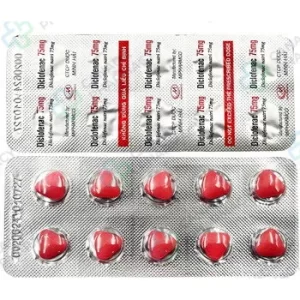
Diclofenac
Price range: $ 49,00 through $ 121,00
Active substance: diclofenac
More Details
This product has multiple variants. The options may be chosen on the product page
Naprosyn
Price range: $ 56,00 through $ 260,00
Active substance: naproxen
More Details
This product has multiple variants. The options may be chosen on the product page
Prednisolone
Price range: $ 40,00 through $ 210,00
Active substance: prednisolone
More Details
This product has multiple variants. The options may be chosen on the product page