

-34%
Aquazide
Price range: $ 18,00 through $ 30,00
Arcalion
Price range: $ 25,00 through $ 50,00
Arava
Price range: $ 56,00 through $ 595,00
Arava is a specialized medication primarily used to manage the symptoms of active rheumatoid arthritis in adult patients. As a disease-modifying antirheumatic drug (DMARD), it works by targeting the underlying inflammatory processes that contribute to joint damage. Regular use of this treatment helps to decrease joint pain, swelling, and stiffness, significantly improving overall physical function. The medication is specifically designed to slow the progression of structural damage, such as bone erosion and joint space narrowing. By effectively controlling inflammation, Arava supports better mobility and enhances the daily quality of life for those living with chronic arthritis.
Active substance: Leflunomide
Delivery: 5–21 days (depending on the shipping method)
Extra 10% discount with coupon: IT4K6SVM
Each dosage option has its own packaging choices.
Description
Arava belongs to a group of medicines called disease-modifying antirheumatic drugs (DMARDs). Prescribed under federal regulations in the United States, it helps suppress the underlying inflammatory processes in adults with active rheumatoid arthritis. Understanding its clinical benefits alongside its essential safety considerations is key to managing chronic joint conditions effectively.
As an oral prescription medication, Arava requires ongoing medical supervision, including routine monitoring of liver enzymes and blood counts. This guide details how Arava operates, proper administration practices, potential drug interactions, and crucial safety warnings for patients and caregivers.
| Parameter | Details |
|---|---|
| Drug name | Arava |
| Active ingredient | Leflunomide |
| Therapeutic class | Antirheumatic, Pyrimidine Synthesis Inhibitor |
| Route of administration | Oral |
| Prescription status | Prescription only (Rx) |
| Storage | Store at 20°C to 25°C (68°F to 77°F); protect from light and moisture |
Clinical Overview and Guidelines
What it’s used for and how the drug works
What it’s used for: Arava is indicated for the treatment of active rheumatoid arthritis in adults. Its clinical goals are to reduce signs and symptoms of the disease, inhibit structural joint damage (as evaluated by X-ray erosions and joint space narrowing), and improve overall physical function. Arava is not approved for pediatric use. Any use outside of rheumatoid arthritis, such as for psoriatic arthritis or transplant rejection prophylaxis, is considered off-label and must be evaluated on an individual basis by a qualified specialist.
How the drug works: Arava contains leflunomide, an immunomodulatory agent that acts as an isoxazole derivative. Upon administration, leflunomide rapidly transforms into its active metabolite, A77 1726. This active metabolite inhibits the enzyme dihydroorotate dehydrogenase (DHODH), which plays a pivotal role in de novo pyrimidine synthesis. Because rapidly dividing autoimmune lymphocytes depend on de novo pyrimidine synthesis to proliferate, inhibiting this enzyme dampens the autoimmune response responsible for persistent joint inflammation and cartilage breakdown.
Dosing schedule and practical tips
Dosing schedule: In adults with active rheumatoid arthritis, therapy may be initiated with an optional loading dose of 100 mg orally once daily for 3 days, followed by a maintenance dosage of 20 mg once daily. However, due to gastrointestinal sensitivity or hepatic risk factors, many prescribers omit the loading dose and begin directly with 10 mg or 20 mg once daily. If a patient experiences adverse effects or mild intolerance, the dosage may be decreased from 20 mg to 10 mg daily. Arava tablets should be swallowed whole with water and taken consistently at approximately the same time each day.
Practical tips: Maintaining a medication diary helps keep track of daily adherence and scheduled laboratory monitoring. Patients should avoid taking more or less than the prescribed dose and must never crush or split tablets. Inform all healthcare providers, including dentists and treating specialists, that you are taking an immunomodulatory DMARD.
If you skip a dose: If a scheduled dose is missed, take it as soon as remembered on that same day. If it is almost time for the next scheduled dose, skip the missed tablet and remain on your regular dosing schedule. Do not double up on doses or take extra medication to compensate for a missed tablet.
Important precautions and adverse reactions
Important precautions: Arava carries severe boxed warnings regarding hepatotoxicity and embryo-fetal toxicity. Severe, potentially fatal liver injury has been reported in patients taking leflunomide; therefore, baseline ALT (SGPT) and blood pressure testing must be performed prior to starting therapy, followed by regular monthly or bi-monthly laboratory evaluations. Arava is strictly contraindicated in pregnant women or women of childbearing potential who are not using reliable contraception. Due to the prolonged elimination half-life of its active metabolite, any patient wishing to become pregnant–or men planning to father a child–must undergo a standardized elimination procedure using oral cholestyramine or activated charcoal, followed by verified blood concentration tests below 0.02 mg/L.
Adverse reactions: Common side effects observed during Arava therapy include diarrhea, nausea, dyspepsia, elevated liver enzymes (ALT/AST), alopecia (hair thinning), rash, elevated blood pressure, and headache. Less common but severe adverse events include interstitial lung disease (marked by acute onset of cough or shortness of breath), severe peripheral neuropathy, blood dyscrasias (such as leukopenia, pancytopenia, or thrombocytopenia), severe dermatologic reactions (such as Stevens-Johnson syndrome), and serious opportunistic infections.
Red flags: Seek immediate emergency medical care if you develop signs of severe toxicity or allergic reaction. Warning signs include unexpected yellowing of the skin or eyes (jaundice), dark or tea-colored urine, severe abdominal pain, persistent nausea or vomiting, a new or worsening cough with fever and breathlessness, severe blistering skin rashes, unusual bruising or bleeding, or facial and airway swelling.
What happens in the body and compatibility
What happens in the body: Following oral intake, leflunomide is rapidly metabolized during first-pass gut wall and hepatic processing into A77 1726. Peak plasma concentrations of A77 1726 occur between 6 and 12 hours after dosing. The active metabolite is extensively bound to plasma proteins (>99.3%), predominantly albumin. Elimination is remarkably slow due to extensive enterohepatic recycling; the elimination half-life of A77 1726 averages approximately 2 weeks, ranging from 1 to 4 weeks depending on individual metabolic variability. Excretion occurs via both renal and biliary mechanisms.
Compatibility with other medicines: Co-administration of Arava with other hepatotoxic medications, such as methotrexate, substantially increases the risk of severe liver damage and requires vigilant monitoring. Concomitant administration of rifampin elevates A77 1726 levels, while administration of cholestyramine or activated charcoal rapidly decreases plasma concentrations by disrupting enterohepatic recirculation. Arava may inhibit CYP2C9 metabolic pathways, increasing plasma levels of drugs like warfarin; close INR monitoring is mandatory when initiating or discontinuing Arava in patients receiving warfarin. Live vaccines must be avoided during treatment due to the risk of infection under immunosuppression.
What to avoid while taking it: Arava may be taken with or without food. However, patients must avoid or strictly limit alcohol consumption while receiving Arava. Combining alcohol with leflunomide markedly increases the risk of serious liver damage and elevated hepatic enzyme levels.
Common Questions
How long does it take for Arava to show noticeable therapeutic effects?
Therapeutic response to Arava typically begins within 4 to 8 weeks after starting treatment. Further improvement in joint pain, swelling, and physical function may continue over 3 to 6 months. It is important to continue taking the medication consistently even if immediate changes are not apparent during the initial weeks.
Why is an active drug elimination (washout) procedure necessary after stopping Arava?
Because Arava’s active metabolite undergoes extensive enterohepatic recycling, it can remain in the bloodstream for up to two years after stopping the medication. An active washout procedure–using oral cholestyramine or activated charcoal for 11 days–accelerates clearance from the body. This procedure is critical for patients experiencing severe adverse reactions or for individuals planning a pregnancy.
Is it safe to consume alcohol while undergoing treatment with Arava?
No. Alcohol consumption should be avoided or severely restricted while taking Arava. Both alcohol and Arava are processed by the liver, and using them together significantly increases the likelihood of elevated liver enzymes and severe liver injury.
What blood tests are mandatory during Arava therapy?
Patients must undergo baseline liver function tests (ALT/AST), complete blood count (CBC), and screening for latent tuberculosis prior to starting Arava. Blood pressure must also be measured. Follow-up blood tests are required at least monthly for the first six months of treatment and every six to eight weeks thereafter, depending on clinical stability and prescriber judgment.
Can Arava be taken during pregnancy or breastfeeding?
No. Arava is strictly contraindicated during pregnancy due to severe risks of fetal harm and birth defects. Women of childbearing age must have a negative pregnancy test prior to starting therapy and use reliable contraception throughout treatment. Breastfeeding is also not recommended, as it is unknown whether the active metabolite transfers into human breast milk.
Information on this page is for reference and does not replace an assessment by a licensed healthcare professional. In accordance with FDA requirements.
Additional information
| Dosage |
10mg ,20mg |
|---|---|
| Package |
30 pills ,60 pills ,90 pills ,120 pills ,180 pills ,270 pills |
| Ενεργός Ουσία |
Related products
Colchicine
Price range: $ 57,00 through $ 193,00
Active substance: colchicine
More Details
This product has multiple variants. The options may be chosen on the product page
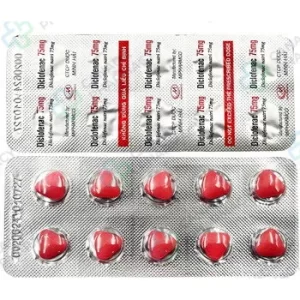
Diclofenac
Price range: $ 49,00 through $ 121,00
Active substance: diclofenac
More Details
This product has multiple variants. The options may be chosen on the product page
Diclofenac SR
Price range: $ 33,00 through $ 206,00
Active substance: diclofenac
More Details
This product has multiple variants. The options may be chosen on the product page
Hsquin
Price range: $ 43,00 through $ 75,00
Active substance: Hydroxychloroquine
More Details
This product has multiple variants. The options may be chosen on the product page
Hydroxychloroquine
Price range: $ 50,00 through $ 1 450,00
Active substance: Hydroxychloroquine
More Details
This product has multiple variants. The options may be chosen on the product page
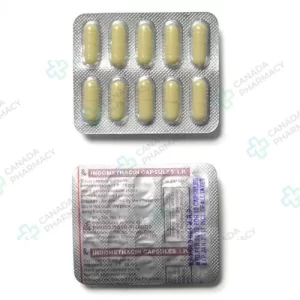
Indocin
Price range: $ 45,00 through $ 264,00
Active substance: Indomethacin
More Details
This product has multiple variants. The options may be chosen on the product page
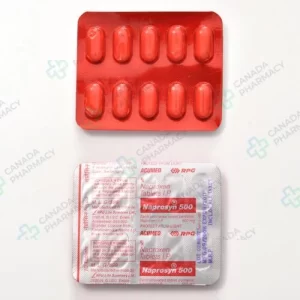
Naprosyn
Price range: $ 56,00 through $ 260,00
Active substance: naproxen
More Details
This product has multiple variants. The options may be chosen on the product page
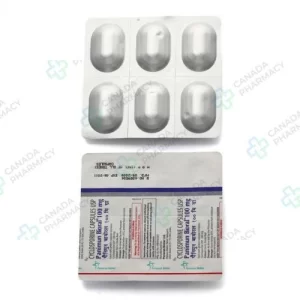
Neoral
Price range: $ 45,00 through $ 1 800,00
Active substance: Cyclosporine
More Details
This product has multiple variants. The options may be chosen on the product page