

-49%

Neem
Price range: $ 63,00 through $ 76,00
Neurobion Forte Injection
Price range: $ 24,00 through $ 43,00
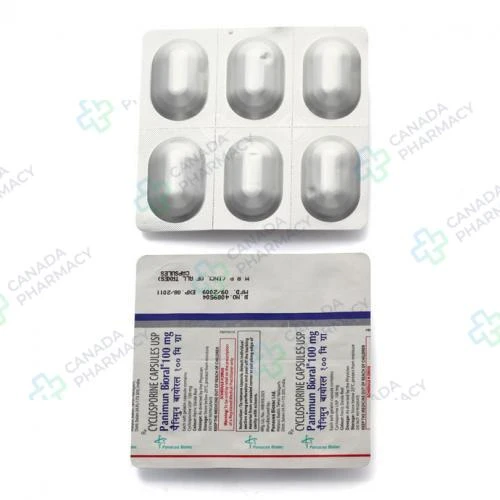
Neoral
Price range: $ 45,00 through $ 1 800,00
Neoral is a potent immunosuppressant medication designed to help manage the body’s immune response in various medical conditions. It is primarily used to prevent organ rejection in patients who have undergone kidney, liver, or heart transplants. Additionally, Neoral is an effective treatment option for adults suffering from severe, active rheumatoid arthritis. Patients with severe plaque psoriasis also utilize this medication to control symptoms when other systemic therapies have proven insufficient. The modified microemulsion delivery system ensures consistent absorption for reliable therapeutic results.
Active substance: Cyclosporine
Delivery: 5–21 days (depending on the shipping method)
Extra 10% discount with coupon: IT4K6SVM
Each dosage option has its own packaging choices.
Description
Neoral belongs to the class of immunosuppressive agents known as calcineurin inhibitors. It is an FDA-approved prescription medication indicated to prevent organ rejection in kidney, liver, and heart allogeneic transplants, as well as to treat severe active rheumatoid arthritis and recalcitrant plaque psoriasis. Neoral features a microemulsion formulation designed to provide increased bioavailability and more consistent absorption compared to non-modified cyclosporine formulations.
Because modified cyclosporine formulations are not bioequivalent to non-modified cyclosporine formulations, substitution requires strict clinical monitoring and therapeutic drug monitoring. Treatment with Neoral necessitates ongoing physician supervision to adjust individual dosages and minimize systemic risks.
| Parameter | Specification |
|---|---|
| Active ingredient (INN) | Cyclosporine (modified) |
| Therapeutic class | Immunosuppressive agent (Calcineurin inhibitor) |
| Dosage form | Oral soft gelatin capsules, oral solution |
| Route of administration | Oral |
| Prescription status | Prescription (Rx) only |
| Primary indications | Prophylaxis of organ rejection (kidney, liver, heart), severe active rheumatoid arthritis, severe recalcitrant plaque psoriasis |
Clinical Profile and Indications
What it’s used for: Neoral is explicitly indicated for the prophylaxis of organ rejection in kidney, liver, and heart allogeneic transplants. In non-transplant settings, it is prescribed for patients with severe, active rheumatoid arthritis who have failed to respond adequately to methotrexate alone. Additionally, Neoral is indicated for the treatment of severe, recalcitrant, disabling plaque psoriasis in adult patients who have not responded to at least one systemic therapy or for whom other systemic therapies are contraindicated. Use in non-transplant conditions requires baseline renal assessment and ongoing clinical monitoring.
How the drug works: The active substance in Neoral, cyclosporine, acts as a potent immunosuppressive agent. It inhibits the activation of T-lymphocytes by blocking the intracellular signaling pathways mediated by calcineurin, a calcium- and calmodulin-dependent phosphatase enzyme. By preventing calcineurin-mediated dephosphorylation of nuclear factor of activated T-cells (NFAT), cyclosporine inhibits the transcription of interleukin-2 (IL-2) and other cytokines essential for T-cell proliferation and activation. Consequently, cell-mediated immune responses, delayed-type hypersensitivity reactions, and T-cell-dependent antibody production are significantly suppressed without depressing bone marrow function.
What happens in the body: Neoral utilizes a microemulsion formulation that forms a self-emulsifying structure upon contact with gastrointestinal fluids. This modified delivery system minimizes reliance on endogenous bile acids for dissolution, resulting in improved absorption profiles and less inter-patient pharmacokinetic variability compared to conventional non-modified cyclosporine. Maximum plasma concentration (Cmax) is generally reached within 1.5 to 2 hours post-administration. Cyclosporine undergoes extensive metabolic clearance in the liver and gut wall, primarily mediated by the cytochrome P450 3A4 (CYP3A4) enzyme system and P-glycoprotein efflux pumps. Elimination occurs predominantly through biliary excretion in feces, with less than 6% excreted unchanged or as metabolites in urine.
Pharmacology and Dosing Schedule
Dosing schedule: Neoral dosing is highly individualized and must be managed by a qualified healthcare provider. For transplant recipients, oral dosing is typically initiated shortly before or after transplantation and titrated based on blood trough concentrations, target therapeutic ranges, and graft function. In rheumatoid arthritis and psoriasis, therapy starts at lower initial daily doses, divided into two equal doses taken 12 hours apart, with gradual adjustments based on efficacy and serum creatinine response. Capsules should be swallowed whole with liquid and taken on a consistent schedule relative to meals. Conversion between Neoral and non-modified cyclosporine must only occur under direct medical supervision with frequent trough level monitoring.
Missed dose: If a scheduled dose of Neoral is missed, it should be taken as soon as remembered, provided the next scheduled dose is not due shortly. If it is almost time for the next dose, the missed dose must be skipped and the regular dosing schedule resumed. Double doses should never be ingested to compensate for a missed dose. Patients should notify their healthcare provider if multiple doses are missed, as consistent blood concentrations are essential to maintain therapeutic efficacy and prevent organ rejection.
Storage and expiration: Neoral capsules and oral solution should be stored at controlled room temperature between 68°F and 77°F (20°C to 25°C), with excursions permitted between 59°F and 86°F (15°C to 30°C). Keep capsules sealed in their original blister packaging until immediately prior to use to protect against moisture and air exposure. Do not freeze or store in high-humidity areas such as bathrooms. The oral solution must be consumed within two months after opening the container. Expired or unneeded medication should be disposed of via authorized drug take-back programs according to local and federal regulations.
Safety, Monitoring, and FAQ
Adverse Reactions and Interactions
Adverse reactions: The side effect profile of Neoral is dose-dependent and requires routine laboratory surveillance. Common adverse reactions include renal dysfunction, hypertension, tremor, hirsutism, gum hyperplasia, headache, hyperlipidemia, and gastrointestinal disturbances such as nausea, diarrhea, and abdominal discomfort. Electrolyte imbalances, notably hyperkalemia and hypomagnesemia, may also develop. Serious adverse effects include nephrotoxicity, hepatotoxicity, systemic infections due to immunosuppression, and increased risk of malignancies, particularly lymphomas and non-melanoma skin cancers. Dose adjustments or temporary discontinuation may be required if renal function declines or severe hypertension occurs.
Compatibility with other medicines: Neoral interacts extensively with medications that affect hepatic CYP3A4 enzymes or P-glycoprotein transport. Strong CYP3A4 inhibitors (such as ketoconazole, erythromycin, diltiazem, and verapamil) increase cyclosporine plasma levels, escalating toxicity risks. Conversely, CYP3A4 inducers (such as rifampin, carbamazepine, phenobarbital, and St. John’s wort) decrease cyclosporine levels, potentially leading to subtherapeutic exposure and transplant rejection. Concomitant use with other nephrotoxic agents (including NSAIDs, aminoglycosides, and amphotericin B) increases additive nephrotoxicity risk. Potassium-sparing diuretics or potassium supplements may exacerbate hyperkalemia when combined with Neoral.
What to avoid while taking it: Grapefruit and grapefruit juice must be strictly avoided during Neoral therapy because compounds in grapefruit inhibit intestinal CYP3A4 metabolism, leading to elevated cyclosporine blood levels and severe toxicities. Dietary consistency is recommended, as taking Neoral with high-fat meals can alter absorption dynamics. Alcohol consumption should be limited or avoided, as alcohol can interact with immunosuppressive therapy and increase hepatic strain. Always consult a healthcare provider regarding specific dietary adjustments.
Precautions and Special Populations
Important precautions: Neoral carries major clinical warnings regarding renal function impairment, blood pressure elevation, and increased susceptibility to opportunistic infections and malignancies. Regular monitoring of serum creatinine, blood urea nitrogen, blood pressure, lipid profiles, and trough blood cyclosporine concentrations is required. In pregnant women, Neoral should be used only if the potential benefit justifies the potential risk to the fetus, as cyclosporine crosses the placenta; it requires careful prescriber evaluation. Breastfeeding is generally not recommended because cyclosporine passes into breast milk. Elderly patients require careful dosage selection due to higher rates of decreased hepatic, renal, or cardiac function. Pediatric use for non-transplant indications is not established without specialized evaluation.
Red flags: Immediate medical attention is necessary if signs of serious complications occur. Contact emergency services or a physician right away if experiencing symptoms of severe infection (such as sudden high fever, persistent sore throat, or chills), marked decrease in urine output or dark urine, swelling of the legs or face, severe chest pain, unexpected shortness of breath, unusual bleeding or bruising, yellowing of the skin or eyes (jaundice), or symptoms of severe allergic reaction including facial swelling or difficulty swallowing.
Common Questions
Why is regular blood testing required while taking Neoral?
Therapeutic drug monitoring is essential because cyclosporine has a narrow therapeutic index. Regular blood tests ensure that trough blood concentrations remain within the target range required to prevent organ rejection or control autoimmune symptoms while minimizing the risk of nephrotoxicity and other serious adverse events.
Can Neoral be taken with grapefruit juice?
No, grapefruit and grapefruit juice must be strictly avoided. Grapefruit inhibits the CYP3A4 enzymes in the intestine, which slows down the breakdown of cyclosporine and causes drug levels in the blood to rise unpredictably, increasing the risk of toxicity.
What should I do if my blood pressure increases after starting Neoral?
Hypertension is a known adverse effect of cyclosporine therapy. If your blood pressure rises, contact your prescribing provider. Your physician may initiate or adjust antihypertensive medication (such as calcium channel blockers) or modify your Neoral regimen; do not alter your dose independently.
Is it possible to switch between generic cyclosporine capsules and Neoral?
Formulations of cyclosporine are not automatically interchangeable because modified (microemulsion) and non-modified formulations have different bioavailabilities. Any product brand or generic switch must be explicitly authorized by your prescriber and accompanied by blood level monitoring.
How does Neoral affect the risk of skin cancer, and what precautions are needed?
Immunosuppressive therapy with Neoral increases the risk of developing skin malignancies. Patients should minimize exposure to sunlight and ultraviolet (UV) light, wear protective clothing, use broad-spectrum sunscreen daily, and undergo periodic dermatologic examinations.
In accordance with FDA requirements. This text is for informational purposes only and does not constitute individual medical advice.
Additional information
| Dosage |
25mg ,100mg |
|---|---|
| Package |
10 pills ,20 pills ,30 pills ,60 pills ,90 pills ,120 pills ,180 pills ,270 pills ,360 pills |
| Ενεργός Ουσία |
Related products
Calcort
Price range: $ 54,00 through $ 430,00
Active substance: Deflazacort
More Details
This product has multiple variants. The options may be chosen on the product page
Deltasone
Price range: $ 47,00 through $ 296,00
Active substance: Prednisone
More Details
This product has multiple variants. The options may be chosen on the product page
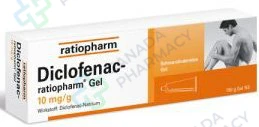
Diclofenac Gel
Price range: $ 39,00 through $ 73,00
Active substance: diclofenac
More Details
This product has multiple variants. The options may be chosen on the product page
Diclofenac SR
Price range: $ 33,00 through $ 206,00
Active substance: diclofenac
More Details
This product has multiple variants. The options may be chosen on the product page
Hsquin
Price range: $ 43,00 through $ 75,00
Active substance: Hydroxychloroquine
More Details
This product has multiple variants. The options may be chosen on the product page
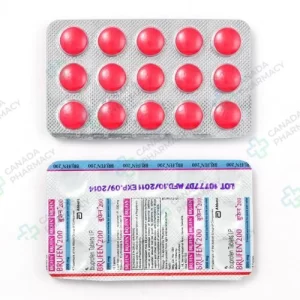
Motrin
Price range: $ 9,00 through $ 278,00
Active substance: ibuprofen
More Details
This product has multiple variants. The options may be chosen on the product page
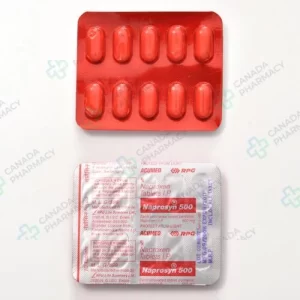
Naprosyn
Price range: $ 56,00 through $ 260,00
Active substance: naproxen
More Details
This product has multiple variants. The options may be chosen on the product page
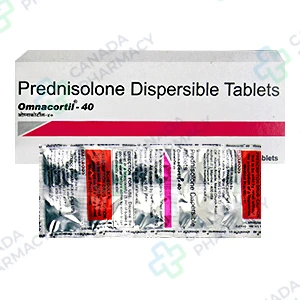
Omnacortil
Price range: $ 51,00 through $ 210,00
Active substance: prednisolone
More Details
This product has multiple variants. The options may be chosen on the product page