

-65%
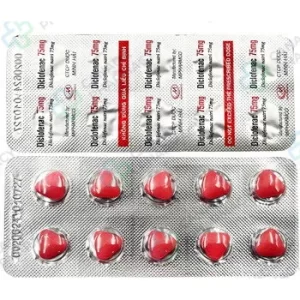
Diclofenac
Price range: $ 49,00 through $ 121,00

Diclofenac SR
Price range: $ 33,00 through $ 206,00
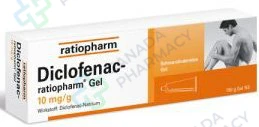
Diclofenac Gel
Price range: $ 39,00 through $ 73,00
Diclofenac Gel is a potent topical nonsteroidal anti-inflammatory drug (NSAID) designed to provide targeted relief from localized pain and inflammation. The fast-acting formula penetrates deep through the skin to reduce swelling directly at the source of discomfort. It is highly effective for managing symptoms of osteoarthritis in joints such as the knees, hands, and ankles. This gel also helps alleviate acute pain resulting from minor muscle strains, sprains, and sports-related injuries. Regular application helps restore mobility and comfort, allowing you to return to your daily activities with ease.
Active substance: diclofenac
Delivery: 5–21 days (depending on the shipping method)
Extra 10% discount with coupon: IT4K6SVM
Each dosage option has its own packaging choices.
Description
Diclofenac Gel belongs to a group of medicines called nonsteroidal anti-inflammatory drugs (NSAIDs). Applied topically to the skin, it provides localized anti-inflammatory and analgesic relief for targeted pain conditions. Depending on the concentration and formulation approved by the Food and Drug Administration (FDA), diclofenac gel is available either over-the-counter for arthritis joint pain or by prescription for specific dermatological conditions like actinic keratosis.
Topical application allows the active substance to penetrate local tissues directly at the site of inflammation. This delivery method results in significantly lower systemic drug exposure compared to oral NSAID formulations, though standard NSAID precautions and safety considerations still apply.
| Parameter | Details |
|---|---|
| Active ingredient | Diclofenac sodium |
| Therapeutic class | Nonsteroidal Anti-inflammatory Drug (NSAID) |
| Dosage form | Topical gel (1%, 3%) |
| Route of administration | Topical (skin application only) |
| Primary purpose | Relief of joint pain from osteoarthritis; management of actinic keratosis (3% strength) |
| Storage | Room temperature between 68°F to 77°F (20°C to 25°C) |
How the drug works
Diclofenac works primary through the inhibition of the cyclooxygenase (COX) enzymes, specifically COX-1 and COX-2. These enzymes are responsible for converting arachidonic acid into prostaglandins, which are key chemical mediators of inflammation, swelling, and pain signals in peripheral tissues. By blocking prostaglandin synthesis locally, diclofenac gel reduces tissue inflammation and joint discomfort. Topical application delivers the drug directly through the stratum corneum into underlying subcutaneous tissues, synovial fluid, and joint capsule structures, minimizing overall drug levels circulating throughout the bloodstream.
Main uses
In clinical practice, diclofenac gel 1% is indicated for the temporary relief of joint pain due to osteoarthritis in peripheral joints, particularly those of the hands, wrists, elbows, knees, ankles, and feet. Diclofenac gel 3% is an FDA-approved prescription treatment for actinic keratosis, a precancerous skin lesion caused by chronic ultraviolet exposure. Use of diclofenac gel for acute soft tissue injuries, spine conditions, or hip joint osteoarthritis is considered off-label, as penetration depth to deep axial joints like the hip is clinically limited.
Dosing schedule
Dosing depends strictly on the concentration and indication. For over-the-counter diclofenac sodium gel 1% used for osteoarthritis, dosing is typically measured using the enclosed dosing card. For lower extremity joints (such as knees or ankles), 4 grams of gel is applied four times daily. For upper extremity joints (such as hands or wrists), 2 grams of gel is applied four times daily. Total daily usage should not exceed 32 grams across all treated joints. For prescription 3% gel, application is generally twice daily for 60 to 90 days as designated by a prescriber.
What happens in the body
Following dermal application, diclofenac penetrates through the epidermis into dermal layers and joint tissue. Systemic absorption of topical diclofenac is minimal compared to oral administration; peak plasma concentrations (Cmax) are approximately 1% to 6% of those achieved with equivalent oral doses. Maximum systemic plasma levels occur between 10 and 20 hours after topical application. Diclofenac is more than 99% bound to human serum proteins, primarily albumin. The drug undergoes terminal elimination half-life in plasma of approximately 1 to 2 hours, with hepatic metabolism yielding hydroxylated metabolites eliminated via renal and biliary routes.
Practical tips
To ensure proper absorption and safety, apply the gel only to clean, dry, intact skin without open wounds, cuts, or infections. Gently rub the gel into the skin until completely absorbed. Wash hands thoroughly with soap and water immediately after application, unless the hands themselves are the targeted treatment site. Allow treated areas to dry completely before dressing or applying sunscreens, cosmetics, or topical insect repellents. Avoid bathing, showering, or washing the treated area for at least one hour after application.
First days of treatment
Patients beginning topical diclofenac therapy for joint pain should understand that immediate relief does not occur upon first application. Clinical efficacy typically develops within 7 days of consistent daily use as steady-state tissue concentrations accumulate. Minor localized skin dryness, itching, or mild redness may appear during the initial days of therapy. If treatment is prescribed for actinic keratosis, initial reactions often include localized skin peeling, scaling, and erythema, which represent expected therapeutic tissue responses.
Compatibility with other medicines
Although systemic absorption is low, concomitant use of diclofenac gel with systemic NSAIDs (such as oral ibuprofen, naproxen, or high-dose aspirin) increases the risk of adverse systemic side effects and should generally be avoided. Co-administration with oral anticoagulants, such as warfarin or direct oral anticoagulants, elevated risks of gastrointestinal bleeding. Antihypertensive medications, including ACE inhibitors and diuretics, may exhibit reduced therapeutic efficacy when co-administered with NSAIDs due to renal prostaglandin inhibition. Combining topical diclofenac with other topical agents on the same skin area is not recommended.
Adverse reactions
The most common adverse reactions reported in clinical trials involve localized skin responses at the application site. These include contact dermatitis, application site pruritus (itching), dry skin, scaling, erythema, and mild burning sensations. Systemic adverse reactions occur far less frequently than with oral diclofenac but remain possible. These potential reactions include gastrointestinal distress, nausea, dyspepsia, elevated liver enzymes, headache, and fluid retention. Suspected systemic reactions warrant medical evaluation and potential discontinuation of therapy.
Important precautions
Topical diclofenac carries a boxed warning consistent with the NSAID drug class regarding cardiovascular and gastrointestinal risks. NSAIDs may cause an increased risk of serious cardiovascular thrombotic events, myocardial infarction, and stroke, as well as severe gastrointestinal bleeding, ulceration, and perforation. Use is contraindicated in the setting of coronary artery bypass graft (CABG) surgery, known hypersensitivity to diclofenac, or aspirin-sensitive asthma. Caution is advised in elderly patients, individuals with pre-existing renal impairment, hepatic dysfunction, heart failure, or history of peptic ulcer disease. Use during the third trimester of pregnancy is contraindicated due to premature closure of the fetal ductus arteriosus.
Red flags
Certain symptoms mandate immediate cessation of the gel and prompt emergency medical evaluation to prevent severe complications.
| Symptom Category | Warning Sign |
|---|---|
| Hypersensitivity | Swelling of the face, lips, tongue, or throat; difficulty breathing or swallowing |
| Cardiovascular | Chest pain, shortness of breath, sudden weakness or numbness on one side of the body |
| Gastrointestinal | Black, tarry stools; vomited blood or material resembling coffee grounds; severe abdominal pain |
| Dermatological | Severe blistering, skin peeling, rash with fever, or widespread skin lesions |
Storage and expiration
Store diclofenac gel at controlled room temperature between 68°F and 77°F (20°C to 25°C), with excursions permitted between 59°F and 86°F (15°C to 30°C). Protect the medication from freezing and excessive heat. Keep the tube tightly closed when not in use and store out of reach of children and domestic pets. Do not use the medication beyond the expiration date printed on the tube crimp and outer carton.
Common questions
Can I apply heating pads or occlusive bandages over the gel?
No, you should not cover the treated area with occlusive dressings, plastic wraps, or apply external heat sources like heating pads. Combining topical diclofenac with heat or airtight occlusive coverings significantly increases skin absorption, raising the risk of systemic side effects and severe skin irritation.
What should I do if I miss a scheduled dose?
If you forget an application, apply the missed dose as soon as you remember. However, if it is almost time for your next scheduled application, skip the missed dose and resume your regular dosing schedule. Do not apply extra gel or double the amount to make up for a missed dose.
Is it safe to expose treated skin to direct sunlight?
Topical diclofenac can increase skin sensitivity to sunlight and ultraviolet light (photosensitivity). Minimize direct exposure to sunlight, tanning beds, or sunlamps on treated skin areas during treatment and for a few days after stopping. Wearing protective clothing over treated areas is recommended when outdoors.
How long can I safely use over-the-counter diclofenac gel?
For over-the-counter formulations, self-treatment for joint pain should generally not exceed 21 days unless explicitly evaluated and directed by a physician. If joint symptoms persist or worsen after 7 days of daily use, consult a healthcare professional for clinical reassessment.
Can I drink alcohol while using diclofenac gel?
While systemic exposure is minimal, combining NSAIDs with regular or excessive alcohol consumption can increase the risk of stomach irritation and gastrointestinal bleeding. It is prudent to limit alcohol intake while using any NSAID product.
Source and disclaimer
In accordance with FDA requirements.
This text is for informational purposes only and does not constitute individual medical advice.
Additional information
| Dosage |
1% 20 gm ,1% 30 gm |
|---|---|
| Package |
1 tubes ,2 tubes ,3 tubes ,4 tubes ,5 tubes |
| Ενεργός Ουσία |
Related products
Cobix
Price range: $ 11,00 through $ 28,00
Active substance: Celecoxib
More Details
This product has multiple variants. The options may be chosen on the product page
Colchicine
Price range: $ 57,00 through $ 193,00
Active substance: colchicine
More Details
This product has multiple variants. The options may be chosen on the product page
Deltasone
Price range: $ 47,00 through $ 296,00
Active substance: Prednisone
More Details
This product has multiple variants. The options may be chosen on the product page
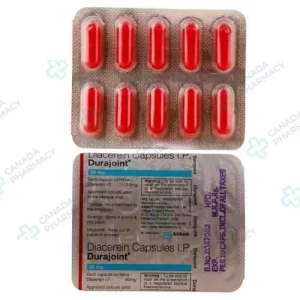
Diacerein
Price range: $ 50,00 through $ 165,00
Active substance: Diacerein
More Details
This product has multiple variants. The options may be chosen on the product page
Diclofenac SR
Price range: $ 33,00 through $ 206,00
Active substance: diclofenac
More Details
This product has multiple variants. The options may be chosen on the product page
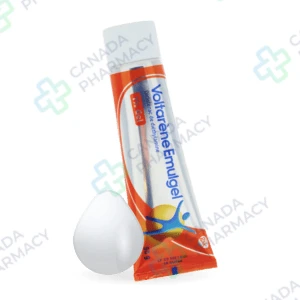
Emulgel
Price range: $ 51,00 through $ 323,00
Active substance: diclofenac
More Details
This product has multiple variants. The options may be chosen on the product page
Hydroxychloroquine
Price range: $ 50,00 through $ 1 450,00
Active substance: Hydroxychloroquine
More Details
This product has multiple variants. The options may be chosen on the product page

Medrol
Price range: $ 49,00 through $ 497,00
Active substance: Medrol
More Details
This product has multiple variants. The options may be chosen on the product page