

-52%
Hydrocl
Price range: $ 44,00 through $ 139,00
Hypernil
Price range: $ 63,00 through $ 248,00
Hydroxychloroquine
Price range: $ 50,00 through $ 1 450,00
Hydroxychloroquine is a reliable medication primarily used to manage chronic autoimmune conditions and prevent specific parasitic infections. It is frequently indicated for the treatment of rheumatoid arthritis to help reduce persistent joint pain and swelling. Patients with systemic lupus erythematosus also rely on this treatment to control skin rashes and internal inflammation. Furthermore, it serves as an essential preventative and therapeutic measure against various strains of malaria. By modulating the body’s immune response, this medication supports long-term health and improves daily quality of life.
Active substance: Hydroxychloroquine
Delivery: 5–21 days (depending on the shipping method)
Extra 10% discount with coupon: IT4K6SVM
Each dosage option has its own packaging choices.
Description
Hydroxychloroquine belongs to a class of medications known as disease-modifying antirheumatic drugs (DMARDs) and antimalarial agents. In the United States, this prescription medication is regulated by the Food and Drug Administration (FDA) for the treatment of specific autoimmune disorders and malaria. It exerts its therapeutic effects by altering cellular pH and interfering with immune system activation as well as parasitic survival mechanisms.
Proper clinical management is essential when taking hydroxychloroquine due to its distinct pharmacokinetic properties and systemic tissue distribution. Patients prescribed this medication must remain under regular supervision by a qualified healthcare professional to monitor efficacy and maintain long-term physiological safety.
| Property | Details |
|---|---|
| Active ingredient | Hydroxychloroquine sulfate |
| Therapeutic class | Antimalarial / DMARD |
| Dosage form | Oral tablet |
| Route of administration | Oral |
| Prescription status | Prescription only (Rx) |
| Storage conditions | Store at 68°F to 77°F (20°C to 25°C) |
Main uses
Hydroxychloroquine sulfate is approved by the U.S. Food and Drug Administration (FDA) for several distinct clinical conditions. It is indicated for the treatment of chronic discoid lupus erythematosus and systemic lupus erythematosus in adults. Additionally, it is prescribed for the management of acute and chronic rheumatoid arthritis in adult patients who have not achieved an adequate response to alternative therapeutic options. Beyond autoimmune rheumatologic diseases, hydroxychloroquine is indicated for the treatment of uncomplicated malaria caused by Plasmodium falciparum, Plasmodium vivax, Plasmodium malariae, and Plasmodium ovale, as well as for the prophylaxis of malaria in geographic regions where chloroquine resistance has not been identified. Any usage outside of these approved label indications is classified as off-label use and must be evaluated individually by a licensed prescriber based on established clinical trial evidence and patient risk profiles.
How the drug works
The precise mechanism of action of hydroxychloroquine in autoimmune disorders is not fully elucidated, but several cellular pathways are involved. The drug acts as a weak base that accumulates within intracellular lysosomes and endosomes, increasing the internal pH of these organelles. This elevation in pH disrupts lysosomal enzyme activity, antigen processing, and the presentation of autoantigens by major histocompatibility complex (MHC) class II molecules to T cells. Consequently, inflammatory signaling and the downstream release of cytokines, such as interleukin-1 and tumor necrosis factor-alpha, are reduced. In malarial infections, hydroxychloroquine concentrates in the acidic digestive vacuoles of susceptible Plasmodium parasites. By inhibiting the heme polymerase enzyme, it prevents the parasite from converting toxic free heme into non-toxic hemozoin, leading to toxic intracellular accumulation of heme and parasite cell death.
What happens in the body
Following oral administration, hydroxychloroquine is rapidly and almost completely absorbed from the gastrointestinal tract. Peak plasma concentrations are typically reached within 2 to 4 hours post-dose. The drug exhibits an unusually large volume of distribution, reflecting extensive accumulation in tissue compartments including the liver, spleen, kidneys, lungs, and melanin-containing structures such as the eyes. Hydroxychloroquine binds moderately to plasma proteins, approximately 45%. Metabolism occurs primarily in the liver, where it undergoes N-dealkylation to active metabolites, including desethylhydroxychloroquine and bisdesethylhydroxychloroquine. Elimination is extremely slow; the terminal elimination half-life ranges from 40 to 50 days due to broad tissue sequestration. The drug and its metabolites are excreted through renal pathways (approximately 40% to 50%) and fecally over an extended timeframe.
Dosing schedule
Hydroxychloroquine tablets are formulated for oral administration and should be taken with food or a glass of milk to reduce the likelihood of gastrointestinal irritation. Dosage regimens are highly individualized based on the patient’s body weight, kidney function, and the specific therapeutic indication. For rheumatoid arthritis and lupus erythematosus, daily dosages generally range between 200 mg and 400 mg, administered either as a single daily dose or divided into two equal doses. Dosage calculations for prophylaxis or acute treatment of malaria depend on body weight and whether the patient is an adult or a pediatric individual. Prescribers frequently monitor renal function and adjust dosage parameters accordingly. Patients should strictly adhere to the exact schedule prescribed and should not alter doses independently.
Compatibility with other medicines
Co-administration of hydroxychloroquine with other pharmaceutical agents requires careful review to prevent significant drug interactions. Concomitant use with drugs known to prolong the QT interval–such as certain antiarrhythmics (e.g., amiodarone), macrolide antibiotics, and fluoroquinolones–increases the risk of cardiac arrhythmias. Antacids containing aluminum or magnesium and kaolin-containing products can impair the gastrointestinal absorption of hydroxychloroquine; administration of these agents should be separated by at least two hours. Hydroxychloroquine may increase serum concentrations of digoxin, necessitating blood level monitoring. Simultaneous therapy with antidiabetic agents or insulin can potentiate hypoglycemic effects, requiring close monitoring of blood glucose levels. Additionally, combining hydroxychloroquine with other hepatotoxic or immunosuppressive drugs warrants increased monitoring for cumulative toxicities.
Adverse reactions
Therapy with hydroxychloroquine can produce a spectrum of adverse reactions ranging from mild to severe. Common mild side effects include gastrointestinal disturbances such as nausea, abdominal cramps, diarrhea, and decreased appetite. Neurological responses may manifest as headaches, dizziness, or tinnitus. Dermatologic reactions include rash, pruritus, alopecia, and hyperpigmentation of the skin and mucous membranes. Less common but serious adverse events involve neuromuscular symptoms, such as proximal muscle weakness and decreased deep tendon reflexes. Hematologic effects can include agranulocytosis, aplastic anemia, or thrombocytopenia. Severe cardiotoxicity, including QT prolongation, cardiomyopathy, and heart block, has been documented during chronic administration. Ophthalmic toxicity, particularly irreversible maculopathy, represents a major long-term adverse concern associated with high cumulative doses.
Important Precautions
A primary clinical concern during long-term hydroxychloroquine therapy is retinal toxicity, which can lead to irreversible visual field loss. Baseline ophthalmologic examinations–including visual acuity, automated threshold perimetry, and spectral-domain optical coherence tomography–are recommended within the first few months of treatment, followed by annual screenings after five years of therapy or earlier in high-risk patients. Cardiac monitoring is indicated for patients with pre-existing cardiovascular conditions, as the drug can induce QT prolongation, conduction disturbances, or heart failure secondary to cardiomyopathy. Patients with glucose-6-phosphate dehydrogenase (G6PD) deficiency should be monitored for potential hemolytic anemia. In special populations, usage during pregnancy requires an assessment of maternal benefit versus potential fetal risk; hydroxychloroquine crosses the placenta and is excreted in small amounts in human milk. Pediatric dosing must be precisely calculated, and renal or hepatic impairment requires dose adjustments under medical supervision.
Food and alcohol interactions
To mitigate gastrointestinal adverse effects such as nausea and abdominal pain, hydroxychloroquine tablets should be taken immediately following a meal or accompanied by a glass of milk. Dietary factors do not significantly alter the overall absorption of the active substance, but taking it on an empty stomach increases mucosal irritation. Patients are advised to limit or avoid alcohol consumption during treatment. Concurrent alcohol intake can exacerbate liver strain, increase the risk of gastrointestinal toxicity, and complicate blood glucose management, especially in individuals with comorbid metabolic conditions.
If you skip a dose
If a dose of hydroxychloroquine is omitted, it should be taken as soon as remembered on the same day, provided it is taken with food or milk. However, if it is nearly time for the next scheduled dose, the missed dose should be skipped entirely, and the regular administration schedule should be resumed. Patients must never double the dose or take extra medication to compensate for a missed tablet, as acute increases in blood concentration can elevate the risk of adverse cardiovascular or central nervous system toxicity.
Day-to-day use
Consistency is vital for maintaining steady therapeutic plasma concentrations when managing chronic autoimmune conditions with hydroxychloroquine. Patients should establish a routine by taking the medication at the same time each day. Because hydroxychloroquine can increase cutaneous sensitivity to ultraviolet light, individuals should utilize broad-spectrum sunscreen, wear protective clothing, and limit direct sun exposure. Patients should also keep a dedicated record to track dosing schedules, routine blood work, and scheduled ophthalmologic follow-up appointments to maintain comprehensive treatment management.
Storage and expiration
Hydroxychloroquine tablets must be stored at controlled room temperature between 68°F and 77°F (20°C to 25°C), with permitted excursions between 59°F and 86°F (15°C to 30°C) in accordance with standard pharmaceutical guidelines. The medication should be kept in a tightly closed, light-resistant container away from excessive heat, direct sunlight, and moisture. Store the product out of reach and sight of children and pets. Do not use tablets past the printed expiration date, and safely dispose of unused or expired medication through authorized pharmacy take-back programs.
Common Questions
Why are routine eye exams necessary during hydroxychloroquine therapy?
Hydroxychloroquine can accumulate in the pigment layer of the retina over prolonged periods, potentially causing irreversible macular damage known as retinopathy. Early retinal changes often occur without noticeable visual symptoms. Baseline and periodic specialized eye screenings allow eye care professionals to detect subtle structural changes early and adjust treatment before permanent vision loss develops.
Can hydroxychloroquine cause low blood sugar levels?
Yes, hydroxychloroquine has been reported to induce severe hypoglycemia, even in patients who are not taking concomitant antidiabetic medications. The drug can enhance insulin secretion and tissue sensitivity. Patients experiencing symptoms such as sweating, tremors, rapid heart rate, or dizziness should check their blood glucose levels and contact their prescribing physician immediately.
Is hydroxychloroquine safe to stop suddenly if side effects appear?
Patients should not discontinue hydroxychloroquine without consulting their prescribing doctor. Abrupt cessation can lead to a flare-up of underlying autoimmune symptoms such as severe joint inflammation or systemic lupus disease activity. If troubling side effects occur, a physician will evaluate the clinical situation and outline a safe therapeutic plan.
How long does hydroxychloroquine remain in the body after stopping treatment?
Due to its extensive tissue binding and long terminal elimination half-life of approximately 40 to 50 days, hydroxychloroquine clears very slowly from body tissues. Traces of the medication and its active metabolites can remain in circulation and tissue reservoirs for several months following the final dose.
Does food affect how hydroxychloroquine is absorbed?
Food does not significantly impair or decrease the total amount of hydroxychloroquine absorbed into the bloodstream. However, co-administering the tablet with food or milk is recommended because it significantly reduces stomach irritation, nausea, and abdominal discomfort.
In accordance with FDA requirements, prescription medications must be used under medical supervision.
Information on this page is for reference and does not replace an assessment by a licensed healthcare professional.
Additional information
| Dosage |
200mg ,400mg |
|---|---|
| Package |
10 pills ,20 pills ,30 pills ,60 pills ,90 pills ,120 pills ,180 pills ,270 pills ,360 pills |
| Ενεργός Ουσία |
Related products
Arcoxia
Price range: $ 42,00 through $ 271,00
Active substance: etoricoxib
More Details
This product has multiple variants. The options may be chosen on the product page
Cartidin
Price range: $ 65,00 through $ 278,00
Active substance: Diacerein
More Details
This product has multiple variants. The options may be chosen on the product page
Celebrex
Price range: $ 42,00 through $ 232,00
Active substance: Celecoxib
More Details
This product has multiple variants. The options may be chosen on the product page
Diclofenac
Price range: $ 49,00 through $ 121,00
Active substance: diclofenac
More Details
This product has multiple variants. The options may be chosen on the product page
Etodolac
Price range: $ 46,00 through $ 390,00
Active substance: Etodolac
More Details
This product has multiple variants. The options may be chosen on the product page
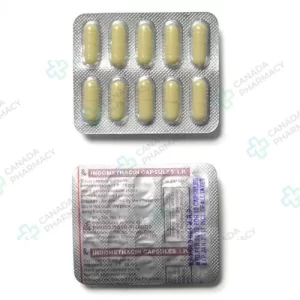
Indocin
Price range: $ 45,00 through $ 264,00
Active substance: Indomethacin
More Details
This product has multiple variants. The options may be chosen on the product page

Motrin
Price range: $ 9,00 through $ 278,00
Active substance: ibuprofen
More Details
This product has multiple variants. The options may be chosen on the product page
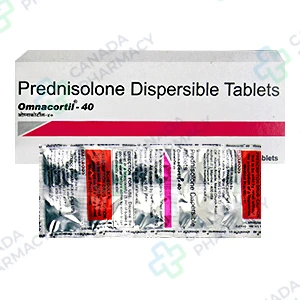
Omnacortil
Price range: $ 51,00 through $ 210,00
Active substance: prednisolone
More Details
This product has multiple variants. The options may be chosen on the product page