

-66%
Olanzapine
Price range: $ 43,00 through $ 447,00
Omnicef
Price range: $ 134,00 through $ 561,00
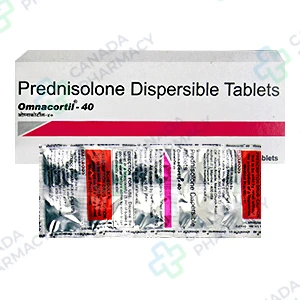
Omnacortil
Price range: $ 51,00 through $ 210,00
Omnacortil is a potent corticosteroid medication containing prednisolone that effectively manages a wide range of inflammatory and autoimmune conditions. It works by suppressing the immune system’s response to reduce swelling, redness, and allergic reactions throughout the body. This medication is commonly used to treat severe allergies, asthma, and various types of arthritis to improve joint mobility. Additionally, it provides relief for patients suffering from dermatological issues, such as psoriasis or severe rashes, by calming skin irritation. Its versatile formula also supports the management of endocrine and blood disorders, ensuring a comprehensive approach to systemic health.
Active substance: prednisolone
Delivery: 5–21 days (depending on the shipping method)
Extra 10% discount with coupon: IT4K6SVM
Each dosage option has its own packaging choices.
Description
Omnacortil contains prednisolone, a synthetic systemic corticosteroid belonging to the glucocorticoid class of medications. It works by suppressing immune system responses and inhibiting the cascade of inflammatory mediators involved in various chronic and acute conditions.
In the United States market, prednisolone preparations are prescription-only pharmaceutical products that must be dispensed in accordance with federal and state regulations. This agent is prescribed across multiple medical specialties to manage inflammatory, autoimmune, allergic, and neoplastic disorders when immediate anti-inflammatory control is clinically indicated.
| Attribute | Details |
|---|---|
| Drug Name | Omnacortil |
| Active Ingredient (INN) | Prednisolone |
| Therapeutic Class | Synthetic Glucocorticoid / Corticosteroid |
| Dosage Form | Oral Tablet / Oral Solution |
| Route of Administration | Oral |
| Primary Purpose | Suppression of inflammation and immune response management |
| Prescription Status | Prescription (Rx) medication |
Clinical Profile and Dosing Parameters
Main uses
FDA-approved indications for prednisolone formulations include severe allergic conditions (such as contact dermatitis, serum sickness, or bronchial asthma exacerbations), dermatologic diseases (including pemphigus and severe erythema multiforme), endocrine disorders (primary or secondary adrenocortical insufficiency), gastrointestinal diseases (ulcerative colitis and Crohn’s disease during acute flare-ups), hematologic disorders (idiopathic thrombocytopenic purpura), rheumatic conditions (rheumatoid arthritis, ankylosing spondylitis), and respiratory illnesses (symptomatic sarcoidosis). Off-label uses include adjunct therapy for Bell’s palsy or severe croup management under specific clinical protocols; off-label usage should only occur under direct prescriber guidance.
How the drug works
Prednisolone crosses cell membranes and binds with high affinity to specific cytoplasmic glucocorticoid receptors. The drug-receptor complex translocates into the cell nucleus, where it alters gene expression by binding to glucocorticoid response elements on DNA. This process leads to the inhibition of pro-inflammatory cytokines (such as interleukin-1, interleukin-2, and tumor necrosis factor-alpha) and reduces the synthesis of arachidonic acid derivatives by inducing lipocortin, which inhibits phospholipase A2. The physiological result is decreased capillary permeability, reduced lysosomal enzyme release, and suppression of leukocyte migration to inflammatory sites.
What happens in the body
Following oral administration, prednisolone is rapidly and efficiently absorbed from the gastrointestinal tract, reaching peak plasma concentrations within 1 to 2 hours. Prednisolone displays extensive plasma protein binding, primarily to transcortin (corticosteroid-binding globulin) and albumin, with free drug fraction increasing at higher doses. The drug undergoes hepatic metabolism, converted predominantly via 11-beta-hydroxysteroid dehydrogenase enzyme systems into inactive metabolites. The plasma elimination half-life ranges between 2 and 4 hours, whereas its biological half-life (tissue effect duration) extends from 18 to 36 hours. Inactive metabolites are excreted principally by the kidneys through urine.
Dosing schedule
The initial dosage of Omnacortil varies widely based on the specific disease entity being treated and individual therapeutic response. Standard starting doses in adult patients generally range from 5 mg to 60 mg per day taken orally, either as a single daily dose in the morning or divided into multiple daily doses. Prescribers frequently utilize morning administration to mimic the body’s natural diurnal cortisol secretion curve and minimize nocturnal sleep disruption. When long-term therapy is terminated, the dose must be gradually tapered rather than abruptly discontinued to allow the hypothalamic-pituitary-adrenal axis to recover endogenous hormone production.
Drug Interactions and Precautions
Compatibility with other medicines
Prednisolone interacts with several therapeutic classes. Co-administration with nonsteroidal anti-inflammatory drugs (NSAIDs), such as ibuprofen, naproxen, or aspirin, significantly elevates the risk of gastrointestinal ulceration and hemorrhage. CYP3A4 enzyme inducers, including rifampin, phenytoin, and carbamazepine, accelerate prednisolone clearance and may diminish therapeutic efficacy. Conversely, potent CYP3A4 inhibitors like ketoconazole or clarithromycin increase prednisolone plasma concentrations, potentially enhancing toxicity. Prednisolone can also impair glycemic control in diabetic patients receiving insulin or oral antidiabetic agents, requiring dosage adjustments of the hypoglycemic regimen. Concurrent administration of live or live-attenuated vaccines during immunosuppressive doses of prednisolone is contraindicated due to an increased risk of severe infection and diminished antibody response.
What to avoid while taking it
Patients taking Omnacortil should avoid excessive alcohol intake, as alcohol irritates the gastric mucosa and works synergistically with systemic corticosteroids to elevate the incidence of stomach ulcers and gastrointestinal bleeding. Taking prednisolone tablets with food or milk helps attenuate direct gastric discomfort. Patients should follow dietary recommendations provided by their prescribers, which often include limiting dietary sodium to reduce fluid retention and ensuring adequate intake of calcium and vitamin D to protect bone mineral density.
If you skip a dose
If a scheduled dose is missed, it should be taken as soon as remembered on the same day. However, if it is almost time for the next scheduled dose, the missed dose should be skipped entirely, and the normal dosing schedule resumed. Double doses should never be taken to compensate for a missed dose. Patients on daily single-dose regimens who forget a dose until the following day should contact their healthcare provider or pharmacist for guidance on adjusting the dosing schedule safely.
Safety Profile, Special Populations, and FAQ
Adverse reactions
Systemic corticosteroid therapy exhibits a wide spectrum of potential adverse effects depending on dose and duration of treatment. Short-term common side effects include insomnia, fluid retention, facial flushing, increased appetite, mild elevation of blood pressure, and transient mood swings. Prolonged or high-dose administration increases the risk of metabolic and endocrine disturbances, such as hyperglycemia, cushingoid features (“moon face” and central obesity), osteoporosis, muscle weakness (steroid myopathy), posterior subcapsular cataracts, glaucoma, and impaired wound healing. Immunosuppression associated with corticosteroid therapy can mask signs of infection and increase susceptibility to opportunistic pathogens.
Important precautions
Prednisolone is contraindicated in patients with systemic fungal infections or known hypersensitivity to the active substance. Extreme caution is required in patients with active or latent tuberculosis, ocular herpes simplex, peptic ulcer disease, diverticulitis, hypertension, or underlying cardiac dysfunction. In pediatric populations, prolonged corticosteroid use can cause growth suppression; height and development must be routinely monitored. In elderly individuals, therapy carries a heightened risk of osteoporosis, severe hypertension, and cognitive changes. Regarding pregnancy and lactation, prednisolone crosses the placenta and is excreted in breast milk in small amounts; it should be used during pregnancy only if the potential benefit justifies the potential risk to the fetus, particularly during the first trimester due to potential risks of oral clefts and fetal growth restriction.
Red flags
Immediate medical attention is required if signs of severe systemic complications emerge. Patients should seek emergency care upon experiencing severe abdominal pain, black or tarry stools, coffee-ground vomit, sudden changes in vision or eye pain, severe chest pain, shortness of breath, sudden facial or tongue swelling, signs of severe active infection (such as high fever, persistent chills, or unhealing skin lesions), or rapid onset of extreme mood alterations including severe depression or confusion.
Storage and expiration
Omnacortil solid oral dosage forms should be stored at controlled room temperature between 20°C and 25°C (68°F to 77°F), with excursions permitted between 15°C and 30°C (59°F to 86°F). Keep the medication in its original container, tightly closed, away from excessive heat, light, and moisture. Liquid oral formulations may have specific storage requirements, such as protection from light or refrigeration after opening; always check the specific product label. Expired medications should not be ingested and should be disposed of according to federal or local pharmacy take-back guidelines.
Common Questions
Can Omnacortil be stopped suddenly after a two-week course?
No. Stopping Omnacortil abruptly after more than a few days of continuous use can trigger acute adrenal insufficiency due to temporary suppression of the body’s natural cortisol production. A gradual dosage reduction schedule directed by a prescribing physician is required to allow endogenous adrenal function to recover.
How does prednisolone affect blood sugar levels in diabetic patients?
Prednisolone increases hepatic gluconeogenesis and decreases peripheral insulin sensitivity, which frequently elevates blood glucose levels. Patients with diabetes must monitor their blood glucose concentrations more frequently during treatment and consult their healthcare provider, as antidiabetic medication dosages may need adjustment.
Is it safe to receive routine vaccinations while taking Omnacortil?
Inactivated or subunit vaccines can generally be administered, though the immune response and antibody production may be diminished. Live-attenuated vaccines (such as MMR or varicella) should be avoided in patients receiving immunosuppressive doses of prednisolone due to the risk of vaccine-derived infection.
Why is it recommended to take Omnacortil in the morning?
Taking prednisolone as a single dose in the morning aligns with the natural circadian rhythm of endogenous cortisol production, which peaks early in the day. This timing reduces the suppression of the hypothalamic-pituitary-adrenal axis and minimizes side effects like nocturnal insomnia.
What should be done if stomach distress occurs while taking prednisolone?
Gastrointestinal irritation can be mitigated by taking the tablet with meals, milk, or immediately after eating. If stomach upset persists or is accompanied by persistent pain, heartburn, or dark stools, contact a healthcare provider promptly to assess for peptic ulceration.
In accordance with FDA standards and federal regulations, prescription medications must be used under direct supervision of a licensed healthcare provider.
This text is for informational purposes only and does not constitute individual medical advice.
Additional information
| Dosage |
40mg |
|---|---|
| Package |
30 pills ,60 pills ,90 pills ,120 pills ,180 pills ,270 pills ,360 pills |
| Ενεργός Ουσία |
Related products
Astelin
Price range: $ 46,00 through $ 193,00
Active substance: Azelastine
More Details
This product has multiple variants. The options may be chosen on the product page
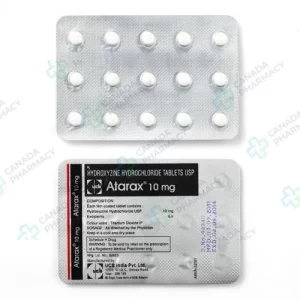
Atarax
Price range: $ 42,00 through $ 150,00
Active substance: Hydroxyzine
More Details
This product has multiple variants. The options may be chosen on the product page
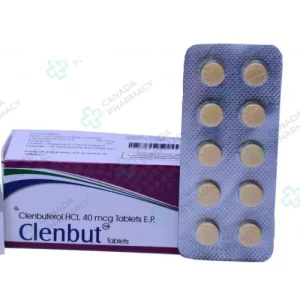
Clenbuterol
Price range: $ 40,00 through $ 450,00
Active substance: Clenbuterol
More Details
This product has multiple variants. The options may be chosen on the product page
Decadron
Price range: $ 12,00 through $ 182,00
Active substance: Dexamethasone
More Details
This product has multiple variants. The options may be chosen on the product page
Deltasone
Price range: $ 47,00 through $ 296,00
Active substance: Prednisone
More Details
This product has multiple variants. The options may be chosen on the product page
Doxylamine
Price range: $ 10,00 through $ 33,00
Active substance: Doxylamine succinate
More Details
This product has multiple variants. The options may be chosen on the product page
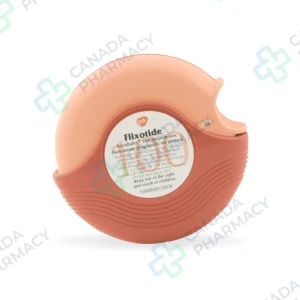
Flixotide Nasal Spray 100 doses
Price range: $ 54,00 through $ 220,00
Active substance: fluticasone
More Details
This product has multiple variants. The options may be chosen on the product page
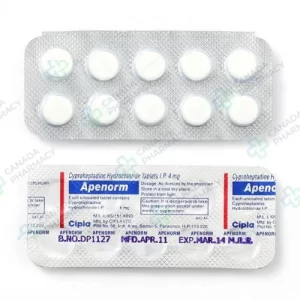
Periactin
Price range: $ 40,00 through $ 160,00
Active substance: Cyproheptadine
More Details
This product has multiple variants. The options may be chosen on the product page