

-13%

Nurofen
Price range: $ 41,00 through $ 76,00
Omnacortil
Price range: $ 51,00 through $ 210,00
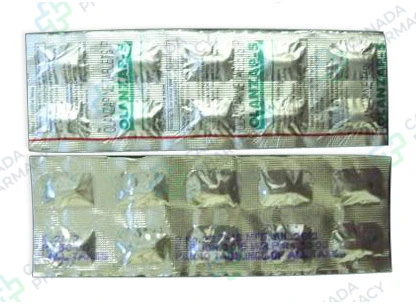
Olanzapine
Price range: $ 43,00 through $ 447,00
Olanzapine is an atypical antipsychotic medication primarily used to manage symptoms of schizophrenia and bipolar I disorder. It works by adjusting the levels of certain natural chemicals in the brain, such as dopamine and serotonin, to help restore emotional balance. This medication effectively helps to reduce hallucinations, delusions, and disorganized thinking in individuals experiencing psychotic episodes. For those with bipolar disorder, olanzapine is utilized to control acute manic or mixed episodes and support long-term mood stabilization. By improving clarity of thought and focus, this treatment assists patients in maintaining a more stable and productive daily life.
Active substance: Olanzapine
Delivery: 5–21 days (depending on the shipping method)
Extra 10% discount with coupon: IT4K6SVM
Each dosage option has its own packaging choices.
Description
Olanzapine – Information for Patients and Caregivers
Olanzapine belongs to a class of medications known as atypical (second-generation) antipsychotics. It is indicated primarily for the treatment of schizophrenia and bipolar I disorder in adults and eligible pediatric patients under appropriate clinical supervision. In the United States, olanzapine is available strictly by prescription in accordance with federal and state regulations.
First approved by the U.S. Food and Drug Administration (FDA) in 1996, olanzapine plays a central role in psychiatric pharmacotherapy. Because therapeutic responses and tolerability profiles vary among individuals, administration requires careful clinical evaluation and ongoing patient monitoring.
| Drug name | Olanzapine |
| Active ingredient (INN) | Olanzapine |
| Therapeutic class | Second-generation (atypical) antipsychotic |
| Primary purpose | Management of schizophrenia and bipolar I disorder |
| Prescription status | Prescription only (Rx) |
| Route of administration | Oral (tablets, orally disintegrating tablets), intramuscular injection |
| Storage | Store at 20°C to 25°C (68°F to 77°F); protect from light and moisture |
Main uses
The primary FDA-approved indications for olanzapine include the treatment of schizophrenia in adults and adolescents aged 13 to 17 years. It is also approved for the acute treatment of manic or mixed episodes associated with bipolar I disorder, both as monotherapy and in combination with lithium or valproate, as well as for maintenance therapy in bipolar I disorder. Additionally, an oral combination formulation of olanzapine and fluoxetine is FDA-approved for depressive episodes associated with bipolar I disorder and for treatment-resistant depression in adults. Off-label indications–which are clinical uses not explicitly approved by the FDA–include the prevention and management of chemotherapy-induced nausea and refractory anxiety or agitation in specialized palliative care settings.
How the drug works
The therapeutic activity of olanzapine is mediated through a complex pattern of central monoaminergic antagonism. It displays high affinity for serotonin 5-HT2A and 5-HT2C receptors, as well as dopamine D1, D2, D3, and D4 receptors. The antagonism of dopamine D2 receptors in the mesolimbic pathway contributes to the alleviation of positive symptoms of psychosis, such as hallucinations and delusions. Concomitant 5-HT2A receptor blockade is thought to modulate dopamine release in the nigrostriatal and prefrontal cortex, reducing the incidence of extrapyramidal side effects compared to typical antipsychotics. Olanzapine also binds with notable affinity to histamine H1, muscarinic M1–M5, and alpha-1 adrenergic receptors, which accounts for its sedative, anticholinergic, and hypotensive properties.
What you may notice early on
During the initial phase of treatment, patients frequently experience marked sedation, drowsiness, or calmative effects within the first few hours or days following administration. An increase in appetite and transient lightheadedness upon standing may also develop early. Therapeutic improvements in psychotic agitation, mood stability, or thought organization typically manifest gradually over a period of 1 to 2 weeks, with full clinical stabilization often requiring 4 to 6 weeks of continuous daily administration.
Dosing schedule
The dosage of olanzapine must be individualized by a licensed healthcare provider based on the specific clinical condition, treatment response, and tolerability. For schizophrenia, the typical initial oral dosage in adults ranges from 5 mg to 10 mg once daily, with a target maintenance range of 10 mg to 20 mg daily. For acute manic or mixed episodes in bipolar I disorder, initial dosing generally starts at 10 mg to 15 mg once daily. Dose adjustments should occur at intervals of no less than 24 hours to ensure steady-state plasma evaluation. Olanzapine may be administered with or without food. Orally disintegrating tablets should be placed directly on the tongue to dissolve without chewing.
How it’s absorbed and eliminated
Following oral administration, olanzapine is well absorbed from the gastrointestinal tract, reaching peak plasma concentrations (Tmax) within approximately 6 hours. Food does not significantly alter the rate or extent of oral absorption. The drug undergoes extensive hepatic metabolism via direct glucuronidation (mediated by UGT1A4) and cytochrome P450 (CYP) oxidation, predominantly by CYP1A2 and to a minor extent by CYP2D6. The mean elimination half-life in healthy individuals ranges from 21 to 54 hours (averaging approximately 30 hours). Circulating metabolites are pharmacologically inactive or display significantly lower activity than the parent compound. Approximately 57% of an administered dose is excreted in urine and 30% in feces, predominantly as metabolites. Clearance is lower in females than in males and lower in non-smokers than in smokers due to differential CYP1A2 activity.
Compatibility with other medicines
Co-administration of olanzapine with other therapeutic agents requires careful pharmacological evaluation. Inducers of CYP1A2, such as carbamazepine and tobacco smoke, accelerate olanzapine clearance, potentially reducing plasma levels and clinical efficacy. Conversely, potent CYP1A2 inhibitors, such as fluvoxamine or ciprofloxacin, inhibit olanzapine metabolism, leading to elevated plasma concentrations and an increased risk of adverse effects. Concomitant administration of central nervous system (CNS) depressants, including alcohol, benzodiazepines, or sedating opioids, potentiates somnolence and central respiratory depression. Combined use with antihypertensive medications may compound orthostatic hypotension due to alpha-1 adrenergic blockade. Olanzapine may also diminish the therapeutic efficacy of levodopa and dopamine agonists.
Adverse reactions
The adverse reaction profile of olanzapine includes both short-term physiological changes and potential long-term metabolic effects. Common side effects reported in clinical trials include somnolence, significant weight gain, increased appetite, dizziness, dry mouth, constipation, peripheral edema, and orthostatic hypotension. Metabolic alterations are a key clinical consideration; treatment may cause hyperglycemia, new-onset diabetes mellitus, diabetic ketoacidosis, and dyslipidemia (elevated total cholesterol, triglycerides, and low-density lipoproteins). Neurological adverse events include extrapyramidal symptoms such as akathisia, tremor, and rigidity, although these occur less frequently than with first-generation agents. Tardive dyskinesia–a potentially irreversible neurological syndrome of involuntary movements–may develop with prolonged exposure.
Important precautions
Olanzapine carries an FDA Boxed Warning regarding an increased mortality risk in elderly patients with dementia-related psychosis. Olanzapine is not approved for the treatment of patients with dementia-related psychosis. Treatment is also associated with the risk of Neuroleptic Malignant Syndrome (NMS), a rare but life-threatening complex characterized by hyperpyrexia, severe muscle rigidity, altered mental status, and autonomic instability. Patients receiving olanzapine require baseline and periodic laboratory monitoring, including body weight, fasting plasma glucose, and lipid profiles. Caution is advised in individuals with a history of seizures, hepatic impairment, cardiovascular disease, or conditions predisposing to hypotension. Drug Reaction with Eosinophilia and Systemic Symptoms (DRESS) has also been reported.
Pregnancy, breastfeeding, and other groups
Neonates exposed to antipsychotic drugs, including olanzapine, during the third trimester of pregnancy are at risk for extrapyramidal symptoms or withdrawal reactions following delivery. Olanzapine should be used during pregnancy only if the potential benefit justifies the potential risk to the fetus. Olanzapine is excreted into human breast milk; infants exposed via nursing should be monitored for excessive sedation and developmental milestones. In geriatric patients, a lower starting dose (typically 5 mg daily) is recommended due to decreased clearance, higher physiological sensitivity, and potential cardiovascular comorbidities. Use in pediatric patients (ages 13 to 17) is approved for schizophrenia and bipolar I disorder, though adolescents exhibit greater weight gain and metabolic alterations than adult populations.
If you skip a dose
If a scheduled dose of olanzapine is missed, it should be taken as soon as remembered on the same day. However, if it is nearly time for the next regular dose, the missed dose should be omitted, and the normal dosing schedule resumed. Patients must not double the dose to compensate for a skipped tablet. If multiple consecutive doses are missed, the treating healthcare provider should be consulted immediately to determine whether a temporary dose re-titration is necessary.
Red flags
Immediate emergency medical care is required if any of the following serious symptoms occur during olanzapine treatment:
- High fever accompanied by severe muscle stiffness, confusion, profuse sweating, and irregular pulse (potential signs of Neuroleptic Malignant Syndrome).
- Severe allergic reactions, including swelling of the face, lips, tongue, or throat, or widespread rash with fever and swollen lymph nodes.
- Signs of severe hyperglycemia, such as extreme thirst, excessive urination, confusion, or fruity breath odor.
- Sudden weakness, numbness of the face or limbs, speech difficulty, or vision loss (potential signs of cerebrovascular events).
Common Questions
How long does it take for olanzapine to achieve full clinical effect?
Initial symptomatic improvement, such as reduced agitation or improved sleep patterns, may be observed within the first 1 to 2 weeks of starting olanzapine. However, achieving substantial therapeutic stabilization for conditions such as schizophrenia or bipolar mania typically requires consistent administration over 4 to 6 weeks. Dosage adjustments should be guided by a physician after evaluating clinical response over an adequate timeframe.
Can olanzapine cause significant weight gain and metabolic changes?
Weight gain and metabolic alterations are recognized adverse effects of olanzapine. Clinical studies demonstrate that olanzapine can alter metabolic parameters, leading to increased body weight, elevated blood glucose, and changes in blood lipid levels. Healthcare providers routinely monitor body weight, fasting blood glucose, and lipid profiles at baseline and periodically throughout the course of treatment.
What should be done if a patient wants to stop taking olanzapine?
Olanzapine therapy should never be discontinued abruptly. Abrupt cessation can trigger withdrawal symptoms, including dyskinesia, insomnia, nausea, sweating, and rapid relapse of psychotic or manic symptoms. Discontinuation or transition to another medication must be conducted gradually under direct medical supervision using a structured dosage tapering plan.
Does cigarette smoking alter the effectiveness of olanzapine?
Cigarette smoking induces the liver enzyme CYP1A2, which increases the clearance of olanzapine from the bloodstream, resulting in lower blood concentrations. If a patient starts or stops smoking during olanzapine therapy, the prescriber may need to adjust the daily dosage to maintain therapeutic efficacy and avoid unexpected adverse effects.
In accordance with FDA requirements.
This text is for informational purposes only and does not constitute individual medical advice.
Additional information
| Dosage |
2.5mg ,5mg ,7.5mg |
|---|---|
| Package |
30 pills ,60 pills ,90 pills ,120 pills ,180 pills ,270 pills ,360 pills |
| Ενεργός Ουσία |
Related products

Axepta
Price range: $ 40,00 through $ 500,00
Active substance: Atomoxetine
More Details
This product has multiple variants. The options may be chosen on the product page
Kemadrin
Price range: $ 41,00 through $ 281,00
Active substance: procyclidine
More Details
This product has multiple variants. The options may be chosen on the product page

Meclizine
Price range: $ 47,00 through $ 143,00
Active substance: Meclizine
More Details
This product has multiple variants. The options may be chosen on the product page
Mellaril
Price range: $ 40,00 through $ 427,00
Active substance: Thioridazine
More Details
This product has multiple variants. The options may be chosen on the product page
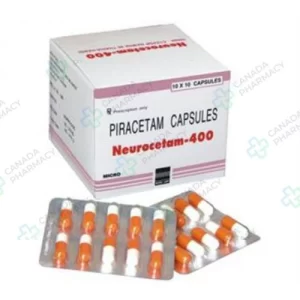
Nootropil
Price range: $ 30,00 through $ 363,00
Active substance: Piracetam
More Details
This product has multiple variants. The options may be chosen on the product page
Solian
Price range: $ 89,00 through $ 745,00
Active substance: amisulpride
More Details
This product has multiple variants. The options may be chosen on the product page
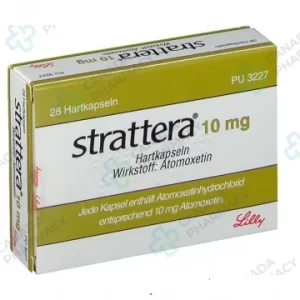
Strattera
Price range: $ 40,00 through $ 500,00
Active substance: Atomoxetine
More Details
This product has multiple variants. The options may be chosen on the product page
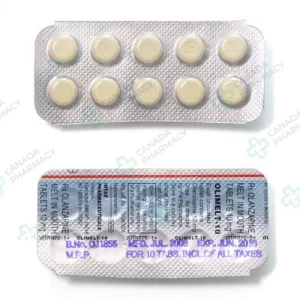
Zyprexa
Price range: $ 41,00 through $ 358,00
Active substance: Olanzapine
More Details
This product has multiple variants. The options may be chosen on the product page