

-24%

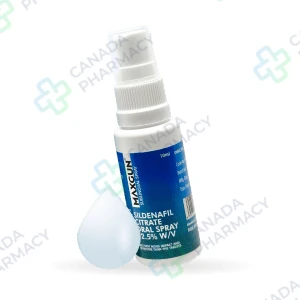
MaxGun Sublingual Spray
Price range: $ 90,00 through $ 145,00
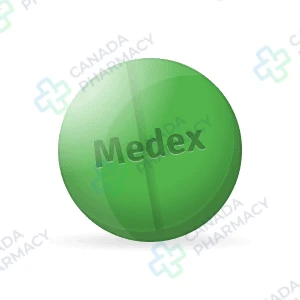
Medex
Price range: $ 41,00 through $ 144,00
Meclizine
Price range: $ 47,00 through $ 143,00
Meclizine is a highly effective antihistamine primarily used to prevent and treat the symptoms of motion sickness. This medication works efficiently to alleviate nausea, vomiting, and dizziness that can occur during travel by car, boat, or plane. Beyond motion sickness, it is also widely utilized to manage vertigo symptoms related to inner ear conditions. The tablets are designed for easy administration, providing long-lasting relief so you can enjoy your daily activities without discomfort. Whether you are planning a long trip or dealing with balance disorders, Meclizine offers a reliable solution for maintaining your well-being.
Active substance: Meclizine
Delivery: 5–21 days (depending on the shipping method)
Extra 10% discount with coupon: IT4K6SVM
Each dosage option has its own packaging choices.
Description
Meclizine belongs to a group of medicines called first-generation H1 antihistamines, possessing central anticholinergic and antiemetic properties. In the United States, it is available over-the-counter (OTC) for the prevention and treatment of nausea, vomiting, and dizziness associated with motion sickness, while specific indications–such as vertigo associated with diseases affecting the vestibular system–are dispensed under prescription (Rx) status in accordance with federal regulations.
The active compound exerts its effect primarily on the central nervous system by depressing labyrinth excitability and conduction in vestibular-cerebellar pathways. A thorough understanding of its pharmacokinetics, potential drug-drug interactions, and adverse effect profile is essential for safe therapeutic use.
| Attribute | Clinical Details |
|---|---|
| Active Ingredient (INN) | Meclizine hydrochloride |
| Therapeutic Class | AHFS 56:22 – Antiemetics / Antihistamines (H1 Antagonists) |
| Dosage Form | Oral tablets, chewable tablets |
| Route of Administration | Oral |
| Primary Indication | Motion sickness prevention and treatment; vertigo management |
| Prescription Status | OTC (for motion sickness); Rx (for specific vestibular conditions/higher dosing) |
| Storage Parameters | Controlled room temperature 20°C to 25°C (68°F to 77°F) |
How the Drug Works
The precise mechanism by which meclizine exerts its antiemetic and antivertigo effects involves multiple central neurochemical pathways. As a first-generation H1 receptor antagonist, meclizine competitively blocks histamine H1 receptor sites in the central nervous system, gastrointestinal tract, and respiratory tract. Beyond its antihistaminic activity, meclizine demonstrates significant central anticholinergic (antimuscarinic) actions.
These anticholinergic effects inhibit neural transmission within the vestibular apparatus of the inner ear. By reducing the excitability of the labyrinth and suppressing conduction through the vestibular-cerebellar pathways, meclizine dampens the signaling sent to the medullary vomiting center and the chemoreceptor trigger zone (CTZ). Consequently, impulse transmission responsible for motion-induced nausea, retching, and spatial disorientation is reduced.
Main Uses
Meclizine is indicated for the prevention and symptomatic treatment of motion sickness. This includes alleviating symptoms such as nausea, vomiting, lightheadedness, and motion-induced dizziness triggered by travel via car, sea, air, or rail. When utilized for motion sickness prevention, administration prior to exposure to motion stimulus yields optimal protective efficacy.
Additionally, meclizine is indicated for the management of vertigo associated with diseases affecting the vestibular system, such as Meniere’s disease, labyrinthitis, and vestibular neuronitis. Clinical application for non-vestibular forms of dizziness or general nausea unrelated to motion or labyrinthine dysfunction is considered off-label and lacks established regulatory endorsement.
Dosing Schedule
Dosing guidelines for meclizine vary based on the clinical indication, patient age, and formulation strength. For the prevention and treatment of motion sickness in adults and pediatric patients aged 12 years and older, the standard oral dosage ranges from 25 mg to 50 mg administered once daily. To ensure optimal prophylaxis against motion sickness, the dose should be taken approximately one hour prior to travel or exposure to motion.
For the control of vertigo associated with vestibular system disorders, the recommended adult dosage ranges from 25 mg to 100 mg daily, administered in divided doses depending on clinical response and healthcare provider instructions. Chewable tablets should be thoroughly chewed before swallowing. Doses should not exceed the maximum daily limits specified on the OTC drug facts label or prescribed by a licensed clinician.
What Happens in the Body
Following oral administration, meclizine hydrochloride is absorbed through the gastrointestinal tract. Clinical onset of action typically occurs within 30 to 60 minutes after ingestion, reaching peak plasma concentrations within 1.5 to 3 hours. The duration of therapeutic activity is relatively prolonged compared to other first-generation antihistamines, persisting for approximately 8 to 24 hours after a single dose.
Meclizine undergoes hepatic metabolism, predominantly mediated by the cytochrome P450 enzyme CYP2D6. The elimination plasma half-life of meclizine exhibits individual variability, generally ranging between 5 and 6 hours. Excretion occurs via both renal and fecal routes, primarily as metabolites alongside unabsorbed active substance.
Adverse Reactions
As a central H1 antagonist with anticholinergic properties, meclizine carries a recognized adverse effect profile. The most frequently observed adverse effect is central nervous system depression, manifesting as somnolence or drowsiness. Patients may also experience dry mouth (xerostomia), dry nasal mucosa, and thickening of bronchial secretions due to antimuscarinic blockade.
Less common adverse reactions include headache, fatigue, blurred vision, urinary retention, and gastrointestinal distress such as constipation or epigastric discomfort. In rare instances, paradoxical central nervous system stimulation may occur, particularly in pediatric or elderly populations, leading to restlessness, insomnia, or excitability.
Compatibility With Other Medicines
Meclizine has the potential to interact with several drug classes, primarily through additive central nervous system depression or compounded anticholinergic effects. Concomitant use with other CNS depressants–including alcohol, sedatives, hypnotics, tranquilizers, opioid analgesics, and general anesthetics–can result in severe drowsiness, lethargy, and impaired psychomotor function.
Combining meclizine with other medications possessing anticholinergic activity (such as tricyclic antidepressants, antiparkinsonian agents, atropine, and other first-generation antihistamines) significantly increases the risk of severe antimuscarinic side effects, including paralytic ileus, severe urinary retention, heat intolerance, and acute narrow-angle glaucoma exacerbation. Metabolic interactions may also occur when co-administered with strong CYP2D6 inhibitors, potentially elevating systemic meclizine exposure.
What to Avoid While Taking It
Patients taking meclizine should strictly avoid the consumption of alcoholic beverages. Ethanol potentiates the central nervous system depressant effects of meclizine, markedly worsening sedation, cognitive impairment, and coordination deficits. Caution should be exercised when engaging in hazardous tasks requiring mental alertness, such as operating machinery or driving.
Meclizine may be taken with or without food. However, administration with meals, water, or milk can help minimize potential mild gastrointestinal irritation or stomach upset associated with oral ingestion.
Important Precautions
Caution is warranted when administering meclizine to individuals with underlying medical conditions sensitive to anticholinergic activity. Patients with narrow-angle glaucoma, prostatic hypertrophy, urinary stricture, or bladder neck obstruction must be evaluated prior to use, as antimuscarinic action can precipitate acute urinary retention or increased intraocular pressure.
Patients with chronic respiratory conditions, such as asthma, emphysema, or chronic obstructive pulmonary disease (COPD), should use meclizine with care, as reduced bronchial secretions can lead to airway obstruction. Elderly individuals are particularly susceptible to anticholinergic adverse effects, including confusion, dizziness, visual disturbances, and an elevated risk of falls.
Special Populations
During pregnancy, meclizine should be used only if clearly needed and under the direction of a healthcare provider. Epidemiological studies have not demonstrated a clear teratogenic risk, but comprehensive evaluation is required to weigh therapeutic benefit against potential fetal risk.
It is not definitively established whether meclizine is excreted in human breast milk. However, due to its anticholinergic properties, it may suppress lactation or cause drowsiness in a nursing infant. Use in pediatric patients under 12 years of age for motion sickness should occur only under the direct guidance of a physician, as safety and dosage parameters differ from adult populations.
Red Flags
Although severe adverse events are uncommon when meclizine is taken as directed, certain medical symptoms require immediate clinical intervention. Patients and caregivers should remain alert for signs of life-threatening hypersensitivity or acute systemic toxicity.
- Swelling of the face, lips, tongue, or throat causing difficulty swallowing
- Severe dyspnea, wheezing, or acute respiratory distress
- Rapid, irregular, or pounding heartbeat (tachycardia or arrhythmias)
- Severe urinary retention or total inability to pass urine
- Acute mental status changes, including severe confusion, visual hallucinations, or disorientation
- Signs of severe central nervous system depression, such as extreme lethargy or unresponsiveness
Storage and Expiration
Meclizine preparations must be stored at controlled room temperature between 20°C and 25°C (68°F to 77°F), with temporary excursions permitted between 15°C and 30°C (59°F and 86°F) according to United States Pharmacopeia (USP) guidelines. The medication should be kept in a tightly closed container, protected from excessive heat, ambient light, and moisture.
Avoid storing meclizine in high-humidity environments such as bathroom cabinets. Keep all formulations out of the reach and sight of children and pets. Do not use the medication past the expiration date printed on the original packaging, and dispose of unused product according to local drug take-back protocols.
Common Questions
Does meclizine cause significant drowsiness compared to other motion sickness drugs?
Meclizine is a first-generation antihistamine that crosses the blood-brain barrier, which means drowsiness is a known side effect. However, many individuals experience less severe sedation with meclizine than with older antihistamines such as diphenhydramine. Individual responses vary, and caution should always be exercised during activities requiring sharp focus.
How far in advance of travel should meclizine be taken?
For effective prevention of motion sickness, meclizine should be ingested approximately one hour before exposure to motion. This timing allows sufficient absorption and distribution of the active substance to achieve peak therapeutic concentration in the central nervous system before motion stimuli begin.
Is it safe to operate heavy machinery or drive after taking meclizine?
Because meclizine can cause drowsiness, blurred vision, and delayed reaction times, operating motor vehicles or machinery is not recommended until you know how the medication affects your individual alertness and motor skills. Combining the drug with alcohol or other sedatives further compromises safe operation.
What should be done if a dose of meclizine is missed during a continuous treatment schedule?
If meclizine is being taken on a regular schedule prescribed by a doctor and a dose is missed, it should be taken as soon as remembered. If it is almost time for the next scheduled dose, skip the missed dose and resume the normal dosing schedule. Do not double the dose to make up for a missed tablet.
Can meclizine be used long-term for chronic vertigo?
Meclizine is primarily intended for short-term symptomatic management of motion sickness or acute vestibular vertigo episodes. Extended long-term use for chronic vertigo can delay natural central nervous system compensation following vestibular injury. Long-term treatment strategies should always be managed under the direct supervision of an otolaryngologist or neurologist.
In accordance with FDA requirements.
This text is for informational purposes only and does not constitute individual medical advice.
Additional information
| Dosage |
25mg |
|---|---|
| Package |
90 pills ,120 pills ,180 pills ,270 pills ,360 pills |
| Ενεργός Ουσία |
Related products

Bentyl
Price range: $ 63,00 through $ 900,00
Active substance: Dicyclomine
More Details
This product has multiple variants. The options may be chosen on the product page
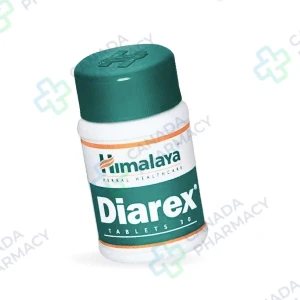
Diarex
Price range: $ 54,00 through $ 236,00
Active substance: Diarex
More Details
This product has multiple variants. The options may be chosen on the product page
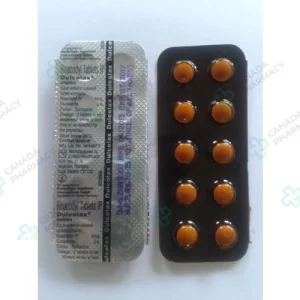
Dulcolax
Price range: $ 44,00 through $ 148,00
Active substance: Bisacodyl
More Details
This product has multiple variants. The options may be chosen on the product page

Gasex
Price range: $ 40,00 through $ 241,00
Active substance: Gasex
More Details
This product has multiple variants. The options may be chosen on the product page
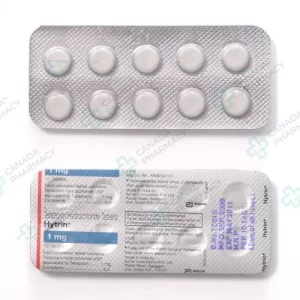
Hytrin
Price range: $ 57,00 through $ 451,00
Active substance: Terazosin
More Details
This product has multiple variants. The options may be chosen on the product page

Imodium
Price range: $ 51,00 through $ 138,00
Active substance: Loperamide
More Details
This product has multiple variants. The options may be chosen on the product page

Metoclopramide
Price range: $ 51,00 through $ 202,00
Active substance: metoclopramide
More Details
This product has multiple variants. The options may be chosen on the product page
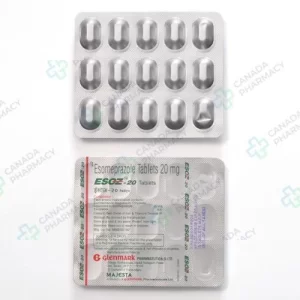
Nexium
Price range: $ 20,00 through $ 178,00
Active substance: esomeprazole
More Details
This product has multiple variants. The options may be chosen on the product page