

-16%
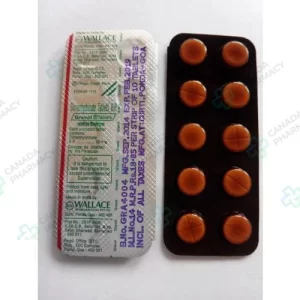
Dramamine
Price range: $ 10,00 through $ 207,00
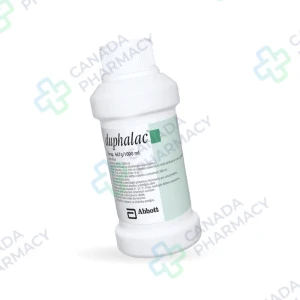
Duphalac
Price range: $ 48,00 through $ 300,00
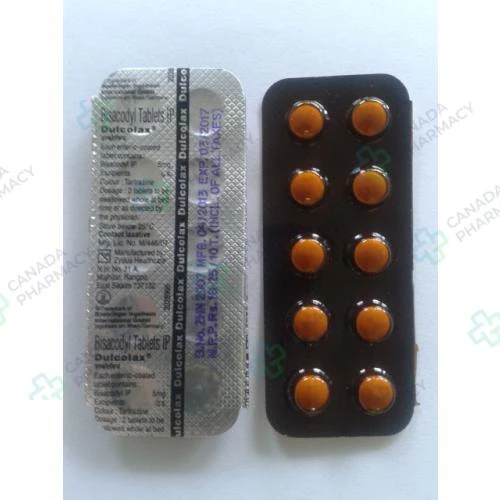
Dulcolax
Price range: $ 44,00 through $ 148,00
Dulcolax is a reliable stimulant laxative designed to provide dependable relief from occasional constipation and irregularity. The active ingredient, Bisacodyl, works by stimulating the bowel muscles to encourage a predictable bowel movement. These comfort-coated tablets are easy to swallow and are formulated to be gentle on the stomach while providing effective results. When taken at night, the medication typically works within six to twelve hours to help you feel like yourself again by morning. It is an ideal solution for those looking to restore their natural rhythm and alleviate the discomfort associated with digestive sluggishness.
Active substance: Bisacodyl
Delivery: 5–21 days (depending on the shipping method)
Extra 10% discount with coupon: IT4K6SVM
Each dosage option has its own packaging choices.
Description
Dulcolax – What You Need to Know
Dulcolax belongs to a group of medications called stimulant laxatives, which contain bisacodyl as the primary active therapeutic ingredient. It is available over the counter in the United States under applicable federal regulations for the management of occasional constipation.
This drug exerts a localized physiological effect on the colon to promote peristaltic movement and facilitate bowel evacuation. Proper understanding of its pharmacological properties, proper dosing schedule, and safety profile ensures optimal therapeutic outcomes.
| Attribute | Detail |
|---|---|
| Active ingredient | Bisacodyl |
| Therapeutic class | Stimulant laxative |
| Route of administration | Oral, Rectal |
| Primary purpose | Short-term relief of occasional constipation |
| Mechanism of action | Direct stimulation of colonic sensory nerve endings |
| When to expect effect | 6 to 12 hours (oral); 15 to 60 minutes (suppository) |
Main Uses
Dulcolax is indicated for the short-term treatment of occasional constipation in adults and pediatric patients aged 6 years and older. Occasional constipation is characterized by infrequent bowel movements, hard or dry stools, or difficulty passing stool due to temporary changes in diet, travel, or daily routine. Additionally, medical professionals may recommend bisacodyl for bowel cleansing prior to diagnostic procedures, such as colonoscopy or abdominal radiological imaging, as well as before surgical interventions requiring an empty lower gastrointestinal tract. This medication is intended exclusively for temporary symptomatic management and is not designed to treat chronic, underlying gastrointestinal motility disorders without clinical supervision.
How the Drug Works
The active component of Dulcolax, bisacodyl, acts directly on the mucosal membrane of the large intestine. Upon reaching the colon, the active compound stimulates parasympathetic nerve endings within the colonic mucosa, enhancing smooth muscle contractions known as peristalsis. This increased motor activity propels intestinal contents forward toward the rectum. Concurrently, bisacodyl promotes fluid and electrolyte accumulation in the colonic lumen by inhibiting water reabsorption and enhancing active electrolyte secretion. The combination of stimulated propulsive activity and increased stool hydration produces a softer stool consistency and facilitates faster transit through the distal gastrointestinal tract.
What Happens in the Body
Oral forms of Dulcolax are manufactured with a specialized enteric coating designed to resist the acidic environment of the stomach and upper small intestine. This delayed-release formulation prevents premature drug release in the stomach, minimizing gastric irritation and nausea. Minimal systemic absorption occurs following oral administration; the majority of the active drug undergoes enzymatic cleavage directly inside the colon to convert into its active deacetylated metabolite. The onset of action for oral tablets typically occurs between 6 and 12 hours after ingestion, which is why administration before sleep is frequently recommended. Rectal suppository formulations bypass upper gastrointestinal transit entirely, yielding localized action within 15 to 60 minutes.
Dosing Schedule
For oral tablets containing 5 mg of bisacodyl, the standard dosage for adults and children 12 years of age and older is 1 to 3 tablets (5 mg to 15 mg) taken as a single daily dose. Children aged 6 to under 12 years may take 1 tablet (5 mg) once daily. Rectal suppositories containing 10 mg of bisacodyl are typically administered as 1 suppository once daily for adults and children 12 years and older. Oral tablets must be swallowed whole with a full glass of water; they must not be chewed, crushed, or broken. Self-medication with Dulcolax should not exceed 7 consecutive days unless specifically instructed by a licensed healthcare provider.
Practical Tips
To optimize convenience, oral doses of Dulcolax are generally taken at bedtime so that bowel evacuation occurs the following morning. Ensure adequate daily fluid intake while using laxative preparations to support stool softening and prevent systemic dehydration. Individuals using oral enteric-coated tablets should avoid taking them within 1 hour of consuming dairy products, as alkaline conditions in the stomach can dissolve the protective coating prematurely. If using rectal suppositories, remove the protective wrapper prior to insertion and lie on one side with the knees bent for proper administration.
Compatibility with Other Medicines
Concomitant administration of oral Dulcolax with antacids, histamine H2-receptor antagonists, or proton pump inhibitors (PPIs) can compromise the drug’s safety profile. These acid-reducing agents raise gastric pH, which may cause the enteric coating of bisacodyl tablets to dissolve prematurely in the stomach, leading to gastric irritation, nausea, and stomach pain. Co-administration with diuretics or systemic corticosteroids may increase the risk of potassium depletion and overall electrolyte imbalance. Furthermore, altered intestinal transit time induced by stimulant laxatives can potentially alter the absorption efficiency of other concurrently administered oral medications.
Food and Alcohol Interactions
Milk, yogurt, and other dairy products must not be consumed within 1 hour before or after taking oral Dulcolax tablets. Dairy items exert a neutralizing effect on gastric acid, which can trigger early degradation of the enteric coating within the stomach. While alcohol does not directly interact pharmacologically with bisacodyl, excessive alcohol consumption contributes to systemic dehydration and can exacerbate constipation symptoms, counteracting the intended laxative benefit. Maintaining balanced dietary fiber intake and adequate plain water consumption during recovery from constipation is advised.
Adverse Reactions
Commonly reported side effects associated with Dulcolax include abdominal cramps, gastrointestinal discomfort, faintness, and mild diarrhea. Abdominal cramping results directly from the localized stimulation of smooth muscle contractions in the colon. Rectal administration of suppositories may occasionally cause localized irritation, a burning sensation, or mild mucosal discomfort. Excessive or prolonged use of bisacodyl can result in significant loss of fluid and essential electrolytes, notably potassium (hypokalemia), as well as physical dependence on laxatives for regular bowel function. Severe diarrhea may lead to dehydration and metabolic disturbances requiring clinical evaluation.
Red Flags
Certain symptoms indicate potential medical complications and warrant immediate clinical evaluation. Patients should seek emergency medical care if they experience severe, localized abdominal pain, persistent vomiting, unexplained rectal bleeding, or signs of a severe allergic reaction, such as swelling of the face, lips, or throat. Additionally, if no bowel movement occurs after using the product, or if laxative reliance extends beyond 7 days, immediate consultation with a healthcare provider is necessary to rule out structural intestinal obstruction or underlying gastrointestinal pathology.
Important Precautions
Dulcolax is contraindicated in patients with known hypersensitivity to bisacodyl, acute surgical abdomen, intestinal obstruction, ileus, acute appendicitis, or severe dehydration. Individuals experiencing undiagnosed abdominal pain, nausea, or vomiting should not take laxative preparations without prior medical evaluation. Use in pregnant women should only occur under the direct guidance of a licensed prescriber, as clinical data must be evaluated against potential risks. Safety in pediatric populations under 6 years of age for oral tablets has not been established; pediatric use requires clinical oversight. Elderly patients may be more sensitive to fluid and electrolyte shifts and should use caution.
Storage and Expiration
Store Dulcolax at controlled room temperature, ideally between 68°F and 77°F (20°C to 25°C), away from excessive heat, direct sunlight, and moisture. Store rectal suppositories below 77°F (25°C) to prevent melting or softening. Keep out of reach of children and pets. Do not use the product after the expiration date printed on the original outer packaging or blister foil.
Common Questions
How long does it take for oral Dulcolax to produce a bowel movement?
Oral Dulcolax tablets typically produce a bowel movement within 6 to 12 hours after ingestion. Because of this timeframe, taking the dose at bedtime often yields results the following morning. Suppositories act much more rapidly, usually within 15 to 60 minutes.
Why must Dulcolax tablets be taken whole without chewing or crushing?
Dulcolax tablets feature a specialized enteric coating that prevents the medication from dissolving in the acidic environment of the stomach. Chewing or crushing breaks this protective layer, causing the active drug to release prematurely in the stomach, which can lead to severe gastric irritation and nausea.
Can Dulcolax be taken every day for continuous bowel regularity?
No, Dulcolax is intended for short-term use only and should not be taken for more than 7 consecutive days unless instructed by a physician. Prolonged daily use of stimulant laxatives can lead to laxative dependence, impaired natural bowel function, and fluid or electrolyte imbalances.
What should I do if I miss a scheduled dose?
Since Dulcolax is taken as needed for constipation relief, missing a dose simply delays the onset of effect. Take the missed dose when remembered, provided it is not immediately prior to consuming dairy or antacids. Never double the dose to make up for a missed application.
Is it safe to consume milk or antacids alongside Dulcolax?
No, antacids and dairy products such as milk or yogurt should be avoided within 1 hour of taking oral Dulcolax. These substances neutralize gastric acid, causing the protective enteric coating on the tablets to dissolve too early in the stomach, resulting in stomach upset.
In accordance with FDA requirements.
The information presented here is not a substitute for professional medical advice.
Additional information
| Dosage |
5mg |
|---|---|
| Package |
90 pills ,120 pills ,180 pills ,270 pills ,360 pills |
| Ενεργός Ουσία |
Related products
Ascorbic Acid
Price range: $ 58,00 through $ 69,00
Active substance: Ascorbic Acid
More Details
This product has multiple variants. The options may be chosen on the product page
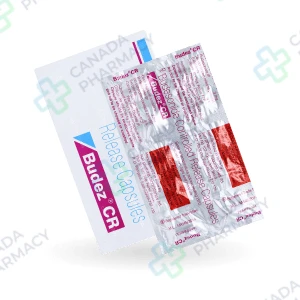
Budez CR
Price range: $ 23,00 through $ 108,00
Active substance: Budesonide
More Details
This product has multiple variants. The options may be chosen on the product page
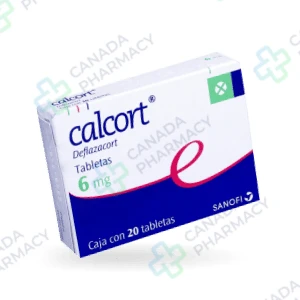
Calcort
Price range: $ 54,00 through $ 430,00
Active substance: Deflazacort
More Details
This product has multiple variants. The options may be chosen on the product page
Deltasone
Price range: $ 47,00 through $ 296,00
Active substance: Prednisone
More Details
This product has multiple variants. The options may be chosen on the product page
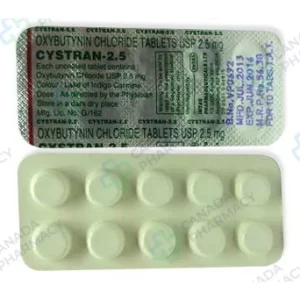
Ditropan
Price range: $ 23,00 through $ 262,00
Active substance: Oxybutynin
More Details
This product has multiple variants. The options may be chosen on the product page
Dramamine
Price range: $ 10,00 through $ 207,00
Active substance: dimenhydrinate
More Details
This product has multiple variants. The options may be chosen on the product page

Metoclopramide
Price range: $ 51,00 through $ 202,00
Active substance: metoclopramide
More Details
This product has multiple variants. The options may be chosen on the product page
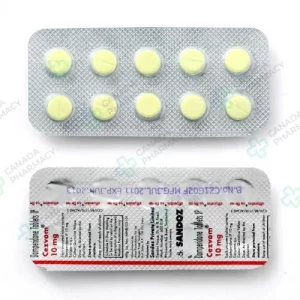
Motilium
Price range: $ 40,00 through $ 95,00
Active substance: domperidone
More Details
This product has multiple variants. The options may be chosen on the product page