

-48%
Dipyridamole
Price range: $ 43,00 through $ 257,00
Dostinex
Price range: $ 114,00 through $ 362,00
Ditropan
Price range: $ 23,00 through $ 262,00
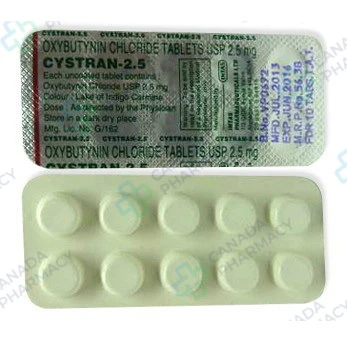
Ditropan is a highly effective medication specifically designed to manage symptoms associated with an overactive bladder. By relaxing the smooth muscles of the bladder, this treatment helps to decrease sudden urges and the frequent need to urinate. It is widely used to alleviate urinary incontinence, providing individuals with improved control and daily confidence. This medication effectively addresses issues such as urgency and leakage by stabilizing involuntary bladder contractions. Its primary function is to support comfort and improve the quality of life for those dealing with bladder instability or neurogenic bladder conditions.
Active substance: Oxybutynin
Delivery: 5–21 days (depending on the shipping method)
Extra 10% discount with coupon: IT4K6SVM
Each dosage option has its own packaging choices.
Description
Ditropan belongs to a class of medications known as anticholinergic and antispasmodic agents. The active compound, oxybutynin chloride, acts directly on smooth muscle tissue within the urinary bladder to manage involuntary detrusor contractions. In the United States, this medication is available by prescription only and must be dispensed in accordance with applicable federal and state regulations.
This detailed reference guide provides evidence-based information regarding the pharmacological mechanism, dosing schedules, drug compatibility profiles, and adverse reaction management associated with oxybutynin oral therapy.
Therapeutic Overview and Clinical Characteristics
Basic Product Information
| Property | Details |
|---|---|
| Active ingredient | Oxybutynin chloride |
| Therapeutic class | Anticholinergic / Antispasmodic agent |
| Dosage form | Oral tablet (immediate-release) |
| Route of administration | Oral |
| Prescription status | Prescription (Rx) only |
| Primary indication | Overactive bladder symptoms and neurogenic detrusor hyperreflexia |
Pharmacological Profile and Dosage
How the drug works
The active constituent of Ditropan is oxybutynin chloride, a synthetic tertiary amine possessing anticholinergic, antispasmodic, and local anesthetic properties. The primary mechanism of action involves competitive antagonist binding to muscarinic acetylcholine receptors, specifically the M1, M2, and M3 receptor subtypes located on the detrusor muscle of the urinary bladder. By inhibiting the binding of acetylcholine to these receptors, oxybutynin blunts involuntary neural impulses transmitted via parasympathetic pathways. This antagonism results in direct relaxation of the detrusor smooth muscle, an increase in maximal bladder capacity, and a reduction in the frequency of uninhibited detrusor contractions. Consequently, the drug delays the initial desire to void and reduces symptoms associated with involuntary urge incontinence.
What it’s used for
Ditropan is indicated for the treatment of overactive bladder (OAB) presenting with symptoms of urge urinary incontinence, urgency, and urinary frequency. Additionally, the drug is prescribed for pediatric and adult patients with neurogenic bladder dysfunctions, such as detrusor hyperreflexia secondary to neurological conditions like spina bifida or spinal cord injury. Beyond these FDA-approved indications, clinicians may occasionally prescribe oxybutynin off-label for the management of primary focal or generalized hyperhidrosis (excessive sweating). Any off-label administration of oxybutynin is not an FDA-approved indication and requires careful clinical evaluation and monitoring by a licensed healthcare provider to evaluate individual risk-benefit profiles.
What happens in the body
Following oral administration of immediate-release oxybutynin chloride, the drug is rapidly absorbed from the gastrointestinal tract, achieving peak plasma concentrations within approximately 1 hour. Oxybutynin undergoes extensive first-pass hepatic metabolism primarily mediated by the cytochrome P450 enzyme system, specifically the CYP3A4 isoenzyme. This metabolic process converts the parent drug into several metabolites, including N-desethyloxybutynin, which exhibits active anticholinergic activity and contributes significantly to both therapeutic efficacy and peripheral side effects. The plasma elimination half-life of immediate-release oxybutynin ranges between 2 and 3 hours. The drug and its metabolic clearance products are excreted primarily through the renal route via urine, with less than 0.1% excreted unchanged.
How to take it
Dosage regimens for Ditropan must be individualized based on clinical response and tolerability under the direction of a prescriber. For adult patients treated for overactive bladder, the customary starting dosage of immediate-release oral tablets is 5 mg administered two to three times daily. A maximum total daily dosage of 5 mg four times daily (20 mg total per day) should not be exceeded. For pediatric patients aged 5 years and older diagnosed with neurogenic bladder, the recommended starting dose is 5 mg twice daily, which may be titrated up to 5 mg three times daily as clinically indicated. The safety and efficacy of immediate-release tablets in pediatric patients under 5 years of age have not been established in clinical trials.
Safety Guidance, Precautions, and FAQ
Special Considerations and Risk Management
Adverse reactions
Adverse effects observed during Ditropan therapy stem largely from systemic anticholinergic receptor blockade. The most common peripheral effect reported by patients is xerostomia (dry mouth), which correlates directly with metabolic levels of N-desethyloxybutynin. Other frequently documented adverse reactions include constipation, dry eyes, blurred vision secondary to impaired accommodation, urinary retention, and somnolence (drowsiness). Central nervous system side effects such as dizziness, headache, confusion, and memory impairment may occur, particularly in vulnerable populations. Decreased lacrimation and reduced perspiration (anhidrosis) are also potential systemic reactions. Patients experiencing severe symptoms such as urinary tract obstruction or intense abdominal distress should contact their provider immediately.
Compatibility with other medicines
Concomitant administration of Ditropan with other anticholinergic agents (such as certain antihistamines, tricyclic antidepressants, or phenothiazines) can lead to additive anticholinergic toxicity, increasing the frequency and intensity of dry mouth, constipation, and sedation. Co-administration with potent CYP3A4 inhibitors (including ketoconazole, itraconazole, and clarithromycin) may decrease the metabolic clearance of oxybutynin, resulting in elevated systemic plasma exposure. Pharmacodynamic antagonism occurs when oxybutynin is taken alongside cholinesterase inhibitors (such as donepezil or rivastigmine) used in Alzheimer’s disease management, potentially compromising the therapeutic efficacy of both therapies. Combining oxybutynin with solid oral dosage forms of potassium chloride increases the risk of gastrointestinal mucosal lesions due to delayed GI transit time.
What to avoid while taking it
Ditropan may be taken with or without food; taking the tablet with food or a glass of milk may reduce mild gastrointestinal discomfort. Patients should exercise strict caution regarding alcohol consumption during therapy. Ethanol can amplify the central nervous system depressant effects of oxybutynin, escalating feelings of drowsiness, dizziness, and impaired cognitive function. Consuming alcohol while taking anticholinergic medication also increases the potential for psychomotor impairment during daily activities.
If you skip a dose
If a dose of Ditropan is missed, it should be taken as soon as remembered. However, if it is almost time for the next scheduled dose, the missed dose should be skipped entirely, and the normal dosing schedule resumed. Patients must never double the dose or take extra tablets to compensate for a missed administration, as doing so increases the risk of systemic anticholinergic toxicity and acute adverse effects.
Storage and expiration
Ditropan tablets should be stored at controlled room temperature between 20°C and 25°C (68°F to 77°F), with short excursions permitted between 15°C and 30°C (59°F and 86°F) in accordance with standard USP guidelines. The container must be kept tightly closed to shield the drug from excessive moisture and direct light exposure. Medications should always be stored safely out of reach of children and pets. Do not use tablets past the expiration date printed on the packaging.
Special populations
Elderly patients often exhibit heightened sensitivity to anticholinergic medications and may experience an increased incidence of central nervous system effects, including confusion, somnolence, and hallucinations. A lower initial dosage is generally recommended in geriatric patients. Ditropan is classified as Pregnancy Category B; it should be used during pregnancy only if clearly needed after evaluating maternal benefit versus potential fetal risk. Caution is advised when prescribing to nursing mothers, as oxybutynin is excreted in human milk and may suppress lactation. In pediatric clinical care, safety and efficacy for overactive bladder indications are established exclusively in patients 5 years of age and older suffering from neurogenic detrusor hyperreflexia.
Important precautions
Ditropan is contraindicated in patients with urinary retention, gastric retention, uncontrolled narrow-angle glaucoma, or severe hypersensitivity to oxybutynin chloride. Therapy must be monitored closely in individuals with pre-existing gastrointestinal obstructive disorders, severe ulcerative colitis, myasthenia gravis, or hepatic/renal impairment. Because oxybutynin suppresses perspiration, patients exposed to high environmental temperatures (such as hot summer climate conditions in states like Texas or Arizona) face an elevated risk of heat prostration and hyperthermia. Prescribers should periodically re-evaluate treatment goals and monitor patients for central nervous system toxicity, particularly somnolence, agitation, or cognitive decline.
Common Questions
Does Ditropan increase the risk of heat-related illness during hot weather?
Yes. Ditropan decreases body sweating (anhidrosis) due to its anticholinergic effect on sweat glands. In warm environments or during intense physical exertion, this reduction in sweating impairs the body’s natural heat elimination mechanism, increasing the risk of heat exhaustion, fever, or heat stroke. Patients living in high-temperature regions should remain in cool environments and stay adequately hydrated.
Can oxybutynin chloride impair the ability to operate machinery or drive?
Oxybutynin chloride commonly causes central nervous system side effects such as drowsiness, dizziness, and blurred vision due to altered ocular accommodation. Patients starting Ditropan or adjusting their dose should refrain from driving, operating heavy machinery, or engaging in potentially hazardous tasks until they are certain the medication does not impair their mental alertness or vision.
Is it safe to stop taking Ditropan abruptly if dry mouth becomes uncomfortable?
While stopping Ditropan abruptly does not typically cause severe withdrawal symptoms, bladder control symptoms such as urinary urgency and incontinence are likely to return rapidly. Patients experiencing uncomfortable side effects like dry mouth should discuss management strategies (such as saliva substitutes or dosage adjustments) with their prescribing provider before discontinuing therapy.
How does Ditropan interact with medications prescribed for memory loss?
Ditropan antagonizes cholinergic transmission, whereas drugs used to treat cognitive decline in Alzheimer’s disease (such as donepezil, rivastigmine, or galantamine) work by increasing acetylcholine levels. Taking Ditropan concurrently with cholinesterase inhibitors can offset the therapeutic effects of both medications. Healthcare providers should review the complete drug regimen to avoid counteracting cognitive therapies.
Can Ditropan immediate-release tablets be split if swallowing is difficult?
Immediate-release Ditropan tablets may generally be scored or split if advised by a healthcare provider or pharmacist. However, patients should never split, crush, or chew extended-release formulations of oxybutynin, as altering controlled-release mechanisms can lead to rapid systemic drug absorption and severe anticholinergic toxicity.
In accordance with FDA requirements. Data derived from official prescribing information.
This text is for informational purposes only and does not constitute individual medical advice.
Additional information
| Dosage |
2.5 mg ,5mg |
|---|---|
| Package |
30 pills ,60 pills ,90 pills ,120 pills ,180 pills ,270 pills ,360 pills |
| Ενεργός Ουσία |
Related products
Decadron
Price range: $ 12,00 through $ 182,00
Active substance: Dexamethasone
More Details
This product has multiple variants. The options may be chosen on the product page
Deltasone
Price range: $ 47,00 through $ 296,00
Active substance: Prednisone
More Details
This product has multiple variants. The options may be chosen on the product page
Duphalac
Price range: $ 48,00 through $ 300,00
Active substance: Lactulose
More Details
This product has multiple variants. The options may be chosen on the product page
Hytrin
Price range: $ 57,00 through $ 451,00
Active substance: Terazosin
More Details
This product has multiple variants. The options may be chosen on the product page
Imodium
Price range: $ 51,00 through $ 138,00
Active substance: Loperamide
More Details
This product has multiple variants. The options may be chosen on the product page
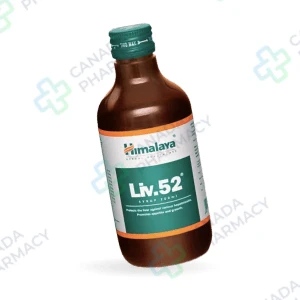
Liv.52 Syrup
$ 60,00
Active substance: Chicory, The Caper Bush
More Details
This product has multiple variants. The options may be chosen on the product page
Metoclopramide
Price range: $ 51,00 through $ 202,00
Active substance: metoclopramide
More Details
This product has multiple variants. The options may be chosen on the product page
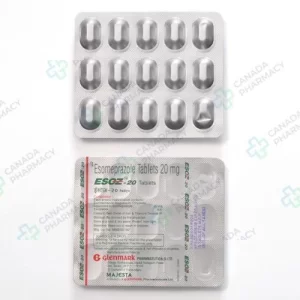
Nexium
Price range: $ 20,00 through $ 178,00
Active substance: esomeprazole
More Details
This product has multiple variants. The options may be chosen on the product page