

-38%
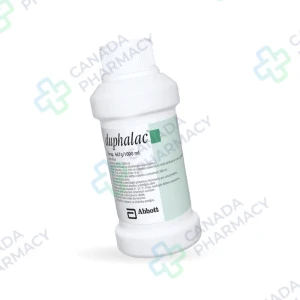
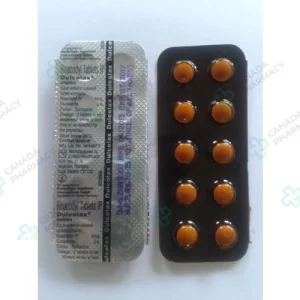
Dulcolax
Price range: $ 44,00 through $ 148,00
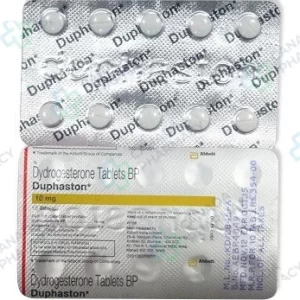
Duphaston
Price range: $ 64,00 through $ 648,00
Duphalac
Price range: $ 48,00 through $ 300,00
Duphalac is an effective oral solution containing lactulose, a synthetic sugar specifically designed to support digestive health. It is widely used to provide gentle relief from chronic constipation by softening the stool and promoting regular bowel movements. The formula works by drawing water into the colon through an osmotic process, making it easier to pass waste naturally. Furthermore, Duphalac is an essential treatment for managing hepatic encephalopathy by helping to lower ammonia levels in the bloodstream. This versatile medication offers a dependable solution for those seeking to improve their intestinal transit and overall metabolic balance.
Active substance: Lactulose
Delivery: 5–21 days (depending on the shipping method)
Extra 10% discount with coupon: IT4K6SVM
Each dosage option has its own packaging choices.
Description
Lactulose liquid, frequently identified under the brand name Duphalac, belongs to a class of medications known as osmotic laxatives and hepatic encephalopathy therapeutic agents. It is prescribed for the management of chronic constipation and for the prevention and treatment of portal-systemic encephalopathy, a neurological complication associated with severe liver dysfunction. In the United States, lactulose formulations are dispensed in accordance with applicable federal and state prescription regulations.
Understanding the correct administration, pharmacological characteristics, and potential risk factors associated with lactulose ensures safe and optimal therapeutic outcomes. This guide provides an objective breakdown regarding its mechanism of action, clinical indications, adverse reaction profile, and essential safety precautions.
| Active ingredient | Lactulose |
| Primary purpose | Treatment of chronic constipation and portal-systemic encephalopathy |
| Route of administration | Oral solution or rectal retention enema |
| Mechanism of action | Osmotic retention of fluid in the colon; reduction of blood ammonia levels |
| When to expect effect | 24 to 48 hours for bowel motility; variable for hepatic encephalopathy |
| Food intake | May be taken with or without food; mixing with juice, milk, or water is acceptable |
Clinical Profile and Pharmacological Action
Main Uses
Lactulose is clinically indicated for two primary medical conditions. First, it is utilized in the symptomatic management of chronic constipation. By increasing intestinal fluid content, it aids in restoring regular bowel movements in patients who do not respond adequately to dietary fiber modifications or bulk-forming laxatives. Second, lactulose is indicated for the prevention and treatment of portal-systemic encephalopathy (hepatic encephalopathy). In severe hepatic impairment, toxic substances such as ammonia accumulate in the bloodstream, leading to cognitive impairment, confusion, or coma. Lactulose aids in decreasing arterial blood ammonia concentrations, thereby improving neurological status in affected patients.
How the Drug Works
The therapeutic efficacy of lactulose relies on its unique chemical structure as a synthetic disaccharide composed of galactose and fructose. Because the human small intestine lacks the specific disaccharidase enzymes required to break down lactulose, the compound passes largely unchanged into the colon. Upon reaching the large intestine, resident colonic bacteria metabolize lactulose into low-molecular-weight organic acids, primarily lactic acid, acetic acid, and formic acid. This bacterial breakdown produces two distinct pharmacological effects: osmotic water retention and nitrogen trapping.
The accumulation of organic acids lowers the local pH within the colonic lumen. This acidic environment creates an osmotic gradient, drawing water into the intestinal lumen to soften the stool mass and stimulate peristaltic bowel movement. Simultaneously, the decreased colonic pH converts free ammonia (NH3) into ammonium ions (NH4+). Because ammonium ions cannot readily cross the intestinal mucosa back into the bloodstream, nitrogenous waste is trapped inside the lumen and subsequently excreted in the feces, effectively reducing systemic blood ammonia concentration.
How it’s absorbed and eliminated
Following oral administration, less than 3% of the administered lactulose dose is absorbed in the upper gastrointestinal tract. The minor fraction that enters systemic circulation is excreted unchanged in the urine within 24 hours. The remaining unabsorbed fraction travels directly to the colon, where it undergoes full metabolic transformation by colonic microflora. Elimination of the breakdown metabolites occurs primarily via the feces. The elimination half-life of the small absorbed fraction ranges from 1.5 to 2 hours in individuals with normal renal function, though systemic systemic half-life is clinically less relevant due to its localized action within the intestinal tract.
First days of treatment
During the initial 24 to 48 hours of starting lactulose therapy, patients frequently report gastrointestinal adjustments. Increased gas production, flatulence, abdominal rumbling, and mild abdominal cramping are common early responses as colonic bacteria adapt to the presence of the disaccharide. For constipation management, bowel movements typically occur within 24 to 48 hours after the initial dose. Patients undergoing treatment for hepatic encephalopathy may experience loose stools, which is an expected therapeutic response aimed at achieving two to three soft stools per day.
Signs of improvement
Evaluating the therapeutic response depends on the underlying condition being treated. When used for chronic constipation, successful treatment is characterized by increased stool frequency, softer stool consistency, and reduced strain during bowel movements without severe diarrhea. In patients receiving treatment for portal-systemic encephalopathy, clinical improvement is evaluated by enhanced mental clarity, improved hand-eye coordination, reduced tremor or asterixis (flapping tremor), and a measurable decline in blood ammonia levels determined through laboratory testing.
Administration, Safety, and Precautions
Dosing Schedule
The dosage of lactulose liquid must be individualized according to the clinical indication and patient response. For the treatment of chronic constipation, the typical initial oral dose for adults ranges from 15 mL to 30 mL (10 grams to 20 grams of lactulose) daily, which may be increased to 45 mL daily if necessary. Once a predictable bowel routine is established, the dosage is usually titrated downward to a maintenance level. For portal-systemic encephalopathy, initial adult oral doses generally range from 30 mL to 45 mL taken three to four times daily. The dosage is subsequently adjusted to produce two to three soft stools per day. In acute clinical settings, lactulose may be administered rectally via a retention enema diluted with water or normal saline under medical supervision.
Adverse Reactions
Adverse events associated with lactulose therapy are predominantly localized to the gastrointestinal system. Transient flatulence, belching, abdominal distension, and mild abdominal discomfort occur frequently at the beginning of treatment and often subside over time. Higher doses, particularly those used in managing hepatic encephalopathy, frequently cause diarrhea, nausea, vomiting, and hypokalemia. Severe diarrhea can lead to significant fluid loss, dehydration, hypernatremia, and electrolyte imbalances. Patients experiencing persistent watery diarrhea, severe abdominal pain, or symptoms of severe fluid loss should contact a healthcare professional immediately.
Compatibility with other medicines
Concomitant administration of lactulose with oral broad-spectrum anti-infective agents (such as neomycin or other antibiotics) may alter the intestinal flora responsible for fermenting lactulose, potentially decreasing its clinical efficacy in lowering blood ammonia levels. Non-absorbable antacids should not be administered concurrently with lactulose, as they may prevent the necessary reduction in colonic pH. Additionally, combining lactulose with other laxative agents is generally discouraged, as it complicates the titration required to maintain a specific stool frequency and increases the risk of electrolyte disturbances.
Important precautions
Lactulose is strictly contraindicated in patients requiring a low-galactose diet, such as those diagnosed with galactosemia, as the oral liquid contains small quantities of free galactose and lactose. Caution is required when administering this medication to patients with diabetes mellitus, as the formulation contains residual carbohydrates that may affect blood glucose control during high-dose therapy. Elderly or debilitated patients receiving lactulose for more than six months should undergo periodic monitoring of serum electrolytes (including potassium, sodium, and chloride) to prevent silent dehydration or metabolic imbalances.
What to avoid while taking it
Patients taking lactulose should avoid sudden changes in fluid intake. Adequate hydration is essential to support the osmotic action of the medication and to prevent systemic dehydration. Alcohol consumption should be minimized or avoided entirely, particularly in patients with underlying hepatic dysfunction, as alcohol exacerbates liver damage and gastrointestinal mucosal irritation. Additionally, self-medicating with over-the-counter laxatives or anti-diarrheal agents without medical guidance is strongly discouraged during lactulose therapy.
Storage and expiration
Lactulose liquid should be stored at controlled room temperature, ideally between 59°F and 86°F (15°C to 30°C). The solution should not be frozen, as freezing can alter the viscosity and physical stability of the liquid. Exposure to high heat or direct sunlight may cause the solution to darken over time; while slight darkening does not diminish therapeutic activity, severe discoloration or cloudiness indicates degradation, and the bottle should be discarded. The container must remain tightly closed, and unused liquid must not be used past the expiration date printed on the label.
Common Questions
Is lactulose safe for long-term daily use?
When prescribed for chronic conditions under medical oversight, lactulose can be used for extended periods. However, long-term administration requires periodic monitoring of serum electrolytes and hydration status to ensure that fluid imbalances do not develop over time.
Can people with lactose intolerance take lactulose?
Lactulose formulations contain small amounts of free lactose and galactose as synthesis byproducts. While small doses used for mild constipation are generally tolerated by individuals with mild lactose intolerance, patients with severe intolerance or galactosemia should consult their physician before starting treatment.
What should be done if a scheduled dose is missed?
If a dose of lactulose is missed, it should be taken as soon as remembered, unless it is nearly time for the next scheduled dose. Patients should not double the dose to make up for a missed administration, as taking excessive amounts increases the risk of acute diarrhea and abdominal cramping.
Why is lactulose sometimes prescribed for patients with end-stage liver disease?
In patients with advanced liver disease, the liver cannot efficiently remove nitrogenous waste products like ammonia from the blood. Lactulose acidifies the colonic environment, turning ammonia into non-absorbable ammonium, which is safely eliminated in the stool, thereby protecting brain function.
Can lactulose liquid be diluted before swallowing?
Yes, lactulose liquid has a sweet taste that some patients find overly intense. It can be mixed with water, fruit juice, or milk, or added to soft foods such as applesauce immediately prior to ingestion to improve palatability.
This text is for informational purposes only and does not constitute individual medical advice. In accordance with FDA requirements.
Additional information
| Dosage |
100ml |
|---|---|
| Package |
1 bottles ,2 bottles ,3 bottles ,4 bottles ,5 bottles ,6 bottles ,7 bottles ,8 bottles ,9 bottles ,10 bottles |
| Ενεργός Ουσία |
Related products
Aciphex
Price range: $ 45,00 through $ 274,00
Active substance: Rabeprazole
More Details
This product has multiple variants. The options may be chosen on the product page
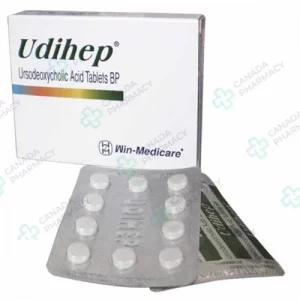
Actigall
Price range: $ 60,00 through $ 521,00
Active substance: Ursodiol
More Details
This product has multiple variants. The options may be chosen on the product page

Bentyl
Price range: $ 63,00 through $ 900,00
Active substance: Dicyclomine
More Details
This product has multiple variants. The options may be chosen on the product page
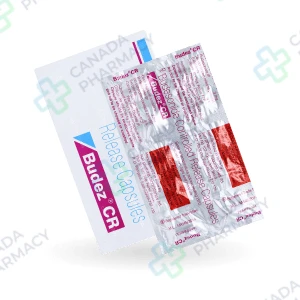
Budez CR
Price range: $ 23,00 through $ 108,00
Active substance: Budesonide
More Details
This product has multiple variants. The options may be chosen on the product page
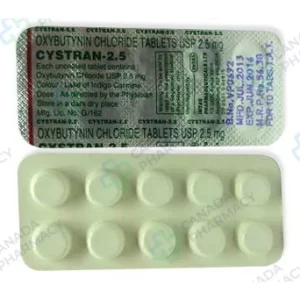
Ditropan
Price range: $ 23,00 through $ 262,00
Active substance: Oxybutynin
More Details
This product has multiple variants. The options may be chosen on the product page
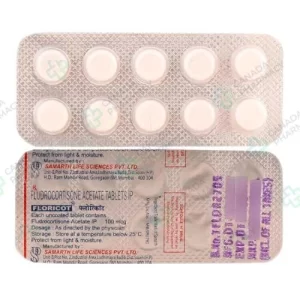
Florinef
Price range: $ 51,00 through $ 367,00
Active substance: Fludrocortisone
More Details
This product has multiple variants. The options may be chosen on the product page

Metoclopramide
Price range: $ 51,00 through $ 202,00
Active substance: metoclopramide
More Details
This product has multiple variants. The options may be chosen on the product page
Nitrofurantoin
Price range: $ 58,00 through $ 309,00
Active substance: Nitrofurantoin
More Details
This product has multiple variants. The options may be chosen on the product page