

-27%
Nirdosh
Price range: $ 9,00 through $ 20,00
Nitroglycerin
Price range: $ 21,00 through $ 526,00
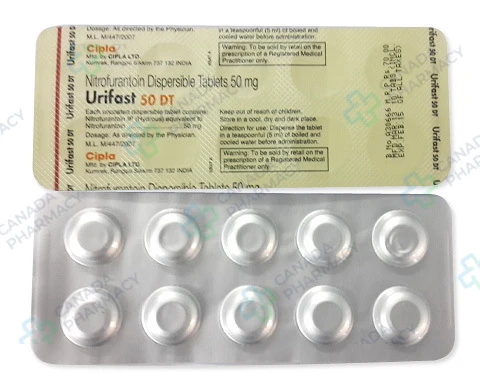
Nitrofurantoin
Price range: $ 58,00 through $ 309,00
Nitrofurantoin is a specialized antibiotic medication primarily used to treat and prevent various types of urinary tract infections. It is highly effective at eliminating the bacteria responsible for acute uncomplicated cystitis, helping to resolve symptoms like pain and urgency quickly. The active ingredient works by disrupting the internal processes of harmful bacteria, which prevents them from multiplying and spreading. Beyond treating active conditions, this medication is also frequently utilized as a preventative measure for individuals prone to recurring infections. By targeting the source of the infection directly, Nitrofurantoin provides a focused and efficient approach to restoring urinary health.
Active substance: Nitrofurantoin
Delivery: 5–21 days (depending on the shipping method)
Extra 10% discount with coupon: IT4K6SVM
Each dosage option has its own packaging choices.
Description
Nitrofurantoin belongs to a class of antibacterial agents known as nitrofurans. It is a prescription synthetic antimicrobial prescribed primarily for the treatment and prevention of acute uncomplicated lower urinary tract infections. In accordance with Federal law and Food and Drug Administration (FDA) regulations, nitrofurantoin is available strictly by prescription (Rx) from a licensed healthcare provider.
The drug operates specifically within the urinary tract, making it a targeted therapeutic option for lower urinary tract pathologies while sparing systemic microflora to a higher degree than broad-spectrum oral agents. Proper administration requires strict adherence to prescribed timelines and clinical guidelines to ensure efficacy and prevent the development of drug-resistant bacteria.
Overview and Therapeutic Guidelines
| Attribute | Details |
|---|---|
| Active ingredient (INN) | Nitrofurantoin |
| Therapeutic class | Nitrofuran Antibacterials |
| Dosage form | Oral capsules, oral suspension |
| Route of administration | Oral |
| Prescription status | Prescription only (Rx) |
| Primary purpose | Treatment and suppression of lower urinary tract infections (cystitis) |
How the drug works
Nitrofurantoin possesses a unique multi-target mechanism of action that differentiates it from many other antibacterial agents. Upon oral administration and absorption into bacterial cells, the compound is reduced by bacterial flavoproteins (nitrofuran reductase) into reactive intermediate metabolites. These highly reactive intermediates attack bacterial ribosomal proteins, DNA, RNA, cell wall synthesis enzymes, and pyruvate metabolism. By simultaneously inhibiting multiple vital biochemical pathways within susceptible micro-organisms, nitrofurantoin achieves a bactericidal effect in concentrated urinary environments. This multi-target mechanism also contributes to a low rate of acquired bacterial resistance compared to single-target agents. It is active against common uropathogens including Escherichia coli, Enterococcus faecalis, and Staphylococcus saprophyticus, though species such as Proteus and Pseudomonas are typically resistant.
What it’s used for
Nitrofurantoin is explicitly indicated for the treatment of acute uncomplicated urinary tract infections (cystitis) caused by susceptible strains of specific gram-positive and gram-negative bacteria. It is also FDA-approved for long-term suppressive therapy or prophylaxis of recurrent urinary tract infections in select patient populations. Crucially, nitrofurantoin is limited to lower urinary tract infections and is not indicated for the treatment of pyelonephritis, renal cortical abscesses, or systemic bacterial infections due to inadequate tissue concentrations in the renal parenchyma and bloodstream. Any off-label use for non-urinary bacterial infections is inappropriate and medically unsafe. Patients must complete the full prescribed course even if clinical symptoms resolve prematurely.
Dosing schedule
The dosage and duration of nitrofurantoin therapy are determined individually by a licensed prescriber based on the specific clinical indication, formulation type (e.g., macrocrystals vs. monohydrate/macrocrystals), and patient characteristics. For acute uncomplicated cystitis in adults, standard dosing typically ranges from 50 mg to 100 mg administered orally every 6 to 12 hours depending on the precise formulation (such as twice-daily monohydrate/macrocrystals or four-times-daily macrocrystals). For long-term suppressive prophylaxis, lower daily doses (such as 50 mg to 100 mg at bedtime) are commonly prescribed. Capsules should be swallowed whole and taken directly with food or milk to optimize gastrointestinal tolerability and enhance oral bioavailability.
What happens in the body
Following oral administration, nitrofurantoin is rapidly and substantially absorbed from the gastrointestinal tract. Administering the drug with food increases the extent of absorption and prolongs therapeutic drug concentrations in the urine. Nitrofurantoin is rapidly metabolized by body tissues, predominantly in the liver, with approximately 30% to 40% of the active dose excreted unchanged rapidly into the urine via glomerular filtration and tubular secretion. In patients with normal renal function, the elimination half-life is brief, ranging from approximately 20 to 60 minutes. Because therapeutic antimicrobial concentrations are achieved exclusively in the urinary bladder rather than systemic plasma or renal parenchyma, adequate renal function is essential for therapeutic efficacy and safety.
What not to combine
Nitrofurantoin exhibits several clinically significant drug interactions that require evaluation prior to initiating therapy. Antacids containing magnesium trisilicate significantly reduce both the rate and extent of nitrofurantoin absorption when taken concurrently; therefore, such combinations should be avoided. Uricosuric agents, such as probenecid and sulfinpyrazone, inhibit renal tubular secretion of nitrofurantoin, which decreases urinary concentrations of the drug and increases serum levels, thereby raising the risk of systemic toxicity while diminishing antimicrobial efficacy in the bladder. Additionally, quinolone antibacterials may exhibit competitive antagonism with nitrofurantoin in vitro, and co-administration is generally not recommended. Patients should inform their provider of all prescription medications, over-the-counter drugs, and dietary supplements currently being taken.
Safety Profile and Patient Information
Adverse reactions
Adverse effects associated with nitrofurantoin primarily involve the gastrointestinal system, including nausea, anorexia, vomiting, abdominal cramps, and diarrhea. A very common and harmless side effect is a dark yellow or brown discoloration of the urine, caused by excreted drug metabolites. Neurological reactions such as headache, dizziness, or drowsiness may also occur. Serious potential adverse reactions include pulmonary toxicity (presenting as acute hypersensitivity pneumonitis with fever, chills, cough, and dyspnea, or chronic pulmonary fibrosis during long-term therapy), hepatic dysfunction (including cholestatic jaundice or hepatitis), peripheral neuropathy, and Clostridioides difficile-associated diarrhea. Patients experiencing signs of hypersensitivity, breathing difficulties, or severe peripheral sensory changes must seek immediate medical evaluation.
Important precautions
Nitrofurantoin carries significant contraindications and safety precautions across specific patient populations. It is strictly contraindicated in patients with anuria, oliguria, or significantly impaired renal function (creatinine clearance below 60 mL/min or elevated serum creatinine), as impaired excretion leads to systemic drug accumulation and severe toxicity without achieving therapeutic urinary concentrations. Nitrofurantoin is contraindicated in pregnant women at term (38 to 42 weeks gestation), during labor and delivery, or when the onset of labor is imminent, due to the potential risk of hemolytic anemia in the newborn. It is likewise contraindicated in pediatric infants under one month of age. Patients with glucose-6-phosphate dehydrogenase (G6PD) deficiency face an elevated risk of intravascular hemolysis and require cautious evaluation.
What to avoid while taking it
Dietary choices significantly influence nitrofurantoin therapy. Taking nitrofurantoin with meals, milk, or food increases gastrointestinal tolerance and enhances overall systemic absorption, leading to higher therapeutic urinary levels. While alcohol does not have a direct chemical contraindication with nitrofurantoin, consuming alcohol during an active urinary tract infection can irritate the bladder mucosa, exacerbate urinary frequency and urgency, and compound central nervous system side effects such as dizziness or drowsiness. Patients should also avoid concurrent intake of antacids containing magnesium trisilicate.
If you skip a dose
Maintaining consistent drug levels in the urinary tract is crucial for eradicating bacterial infections. If a dose of nitrofurantoin is missed, it should be taken as soon as remembered, provided it is taken with food or milk. However, if it is almost time for the next scheduled dose, the missed dose should be skipped entirely, and the regular dosing regimen should be resumed. Patients should never double the dose to compensate for a missed capsule, as taking two doses at once increases the risk of acute gastrointestinal distress and systemic side effects.
Day-to-day use
Integrating nitrofurantoin into a daily routine requires attention to timing and liquid intake. Doses should be spaced evenly throughout the day as directed by the prescriber. Staying adequately hydrated by drinking plenty of water helps flush the urinary system, although excessive fluid intake should be balanced so as not to overly dilute the antimicrobial concentration in the bladder. Urine discoloration (brownish or dark yellow) is expected during treatment and typically resolves shortly after stopping the medication. Completing the entire prescribed duration is essential to prevent recurrence and resistance.
Storage and expiration
Nitrofurantoin capsules and oral suspensions should be stored at controlled room temperature, typically between 68°F and 77°F (20°C to 25°C), away from excessive heat, moisture, and direct light. The medication should be kept tightly closed in its original, light-resistant container and stored safely out of the reach of children and pets. Do not store capsules in humid environments such as bathroom cabinets. Expired or unused medication should be disposed of properly according to local pharmacy take-back programs or federal drug disposal guidelines.
When to seek help immediately
| Emergency Warning Sign | Recommended Action |
|---|---|
| Difficulty breathing, shortness of breath, or new/worsening cough | Seek immediate emergency medical care (potential acute pulmonary reaction). |
| Yellowing of the skin or eyes (jaundice), severe dark urine, or upper right abdominal pain | Discontinue use and contact a doctor immediately (potential liver toxicity). |
| Numbness, tingling, burning pain, or weakness in hands or feet | Contact your healthcare provider promptly (potential peripheral neuropathy). |
| Severe, watery diarrhea or fever occurring during or weeks after treatment | Seek medical evaluation for possible Clostridioides difficile infection. |
| Swelling of the face, lips, tongue, or throat, or severe skin rash with peeling | Seek immediate emergency medical assistance (severe allergic reaction). |
Common questions
Is it normal for urine to change color while taking nitrofurantoin?
Yes. Nitrofurantoin commonly turns the urine a dark yellow or brownish color. This effect is completely harmless, expected, and results from the physical excretion of the drug’s active metabolites through the urinary tract. The discoloration resolves once the course of treatment is finished.
What should I do if I experience persistent numbness or tingling in my fingers or toes?
You should contact your prescribing doctor immediately. Peripheral neuropathy, characterized by sensory changes, numbness, or tingling in the extremities, is a potential serious side effect of nitrofurantoin. Prompt medical evaluation is required, as the medication may need to be discontinued to prevent irreversible nerve damage.
Why must nitrofurantoin be taken with food?
Taking nitrofurantoin with meals or milk serves two main functions: it minimizes gastrointestinal side effects such as nausea and stomach upset, and it significantly enhances the absorption of the drug into the bloodstream, resulting in higher and more effective antimicrobial concentrations in the urine.
Can nitrofurantoin be used to treat kidney infections?
No. Nitrofurantoin is specifically formulated and indicated for lower urinary tract infections, such as bladder infections (cystitis). Because the drug concentrates rapidly in the urine and does not achieve adequate therapeutic concentrations in renal tissues or blood serum, it is ineffective for upper urinary tract or kidney infections like pyelonephritis.
In accordance with FDA requirements.
This text is for informational purposes only and does not constitute individual medical advice.
Additional information
| Dosage |
50mg ,100mg |
|---|---|
| Package |
100 pills ,200 pills ,300 pills ,400 pills ,500 pills ,600 pills |
| Ενεργός Ουσία |
Related products
Amoxil
Price range: $ 40,00 through $ 170,00
Active substance: amoxicillin
More Details
This product has multiple variants. The options may be chosen on the product page
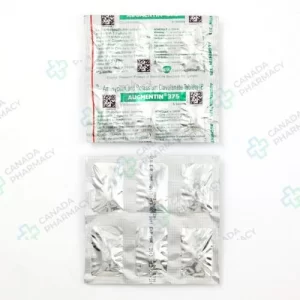
Augmentin
Price range: $ 56,00 through $ 678,00
Active substance: amoxicillin, clavulanate
More Details
This product has multiple variants. The options may be chosen on the product page
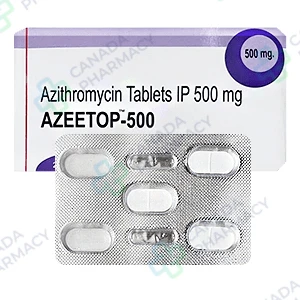
Azeetop
Price range: $ 40,00 through $ 250,00
Active substance: Azithromycin
More Details
This product has multiple variants. The options may be chosen on the product page
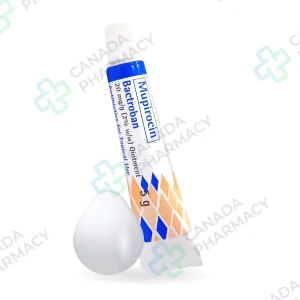
Bactroban Ointment 5g
Price range: $ 55,00 through $ 200,00
Active substance: Mupirocin
More Details
This product has multiple variants. The options may be chosen on the product page
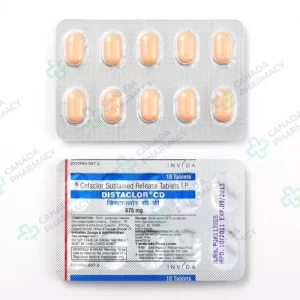
Ceclor CD
Price range: $ 53,00 through $ 154,00
Active substance: Cefaclor
More Details
This product has multiple variants. The options may be chosen on the product page
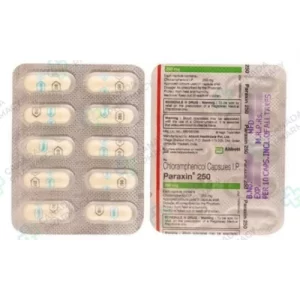
Chloromycetin
Price range: $ 52,00 through $ 242,00
Active substance: chloramphenicol
More Details
This product has multiple variants. The options may be chosen on the product page
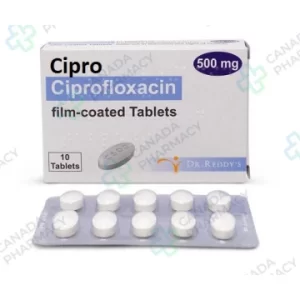
Cipro
Price range: $ 40,00 through $ 317,00
Active substance: Ciprofloxacin
More Details
This product has multiple variants. The options may be chosen on the product page
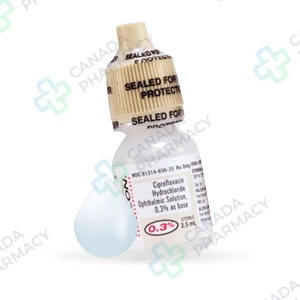
Ciprodex Ophthalmic Solution
Price range: $ 63,00 through $ 95,00
Active substance: Ciprofloxacin, Dexamethasone
More Details
This product has multiple variants. The options may be chosen on the product page