

-33%
Nimotop
Price range: $ 40,00 through $ 338,00
Nitrofurantoin
Price range: $ 58,00 through $ 309,00
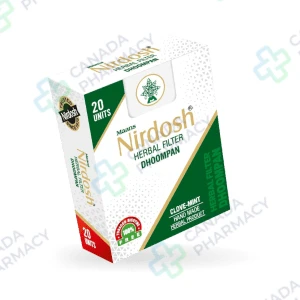
Nirdosh
Price range: $ 9,00 through $ 20,00
Nirdosh is a premium Ayurvedic herbal blend specifically designed to support a tobacco-free and nicotine-free lifestyle. This natural formulation features a carefully selected mix of traditional herbs, including cloves, turmeric, and basil, known for their aromatic benefits. It provides an effective alternative for individuals looking to maintain the ritual of smoking while avoiding the harmful chemicals found in conventional products. The soothing properties of these botanical ingredients help promote a sense of relaxation and respiratory comfort. By choosing this holistic option, you can enjoy a flavorful experience that aligns with a health-conscious daily routine.
Active substance: Herbal
Delivery: 5–21 days (depending on the shipping method)
Extra 10% discount with coupon: IT4K6SVM
Each dosage option has its own packaging choices.
Description
Nirdosh – Information for Patients and Caregivers
Nirdosh operates through a blend of traditional botanical ingredients intended to replicate the sensory mechanics of smoking without introducing nicotine or tobacco. This formulation delivers aromatic plant vapors, such as holy basil and clove, to assist individuals managing nicotine withdrawal rituals. Nirdosh is dispensed in accordance with applicable federal and state regulations as a non-tobacco botanical product.
As an herbal alternative, Nirdosh provides a non-addictive option for adults seeking to alter behavioral smoking habits. It should be evaluated under professional guidance, especially for individuals with underlying pulmonary or metabolic health concerns.
| Property | Details |
|---|---|
| Product Name | Nirdosh |
| Key Ingredients | Holy Basil (Ocimum sanctum), Clove (Syzygium aromaticum), Liquorice (Glycyrrhiza glabra), Turmeric (Curcuma longa) |
| Dosage Form | Herbal stick / Dhoompan stick |
| Route of Administration | Inhalation |
| Primary Purpose | Nicotine-free behavioral smoking alternative |
| Regulatory Status | Dispensed in accordance with applicable federal and state regulations |
| Storage | Store in a cool, dry place away from direct heat and moisture |
How the drug works
Nirdosh functions primarily as a psychological and sensory substitute for conventional tobacco products. The active botanical components, including Ocimum sanctum (Holy Basil), Syzygium aromaticum (Clove), and Glycyrrhiza glabra (Liquorice), release volatile essential oils upon mild thermal heating. Clove provides eugenol, which exerts a mild local soothing effect on the mucosal membranes of the upper respiratory tract. Holy Basil contributes polyphenolic antioxidants and aromatic terpenes that produce a distinctive herbal aroma, simulating the inhalation gesture associated with smoking. Because Nirdosh contains zero nicotine, it does not bind to nicotinic acetylcholine receptors in the central nervous system, thereby avoiding the chemical dependency pathways associated with tobacco. Instead, the physical act of inhalation coupled with sensory airway feedback helps interrupt the conditioned hand-to-mouth habit.
What it’s used for
Nirdosh is utilized as a non-pharmaceutical option for adults seeking to break tobacco smoking routines. It is applied as a behavioral replacement tool during nicotine tapering programs or smoking cessation efforts. Additionally, in traditional Ayurvedic practices, the thermal inhalation of selected herb vapors (known as Dhoompan) is described for clearing upper respiratory discomfort, promoting throat relaxation, and aiding mild digestion through aromatic stimulation. However, Nirdosh is not an FDA-approved drug for smoking cessation, nor is it intended to treat, cure, or prevent any chronic disease. Its primary role remains providing a sensory substitute to help manage habitual physical cues without the intake of addictive alkaloids.
Dosing schedule
Specific dosing regimens for Nirdosh are not fixed by standardized clinical guidelines, as the product is used on an as-needed basis to replace habitual smoking events. Users typically ignite one herbal stick and inhale the botanical smoke slowly through the mouth, allowing the vapor to contact the throat before exhaling. Usage is generally limited to 1 to 3 sticks daily when managing physical cravings or replacing key smoking routines throughout the day, such as post-meal habits. Excessive frequency should be avoided to minimize thermal irritation of the airway tissues. Duration of use depends on individual progress in reducing behavioral smoking cues. Individuals should consult a healthcare provider to establish a structured tapering schedule tailored to their health status.
How it’s absorbed and eliminated
Systemic absorption parameters, bioequivalence, and half-life data for Nirdosh as a whole formulation are not formally established in standardized clinical pharmacokinetics databases. Thermal combustion and vapor generation release volatile organic compounds from its constituent herbs. Essential oils such as eugenol from clove and camphoraceous terpenes from basil are rapidly absorbed across the oral and bronchial mucosa. Once absorbed into systemic circulation, phenolic compounds undergo hepatic metabolism, primarily through glucuronide and sulfate conjugation pathways. Metabolic byproducts are subsequently eliminated via renal excretion in urine, while insoluble particulates from combustion are cleared from the respiratory airways through normal mucociliary clearance mechanisms.
Compatibility with other medicines
Formal clinical drug interaction studies for Nirdosh have not been conducted. However, the presence of active botanical components like Glycyrrhiza glabra (liquorice) warrants caution. Liquorice contains glycyrrhizin, which in significant systemic concentrations can influence corticosteroid metabolism and interact with antihypertensive drugs, diuretics, or antiarrhythmic agents like digoxin. Additionally, the volatile oils in clove may possess mild antiplatelet activity, presenting theoretical additive effects when combined with anticoagulant medications such as warfarin or aspirin. Patients taking prescription therapies for cardiovascular conditions, diabetes, or mood disorders should consult a clinical pharmacist or physician prior to regular use to evaluate potential botanical-drug interactions.
Adverse reactions
While Nirdosh is formulated without tobacco or nicotine, inhalation of combustion smoke can produce localized side effects. Common reactions include transient throat dryness, mild irritation of the larynx, light coughing, and temporary altered taste perception. Essential oils such as eugenol may cause localized numbness or mild mucosal sensitivity in sensitive individuals. Mild dizziness or headache can occur, particularly during initial use. Respiratory hypersensitivity reactions, including bronchospasm or wheezing, may develop in patients with allergic predispositions to herbal ingredients. Severe adverse reactions are rare, but any signs of allergic response–such as swelling, persistent coughing, or shortness of breath–require immediate discontinuation and medical evaluation.
Important precautions
Nirdosh should not be used by individuals with underlying chronic respiratory disorders, including asthma, chronic obstructive pulmonary disease (COPD), or acute bronchitis, as inhaled smoke can exacerbate bronchial inflammation. Pregnant and nursing women must avoid using Nirdosh due to the lack of safety data regarding volatile botanical compounds on fetal development and lactation. Use in pediatric populations under 18 years of age is strictly contraindicated. Patients scheduled for elective surgical procedures should inform their surgical team, as botanical constituents like clove may affect blood coagulation profiles. Always store the product securely to avoid accidental exposure to heat sources or ignition risks.
What to avoid while taking it
There are no direct dietary restrictions associated with Nirdosh. However, combining the product with alcohol should be approached with caution. Alcohol can desiccate oral mucous membranes, amplifying the localized drying and irritating effects of herbal smoke on the throat. Additionally, consuming high-sodium foods while using products containing liquorice derivatives may subtly influence fluid retention in susceptible individuals. Users are advised to stay adequately hydrated with water to maintain mucosal moisture and minimize localized pharyngeal discomfort during periods of daily use.
First days of treatment
During the initial days of substituting tobacco with Nirdosh, users typically notice a distinct sensory change. The aroma and taste profile differ markedly from commercial cigarettes, featuring strong herbal, spicy, and clove-rich notes. Physical symptoms of nicotine withdrawal–such as irritability, heightened appetite, or mild restlessness–may still occur because Nirdosh does not supply nicotine. Localized throat warmth or minor coughing may manifest as the respiratory tract adjusts to botanical smoke. Most users find that the habit-replacement aspect becomes clearer over the first week of structured daily routine adjustment.
Storage and expiration
Nirdosh herbal sticks should be maintained in their original packaging to protect the active botanical essential oils from volatilization and moisture degradation. Store the product at room temperature, ideally between 59°F and 77°F (15°C to 25°C), in a dry environment protected from direct sunlight. High humidity can soften the herbal wrapper and degrade the dry herbal mixture. Keep the product well away from open flames, flammable liquids, and heat sources. Do not use after the printed expiration date on the package, as ancient herbal compounds may lose potency or dry out excessively.
Day-to-day use
Incorporating Nirdosh into a daily smoking cessation strategy requires mindful practical management. It is best used as a temporary behavioral substitute during moments of peak trigger stress, such as after meals or during work breaks. Users should handle lit herbal sticks with care, utilizing suitable heat-resistant ashtrays to extinguish them completely after use. Avoid using Nirdosh in enclosed spaces with poor ventilation to reduce passive smoke exposure to others. Combining Nirdosh with non-pharmacological cessation support, such as behavioral therapy or lifestyle modifications, enhances long-term management goals.
Common questions
Can Nirdosh be used alongside nicotine replacement therapies like patches or gums?
Yes, Nirdosh can generally be used in conjunction with non-smoked nicotine replacement therapies (NRT), such as transdermal nicotine patches or nicotine gum, under medical supervision. Since Nirdosh contains no nicotine, it provides the physical hand-to-mouth routine while NRT products manage chemical withdrawal symptoms. However, consulting a doctor ensures that this combined approach aligns with your overall health plan.
Does Nirdosh produce tar or combustion byproducts during use?
Because Nirdosh involves the lighting and burning of herbal plant matter, combustion inevitably generates plant tar, carbon monoxide, and smoke particulates. While it is free from tobacco-specific nitrosamines and synthetic chemical additives found in commercial cigarettes, inhaling smoke from any burning organic material carries inherent respiratory exposures. Users should consider this factor when evaluating long-term usage.
How long can Nirdosh be used as a behavioral substitute?
Nirdosh is intended as a short-term transitional aid rather than a permanent daily habit. Most cessation strategies recommend utilizing behavioral substitutes for a defined period–typically several weeks to a few months–while unlearning hand-to-mouth smoking reflexes. Prolonged exposure to combustion smoke should be minimized to protect respiratory health.
Is Nirdosh suitable for individuals with chronic respiratory conditions?
No. Individuals diagnosed with asthma, chronic bronchitis, emphysema, or COPD should avoid using Nirdosh. The particulate matter and thermal heat generated by inhaling botanical smoke can trigger airway reactivity, exacerbate bronchospasm, and worsen pre-existing inflammatory conditions of the lungs.
Can using herbal smoking products trigger a positive drug screen?
Nirdosh is manufactured entirely from legal culinary and Ayurvedic herbs such as basil, liquorice, and clove, containing zero cannabis, THC, or controlled substances. Therefore, standard workplace drug screens targeting illicit substances or controlled narcotics will not yield positive results from Nirdosh use.
This text is for informational purposes only and does not constitute individual medical advice. In accordance with FDA requirements.
Additional information
| Dosage |
10 pcs |
|---|---|
| Package |
3 patches ,5 patches ,10 patches |
| Ενεργός Ουσία |
Related products
Ashwagandha
Price range: $ 53,00 through $ 204,00
Active substance: Ashwagandha
More Details
This product has multiple variants. The options may be chosen on the product page
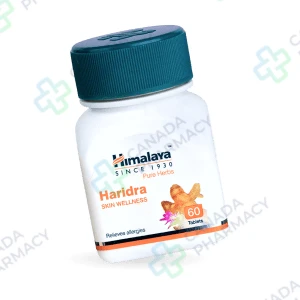
Haridra
$ 48,00
Active substance: Haridra
More Details
This product has multiple variants. The options may be chosen on the product page
Himplasia
Price range: $ 55,00 through $ 210,00
Active substance: Himplasia
More Details
This product has multiple variants. The options may be chosen on the product page
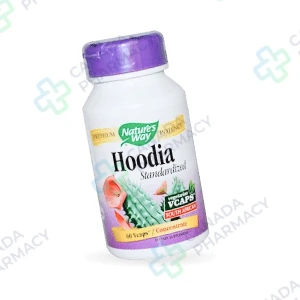
Hoodia
Price range: $ 80,00 through $ 294,00
Active substance: oxypregnane steroidal glycoside
More Details
This product has multiple variants. The options may be chosen on the product page
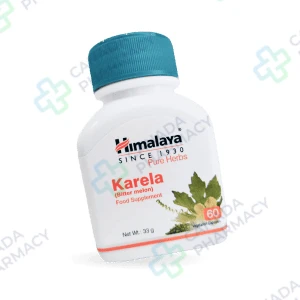
Karela
Price range: $ 63,00 through $ 79,00
Active substance: Normalized Karela Concentrate (Momordica charantia)
More Details
This product has multiple variants. The options may be chosen on the product page
Lida daidaihua
Price range: $ 52,00 through $ 171,00
Active substance: Synephrine
More Details
This product has multiple variants. The options may be chosen on the product page
Liv.52
Price range: $ 55,00 through $ 118,00
Active substance: himsra kasani
More Details
This product has multiple variants. The options may be chosen on the product page
Mentat
Price range: $ 56,00 through $ 236,00
Active substance: Brahmi
More Details
This product has multiple variants. The options may be chosen on the product page