

-23%
Asendin
Price range: $ 41,00 through $ 369,00
Aspirin
Price range: $ 8,00 through $ 118,00
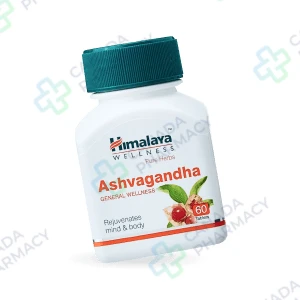
Ashwagandha
Price range: $ 53,00 through $ 204,00
Ashwagandha is a powerful adaptogenic herb that has been used for centuries to promote overall wellness and vitality. This natural supplement is widely recognized for its ability to help the body manage daily stress and reduce feelings of occasional anxiety. Regular use may support enhanced cognitive function, improved focus, and sustained energy levels throughout the day. Additionally, Ashwagandha promotes a sense of relaxation, helping to encourage a more restful and rejuvenating night’s sleep. By supporting a balanced immune system and healthy cortisol levels, it serves as an excellent addition to a proactive health regimen.
Active substance: Ashwagandha
Delivery: 5–21 days (depending on the shipping method)
Extra 10% discount with coupon: IT4K6SVM
Each dosage option has its own packaging choices.
Description
Ashwagandha (Withania somnifera) belongs to a group of botanicals traditionally categorized as adaptogens, which are herbal substances believed to support the body’s natural resilience to physical and stress-related challenges. In the United States market, ashwagandha products are regulated as dietary supplements under federal guidelines rather than prescription or over-the-counter drugs. While it has gained widespread popularity for general wellness, its therapeutic profile involves distinct pharmacological mechanisms that require careful consideration before daily use.
Available primarily as standardized root extracts, powders, and capsules, this botanical is evaluated in clinical literature for its effects on central nervous system pathways, thyroid signaling, and neuroendocrine function. Understanding its dosage parameters, potential drug interactions, and physiological effects allows consumers and clinical teams to make informed choices regarding its inclusion in a daily regime.
| Parameter | Details |
|---|---|
| Botanical Name | Withania somnifera |
| Active Constituents | Withanolides (steroidal lactones), alkaloids |
| Regulatory Category | Dietary Supplement (DSHEA regulations) |
| Dosage Forms | Oral capsules, tablets, liquid extracts, raw powders |
| Route of Administration | Oral |
| Dispensing Status | Dispensed in accordance with applicable federal and state regulations |
Pharmacological Profile and Practical Clinical Overview
Main uses
In Western integrative practice and standard clinical research, ashwagandha is primarily investigated for its potential role in managing mild stress-related symptoms, perceived anxiety, and subjective sleep quality. Controlled clinical trials have evaluated standardized extracts–typically containing 2.5% to 5% withanolides–for their impact on serum cortisol levels and stress scale scoring. On one hand, evidence indicates modest reductions in morning cortisol levels among adults experiencing chronic psychological stress. On the other hand, ashwagandha is not approved by the Food and Drug Administration (FDA) to treat clinical anxiety disorders, major depressive disorder, or insomnia. Any therapeutic application for diagnosed psychiatric conditions is considered off-label and unproven in clinical medicine. Standard clinical indications remain strictly confined to broad nutritional and stress-adaptative support under dietary supplement guidelines.
How the drug works
The biological activity of Withania somnifera is primarily attributed to steroidal lactones known as withanolides, notably withaferin A and withanolide D. Research indicates that these phytocompounds modulate the hypothalamic-pituitary-adrenal (HPA) axis, which regulates systemic responses to chronic stress. At the neurotransmitter level, active constituents appear to exert a mild gamma-aminobutyric acid (GABA)-mimetic effect by binding to GABA-A receptors, facilitating inhibitory neural pathways that promote sedation and reduced neuronal excitability. Additionally, preliminary biochemical analyses demonstrate anti-inflammatory activity via suppression of nuclear factor kappa B (NF-κB) signaling and modulation of thyroid hormone conversion (peripherally stimulating T3 and T4 production). Compared with synthetic central nervous system depressants, ashwagandha’s receptor binding affinity is significantly lower, resulting in subtle physiological modulation rather than direct, potent pharmacological inhibition.
First days of treatment: Individuals beginning supplementation typically do not experience immediate acute effects within minutes or hours. Unlike fast-acting sedatives or anxiolytics, the physiological cumulative actions of withanolides manifest over several days to weeks of continuous daily consumption. During the first week, users may observe minor alterations in daytime sleepiness or mild GI comfort adjustments. Consistent daily administration for 4 to 8 weeks is generally required in clinical trials to record measurable changes in stress questionnaires or morning salivary cortisol concentrations. Expecting acute physiological relief immediately after single doses does not align with established pharmacological observations for this botanical extract.
Dosing schedule
Dosing parameters for ashwagandha depend heavily on the concentration of active withanolides within the specific preparation. In clinical trials evaluating standardized root extracts, daily doses range from 300 mg to 600 mg once or twice daily, yielding roughly 15 mg to 30 mg of active withanolides per day. Raw crude root powders require higher quantitative intake, often 3,000 mg to 6,000 mg daily, due to lower constituent density. The dose is determined individually based on patient tolerance, dietary goals, and guidance from a qualified health practitioner. Supplementation is typically recommended alongside meals to reduce potential gastrointestinal upset. Doses exceeding 1,000 mg per day of concentrated extract lack robust safety data for long-term continuous use, making periodic re-evaluation necessary.
What happens in the body: Detailed pharmacokinetic data for the complete complex phytochemically rich matrix of Withania somnifera remain limited compared to purified pharmaceutical agents. Pharmacokinetic studies on isolated key withanolides, such as withaferin A, indicate that oral absorption occurs within the small intestine, reaching peak plasma concentration (Cmax) approximately 1 to 3 hours post-ingestion. The systemic bioavailability of withanolides varies significantly depending on lipid solubility and formulation technology. Biotransformation occurs predominantly in the liver via cytochrome P450 hepatic enzyme pathways, followed by biliary and urinary elimination. The systemic half-life of key active compounds varies between individuals, generally estimated between 4 and 6 hours, necessitating split daily dosing to maintain steady-state plasma concentrations during study protocols.
Adverse reactions: Ashwagandha is generally well tolerated at recommended clinical dosages, but potential adverse effects are documented across clinical trials and post-marketing surveillance. The most frequently reported mild side effects include gastrointestinal distress, such as epigastric discomfort, nausea, abdominal cramping, and diarrhea. Central nervous system reactions may include somnolence, mild drowsiness, or headache. On rare occasions, severe hepatic reactions–including drug-induced liver injury (DILI) characterized by jaundice, elevated liver enzymes (ALT/AST), and cholestasis–have been documented in safety registries. Users experiencing unexplained fatigue, dark urine, or yellowing of the eyes must discontinue use immediately and undergo clinical evaluation. Hypersensitivity reactions including dermatological rashes or pruritus may also occur in sensitive individuals.
Important precautions
Patients diagnosed with autoimmune conditions–such as rheumatoid arthritis, systemic lupus erythematosus, Hashimoto’s thyroiditis, or multiple sclerosis–should exercise extreme caution, as ashwagandha exhibits immunostimulatory properties that may exacerbate underlying disease activity. Furthermore, because withanolides can stimulate thyroid hormone output, individuals with hyperthyroidism or Graves’ disease face an elevated risk of thyrotoxicosis. Patients scheduled for elective surgical procedures in facilities across the United States must discontinue ashwagandha at least two weeks prior to surgery due to potential additive central nervous system depression when combined with general anesthesia and perioperative sedatives. Regular monitoring of liver function tests and thyroid panels is recommended during prolonged supplementation regimens.
Special populations: Safety during pregnancy and lactation has not been established. Ashwagandha is contraindicated during pregnancy due to potential abortifacient properties demonstrated in preclinical animal models at high dosages. Breastfeeding individuals should avoid supplementation because data regarding excretion into human breast milk are insufficient. In pediatric populations, safety and efficacy data remain inadequate, and routine use is not recommended without specialized pediatric oversight. Geriatric patients may present increased sensitivity to sedative effects and hepatic clearance variations, warranting conservative initial dosing strategies.
Compatibility with other medicines: Co-administration of ashwagandha with pharmaceutical agents requires careful pharmacological consideration. Combining this botanical with central nervous system depressants–such as benzodiazepines (e.g., alprazolam, lorazepam), z-drugs (e.g., zolpidem), or barbiturates–may result in additive sedation, psychomotor impairment, and excessive drowsiness. Because ashwagandha may lower blood glucose levels, concurrent use with antidiabetic medications (insulin, metformin, sulfonylureas) increases the risk of hypoglycemia, necessitating frequent blood glucose monitoring. Similarly, its mild antihypertensive effects may compound the action of blood pressure-lowering drugs (ACE inhibitors, beta-blockers), potentially causing symptomatic hypotension. Patients taking thyroid hormone replacement therapy (levothyroxine) must be monitored closely, as additive thyroid stimulation could lead to iatrogenic hyperthyroidism.
What to avoid while taking it: Concomitant ingestion of alcohol should be minimized or completely avoided while taking ashwagandha. Both alcohol and withanolides interact with GABAergic pathways in the central nervous system; their combined consumption can dangerously potentiate central nervous system depression, impairing coordination, reaction speed, and cognitive clarity. There are no major severe food interactions reported, though taking dietary doses alongside heavy or excessively fatty meals may alter the rate of intestinal absorption. Combining ashwagandha with other strong sedating herbal supplements–such as valerian root, kava, or skullcap–is generally discouraged to prevent excessive lethargy.
Storage and expiration: To preserve the chemical stability of withanolide lactones, ashwagandha preparations must be stored in a cool, dry place away from direct sunlight and excessive moisture. Maintain storage temperatures between 59°F and 77°F (15°C to 25°C), keeping the original container tightly sealed. Avoid storing products in humid environments such as bathroom cabinets. Do not use capsules or powders beyond the expiration date printed on the manufacturer packaging, as degradation of active phytocompounds can reduce potency over time. Keep out of reach of children and pets.
Common Questions
Is it safe to take ashwagandha long-term without breaks?
Continuous long-term safety data for ashwagandha extending beyond 8 to 12 weeks in high-quality clinical trials remain limited. Most clinical studies evaluate supplementation periods ranging from 30 to 90 days. Pharmacists and clinicians often suggest cycling the botanical–such as taking it for 8 weeks followed by a 2- to 4-week break–to prevent potential tolerance and evaluate whether ongoing supplementation remains necessary. Any extended routine use beyond 3 months should be overseen by a qualified healthcare professional with periodic monitoring of thyroid and liver values.
Can ashwagandha cause liver damage?
Although uncommon, cases of drug-induced liver injury (DILI) associated with ashwagandha consumption have been reported in global medical literature and dietary supplement safety databases. The exact mechanism remains under investigation, though idiosyncratic metabolic reactions or product contamination are suspected factors. Symptoms of liver distress include severe nausea, abdominal pain in the upper right quadrant, dark urine, and jaundice (yellow skin or eyes). If any of these signs occur, stop taking the supplement immediately and consult a physician.
What happens if a daily dose is missed?
If a dose of ashwagandha is missed, simply skip the forgotten dose and resume your regular dosing schedule at the next planned time. Do not double the dose or take extra capsules to compensate for a missed administration. Because ashwagandha works through gradual biochemical changes over several weeks rather than immediate acute mechanisms, missing a single dose will not significantly impact long-term stress management goals or cause physiological withdrawal symptoms.
Can ashwagandha interfere with thyroid laboratory tests?
Yes, ashwagandha can directly affect thyroid laboratory markers. Research demonstrates that active constituents can increase serum concentrations of total T3 and T4 while reducing thyroid-stimulating hormone (TSH) levels. If you are undergoing blood tests for thyroid function evaluation, inform your prescribing provider that you are taking an ashwagandha supplement, as your lab results may reflect supplement-induced biological changes rather than baseline thyroid gland performance.
Is it normal to feel overly drowsy during the daytime when taking ashwagandha?
Daytime drowsiness can occur, particularly when initiating therapy or taking higher doses of standardized extracts. Because ashwagandha enhances central GABAergic signaling, its calming action may cross into mild sedation for sensitive individuals. If daytime lethargy interferes with your daily activities or driving, consider lowering the daily dosage or switching your entire dose to evening consumption approximately one hour before bedtime.
In accordance with FDA requirements: These statements have not been evaluated by the Food and Drug Administration. This product is not intended to diagnose, treat, cure, or prevent any disease. Dispensed in accordance with applicable federal and state regulations regarding dietary supplements.
This text is for informational purposes only and does not constitute individual medical advice.
Additional information
| Dosage |
60caps |
|---|---|
| Package |
2 bottles ,3 bottles ,4 bottles ,5 bottles ,6 bottles ,7 bottles ,8 bottles ,9 bottles ,10 bottles |
| Ενεργός Ουσία |
Related products
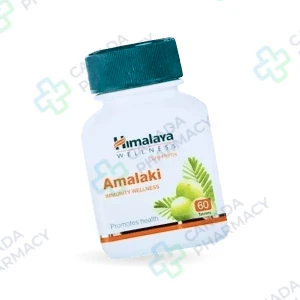
Amalaki
Price range: $ 42,00 through $ 72,00
Active substance: Amalaki (Emblica officinalis) Extract
More Details
This product has multiple variants. The options may be chosen on the product page
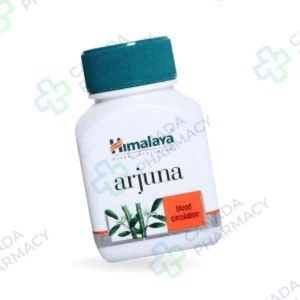
Arjuna
Price range: $ 63,00 through $ 72,00
Active substance: Arjuna (Terminalia arjuna) bark extract
More Details
This product has multiple variants. The options may be chosen on the product page
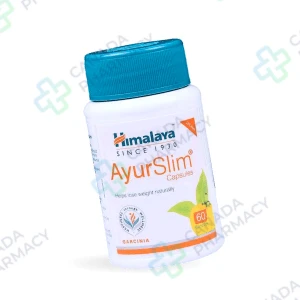
Ayurslim
Price range: $ 71,00 through $ 199,00
Active substance: Ayurslim
More Details
This product has multiple variants. The options may be chosen on the product page
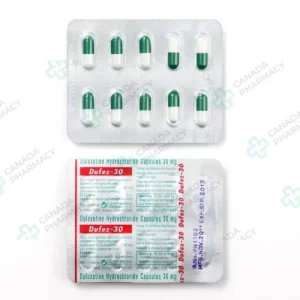
Cymbalta
Price range: $ 46,00 through $ 561,00
Active substance: Duloxetine
More Details
This product has multiple variants. The options may be chosen on the product page
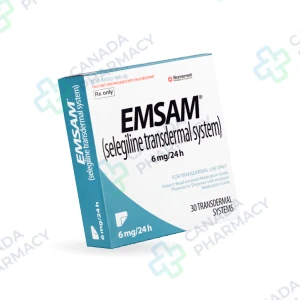
Emsam
Price range: $ 66,00 through $ 345,00
Active substance: Selegiline
More Details
This product has multiple variants. The options may be chosen on the product page
Luvox
Price range: $ 54,00 through $ 427,00
Active substance: Fluvoxamine
More Details
This product has multiple variants. The options may be chosen on the product page
Sinequan
Price range: $ 52,00 through $ 399,00
Active substance: Doxepin
More Details
This product has multiple variants. The options may be chosen on the product page
Venlor
Price range: $ 66,00 through $ 338,00
Active substance: Venlor
More Details
This product has multiple variants. The options may be chosen on the product page