

-43%
Altraz
Price range: $ 194,00 through $ 441,00
Amantadine
Price range: $ 19,00 through $ 249,00
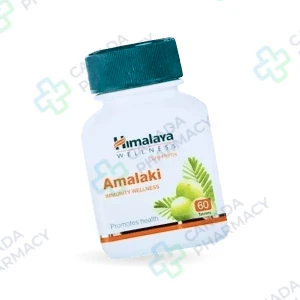
Amalaki
Price range: $ 42,00 through $ 72,00
Amalaki is a potent natural supplement derived from the Indian Gooseberry, renowned for its exceptionally high concentration of Vitamin C. This powerful antioxidant helps protect cells from oxidative stress while supporting overall cellular health and longevity. Regular intake promotes a robust immune system, effectively enhancing the body’s natural defenses throughout the year. It is also highly valued for its ability to support healthy digestion and maintain a balanced gastrointestinal tract. By nourishing bodily tissues and promoting daily vitality, Amalaki serves as a comprehensive tonic for sustained wellness.
Active substance: Amalaki (Emblica officinalis) Extract
Delivery: 5–21 days (depending on the shipping method)
Extra 10% discount with coupon: IT4K6SVM
Each dosage option has its own packaging choices.
Description
Amalaki is commonly used when individuals seek traditional botanical support for digestive health, immune function, and cellular antioxidant protection. Derived from the fruit of Emblica officinalis (commonly known as Indian Gooseberry), this botanical preparation is dispensed in accordance with applicable federal and state regulations in the United States as a dietary supplement.
While long valued within Ayurvedic wellness practices, modern consumers often evaluate it alongside conventional antioxidants like vitamin C for daily physiological support. On one hand, extensive literature highlights its rich polyphenolic content; on the other hand, appropriate caution must be exercised regarding potential herb-drug interactions and individual gastrointestinal sensitivities.
| Attribute | Details |
|---|---|
| Active ingredient | Emblica officinalis (fruit extract / powder) |
| Therapeutic class | Botanical dietary supplement / Herbal antioxidant |
| Dosage form | Oral capsules, tablets, standard powder |
| Route of administration | Oral |
| Primary purpose | Antioxidant support and digestive wellness |
| Prescription status | Dispensed in accordance with applicable federal and state regulations |
Clinical Profile and Overview
How the drug works
The biological activity of Amalaki is driven primarily by its dense concentration of low-molecular-weight hydrolyzable tannins, including emblicanin A, emblicanin B, punigluconin, and pedunculagin, alongside naturally occurring L-ascorbic acid (vitamin C), gallic acid, and flavonoids. These compounds operate synergistically to scavenge reactive oxygen species (ROS) and reduce intracellular lipid peroxidation. In vitro models demonstrate that these constituents upregulate key endogenous antioxidant enzymes, specifically superoxide dismutase (SOD), catalase, and glutathione peroxidase. Furthermore, research indicates mild anti-inflammatory properties through the inhibition of pro-inflammatory cytokines and nuclear factor-kappa B (NF-κB) pathways. In the gastrointestinal tract, tannins exert a mild astringent effect, helping to preserve mucosal integrity and regulate acid secretion.
Main uses
In the United States, Amalaki is primarily utilized as a dietary supplement to support general immune response, cellular oxidative balance, and gastrointestinal function. Under the Dietary Supplement Health and Education Act (DSHEA), structure-function claims focus on its role in supporting metabolic wellness and neutralizing free radicals. Beyond basic supplementation, investigational studies explore off-label applications in supporting healthy lipid profiles, glucose homeostasis, and hepatic tissue protection. However, these exploratory endpoints are not FDA-approved therapeutic indications, and Amalaki should not be substituted for proven medical therapies in treating chronic metabolic or cardiovascular disorders.
Dosing schedule
Dosing of Amalaki varies depending on the specific product preparation and standard extract concentration. Standardized capsule formulations typically deliver between 500 mg and 1,000 mg per day, divided into one or two daily doses. When utilizing raw fruit powder (churna), traditional dosing ranges from 3 grams to 6 grams daily, usually reconstituted in warm water. The dose is determined individually based on patient tolerance and intended physiological goals. Capsules should be swallowed whole with a full glass of water, ideally during or immediately following meals to minimize gastric discomfort. Dosage adjustments may be necessary for elderly patients or individuals with sensitive digestive tracts.
Adverse reactions
Amalaki exhibits a favorable safety profile in the majority of healthy adults; however, adverse reactions can occur depending on dosage and baseline sensitivity. Mild gastrointestinal effects are the most commonly reported issues, including loose stools, increased bowel frequency, abdominal cramping, or gastric hyperacidity. Because of its natural astringency and vitamin C content, high doses may occasionally exacerbate heartburn or reflux symptoms. Hypoglycemic events may manifest if the supplement is combined with blood sugar-lowering medications. Allergic reactions, such as urticaria, skin redness, or localized itching, are rare. Should severe abdominal pain, persistent diarrhea, or signs of hypersensitivity develop, supplementation must be discontinued promptly.
How it’s absorbed and eliminated
Following oral administration, water-soluble constituents such as ascorbic acid are absorbed in the small intestine via sodium-dependent vitamin C transporters (SVCT1). High-molecular-weight polyphenols undergo extensive biotransformation by intestinal microflora into lower-molecular-weight phenolic acids and urolithin derivatives prior to systemic absorption. Systemic bioavailability depends significantly on gastric acidity and individual gut microbiome composition. Absorbed phenolic metabolites undergo phase II hepatic conjugation (glucuronidation and sulfation) before systemic circulation. Elimination occurs primarily through renal excretion of polar metabolites and unabsorbed constituents are excreted via feces. The half-life of specific antioxidant fractions varies between individuals and preparation types.
Compatibility with other medicines
Amalaki can interact with several pharmacologic agents. Co-administration with anticoagulant or antiplatelet drugs (such as warfarin, clopidogrel, or low-dose aspirin) warrants close monitoring, as botanical constituents may exert additive antiplatelet activities, increasing overall bleeding risks. Concomitant intake with antidiabetic medications (including metformin, sulfonylureas, or insulin) may produce additive hypoglycemic effects; routine blood glucose tracking is strongly advised. Additionally, due to its high ascorbic acid content, Amalaki may enhance intestinal absorption of non-heme iron supplements, which may be beneficial or problematic depending on patient iron status. Always inform your clinical team of all concurrent dietary supplements.
Important precautions
Patients scheduled for elective surgical procedures should discontinue Amalaki supplementation at least two weeks prior to surgery due to potential influences on blood coagulation and platelet aggregation. Individuals diagnosed with active peptic ulcer disease, severe gastroesophageal reflux disease (GERD), or hyperacidity syndromes should exercise caution, as the acidic nature of Emblica officinalis extracts may aggravate gastric mucosal irritation. Pregnant and nursing mothers should avoid routine high-dose supplementation, as comprehensive safety profiles in these clinical populations remain incomplete. Pediatric use should strictly proceed under the guidance of a qualified healthcare provider.
What to avoid while taking it
While taking Amalaki, excessive alcohol consumption should be avoided, as ethanol can directly irritate the stomach mucosa and counteract the cellular antioxidant benefits of the botanical. Avoid taking the supplement simultaneously with strong oral antacids, as acute changes in gastric pH may impair the dissolution and absorption of polyphenolic compounds. High-fat meals consumed at the exact time of dosing may slightly delay gastric emptying, though they do not significantly diminish total bioaccessibility.
If you skip a dose
If a daily dose of Amalaki is missed, it should be taken as soon as remembered on that same day, provided it is taken with a snack or meal. However, if it is nearly time for the next scheduled dose, skip the missed portion entirely and return to the normal regimen. Do not double the dose or take extra capsules to make up for a skipped administration, as this increases the likelihood of transient digestive upset.
Day-to-day use
Incorporating Amalaki into a daily wellness routine is most effective when taken consistently alongside morning or evening meals. Maintaining a consistent routine helps sustain stable systemic levels of active polyphenolic compounds. When utilizing raw fruit powder preparations, mixing the dose with warm water, honey, or milk can help buffer the sharp sour and astringent taste. Patients managing chronic conditions should keep a detailed supplement log to review during regular physician consultations.
Storage and expiration
Amalaki capsules and powders should be stored in a cool, dry place away from direct sunlight and excessive ambient heat, ideally at controlled room temperatures between 59°F and 77°F (15°C to 25°C). Ensure the original container lid remains tightly closed to prevent moisture ingress, which can degrade botanical powders and capsule shells. Keep out of reach of children. Discard any unused product past the expiration date printed on the bottle.
Frequently Asked Questions
Can Amalaki be taken concurrently with standard daily multivitamins?
Yes, Amalaki can generally be combined with standard multivitamin formulations. However, because Amalaki naturally contains L-ascorbic acid (vitamin C), patients should evaluate their total cumulative daily intake of vitamin C to prevent mild gastrointestinal side effects associated with excessive ascorbic acid, such as osmotic diarrhea or abdominal cramping.
How long does it typically take to observe tangible physiological effects from Amalaki?
Antioxidant activity at the cellular level begins shortly after intestinal absorption. However, subjective digestive support or general cellular wellness benefits typically manifest after 2 to 4 weeks of consistent daily usage, provided lifestyle and dietary factors remain supportive.
What specific precautions should diabetic patients take when starting Amalaki?
Because preliminary clinical studies indicate that Emblica officinalis may assist in modulating postprandial blood glucose, diabetic patients taking insulin or oral antidiabetic agents should monitor their blood sugar levels more frequently during initiation to avoid unexpected hypoglycemic episodes.
Is it normal to experience mild bowel changes after beginning Amalaki?
Yes, loose stools or slightly increased bowel movement frequency can occur during the initial days of supplementation. This is generally attributed to the high tannin and Vitamin C content combined with its mild traditional laxative activity. If diarrhea persists, reducing the dose or taking the supplement with a larger meal is recommended.
Should Amalaki supplementation be stopped prior to routine dental or surgical procedures?
Yes, it is clinically prudent to pause Amalaki intake at least 14 days prior to any elective surgery, invasive dental procedure, or major diagnostic intervention. This minimizes potential risks associated with botanical influences on platelet function and blood clotting.
This text is for informational purposes only and does not constitute individual medical advice. In accordance with FDA requirements.
Additional information
| Dosage |
250 mg |
|---|---|
| Package |
60 pills ,120 pills ,180 pills |
| Ενεργός Ουσία |
Related products
Abana
Price range: $ 89,00 through $ 580,00
Active substance: Abana
More Details
This product has multiple variants. The options may be chosen on the product page
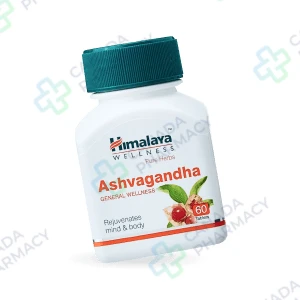
Ashwagandha
Price range: $ 53,00 through $ 204,00
Active substance: Ashwagandha
More Details
This product has multiple variants. The options may be chosen on the product page
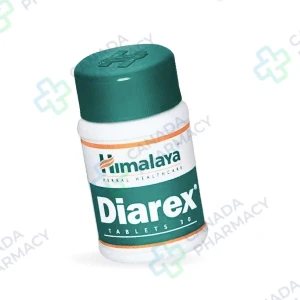
Diarex
Price range: $ 54,00 through $ 236,00
Active substance: Diarex
More Details
This product has multiple variants. The options may be chosen on the product page
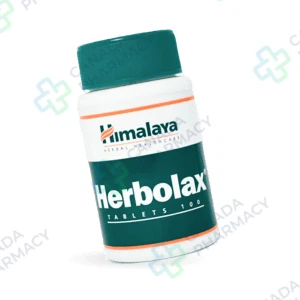
Herbolax
Price range: $ 50,00 through $ 83,00
Active substance: Chebulic Myrobalan, Trivruth
More Details
This product has multiple variants. The options may be chosen on the product page

Himplasia
Price range: $ 55,00 through $ 210,00
Active substance: Himplasia
More Details
This product has multiple variants. The options may be chosen on the product page
Lida daidaihua
Price range: $ 52,00 through $ 171,00
Active substance: Synephrine
More Details
This product has multiple variants. The options may be chosen on the product page
Nirdosh
Price range: $ 9,00 through $ 20,00
Active substance: Herbal
More Details
This product has multiple variants. The options may be chosen on the product page