

-40%

Amalaki
Price range: $ 42,00 through $ 72,00
Amaryl
Price range: $ 39,00 through $ 424,00
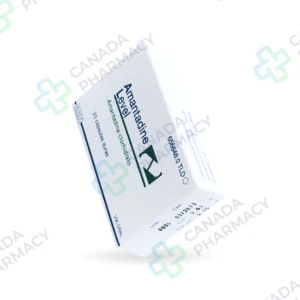
Amantadine
Price range: $ 19,00 through $ 249,00
Amantadine is a versatile medication primarily used to manage the symptoms of Parkinson’s disease and certain viral infections. It works by increasing dopamine levels in the brain to help improve muscle control, reduce tremors, and alleviate stiffness. Additionally, this treatment is effective in preventing and treating respiratory tract illnesses caused by the influenza A virus. By addressing involuntary movements and physical rigidity, it helps individuals maintain better mobility and daily function. This medication serves as a reliable option for those seeking to manage movement disorders or protect against specific seasonal flu strains.
Active substance: Amantadine
Delivery: 5–21 days (depending on the shipping method)
Extra 10% discount with coupon: IT4K6SVM
Each dosage option has its own packaging choices.
Description
Amantadine belongs to an antiviral and antiparkinsonian class of medications designed to alter neurochemical signaling in the central nervous system. In the United States, amantadine is a prescription drug regulated by the Food and Drug Administration (FDA) and available only with a valid prescription from a licensed healthcare provider.
It is primarily prescribed for managing symptoms of Parkinson’s disease, treating drug-induced extrapyramidal reactions, and historically for specific viral infections under strictly defined clinical parameters.
| Attribute | Details |
|---|---|
| Drug name | Amantadine |
| Active ingredient | Amantadine hydrochloride |
| Therapeutic class | Antiparkinsonian agent / Antiviral agent |
| Dosage form | Oral capsule, tablet, oral solution |
| Route of administration | Oral |
| Prescription status | Prescription only (Rx) |
How the drug works
Amantadine exerts dual pharmacological actions within the central nervous system and viral structures. In the treatment of parkinsonism, it acts as an indirect dopamine agonist by promoting the presynaptic release of dopamine in striatal neurons while simultaneously inhibiting its neuronal reuptake. Additionally, amantadine acts as an uncompetitive antagonist at N-methyl-D-aspartate (NMDA) glutamate receptors, which contributes to reducing dyskinesia and excessive glutamatergic signaling in basal ganglia pathways. Antivirally, amantadine blocks the M2 transmembrane protein ion channel of the Influenza A virus, preventing viral uncoating within host cells, though clinical utility against influenza is restricted due to high rates of circulating viral resistance.
Main uses
The U.S. Food and Drug Administration (FDA) has approved amantadine for specific neurological conditions and viral prophylaxis. The primary approved indication is Parkinson’s disease, where it reduces idiopathic symptoms such as tremors, rigidity, and akinesia, either as monotherapy or combined with levodopa. It is also FDA-indicated for treating drug-induced extrapyramidal reactions resulting from antipsychotic or neuroleptic therapy. Although historically FDA-approved for the prophylaxis and treatment of uncomplicated Influenza A infection, current clinical guidelines restrict this use due to resistance. Off-label indications–which are not FDA-approved–include managing fatigue associated with multiple sclerosis and promoting cognitive recovery following severe traumatic brain injury.
Dosing schedule
Amantadine administration must strictly follow the individualized regimen established by a licensed healthcare provider. The standard adult oral dosage for idiopathic Parkinson’s disease typically begins at 100 mg taken once or twice daily, adjusted based on patient tolerance and therapeutic response. For drug-induced extrapyramidal reactions, the conventional dosage is 100 mg twice daily. Extended-release formulations have distinct administration guidelines and cannot be interchanged with immediate-release capsules or tablets on a milligram-for-milligram basis. Patients with reduced renal clearance require dosage reductions or extended dosing intervals based on creatinine clearance rates to avoid systemic toxicity.
What happens in the body
Following oral administration, amantadine is rapidly and completely absorbed from the gastrointestinal tract. Peak plasma concentration is generally attained within 2 to 4 hours after ingestion of immediate-release formulations. The drug crosses the blood-brain barrier and distributes widely throughout body tissues, with a mean volume of distribution of approximately 3 to 8 L/kg. Amantadine undergoes minimal hepatic metabolism; approximately 90% of the ingested dose is eliminated unchanged via the kidneys through glomerular filtration and tubular secretion. The terminal elimination half-life averages 10 to 14 hours in healthy young adults but extends significantly in elderly patients and individuals with impaired renal function.
Compatibility with other medicines
Amantadine can participate in significant pharmacokinetic and pharmacodynamic interactions when co-administered with other pharmacological agents. Concurrent administration with anticholinergic agents (such as trihexyphenidyl or benztropine) potentiates atropine-like adverse effects, including dry mouth, blurred vision, urinary retention, and acute confusion. Co-administration of amantadine with central nervous system stimulants or alcohol increases the incidence of CNS toxicity, dizziness, and hallucinations. Concomitant use of combination diuretics containing hydrochlorothiazide and triamterene may reduce renal clearance of amantadine, leading to elevated plasma levels and heightened toxic potential. Patients must inform prescribers of all current prescriptions, OTC products, and dietary supplements.
Adverse reactions
Adverse reactions associated with amantadine therapy span neurological, dermatological, cardiovascular, and gastrointestinal body systems. Central nervous system effects include dizziness, lightheadedness, insomnia, anxiety, hallucinations, and impaired concentration. A distinct dermatological reaction is livedo reticularis, a benign, reversible condition characterized by a purplish, reticulated vascular discoloration of the lower extremities, frequently accompanied by ankle edema. Cardiovascular effects include orthostatic hypotension and peripheral edema. Gastrointestinal side effects frequently reported include nausea, dry mouth, anorexia, and constipation. Serious adverse effects such as congestive heart failure worsening, neuroleptic malignant syndrome upon abrupt withdrawal, and severe psychiatric disturbances require prompt medical intervention.
Important precautions
Amantadine requires careful clinical oversight in specific patient populations. Patients with preexisting renal impairment face an elevated risk of accumulation and severe central nervous system toxicity; regular monitoring of renal function and appropriate dose reductions are essential. Elderly patients demonstrate reduced clearance and heightened sensitivity to confusion, agitation, and hallucinations. Abrupt discontinuation of amantadine should be avoided, as rapid withdrawal can precipitate a symptom complex resembling neuroleptic malignant syndrome, characterized by hyperpyrexia, muscular rigidity, altered mental status, and autonomic instability. Patients with a history of heart failure, seizure disorders, or psychiatric illness require close clinical monitoring during therapy.
What to avoid while taking it
While amantadine can be taken with or without food, taking it with meals or milk may minimize gastrointestinal discomfort such as nausea. Patients should strictly avoid alcohol consumption during amantadine therapy. Alcohol enhances central nervous system depression, compounding side effects like dizziness, lightheadedness, confusion, and orthostatic hypotension. Furthermore, high-dose anticholinergic dietary supplements or OTC medications containing sedating antihistamines should be avoided unless explicitly directed by a healthcare provider, due to increased risks of confusion and urinary retention.
Signs of improvement
The therapeutic efficacy of amantadine is evaluated through clinical observation of targeted neurological symptoms. In patients treated for Parkinson’s disease, noticeable reductions in muscle rigidity, tremor severity, and bradykinesia typically manifest within 48 to 72 hours of initiating effective dosing. When prescribed for drug-induced extrapyramidal symptoms, therapeutic response is indicated by the attenuation of drug-induced restlessness, dystonic movements, or stiffness. Patients should communicate treatment response to their physician, who may adjust dosage parameters to achieve optimal therapeutic balance.
If you skip a dose
If a dose of amantadine is missed, it should be taken as soon as remembered, provided the time for the next scheduled dose is not near. If it is almost time for the subsequent dose, the missed dose should be skipped, resuming the standard administration schedule. Patients must never double the dose to compensate for a missed administration, as elevated plasma concentrations significantly increase the risk of central nervous system toxicity, hallucinations, and seizures.
Storage and expiration
Amantadine oral formulations should be stored at controlled room temperature, ideally between 68°F and 77°F (20°C to 25°C), with permitted excursions between 59°F and 86°F (15°C to 30°C). Containers should be kept tightly closed and protected from light and excessive moisture. Medications must be stored out of reach of children and pets. Expired medications should not be ingested and must be disposed of according to federal, state, and local pharmacy waste guidelines.
Common questions
Can amantadine cause changes in sleep patterns or vivid dreams?
Yes, amantadine frequently causes insomnia, nocturnal awakenings, and vivid dreams. Taking the final daily dose in the late afternoon rather than directly before bedtime under a physician’s guidance can help reduce sleep disruption.
What should be done if purple skin patterns appear on the legs?
The appearance of a purplish, net-like reddish skin pattern on the lower extremities is a condition known as livedo reticularis. It is a known reaction to amantadine and is generally benign and reversible upon drug discontinuation, though patients should report it to their healthcare provider.
Is amantadine safe to stop taking suddenly?
No, amantadine should not be stopped abruptly. Sudden withdrawal can trigger severe withdrawal reactions, including hyperpyrexia, severe muscle stiffness, and cognitive impairment similar to neuroleptic malignant syndrome. Dosage tapering must occur under medical guidance.
Does amantadine interact with common over-the-counter cold medications?
Yes, many OTC cold and allergy preparations contain antihistamines with anticholinergic properties or decongestants with CNS-stimulating effects. Combining these with amantadine increases the risk of side effects like dry mouth, urinary retention, severe confusion, and tachycardia.
How long does amantadine remain in the body after stopping therapy?
In individuals with normal kidney function, amantadine clearance takes approximately 2.5 to 4 days (5 elimination half-lives). In elderly individuals or those with renal impairment, full elimination takes significantly longer.
In accordance with FDA requirements.
Always consult your healthcare provider before starting or changing any treatment.
Additional information
| Dosage |
50 mg ,100mg |
|---|---|
| Package |
30 tabs ,60 tabs ,60 pills ,90 pills ,90 tabs ,120 pills ,120 tabs ,180 pills ,180 tabs ,270 pills ,270 tabs ,360 pills |
| Ενεργός Ουσία |
Related products
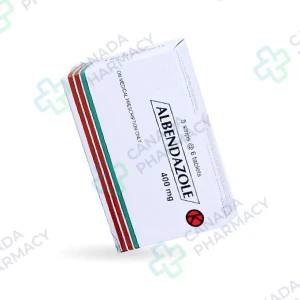
Albendazole
Price range: $ 46,00 through $ 121,00
Active substance: Albendazole
More Details
This product has multiple variants. The options may be chosen on the product page
Ascorbic Acid
Price range: $ 58,00 through $ 69,00
Active substance: Ascorbic Acid
More Details
This product has multiple variants. The options may be chosen on the product page
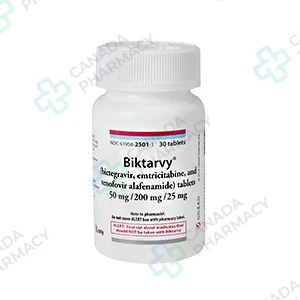
Biktarvy
$ 800,00
More Details
This product has multiple variants. The options may be chosen on the product page
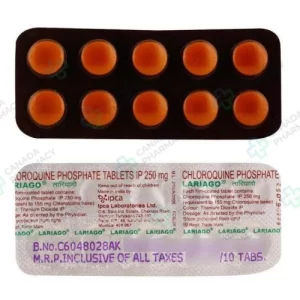
Chloroquine
Price range: $ 41,00 through $ 402,00
Active substance: Chloroquine
More Details
This product has multiple variants. The options may be chosen on the product page
Kaletra
More Details
This product has multiple variants. The options may be chosen on the product page
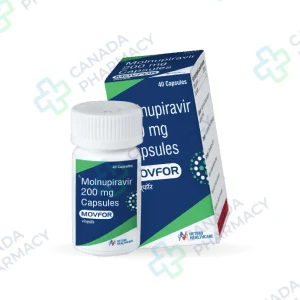
Movfor
Price range: $ 293,00 through $ 1 097,00
Active substance: Molnupiravir
More Details
This product has multiple variants. The options may be chosen on the product page
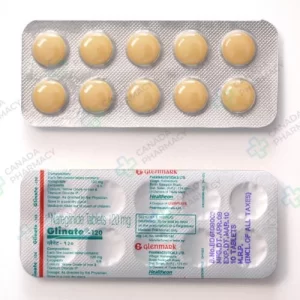
Starlix
Price range: $ 40,00 through $ 288,00
Active substance: Nateglinide
More Details
This product has multiple variants. The options may be chosen on the product page
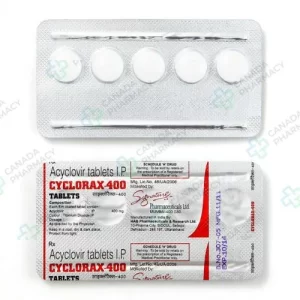
Zovirax
Price range: $ 52,00 through $ 587,00
Active substance: Acyclovir
More Details
This product has multiple variants. The options may be chosen on the product page