

-72%
Amantadine
Price range: $ 19,00 through $ 249,00
Amitriptyline
Price range: $ 41,00 through $ 114,00
Amaryl
Price range: $ 39,00 through $ 424,00
Amaryl is an effective oral medication containing glimepiride, which belongs to the sulfonylurea class of drugs. It is primarily indicated for the management of high blood sugar levels in adults with type 2 diabetes. The medication works by stimulating the natural release of insulin from the pancreas to help the body process glucose more efficiently. When combined with a balanced diet and regular physical activity, Amaryl helps maintain stable glycemic control and reduces the risk of long-term health complications. This treatment provides a reliable way to manage daily blood sugar levels and support overall metabolic health.
Active substance: Glimepiride
Delivery: 5–21 days (depending on the shipping method)
Extra 10% discount with coupon: IT4K6SVM
Each dosage option has its own packaging choices.
Description
Amaryl belongs to a class of oral blood glucose-lowering drugs known as sulfonylureas. It is prescribed as an adjunct to diet and exercise to improve glycemic control in adult patients diagnosed with type 2 diabetes mellitus. In the United States, this medication is available by prescription only and must be dispensed in accordance with federal and state regulations.
Management of type 2 diabetes with Amaryl involves targeted stimulation of pancreatic insulin release, helping to reduce elevated blood sugar levels. Proper blood glucose monitoring and adherence to prescribed dosing instructions are essential components of safe long-term therapy with this agent.
Pharmacological Profile and Dosing Instructions
How the drug works
The primary mechanism of action of glimepiride involves the stimulation of insulin secretion from functioning pancreatic beta cells. Glimepiride binds to specific ATP-sensitive potassium channel receptors on the beta-cell membrane. This binding leads to channel closure, membrane depolarization, calcium ion influx, and subsequent exocytosis of stored insulin granules into the bloodstream. In addition to its pancreatic effects, glimepiride may enhance peripheral tissue sensitivity to insulin by facilitating glucose transporter translocation. Because its mechanism depends entirely on viable beta-cell function, Amaryl is ineffective in individuals with type 1 diabetes mellitus or in the treatment of diabetic ketoacidosis.
What it’s used for
Amaryl is indicated as an adjunct to diet and exercise to improve glycemic control in adults with type 2 diabetes mellitus. It may be prescribed as monotherapy or in combination with other oral anti-hyperglycemic agents, such as metformin or thiazolidinediones, or alongside insulin when single-agent therapy fails to achieve adequate glycemic targets. Amaryl is not indicated for the treatment of type 1 diabetes mellitus or diabetic ketoacidosis. Any off-label use for unapproved metabolic conditions must be explicitly evaluated and determined by a qualified prescribers.
Dosing schedule
The dosage of Amaryl must be individualized based on the patient’s blood glucose levels and clinical response. The typical starting dose for adults is 1 mg or 2 mg administered once daily. The dose should be taken with breakfast or the first main meal of the day to reduce the risk of hypoglycemia. Depending on blood glucose readings, the daily dose may be titrated in increments of 1 mg or 2 mg at weekly or biweekly intervals. The maximum recommended daily dose is 8 mg. In elderly patients or individuals with renal impairment, therapy typically begins at 1 mg daily to minimize the risk of abnormally low blood sugar levels.
What happens in the body
Following oral administration, glimepiride is completely absorbed from the gastrointestinal tract, achieving peak plasma concentrations within 2 to 3 hours. Food intake slightly delays absorption but does not significantly alter the overall extent of drug bioavailability. Glimepiride is bound extensively to plasma proteins (>99%). Hepatic metabolism occurs predominantly via the cytochrome P450 2C9 (CYP2C9) isoenzyme, yielding two main metabolites: a cyclohexyl hydroxymethyl derivative (M1) and a carboxyl derivative (M2). Approximately 60% of an administered dose is eliminated via the kidneys in urine, while 40% is excreted in feces. The elimination half-life ranges from 5 to 9 hours after single-dose administration.
Compatibility with other medicines
Co-administration of Amaryl with other pharmaceutical agents can significantly alter its hypoglycemic effect. Inhibitors of CYP2C9, such as fluconazole, may increase plasma concentrations of glimepiride and elevate the risk of severe hypoglycemia. Nonsteroidal anti-inflammatory drugs (NSAIDs), salicylates, sulfonamides, and coumarin derivatives can displace glimepiride from protein binding sites, potentially amplifying its blood sugar-lowering effect. Conversely, drugs such as thiazide diuretics, corticosteroids, phenothiazines, thyroid preparations, and estrogens can elevate blood glucose levels, counteracting glimepiride’s therapeutic activity. Beta-blockers may mask symptoms of hypoglycemia, such as tachycardia.
Safety Guidelines and Common Questions
Adverse reactions
The principal adverse reaction associated with Amaryl is hypoglycemia, which can range from mild plasma glucose reductions to severe episodes requiring emergency intervention. Gastrointestinal symptoms, including nausea, vomiting, abdominal pressure, diarrhea, and epigastric discomfort, are occasionally observed. Dermatologic responses, such as pruritus, erythema, urticaria, and maculopapular eruptions, have been reported in clinical evaluations. Less common adverse events include transient visual disturbances at the start of therapy due to rapid changes in blood glucose levels, mild hyponatremia, and elevated liver enzymes. Hematologic changes, including leukopenia, agranulocytosis, and thrombocytopenia, occur rarely.
Important precautions
Amaryl carries a class warning regarding an increased risk of cardiovascular mortality compared to treatment with diet alone or diet plus insulin, based on historical studies of older sulfonylurea agents. Patients with glucose-6-phosphate dehydrogenase (G6PD) deficiency face a heightened risk of sulfonylurea-induced hemolytic anemia. Careful dosing and frequent monitoring are necessary when administering glimepiride to elderly patients or those with severe renal or hepatic impairment due to decreased clearance. In pregnant patients, prolonged severe hypoglycemia in neonates has been reported when sulfonylureas were used near delivery; insulin is generally preferred during pregnancy. Breastfeeding is not recommended during therapy.
Food and alcohol interactions
Amaryl must be taken immediately before or during breakfast or the first main meal of the day. Maintaining consistent meal patterns helps stabilize blood glucose and mitigates the risk of sudden hypoglycemic episodes. Concurrent ingestion of alcohol requires extreme caution. Ethanol can unpredictable potentiate the blood glucose-lowering activity of sulfonylureas, increasing the duration and severity of hypoglycemia. In addition, alcohol consumption alongside sulfonylurea therapy may occasionally provoke a disulfiram-like reaction characterized by facial flushing, nausea, rapid heart rate, and headache.
If you skip a dose
If a dose of Amaryl is missed, it should be taken as soon as remembered on the same day with a meal. However, if it is nearly time for the next scheduled daily dose, the missed dose should be skipped entirely, and the standard dosing schedule should be resumed. Patients should never double the dose or take extra tablets to make up for a missed administration, as doing so significantly increases the risk of precipitating acute hypoglycemia. Frequent blood glucose monitoring is recommended if a meal or dose is delayed.
Signs of improvement
The efficacy of Amaryl is evaluated through self-monitored blood glucose testing and periodic laboratory assessments of glycated hemoglobin (HbA1c). Decreases in fasting blood glucose levels are typically noticeable within the first few weeks of therapy. A stable reduction in HbA1c values–evaluated every 3 to 6 months–reflects long-term glycemic control. Patients may also observe a reduction in classic symptoms of hyperglycemia, such as excessive thirst (polydipsia), frequent urination (polyuria), and fatigue, as blood glucose concentrations normalize.
Practical tips
Individuals taking Amaryl should carry a fast-acting source of simple carbohydrates, such as glucose tablets or fruit juice, to manage mild hypoglycemic reactions promptly. Adhering to a regular meal routine and monitoring blood glucose before and after strenuous physical activity helps maintain metabolic stability. Patients in specialized occupational roles in states like Texas should consult their treating provider regarding routine monitoring schedules and safety protocols. Wearing a medical identification tag indicating treatment for type 2 diabetes is recommended.
Common questions
What should be done if symptoms of hypoglycemia occur while taking Amaryl?
If mild hypoglycemic symptoms develop–such as sweating, trembling, dizziness, confusion, or palpitations–the patient should immediately consume 15 to 20 grams of fast-acting carbohydrate. Blood glucose should be rechecked after 15 minutes. If levels remain low, the treatment should be repeated. Severe hypoglycemia involving loss of consciousness requires immediate emergency medical attention and glucagon administration.
Does Amaryl cause weight gain over prolonged use?
Weight gain is a recognized potential side effect of sulfonylurea therapy, including glimepiride. This effect is primarily attributed to increased insulin secretion, which promotes cellular glucose uptake and lipogenesis, as well as potential defensive eating in response to hypoglycemic episodes. Adherence to a balanced diet and regular exercise helps manage body weight during treatment.
Can Amaryl be taken at bedtime instead of in the morning?
Amaryl is formulated for once-daily administration with breakfast or the first main meal. Dosing at bedtime is generally not recommended, as it increases the risk of nocturnal hypoglycemia when calorie intake is absent for several hours. Dosing timing should only be altered if explicitly directed by the prescribing physician.
How does renal impairment affect the clearance of glimepiride?
Patients with impaired renal function exhibit reduced clearance of glimepiride and its metabolites. This altered elimination profile increases drug exposure and heightens the risk of prolonged hypoglycemic events. Consequently, lower initial doses and conservative dose titration are required for individuals with kidney disease.
Is daily blood sugar monitoring required when taking this medication?
Routine self-monitoring of blood glucose is an important component of managing diabetes with Amaryl. Regular testing helps identify glycemic trends, evaluate the effectiveness of the current dose, and detect early signs of hypoglycemia or hyperglycemia, enabling timely therapeutic adjustments by the healthcare provider.
In accordance with FDA requirements.
This text is for informational purposes only and does not constitute individual medical advice.
Additional information
| Dosage |
1 mg ,2mg ,3mg ,4mg |
|---|---|
| Package |
30 tabs ,30 pills ,60 pills ,60 tabs ,90 pills ,90 tabs ,120 pills ,120 tabs ,180 pills ,180 tabs ,270 pills ,360 pills ,360 tabs |
| Ενεργός Ουσία |
Related products
Actoplus Met
Price range: $ 43,00 through $ 343,00
Active substance: metformin, Pioglitazone
More Details
This product has multiple variants. The options may be chosen on the product page
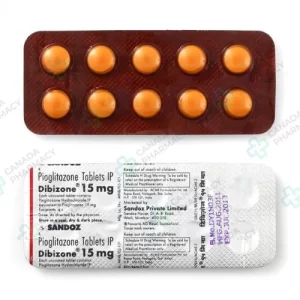
Actos
Price range: $ 52,00 through $ 239,00
Active substance: Pioglitazone
More Details
This product has multiple variants. The options may be chosen on the product page
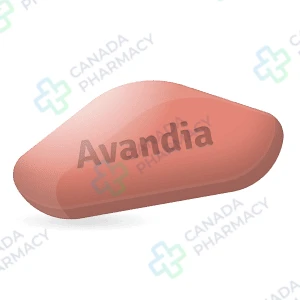
Avandia
Price range: $ 113,00 through $ 824,00
Active substance: Rosiglitazone
More Details
This product has multiple variants. The options may be chosen on the product page
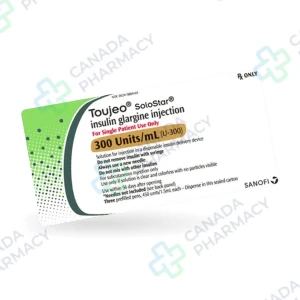
Insulin Glargine
Price range: $ 112,00 through $ 267,00
Active substance: Insulin Glargine
More Details
This product has multiple variants. The options may be chosen on the product page
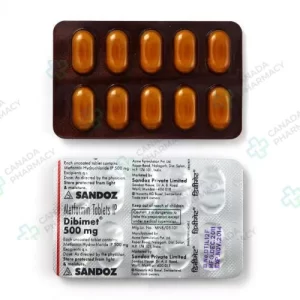
Metformin
Price range: $ 33,00 through $ 190,00
Active substance: metformin
More Details
This product has multiple variants. The options may be chosen on the product page
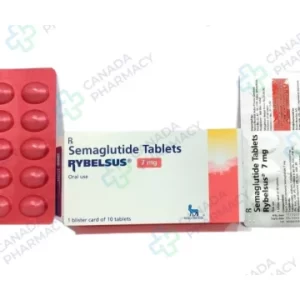
Rybelsus
Price range: $ 250,00 through $ 880,00
Active substance: Semaglutide
More Details
This product has multiple variants. The options may be chosen on the product page
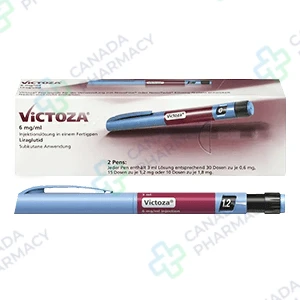
Victoza
Price range: $ 450,00 through $ 850,00
Active substance: Liraglutide
More Details
This product has multiple variants. The options may be chosen on the product page