

-27%
Rumalaya liniment
Price range: $ 53,00 through $ 213,00
Samsca
Price range: $ 275,00 through $ 660,00
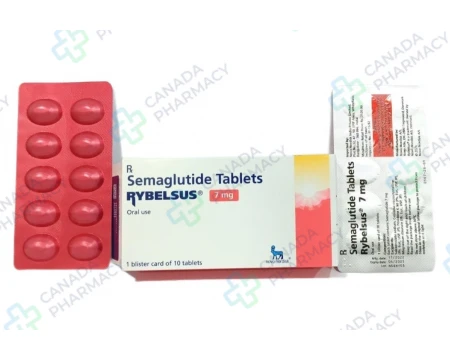
Rybelsus
Price range: $ 250,00 through $ 880,00
Rybelsus is a breakthrough oral medication designed to help adults with type 2 diabetes effectively manage their blood sugar levels. As the first and only pill in the GLP-1 receptor agonist class, it offers a convenient alternative to daily or weekly injectable treatments. The active ingredient, semaglutide, works by stimulating the natural release of insulin when blood sugar is high while also slowing digestion. Regular use of this daily tablet helps lower A1C levels, providing essential support for long-term metabolic health. When combined with a balanced diet and regular exercise, Rybelsus serves as a powerful foundation for maintaining stable glucose control throughout the day.
Active substance: Semaglutide
Delivery: 5–21 days (depending on the shipping method)
Extra 10% discount with coupon: IT4K6SVM
Each dosage option has its own packaging choices.
Description
Rybelsus belongs to a class of medications known as glucagon-like peptide-1 (GLP-1) receptor agonists. It is an oral prescription medication approved by the US Food and Drug Administration (FDA) as an adjunct to diet and exercise to improve glycemic control in adults with type 2 diabetes mellitus.
As an oral formulation of a GLP-1 receptor agonist, Rybelsus provides a non-injectable treatment option for glycemic management in type 2 diabetes. Its active ingredient, semaglutide, works by mimicking an endogenous incretin hormone to help regulate blood glucose levels in response to food intake.
| Property | Details |
|---|---|
| Active ingredient | Semaglutide |
| Therapeutic class | GLP-1 receptor agonist |
| Dosage form | Oral tablets (3 mg, 7 mg, 14 mg) |
| Route of administration | Oral |
| Prescription status | Prescription (Rx) only |
| Primary indication | Improvement of glycemic control in adults with type 2 diabetes mellitus |
Clinical Profile and Pharmacological Actions
How the drug works
Semaglutide acts as a selective GLP-1 receptor agonist. It binds to and activates GLP-1 receptors located on pancreatic beta cells, which enhances glucose-dependent insulin secretion. Simultaneously, the medication suppresses inappropriately elevated glucagon secretion from pancreatic alpha cells, thereby reducing hepatic glucose output. Semaglutide also slows gastric emptying, which reduces the rate at which postprandial glucose enters the systemic circulation. To allow systemic absorption via the gastric mucosa, oral semaglutide is co-formulated with the absorption enhancer SNAC (salcaprozate sodium), which increases local gastric pH and protects the peptide molecule from proteolytic degradation.
Main uses
Rybelsus is indicated as an adjunct to diet and exercise to lower blood glucose levels in adult patients with type 2 diabetes mellitus. It is not indicated for the treatment of type 1 diabetes mellitus or for the management of diabetic ketoacidosis. While reductions in body weight are frequently observed in clinical trials as a secondary outcome, Rybelsus is not FDA-approved as a primary weight-loss therapy. Any use of oral semaglutide strictly for weight management outside of type 2 diabetes represents off-label use and requires clinical judgment by a licensed healthcare provider.
How it’s absorbed and eliminated
The absolute bioavailability of oral semaglutide is approximately 1%. Following oral administration, peak plasma concentrations (Tmax) are reached between 1 and 3 hours post-dose. Steady-state drug exposure is achieved after 4 to 5 weeks of consistent once-daily dosing. Semaglutide exhibits high plasma protein binding exceeding 99% to serum albumin. The primary metabolic breakdown occurs via proteolytic cleavage of the peptide backbone followed by sequential beta-oxidation of the fatty acid side chain. The major routes of elimination are through urine and feces, with an elimination half-life of approximately 1 week (7 days).
Dosing schedule
Rybelsus therapy is initiated at a starting dosage of 3 mg once daily for 30 days. The 3 mg daily dose serves as an initial dose-escalation step to minimize gastrointestinal side effects and is not considered therapeutically effective for glycemic control. Following the initial 30 days, the dose is increased to 7 mg once daily. If additional glycemic control is required after at least 30 days on the 7 mg dosage, the daily dose may be escalated to the maximum recommended dose of 14 mg once daily. Tablets must be swallowed whole with a sip of plain water (not exceeding 4 fluid ounces or 120 mL). Patients must wait at least 30 minutes before eating, drinking, or taking any other oral medications.
What you may notice early on
During the initial weeks of starting treatment at the 3 mg dose, patients frequently experience mild-to-moderate gastrointestinal adverse effects, such as mild nausea or early satiety. These reactions typically peak during dose initiation and subsequent dose steps, gradually diminishing over several weeks as the gastrointestinal tract adapts to GLP-1 receptor activation. Primary therapeutic efficacy regarding blood glucose stabilization is evaluated after reaching maintenance doses of 7 mg or 14 mg.
Precautions, Adverse Effects, and Guidance
Important precautions
Rybelsus carries a Boxed Warning regarding the risk of thyroid C-cell tumors. In rodent studies, semaglutide caused dose-dependent and treatment-duration-dependent thyroid C-cell tumors at clinically relevant exposures. It is contraindicated in patients with a personal or family history of medullary thyroid carcinoma (MTC) or in patients with Multiple Endocrine Neoplasia syndrome type 2 (MEN 2). Additional warnings include potential risks of acute pancreatitis, acute kidney injury secondary to dehydration from severe gastrointestinal events, and hypoglycemic risk when co-administered with insulin secretagogues. Safety and effectiveness in pediatric patients under 18 years of age have not been established. Use during pregnancy and lactation is not recommended due to potential fetal risks.
Adverse reactions
The most common adverse events reported in clinical trials involve gastrointestinal disturbances. These include:
- Nausea and vomiting
- Diarrhea and abdominal pain
- Decreased appetite and dyspepsia
- Constipation and flatulence
Less common but serious adverse reactions require immediate medical evaluation, including acute pancreatitis (manifested by severe persistent abdominal pain radiating to the back), acute gallbladder disease, and severe hypersensitivity reactions (anaphylaxis or angioedema).
Compatibility with other medicines
Because Rybelsus delays gastric emptying, it has the potential to impact the absorption rate of concomitantly administered oral medications. Caution is advised when administering oral drugs with a narrow therapeutic index, such as levothyroxine or warfarin; therapeutic drug monitoring may be required. When combined with insulin secretagogues (such as sulfonylureas) or exogenous insulin, the risk of hypoglycemia increases significantly, necessitating a potential reduction in the dose of the concomitant anti-diabetic agent.
Food and alcohol interactions
Strict adherence to fasting conditions prior to dosing is required. Consuming food, beverages other than plain water, or taking other oral drugs within 30 minutes of taking Rybelsus substantially reduces drug bioavailability and therapeutic efficacy. Alcohol does not exhibit a direct chemical interaction with semaglutide, but alcohol intake can impair blood glucose control and exacerbate gastrointestinal adverse effects or hypoglycemic risks.
If you skip a dose
If a dose of Rybelsus is missed on a given day, the missed dose should be skipped entirely. The patient should take the regular daily dose the following morning at the usual time. Double doses should not be taken to compensate for a missed tablet.
Storage and expiration
Rybelsus tablets should be stored at controlled room temperature between 68°F and 77°F (20°C to 25°C), with excursions permitted between 59°F and 86°F (15°C to 30°C). Tablets must be retained in their original blister packaging until the time of administration to protect them from moisture and ambient humidity. Do not transfer tablets to external pill organizers or secondary containers. Discard any unused product past the expiration date printed on the blister foil.
Common questions
What should occur if food is consumed less than 30 minutes after taking Rybelsus?
Consuming food, caloric beverages, or other medications within 30 minutes after taking Rybelsus impairs the absorption mechanism mediated by SNAC, resulting in significantly lower drug blood concentrations and reduced therapeutic effectiveness.
Can Rybelsus tablets be split, crushed, or chewed?
No. Tablets must be swallowed whole. Splitting, crushing, or chewing the tablet disrupts the formulation matrix designed for stomach absorption and destroys the protective action of the co-formulated absorption enhancer.
Is regular thyroid screening required during treatment?
Routine monitoring of serum calcitonin or thyroid ultrasound is not routinely recommended for all patients, but patients should report symptoms such as a lump in the neck, persistent hoarseness, dysphagia, or dyspnea to their healthcare provider for prompt evaluation.
How does oral semaglutide differ from injectable formulations?
While oral semaglutide (Rybelsus) contains the same active molecular entity as injectable semaglutide, it utilizes SNAC to facilitate daily oral mucosal uptake in the stomach, whereas injectable forms bypass the digestive tract entirely and are administered once weekly via subcutaneous injection.
Can Rybelsus be taken alongside thyroid hormone replacement therapy?
Rybelsus can be used with thyroid hormone replacement (such as levothyroxine), but because semaglutide delays gastric emptying, monitoring of thyroid-stimulating hormone (TSH) levels is recommended after initiating or adjusting the dose of Rybelsus.
In accordance with FDA requirements.
This overview is informational. For decisions about your treatment, consult a qualified healthcare professional.
Additional information
| Dosage |
3mg ,7mg ,14mg |
|---|---|
| Package |
10 pills ,20 pills ,30 pills |
| Ενεργός Ουσία |
Related products
Actoplus Met
Price range: $ 43,00 through $ 343,00
Active substance: metformin, Pioglitazone
More Details
This product has multiple variants. The options may be chosen on the product page
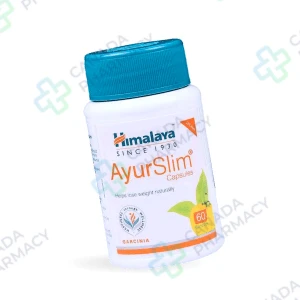
Ayurslim
Price range: $ 71,00 through $ 199,00
Active substance: Ayurslim
More Details
This product has multiple variants. The options may be chosen on the product page
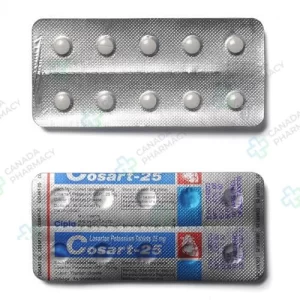
Cozaar
Price range: $ 41,00 through $ 281,00
Active substance: Losartan
More Details
This product has multiple variants. The options may be chosen on the product page
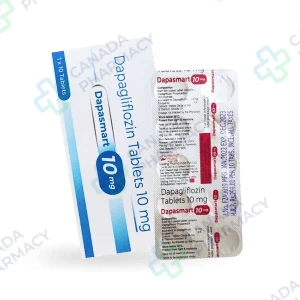
Dapasmart
Price range: $ 67,00 through $ 575,00
Active substance: Dapagliflozin
More Details
This product has multiple variants. The options may be chosen on the product page
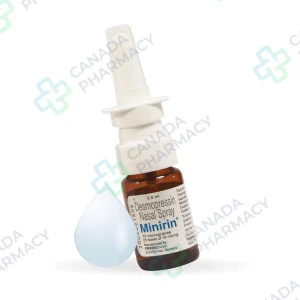
DDAVP spray
Price range: $ 64,00 through $ 412,00
Active substance: Desmopressin acetate
More Details
This product has multiple variants. The options may be chosen on the product page
Metformin
Price range: $ 33,00 through $ 190,00
Active substance: metformin
More Details
This product has multiple variants. The options may be chosen on the product page
Prandin
Price range: $ 40,00 through $ 858,00
Active substance: Repaglinide
More Details
This product has multiple variants. The options may be chosen on the product page
Precose
Price range: $ 46,00 through $ 294,00
Active substance: Acarbose
More Details
This product has multiple variants. The options may be chosen on the product page