

-31%
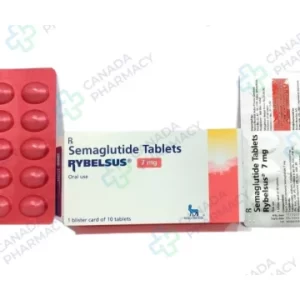
Rybelsus
Price range: $ 250,00 through $ 880,00
Sarafem
Price range: $ 40,00 through $ 387,00
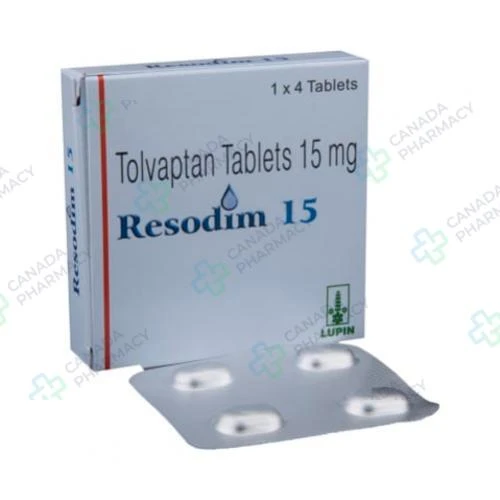
Samsca
Price range: $ 275,00 through $ 660,00
Samsca is a specialized medication designed to effectively manage clinically significant hyponatremia by increasing serum sodium levels. It functions as a selective vasopressin V2-receptor antagonist that helps the body remove excess water while retaining essential electrolytes. This treatment is primarily indicated for adult patients experiencing low sodium levels associated with congestive heart failure or liver cirrhosis. Additionally, it is used to address hyponatremia caused by the Syndrome of Inappropriate Antidiuretic Hormone (SIADH). By promoting the excretion of free water, Samsca helps restore a healthy fluid balance and supports overall metabolic stability.
Active substance: Tolvaptan
Delivery: 5–21 days (depending on the shipping method)
Extra 10% discount with coupon: IT4K6SVM
Each dosage option has its own packaging choices.
Description
Samsca belongs to a class of medications known as selective vasopressin V2-receptor antagonists, commonly referred to as aquaretics. It is prescribed in accordance with federal regulations for the management of clinically significant hypervolemic and euvolemic hyponatremia, a condition characterized by abnormally low sodium concentrations in the blood. Therapy with this prescription medication requires close medical oversight, particularly during initiation.
On one hand, conventional approaches such as strict fluid restriction can be difficult for patients to maintain and slow to yield results. On the other hand, vasopressin receptor antagonism offers a targeted mechanism to promote free-water excretion without promoting electrolyte loss, though it carries specific clinical safety considerations that must be carefully managed.
| Property | Details |
|---|---|
| Active ingredient | Tolvaptan |
| Therapeutic class | Vasopressin V2-receptor antagonist (Aquaretic) |
| Primary purpose | Correction of hypervolemic and euvolemic hyponatremia |
| Dosage form | Oral tablets (15 mg, 30 mg) |
| Route of administration | Oral |
| Prescription status | Prescription (Rx only) |
| Storage conditions | Controlled room temperature 25°C (77°F); excursions permitted between 15°C and 30°C (59°F to 86°F) |
How the drug works
Tolvaptan acts as a selective antagonist at the vasopressin V2 receptors located in the renal collecting ducts. Under normal physiological conditions, arginine vasopressin (AVP) binds to these receptors, stimulating aquaporin-2 channel insertion into the cell membrane and promoting water reabsorption into the bloodstream. By selectively blocking this binding, tolvaptan inhibits water reabsorption.
This process results in an increase in urine excretion that is predominantly water-selective, a phenomenon termed aquaresis. Unlike conventional diuretics (such as loop diuretics or thiazides), tolvaptan increases free-water clearance without significantly increasing the urinary excretion of sodium or potassium. Consequently, net water loss leads to an increased concentration of serum sodium in patients experiencing dilutional hyponatremia.
Main uses
Samsca is FDA-approved for the treatment of clinically significant hypervolemic and euvolemic hyponatremia, specifically in patients with serum sodium levels below 125 mEq/L, or in those with less marked hyponatremia that is symptomatic and resistant to standard fluid restriction. Clinical scenarios in which this condition frequently arises include heart failure, cirrhosis (with specific hepatic monitoring caveats), and the Syndrome of Inappropriate Antidiuretic Hormone secretion (SIADH).
It is important to note the limitations of use. Samsca should not be used in situations where urgent correction of serum sodium is required to prevent or treat severe neurological symptoms, as rapid shifts must be controlled under acute emergency protocols. Furthermore, Samsca is not indicated for the treatment of autosomal dominant polycystic kidney disease (ADPKD) due to duration limitations associated with hepatotoxicity risks.
Dosing schedule
Treatment with Samsca must be initiated or re-initiated in a hospital setting where serum sodium concentrations and fluid balance can be closely evaluated. The typical starting dose is 15 mg administered orally once daily, without regard to meals. The tablet should be swallowed whole with water and should not be chewed or crushed.
Depending on serum sodium response, the dose may be titrated to 30 mg once daily after a minimum interval of 24 hours, up to a maximum recommended dose of 60 mg once daily. In order to minimize the risk of severe liver toxicity, treatment duration with Samsca is limited to a maximum of 30 days. Patients should not be subjected to rigid fluid restriction during the first 24 hours of therapy, as unhindered fluid intake based on thirst helps prevent overly rapid sodium correction.
What happens in the body
Following oral administration, tolvaptan is rapidly absorbed, achieving peak plasma concentrations within 2 to 4 hours. Absolute oral bioavailability is approximately 40%. Administration with high-fat meals increases peak concentration but does not significantly alter total exposure (area under the curve), making food intake timing clinically flexible.
Tolvaptan is highly bound to plasma proteins (exceeding 99%) and exhibits a volume of distribution of approximately 3 liters per kilogram. Metabolism occurs almost entirely via the liver, primarily through the cytochrome P450 CYP3A enzyme pathway. The terminal elimination half-life is approximately 12 hours. Clearance is predominantly metabolic, with less than 1% of the unchanged drug excreted in the urine and roughly 59% of metabolites recovered in feces.
Compatibility with other medicines
Drug interactions with tolvaptan are primarily mediated by the CYP3A enzyme pathway. Co-administration with strong CYP3A inhibitors–such as ketoconazole, itraconazole, clarithromycin, or ritonavir–significantly increases tolvaptan plasma levels and is contraindicated. Moderate CYP3A inhibitors (including diltiazem, erythromycin, and fluconazole) also increase exposure; if co-administered, the dose of tolvaptan should be reduced.
Conversely, strong CYP3A inducers (such as rifampin, carbamazepine, phenytoin, or St. John’s wort) decrease tolvaptan exposure, substantially reducing its clinical efficacy. Co-administration with hypertonic saline solutions is generally not recommended, as it markedly increases the risk of excessively rapid elevation of serum sodium. Additionally, monitoring is advised when combining tolvaptan with other vasopressin analogs or medications that alter fluid and electrolyte balance.
Adverse reactions
The side effect profile of Samsca reflects its primary pharmacological mechanism of promoting free-water excretion. Patients commonly experience symptoms related to increased fluid loss and altered hydration status.
- Very common effects: Increased thirst (polydipsia), dry mouth, frequent urination (pollakiuria), and polyuria.
- Common metabolic effects: Hyperglycemia, decreased appetite, and hyperuricemia.
- Gastrointestinal effects: Constipation, nausea, and diarrhea.
- General effects: Asthenia, fatigue, and dizziness.
- Serious adverse effects: Severe dehydration, rapid serum sodium elevation, and hepatic injury.
Important precautions
Samsca carries boxed warnings regarding the risk of Osmotic Demyelination Syndrome (ODS) and hepatic toxicity. Rapid correction of hyponatremia (e.g., an increase of greater than 12 mEq/L within 24 hours) can cause ODS, leading to severe neurological impairment, dysarthria, mutism, dysphagia, lethargy, quadriplegia, or death. Susceptible populations, such as patients with severe malnutrition, alcoholism, or advanced liver disease, may require even slower rates of correction.
To reduce the risk of serious liver injury, Samsca should not be used for longer than 30 days and should be avoided in patients with underlying liver disease, including cirrhosis. Therapy is contraindicated in patients who are unable to sense or appropriately respond to thirst, patients with hypovolemic hyponatremia, patients who are anuric, or those with known hypersensitivity to tolvaptan or any component of the formulation.
What to avoid while taking it
Patients receiving Samsca should avoid grapefruit juice and grapefruit-containing products, as grapefruit inhibits CYP3A enzymes and can lead to elevated tolvaptan concentrations in the bloodstream. Alcohol consumption should also be avoided, as it can compound dehydration risks and increase hepatic stress.
Strict fluid restriction should generally be avoided during the initial phase of treatment unless specifically directed by the attending physician. Patients must be permitted to drink liquids in response to natural thirst signals to avoid rapid overcorrection of serum sodium levels.
Red flags
Certain clinical signs require immediate medical evaluation. Patients and caregivers must monitor for signs of rapid electrolyte shifts or adverse hepatic events.
- Difficulty speaking, trouble swallowing, or sudden weakness in the arms or legs (potential indicators of Osmotic Demyelination Syndrome).
- Signs of liver dysfunction, including yellowing of the skin or eyes (jaundice), dark urine, right upper quadrant abdominal pain, severe fatigue, or persistent nausea.
- Symptoms of severe dehydration, such as extreme dizziness, confusion, fainting, or inability to urinate.
- Signs of severe hypersensitivity, including generalized rash, facial swelling, or breathing difficulty.
If you skip a dose
If a dose of Samsca is missed, it should be taken as soon as it is remembered on the same day. However, if it is almost time for the next scheduled dose, the missed dose should be skipped entirely, and the standard dosing schedule resumed. Patients should never take two doses at the same time or take extra medication to compensate for a missed tablet. Because sodium levels must remain stable, significant alterations in timing should be reported to the supervising clinician.
Special populations
Pregnancy: Data regarding the use of tolvaptan in pregnant women are limited. Animal studies have shown reproductive toxicity at high doses. Samsca should be used during pregnancy only if the potential benefit justifies the potential risk to the fetus.
Nursing Mothers: It is unknown whether tolvaptan is excreted in human milk. Because many drugs are present in human milk and given the potential for serious adverse reactions in nursing infants, a decision should be made whether to discontinue nursing or discontinue the drug.
Pediatric Use: Safety and effectiveness of Samsca in pediatric patients under 18 years of age have not been established.
Geriatric Use: Clinical trials did not demonstrate overall differences in safety or efficacy between elderly patients and younger subjects. However, greater sensitivity in some older individuals cannot be ruled out, particularly regarding fluid status and kidney function.
Q&A
Why must Samsca be started in a hospital environment?
Initiation in a hospital setting allows clinicians to monitor serum sodium levels at frequent intervals (often every 4 to 6 hours initially). Rapid increases in sodium concentration can lead to irreversible neurological damage, such as Osmotic Demyelination Syndrome. Inpatient monitoring ensures that if sodium rises too quickly, corrective intervention can be administered promptly.
Can Samsca be taken continuously for chronic hyponatremia?
No, Samsca is not intended for long-term continuous use. Clinical guidelines and FDA labeling restrict the duration of Samsca therapy to a maximum of 30 days. Prolonged exposure significantly increases the risk of severe liver injury, including serious elevations of liver enzymes and bilirubin.
Is fluid restriction required while taking this medication?
Generally, rigid fluid restriction is not recommended during the initial 24 hours of Samsca therapy. Because tolvaptan causes increased water excretion, patients need to respond to their body’s thirst mechanisms. Restricting fluids while taking an aquaretic increases the risk of overly rapid sodium correction and severe dehydration.
What should be done if thirst becomes intense?
Increased thirst is an expected pharmacological effect of tolvaptan resulting from free-water loss. Patients should be allowed to drink water or other fluids in response to thirst. However, if thirst is accompanied by severe dry mouth, dizziness, or confusion, the medical team should assess the patient’s hydration status and serum sodium levels.
Can Samsca be taken with other heart failure medications?
Samsca is often prescribed to patients with heart failure who develop hyponatremia. It can generally be co-administered with standard heart failure therapies, such as ACE inhibitors, beta-blockers, and loop diuretics. However, concurrent use requires monitoring of fluid balance, kidney function, and serum potassium levels.
In accordance with FDA requirements.
The information presented here is not a substitute for professional medical advice.
Additional information
| Dosage |
15 mg |
|---|---|
| Package |
20 tabs ,30 tabs ,60 tabs |
| Ενεργός Ουσία |
Related products
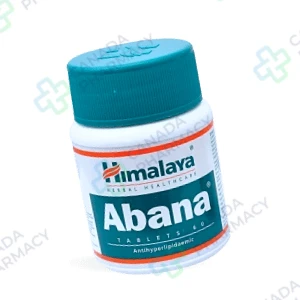
Abana
Price range: $ 89,00 through $ 580,00
Active substance: Abana
More Details
This product has multiple variants. The options may be chosen on the product page
Aggrenox
Price range: $ 50,00 through $ 288,00
Active substance: Dipyridamole
More Details
This product has multiple variants. The options may be chosen on the product page
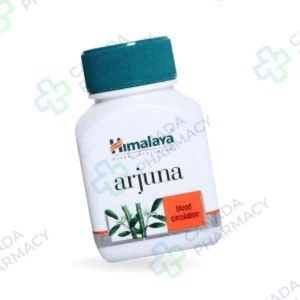
Arjuna
Price range: $ 63,00 through $ 72,00
Active substance: Arjuna (Terminalia arjuna) bark extract
More Details
This product has multiple variants. The options may be chosen on the product page
Atorlip 10
Price range: $ 55,00 through $ 264,00
Active substance: Atorvastatin
More Details
This product has multiple variants. The options may be chosen on the product page
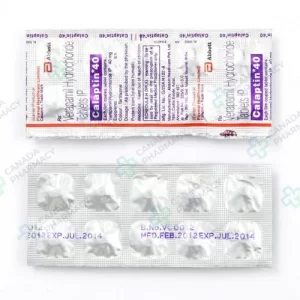
Calan
Price range: $ 46,00 through $ 242,00
Active substance: Verapamil
More Details
This product has multiple variants. The options may be chosen on the product page
Capoten
Price range: $ 42,00 through $ 323,00
Active substance: Captopril
More Details
This product has multiple variants. The options may be chosen on the product page
Cardizem
Price range: $ 24,00 through $ 389,00
Active substance: Diltiazem
More Details
This product has multiple variants. The options may be chosen on the product page
Coreg
Price range: $ 41,00 through $ 651,00
Active substance: Carvedilol
More Details
This product has multiple variants. The options may be chosen on the product page