

-68%
Advair Diskus
Price range: $ 72,00 through $ 527,00
Alavert
Price range: $ 47,00 through $ 118,00
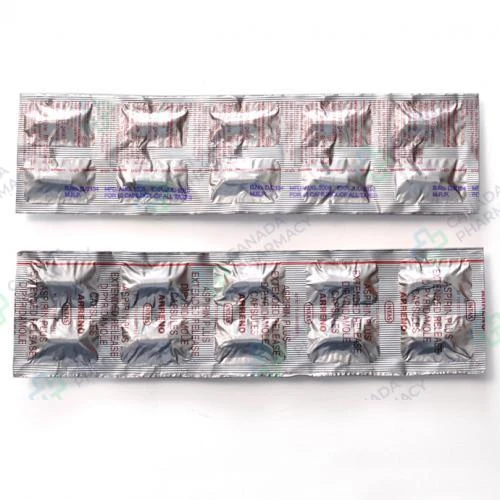
Aggrenox
Price range: $ 50,00 through $ 288,00
Aggrenox is a combination medication containing aspirin and extended-release dipyridamole, designed to help prevent secondary strokes. This treatment works by preventing blood cells called platelets from clumping together, which helps maintain smooth blood flow through the arteries. It is specifically indicated for patients who have previously experienced a stroke or a transient ischemic attack (TIA). By reducing the risk of blood clot formation, Aggrenox provides a dual-action approach to long-term cardiovascular protection. Regular use of this medication helps lower the likelihood of future ischemic events in individuals at high risk for cerebrovascular complications.
Active substance: Dipyridamole
Delivery: 5–21 days (depending on the shipping method)
Extra 10% discount with coupon: IT4K6SVM
Each dosage option has its own packaging choices.
Description
Aggrenox belongs to a class of combination antiplatelet medications designed to reduce the risk of secondary stroke. It combines extended-release dipyridamole with low-dose acetylsalicylic acid (aspirin) to suppress platelet aggregation through complementary biochemical pathways.
This prescription-only drug is approved by the U.S. Food and Drug Administration (FDA) for administration under the supervision of a licensed healthcare professional. Dispensing occurs in accordance with applicable federal and state regulations upon presentation of a valid prescription.
| Drug name | Aggrenox |
| Active ingredient (INN) | Aspirin and extended-release dipyridamole |
| Therapeutic class | Antiplatelet combination agent |
| Dosage form | Oral capsule (25 mg aspirin / 200 mg extended-release dipyridamole) |
| Route of administration | Oral |
| Primary purpose | Secondary stroke risk reduction in patients with TIA or prior ischemic stroke |
| Prescription status | Prescription (Rx only) |
Clinical Profile and Therapeutic Overview
How the Drug Works
Aggrenox exerts its therapeutic action through two distinct antithrombotic mechanisms. Dipyridamole inhibits the uptake of adenosine into red blood cells, platelets, and endothelial cells, thereby increasing local adenosine concentrations. Elevated adenosine stimulates platelet adenylate cyclase, raising intracellular cyclic adenosine monophosphate (cAMP) levels and preventing platelet activation. Furthermore, dipyridamole inhibits phosphodiesterase enzymes (PDE3 and PDE5), slowing cAMP degradation. Aspirin acts by irreversibly acetylating the cyclooxygenase-1 (COX-1) enzyme within platelets. This inhibition blocks the synthesis of thromboxane A2, a potent inducer of platelet aggregation and vasoconstriction. Because platelets lack nuclei, COX-1 inhibition persists for the remainder of the platelet lifespan (approximately 7 to 10 days).
What It’s Used For
The FDA-approved indication for Aggrenox is to reduce the risk of stroke in patients who have experienced transient ischemic attack (TIA) or completed ischemic stroke attributable to thrombosis. The fixed-dose combination targets secondary prevention, meaning it is prescribed to individuals who have already demonstrated cerebrovascular ischemia. It is not indicated for the primary prevention of initial stroke events in asymptomatic populations. Prescribers may occasionally evaluate off-label utility in specialized vascular risk management scenarios, though such applications require individualized clinical judgment and lack primary FDA label indication status.
What Happens in the Body
Following oral administration, the constituent components exhibit distinct pharmacokinetic profiles. Dipyridamole peak plasma concentrations occur approximately 2 hours post-dose due to its extended-release pellet formulation. The terminal elimination half-life of dipyridamole is approximately 10 to 12 hours, supporting a twice-daily dosing regimen. It undergoes extensive hepatic metabolism, primarily via glucuronidation, and is excreted predominantly through the biliary system into feces. Aspirin is rapidly absorbed in the stomach and upper intestine, achieving peak plasma levels within 30 to 40 minutes. It undergoes swift hydrolysis to salicylic acid by plasma and tissue esterases, with an unesterified aspirin half-life of 15 to 20 minutes. Salicylic acid is subsequently metabolized in the liver and excreted renal-wise.
Dosing Schedule
The standard dosage for adult patients is one capsule administered orally twice daily, once in the morning and once in the evening. Each capsule contains 25 mg of immediate-release aspirin surrounding extended-release dipyridamole pellets equivalent to 200 mg. Capsules must be swallowed whole with a full glass of water. They should not be chewed, crushed, split, or open-capsule sprinkled, as damaging the pellet matrix compromises the controlled-release characteristic of dipyridamole and alters systemic exposure. Aggrenox may be taken with or without food. However, taking the dose with meals may improve gastrointestinal tolerance if gastric upset occurs during initial therapy.
Safety Information and Patient Considerations
Compatibility with Other Medicines
Aggrenox carries significant potential for drug-drug interactions due to its dual active ingredients. Concomitant administration with oral anticoagulants (such as warfarin, direct thrombin inhibitors, or factor Xa inhibitors) or nonsteroidal anti-inflammatory drugs (NSAIDs like ibuprofen, naproxen, or celecoxib) substantially elevates the risk of severe gastrointestinal and systemic bleeding. Co-administration of ibuprofen may also competitively interfere with the irreversible COX-1 inhibition afforded by low-dose aspirin. Dipyridamole enhances the systemic plasma levels and cardiovascular effects of adenosine; when intravenous adenosine is required for diagnostic imaging or supraventricular tachycardia, dosage adjustments or temporary cessation of dipyridamole exposure are necessary. Additionally, dipyridamole exerts mild vasodilatory properties that may potentiate the hypotensive actions of antihypertensive agents.
Adverse Reactions
The most common side effect reported during initial clinical trials is headache, occurring in up to 38% of patients. This headache typically develops during the first few days of treatment due to the vasodilatory action of dipyridamole and frequently diminishes in severity over subsequent weeks of continuous therapy. Gastrointestinal adverse effects include dyspepsia, abdominal pain, nausea, vomiting, and diarrhea. Due to antiplatelet activity, patients exhibit an increased propensity for hemorrhage, manifest as ecchymosis, epistaxis, gastrointestinal bleeding, or hematoma formation. Less common reactions include dizziness, generalized weakness, flushing, hypersensitivity reactions (such as urticaria or bronchospasm), and elevation of hepatic enzymes.
Before You Take It
Prior to initiating therapy, clinicians evaluate patient history for severe renal impairment (creatinine clearance under 10 mL/min) or severe hepatic dysfunction, as safety data in these populations are limited. Aggrenox is contraindicated in individuals with known hypersensitivity to NSAIDs or aspirin, as well as patients presenting with the triad of asthma, rhinitis, and nasal polyps due to severe bronchospasm risk. Because of the aspirin component, Aggrenox must not be administered to children or teenagers with viral illnesses (such as varicella or influenza) due to the risk of Reye’s syndrome. Use in the third trimester of pregnancy is avoided because aspirin can cause premature closure of the fetal ductus arteriosus and increase maternal/fetal bleeding risks. Patients with coronary artery disease should be monitored, as dipyridamole vasodilatory effects may precipitate chest pain in unstable angina.
What to Avoid While Taking It
Patients should limit or avoid alcohol consumption while taking Aggrenox. Chronic or heavy consumption of alcohol (defined as 3 or more alcoholic drinks daily) combined with aspirin significantly increases the baseline incidence of gastric mucosal erosion and upper gastrointestinal bleeding. Additionally, patients should avoid self-medicating with over-the-counter pain relievers containing aspirin or other NSAIDs without consulting their prescriber, as accidental double-dosing accelerates antiplatelet action and mucosal damage.
Red Flags
Immediate medical evaluation is warranted if signs of severe bleeding or systemic toxicity manifest. Patients and caregivers should seek emergency care if any of the following symptoms appear:
- Vomiting blood or material resembling dark coffee grounds
- Passing black, tarry, or visibly bloody stools
- Sudden severe weakness, numbness, difficulty speaking, or visual loss suggesting acute cerebrovascular compromise
- Signs of hypersensitivity, including swelling of the face, lips, tongue, or throat, or acute respiratory distress
- Unusually severe, persistent headache accompanied by neck stiffness or fever
- Unexplained, extensive bruising or bleeding from gums and nose that does not stop after mild pressure
If You Skip a Dose
If a dose of Aggrenox is missed, it should be taken as soon as remembered, provided it is not near the time for the next scheduled dose. If the next regular dose is imminent, the missed dose should be skipped entirely, and the normal morning/evening schedule resumed. Patients must never double the dose or take two capsules at once to make up for a missed capsule, as sudden peak plasma levels increase acute bleeding and headache risks.
Day-to-Day Use
Routine administration requires consistent scheduling, ideally taking doses 12 hours apart to maintain stable systemic levels of dipyridamole. Capsules should be stored at controlled room temperature between 20°C to 25°C (68°F to 77°F), protected from excessive moisture. Patients undergoing surgical or elective dental procedures in clinical settings, such as a clinic in Chicago, must inform their surgeon or dentist that they take Aggrenox; antiplatelet therapy may need temporary withdrawal several days prior to invasive procedures to restore adequate hemostasis.
Common Questions
Is headache a common side effect when starting Aggrenox, and does it go away?
Yes, headache is the most frequently documented adverse effect during the initial phase of Aggrenox therapy. It occurs because dipyridamole causes blood vessels in the brain and head to dilate. In clinical practice, these headaches typically begin within the first week of treatment and gradually diminish within a few weeks as the vascular system adapts. Patients experiencing persistent headache should discuss management strategies with their prescribing physician rather than discontinuing medication independently.
Can Aggrenox capsules be crushed or chewed if they are difficult to swallow?
No, Aggrenox capsules must never be crushed, chewed, or opened. The dipyridamole component inside the capsule is formulated as specialized extended-release pellets designed to dissolve gradually in the gastrointestinal tract. Disrupting the capsule or pellet structure releases the entire dose immediately, which significantly elevates peak plasma concentrations, increases the severity of side effects such as severe headache or hypotension, and reduces antiplatelet protection later in the 12-hour dosing interval.
How long before a planned surgery should Aggrenox management be reviewed by a physician?
Decisions regarding the temporary interruption of Aggrenox prior to elective surgery or dental procedures must be made by the prescribing physician or surgeon. Because aspirin irreversibly inactivates platelet COX-1 for the life of the platelet (7 to 10 days), antiplatelet effects persist after stopping the drug. Physicians typically review treatment 7 to 10 days before procedures with high bleeding risks to evaluate whether temporary discontinuation is warranted based on individual thrombotic versus hemorrhagic risk assessments.
What happens if Aggrenox is taken alongside over-the-counter pain relievers like ibuprofen?
Combining Aggrenox with over-the-counter nonsteroidal anti-inflammatory drugs (NSAIDs) such as ibuprofen or naproxen significantly increases the risk of gastrointestinal ulceration and bleeding. Furthermore, ibuprofen can physically block aspirin from binding to the COX-1 enzyme if taken simultaneously, potentially reducing the cardioprotective and cerebrovascular benefits of low-dose aspirin. Patients requiring pain management should seek advice from a healthcare provider regarding safer alternatives, such as acetaminophen.
Should Aggrenox be discontinued immediately if mild bruising occurs?
Mild bruising or small superficial spots under the skin are expected non-emergent consequences of antiplatelet therapy. Patients should not discontinue Aggrenox on their own, as abrupt cessation increases the risk of secondary ischemic stroke. However, if bruising becomes unusually widespread, raised, painful, or is accompanied by active bleeding from the gums, nose, or gastrointestinal tract, the prescribing provider should be notified promptly for a clinical evaluation.
In accordance with FDA requirements.
This text is for informational purposes only and does not constitute individual medical advice.
Additional information
| Dosage |
225mg |
|---|---|
| Package |
20 pills ,30 pills ,60 pills ,90 pills ,120 pills ,180 pills ,270 pills ,360 pills |
| Ενεργός Ουσία |
Related products
Albendazole
Price range: $ 46,00 through $ 121,00
Active substance: Albendazole
More Details
This product has multiple variants. The options may be chosen on the product page
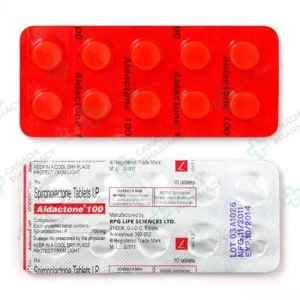
Aldactone
Price range: $ 33,00 through $ 345,00
Active substance: Spironolactone
More Details
This product has multiple variants. The options may be chosen on the product page
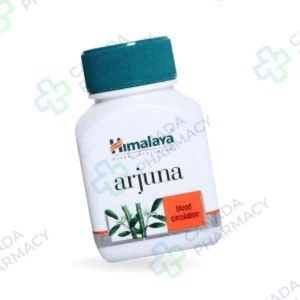
Arjuna
Price range: $ 63,00 through $ 72,00
Active substance: Arjuna (Terminalia arjuna) bark extract
More Details
This product has multiple variants. The options may be chosen on the product page

Atorlip 10
Price range: $ 55,00 through $ 264,00
Active substance: Atorvastatin
More Details
This product has multiple variants. The options may be chosen on the product page
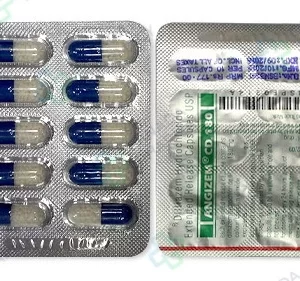
Cardizem
Price range: $ 24,00 through $ 389,00
Active substance: Diltiazem
More Details
This product has multiple variants. The options may be chosen on the product page
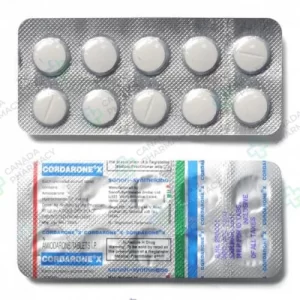
Cordarone
Price range: $ 40,00 through $ 720,00
Active substance: Amiodarone
More Details
This product has multiple variants. The options may be chosen on the product page
Coreg
Price range: $ 41,00 through $ 651,00
Active substance: Carvedilol
More Details
This product has multiple variants. The options may be chosen on the product page
Imdur
Price range: $ 28,00 through $ 286,00
Active substance: Isosorbide
More Details
This product has multiple variants. The options may be chosen on the product page