

-28%

Adalat
Price range: $ 41,00 through $ 267,00
Aggrenox
Price range: $ 50,00 through $ 288,00
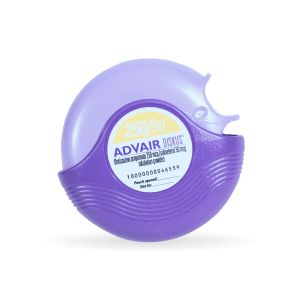
Advair Diskus
Price range: $ 72,00 through $ 527,00
Advair Diskus is a combination medication designed for the long-term management of respiratory conditions such as asthma and chronic obstructive pulmonary disease (COPD). It contains two active ingredients, fluticasone and salmeterol, which work together to reduce inflammation and relax the muscles in the airways. For patients with asthma, this inhaler helps prevent symptoms like wheezing, chest tightness, and shortness of breath before they start. It is also highly effective for individuals with COPD, including chronic bronchitis and emphysema, by improving overall lung function and airflow. Regular use of the Diskus device ensures consistent delivery of medication to help maintain clear breathing and enhance daily quality of life.
Delivery: 5–21 days (depending on the shipping method)
Extra 10% discount with coupon: IT4K6SVM
Each dosage option has its own packaging choices.
Description
Advair Diskus belongs to a class of combination respiratory medicines containing an inhaled corticosteroid and a long-acting beta2-adrenergic agonist. It is prescribed for the long-term maintenance treatment of asthma and chronic obstructive pulmonary disease (COPD) in appropriate patient populations. In the United States, this medication is available strictly by prescription (Rx) and must be used under regular medical supervision.
This dry powder inhaler device delivers pre-metered doses to help manage airway inflammation and prevent bronchospasm. It is not intended for the relief of acute bronchospasm or sudden breathing emergencies.
| Active Ingredients | Fluticasone propionate and salmeterol xinafoate |
| Dosage Form | Inhalation powder (Diskus device) |
| Route of Administration | Oral inhalation |
| Prescription Status | Prescription only (Rx) |
| Primary Purpose | Maintenance treatment of asthma and COPD |
| Storage | Store between 68°F and 77°F (20°C to 25°C) in a dry place |
Advair Diskus: Detailed Product Information and Usage
Main Uses
Advair Diskus is indicated for the daily maintenance treatment of asthma in patients aged 4 years and older who require a combination of an inhaled corticosteroid (ICS) and a long-acting beta2-adrenergic agonist (LABA). It is intended for patients whose symptoms are not adequately controlled on a long-term asthma-control medication alone, or whose disease severity clearly warrants treatment with two maintenance therapies.
Additionally, Advair Diskus 250/50 strength is indicated for the long-term maintenance treatment of airflow obstruction in patients with chronic obstructive pulmonary disease (COPD), including chronic bronchitis and emphysema. It has also been shown to reduce exacerbations of COPD in patients with a history of exacerbations. Advair Diskus is explicitly not indicated for the relief of acute bronchospasm.
How the Drug Works
Advair Diskus contains two active pharmacologic agents that target different mechanisms of airway obstruction: fluticasone propionate and salmeterol xinafoate. Fluticasone propionate is a synthetic trifluorinated corticosteroid with potent anti-inflammatory activity. It inhibits multiple cell types (e.g., mast cells, eosinophils, lymphocytes) and mediator involvement (e.g., histamine, eicosanoids, leukotrienes) involved in allergic and non-allergic airway inflammation.
Salmeterol xinafoate is a selective long-acting beta2-adrenergic agonist. It works locally in the lungs by stimulating intracellular adenyl cyclase, the enzyme that catalyzes the conversion of adenosine triphosphate (ATP) to cyclic-3′,5′-adenosine monophosphate (cyclic AMP). Increased cyclic AMP levels cause relaxation of bronchial smooth muscle and inhibition of release of mediators of immediate hypersensitivity from cells, particularly mast cells.
What Happens in the Body
Following oral inhalation of Advair Diskus, both active components exert their primary therapeutic actions locally within the respiratory tract, with systemic absorption occurring simultaneously. Absolute bioavailability of fluticasone propionate from the Diskus device in healthy subjects averages approximately 18% of the nominal dose. Fluticasone propionate has a large volume of distribution at steady state (approximately 318 L) and high plasma protein binding (99%). It is cleared rapidly from systemic circulation via hepatic metabolism by the cytochrome P450 enzyme CYP3A4 into an inactive metabolite.
Salmeterol acts locally, resulting in low plasma concentrations at therapeutic doses. Plasma protein binding for salmeterol is approximately 96%. Salmeterol is extensively metabolized by hydroxylation via CYP3A4 and eliminated predominantly in feces and urine. The terminal elimination half-life for salmeterol is approximately 5.5 hours.
Dosing Schedule
Advair Diskus is administered exclusively via oral inhalation. The proper dosage depends on disease severity and clinical response, as evaluated by a prescribing healthcare provider. For asthma in adults and adolescents aged 12 years and older, the standard dosage is 1 inhalation twice daily (morning and evening, approximately 12 hours apart) using one of the three available strengths: 100/50, 250/50, or 500/50 mcg of fluticasone propionate and salmeterol, respectively.
For pediatric patients with asthma aged 4 to 11 years, the recommended dosage is 1 inhalation of Advair Diskus 100/50 twice daily. For maintenance treatment of COPD in adults, the approved dose is 1 inhalation of Advair Diskus 250/50 twice daily. Patients must rinse their mouth with water without swallowing after each inhalation to reduce the risk of localized fungal infection.
If You Skip a Dose: If a scheduled dose is missed, the patient should skip that dose and take the next dose at the regularly scheduled time. Patients should never take two doses at once or increase the dose to make up for a missed inhalation.
Adverse Reactions
Clinical trials and post-marketing experience identify several potential adverse reactions associated with Advair Diskus. Local effects from inhaled corticosteroids include oral candidiasis (thrush) in the mouth and pharynx, hoarseness or voice changes (dysphonia), and throat irritation. Rinsing the mouth with water after inhalation significantly lowers these localized risks.
Systemic and respiratory adverse events reported in asthma and COPD clinical trials include upper respiratory tract infections, pneumonia (observed at a higher incidence in COPD populations), headaches, musculoskeletal pain, muscle cramps, tremor, nervousness, cough, and cardiovascular alterations such as palpitations or tachycardia. Prolonged administration of systemic or high-dose inhaled corticosteroids may lead to systemic corticosteroid effects, including hypercorticism and adrenal suppression.
What Not to Combine
Advair Diskus exhibits significant drug interaction potential primarily related to systemic metabolic pathways and pharmacodynamic effects:
- Strong CYP3A4 Inhibitors: Concomitant use with potent cytochrome P450 3A4 inhibitors (such as ketoconazole, itraconazole, clarithromycin, or ritonavir) is not recommended. These drugs inhibit the metabolism of fluticasone propionate and salmeterol, leading to increased systemic drug exposure, elevated risk of cardiovascular side effects, and systemic corticosteroid effects such as Cushing syndrome and adrenal suppression.
- Beta-Adrenergic Blockers: Beta-blockers (including non-selective agents like propranolol and eye drops used for glaucoma) may block the bronchodilating effect of salmeterol and can produce severe bronchospasm in patients with asthma or COPD.
- Non-Potassium-Sparing Diuretics: Electrocardiographic changes and hypokalemia resulting from non-potassium-sparing diuretics may be acutely worsened by beta-agonists.
- Monoamine Oxidase Inhibitors and Tricyclic Antidepressants: Advair Diskus should be administered with extreme caution to patients being treated with MAOIs or TCAs, as cardiovascular effects of salmeterol may be potentiated.
Important Precautions
Advair Diskus is not indicated for the relief of acute symptoms of asthma or COPD, and extra doses should not be used for that purpose. A short-acting inhaled beta2-agonist (such as albuterol) must be available at all times for acute rescue treatment. Treatment with Advair Diskus should not be initiated in patients during rapidly deteriorating or potentially life-threatening episodes of asthma or COPD.
Systemic corticosteroid effects such as hypercorticism and adrenal suppression may occur with excessive doses or standard doses in susceptible individuals. Particular care is needed when transferring patients from systemic corticosteroid therapy to Advair Diskus. Decreases in bone mineral density have been observed with long-term administration of products containing inhaled corticosteroids. Glaucoma, increased intraocular pressure, and cataracts have also been reported following long-term administration.
Special Populations
Pregnancy and Breastfeeding: There are no adequate and well-controlled studies of Advair Diskus in pregnant women. It should be used during pregnancy only if the potential benefit justifies the potential risk to the fetus. It is unknown whether fluticasone propionate or salmeterol is excreted in human milk; caution should be exercised when administered to a nursing woman.
Pediatric Use: Safety and effectiveness of Advair Diskus in asthma have been established in pediatric patients aged 4 years and older. Inhaled corticosteroids may cause a reduction in growth velocity in pediatric patients; growth should be monitored routinely in pediatric patients receiving treatment.
Geriatric Use: Overall differences in safety or effectiveness were not observed between elderly patients (65 years and older) and younger patients, though greater sensitivity in some older individuals cannot be ruled out.
Red Flags
Patients should discontinue use or seek immediate emergency medical care if any of the following critical events occur:
- Sudden onset of severe breathing difficulty or wheezing immediately after inhalation (paradoxical bronchospasm).
- Signs of serious allergic reactions, including swelling of the face, mouth, lips, tongue, or throat, hives, or severe rash.
- Chest pain, rapid or irregular heartbeat, or severe dizziness.
- Signs of serious respiratory infection, such as high fever, increased sputum production, chest discomfort, or worsening cough.
Storage and Expiration
Store Advair Diskus at room temperature between 68°F and 77°F (20°C to 25°C), with excursions permitted between 59°F and 86°F (15°C to 30°C). Keep the device in a dry place away from direct heat and sunlight. The Diskus device should be stored inside the original moisture-protective foil pouch until first use. Discard the Diskus device 1 month after removal from the protective foil pouch, or when the dose counter reads “0”, whichever comes first.
Frequently Asked Questions
Is Advair Diskus used for acute asthma attacks?
No, Advair Diskus is a controller medication designed for daily maintenance therapy. It is not formulated to provide rapid relief for acute shortness of breath or sudden bronchospasm. Patients must keep a separate short-acting rescue inhaler (such as albuterol) available to manage sudden, acute respiratory symptoms.
Why is rinsing the mouth necessary after using this inhaler?
Rinsing the mouth with water and spitting it out without swallowing after each dose removes residual steroid powder deposited on the oral mucosa. This practice significantly reduces the risk of developing localized fungal infections, specifically oral candidiasis (thrush), as well as hoarseness and throat irritation.
Can Advair Diskus affect blood pressure or heart rate?
Advair Diskus contains salmeterol, a long-acting beta2-agonist that can produce cardiovascular effects in some individuals. These effects may include increases in pulse rate, blood pressure alterations, or cardiac arrhythmias. Patients with pre-existing cardiovascular disorders such as hypertension or coronary artery disease should be monitored carefully while using this medication.
How does long-term use of an inhaled corticosteroid impact bone density?
Long-term daily administration of inhaled corticosteroids like fluticasone propionate may contribute to small, progressive decreases in bone mineral density. This risk is higher in individuals with established risk factors for osteoporosis, such as prolonged immobilization, family history, postmenopausal status, or poor nutrition. Periodic assessment of bone density may be considered for patients on long-term treatment.
What should be done if the inhaler dose counter shows zero?
The built-in dose counter tracks the exact number of remaining doses, turning red when 5 or fewer doses remain. When the counter reaches “0”, the device is empty and no longer delivers a full therapeutic dose of medicine. The empty Diskus device should be safely discarded and replaced with a new prescribed device.
The information presented here is not a substitute for professional medical advice.
In accordance with FDA requirements.
Additional information
| Dosage |
100mcg+50mcg ,250mcg+50mcg ,500mcg+50mcg |
|---|---|
| Package |
1 accuhaler ,2 accuhaler ,2 inhaler ,3 accuhaler ,3 inhaler ,4 accuhaler ,5 accuhaler |
| Active Ingredient |
fluticasone, salmeterol |
Related products
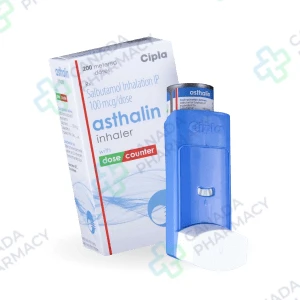
Asthalin Inhaler
Price range: $ 50,00 through $ 215,00
Active substance: Salbutamol
More Details
This product has multiple variants. The options may be chosen on the product page
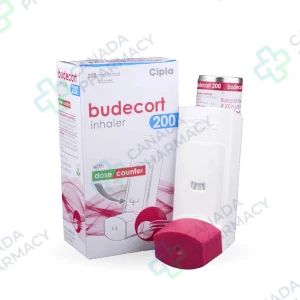
Budecort Inhaler
Price range: $ 17,00 through $ 92,00
Active substance: Budesonide
More Details
This product has multiple variants. The options may be chosen on the product page
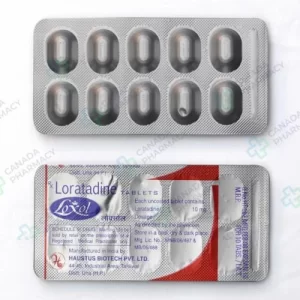
Claritin
Price range: $ 43,00 through $ 143,00
Active substance: Loratadine
More Details
This product has multiple variants. The options may be chosen on the product page
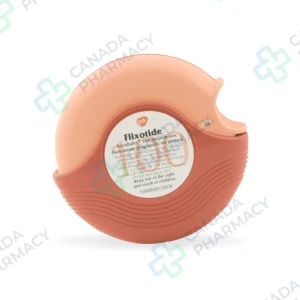
Flixotide Nasal Spray 100 doses
Price range: $ 54,00 through $ 220,00
Active substance: fluticasone
More Details
This product has multiple variants. The options may be chosen on the product page
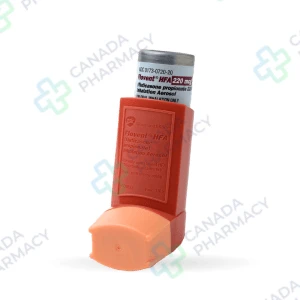
Flovent
Price range: $ 35,00 through $ 90,00
Active substance: fluticasone
More Details
This product has multiple variants. The options may be chosen on the product page
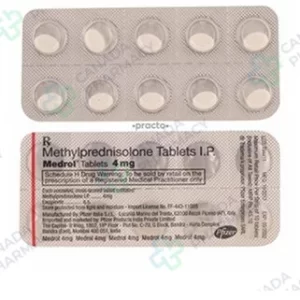
Medrol
Price range: $ 49,00 through $ 497,00
Active substance: Medrol
More Details
This product has multiple variants. The options may be chosen on the product page
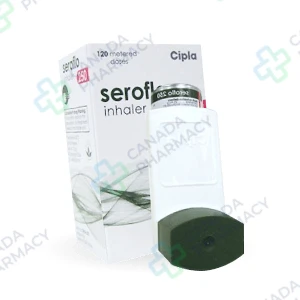
Seroflo
Price range: $ 110,00 through $ 659,00
Active substance: fluticasone, Salmeterol
More Details
This product has multiple variants. The options may be chosen on the product page
Singulair
Price range: $ 42,00 through $ 502,00
Active substance: Montelukast
More Details
This product has multiple variants. The options may be chosen on the product page