

-57%
Asthalin
Price range: $ 18,00 through $ 52,00
Astralean
Price range: $ 49,00 through $ 670,00
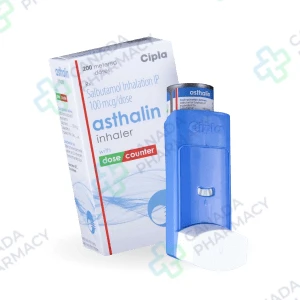
Asthalin Inhaler
Price range: $ 50,00 through $ 215,00
Asthalin Inhaler is a highly effective bronchodilator designed to provide rapid relief from acute respiratory symptoms. Containing Salbutamol as its active ingredient, this inhaler works by relaxing the muscles in the airways to significantly improve airflow to the lungs. It is primarily used to manage and prevent wheezing, shortness of breath, and chest tightness associated with asthma. The medication is also widely utilized to treat symptoms of chronic obstructive pulmonary disease (COPD) and to prevent exercise-induced bronchospasm. Its compact design and fast-acting formula make it a reliable solution for maintaining clear and easy breathing throughout the day.
Active substance: Salbutamol
Delivery: 5–21 days (depending on the shipping method)
Extra 10% discount with coupon: IT4K6SVM
Each dosage option has its own packaging choices.
Description
Asthalin belongs to a group of medicines called short-acting beta2-adrenergic agonists (SABAs). It is formulated as an inhalation aerosol containing albuterol (salbutamol) sulfate, designed to open the airways in individuals experiencing acute respiratory constriction.
In the United States, albuterol inhalation products are classified as prescription medications and must be dispensed in accordance with federal and state regulations. Healthcare providers prescribe this therapy primarily to manage reversible airway obstruction associated with asthma and chronic obstructive pulmonary disease (COPD).
| Attribute | Details |
|---|---|
| Active ingredient | Albuterol sulfate (Salbutamol sulfate) |
| Therapeutic class | Short-acting beta2-adrenergic agonist (Bronchodilator) |
| Dosage form | Inhalation aerosol (Metered-dose inhaler) |
| Route of administration | Oral inhalation |
| Primary purpose | Relief and prevention of bronchospasm |
| Prescription status | Prescription (Rx) |
How the drug works
The active substance in Asthalin acts selectively on beta2-adrenergic receptors located in the smooth muscles of the bronchial tree. Activation of these receptors stimulates intracellular adenylate cyclase, an enzyme that converts adenosine triphosphate (ATP) to cyclic adenosine monophosphate (cAMP). Increased intracellular cAMP concentrations lead to the relaxation of bronchial smooth muscle and inhibition of the release of immediate-hypersensitivity mediators from mast cells.
By relaxing the airway musculature, the medication alleviates bronchoconstriction, reduces airway resistance, and facilitates smoother airflow during respiration. Because its action is targeted directly to bronchial tissue via inhalation, systemically absorbed concentrations remain lower compared to oral administration routes, minimizing generalized systemic exposure while providing targeted therapeutic action.
Main uses
Asthalin inhalation aerosol is indicated for the treatment and prevention of bronchospasm in patients four years of age and older with reversible obstructive airway disease. Conditions benefiting from this therapy include bronchial asthma and chronic obstructive pulmonary disease (COPD), including chronic bronchitis and emphysema. It is routinely utilized as a rescue medication to manage sudden symptoms of shortness of breath, wheezing, and chest tightness.
Additionally, the inhaler is indicated for the prevention of exercise-induced bronchospasm (EIB). When administered prior to physical exertion, it helps prevent airway narrowing triggered by hyperventilation and environmental triggers. Off-label use of inhaled albuterol sometimes occurs in emergency department settings as an adjunct management option for acute hyperkalemia under strict medical supervision, which falls outside standard outpatient Indications.
Dosing schedule
Dosing of Asthalin depends on the specific clinical indication and individual patient response as determined by a licensed healthcare provider. For the relief of acute bronchospasm in adults and pediatric patients four years of age and older, the typical recommended dosage is two inhalations repeated every four to six hours as needed. In some patients, a single inhalation every four hours may be sufficient for symptom control.
To prevent exercise-induced bronchospasm, the usual dosage for adults and children four years of age and older is two inhalations administered 15 to 30 minutes prior to exercise. Proper administration technique is required: the device must be primed prior to first use or if unused for several days, shaken thoroughly before each actuation, and cleaned regularly to prevent mouthpiece clogging.
How it’s absorbed and eliminated
Following oral inhalation, a portion of the administered dose reaches the lower respiratory tract, while the remainder deposits in the mouth and throat and is swallowed. The onset of bronchodilation occurs rapidly, typically within 5 minutes after inhalation. Peak functional improvement in pulmonary function generally occurs between 0.5 and 2 hours following administration, with a total duration of action lasting between 4 and 6 hours in most individuals.
The portion of albuterol absorbed systemically into the bloodstream undergoes hepatic metabolism, converting primarily to albuterol 4′-O-sulfate, an inactive metabolite. The elimination half-life of inhaled albuterol ranges between 3.8 and 6 hours. Both unchanged drug and metabolic byproducts are excreted through the kidneys in urine within 72 hours of administration.
What not to combine
Asthalin interacts with several drug classes, requiring evaluation before concurrent administration. Beta-adrenergic receptor blocking agents (beta-blockers), such as propranolol or atenolol, inhibit the bronchodilating effect of albuterol and may precipitate severe bronchospasm in asthmatic patients. Non-selective beta-blockers should generally be avoided in individuals using short-acting beta2-agonists.
Concomitant administration with non-potassium-sparing diuretics (such as loop or thiazide diuretics) may exacerbate hypokalemia and electrocardiographic changes, particularly when recommended albuterol doses are exceeded. Caution is advised when co-administering with monoamine oxidase inhibitors (MAOIs) or tricyclic antidepressants (TCAs), as these agents can potentiate cardiovascular effects on the vascular system.
Adverse reactions
Like all sympathomimetic bronchodilators, Asthalin can cause side effects, although not all patients experience them. The most frequently observed adverse reactions are secondary to systemic beta-adrenergic stimulation. Fine tremor (particularly of the hands), nervousness, restlessness, and mild headache are among the most common reactions reported during clinical use.
Cardiovascular side effects include palpitations, elevated heart rate (tachycardia), transient blood pressure changes, or cardiac arrhythmias. Gastrointestinal symptoms such as nausea or dry mouth may occur. A rare but critical adverse reaction is paradoxical bronchospasm, characterized by an immediate increase in wheezing following actuation. If paradoxical bronchospasm occurs, the medication must be discontinued immediately and alternative therapy instituted.
Important precautions
Asthalin should be used with caution in patients with underlying cardiovascular disorders, particularly coronary insufficiency, cardiac arrhythmias, and severe hypertension. Sympathomimetic amines can produce cardiovascular effects in susceptible individuals. Patients with convulsive disorders, hyperthyroidism, or diabetes mellitus should also be monitored, as high doses may transiently increase blood glucose levels or aggravate metabolic conditions.
Increasing reliance on short-acting inhaled beta2-agonists is a marker of destabilizing asthma control. Patients requiring more frequent inhalations than prescribed must seek medical re-evaluation to adjust their primary anti-inflammatory controller therapy (such as inhaled corticosteroids). In elderly patients or those with reduced renal clearance, dosing adjustments are guided by clinical response.
Red flags
Patients using Asthalin must monitor for warning signs that indicate urgent medical intervention is required. Emergency medical assistance should be sought immediately if any of the following occur: sudden worsening of breathing difficulties or chest tightness after taking a dose; swelling of the face, lips, tongue, or throat; severe dizziness; chest pain or rapid, irregular heartbeats; or a total failure of the inhaler to relieve symptoms during an acute asthma attack.
Day-to-day use
For optimal results during daily management, patients should keep their inhaler accessible at all times. It is recommended to track canister usage to ensure a replacement device is obtained before the medication is exhausted. Practicing proper breathing technique–exhaling fully, placing the mouthpiece between teeth with lips sealed around it, and inhaling deeply while depressing the canister–ensures proper drug deposition into the lungs.
If you skip a dose
Because Asthalin is primarily used on an as-needed basis for symptom relief, scheduled dosing is less common. However, if prescribed on a regular dosing schedule and a dose is missed, take it as soon as remembered. If it is almost time for the next scheduled dose, skip the missed dose and resume the normal administration schedule. Do not take a double dose to make up for a missed inhalation.
Storage and expiration
Asthalin inhalers should be stored at controlled room temperature, ideally between 68°F and 77°F (20°C to 25°C), away from excess heat, direct sunlight, and high humidity. Content inside the canister is under pressure; therefore, the container must not be punctured, incinerated, or exposed to temperatures exceeding 120°F (49°C). Keep out of reach of children and discard the unit once the expiration date printed on the packaging has passed.
Common questions
How quickly does Asthalin start relieving symptoms during an asthma attack?
The onset of action for inhaled albuterol generally begins within 5 minutes of administration. Peak improvement in breathing typically occurs within 30 minutes to 2 hours, with bronchodilation lasting up to 4 to 6 hours.
Is it normal to feel shaky or experience a fast heartbeat after using the inhaler?
Yes, fine tremors (especially in the hands) and a transient increase in heart rate are recognized side effects of beta2-agonists due to systemic absorption. If these symptoms become severe, persistent, or cause significant distress, contact your healthcare provider.
What should I do if the inhaler does not seem to open my airways?
If your prescribed dose fails to provide relief or if symptoms recur sooner than expected, do not exceed the recommended dose frequency. Seek medical evaluation promptly, as this signals that your underlying airway inflammation may require adjustment with maintenance medications.
Can I use Asthalin before exercising in cold weather?
Yes, when prescribed for exercise-induced bronchospasm, administering two inhalations approximately 15 to 30 minutes prior to exercise helps protect against airway constriction caused by physical exertion and cold air exposure.
Does Asthalin replace my daily maintenance controller inhaler?
No, Asthalin is a short-acting bronchodilator intended for rapid symptom relief or pre-exercise prevention. It does not treat underlying airway inflammation, which typically requires ongoing daily treatment with a long-term controller drug like an inhaled corticosteroid.
This text is for informational purposes only and does not constitute individual medical advice. In accordance with FDA regulations, prescription medications require appropriate medical supervision.
Additional information
| Dosage |
100mcg |
|---|---|
| Package |
1 inhaler ,2 inhaler ,3 inhaler ,4 inhaler ,5 inhaler ,6 inhaler ,7 inhaler ,8 inhaler ,9 inhaler ,10 inhaler |
| Ενεργός Ουσία |
Related products
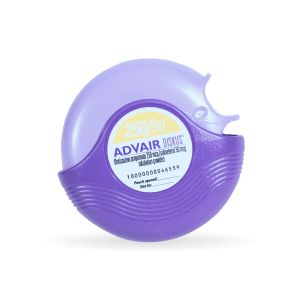
Advair Diskus
Price range: $ 72,00 through $ 527,00
More Details
This product has multiple variants. The options may be chosen on the product page
Asthalin
Price range: $ 18,00 through $ 52,00
Active substance: Salbutamol
More Details
This product has multiple variants. The options may be chosen on the product page
Deltasone
Price range: $ 47,00 through $ 296,00
Active substance: Prednisone
More Details
This product has multiple variants. The options may be chosen on the product page

Ketasma
Price range: $ 10,00 through $ 23,00
Active substance: Ketotifen Fumarate
More Details
This product has multiple variants. The options may be chosen on the product page
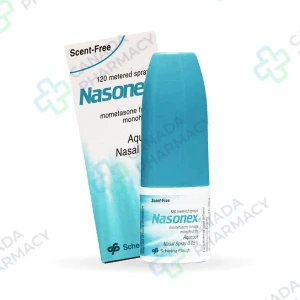
Nasonex nasal spray
Price range: $ 62,00 through $ 276,00
Active substance: Mometasone Furoate Monohydrate
More Details
This product has multiple variants. The options may be chosen on the product page
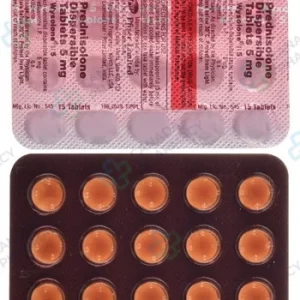
Prednisolone
Price range: $ 40,00 through $ 210,00
Active substance: prednisolone
More Details
This product has multiple variants. The options may be chosen on the product page
Quibron-T
Price range: $ 43,00 through $ 492,00
Active substance: Theophylline
More Details
This product has multiple variants. The options may be chosen on the product page
Singulair
Price range: $ 42,00 through $ 502,00
Active substance: Montelukast
More Details
This product has multiple variants. The options may be chosen on the product page