

-42%
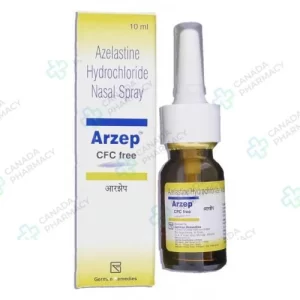
Astelin
Price range: $ 46,00 through $ 193,00
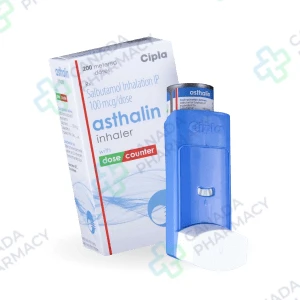
Asthalin Inhaler
Price range: $ 50,00 through $ 215,00
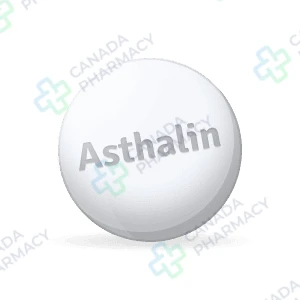
Asthalin
Price range: $ 18,00 through $ 52,00
Asthalin is a highly effective bronchodilator designed to provide rapid relief from acute respiratory distress. The medication works by relaxing the smooth muscles in the airways, allowing for significantly improved airflow to the lungs. It is widely utilized for the management of chronic conditions such as bronchial asthma and chronic obstructive pulmonary disease. Additionally, Asthalin is an ideal solution for preventing symptoms triggered by exercise or exposure to known allergens. This reliable inhaler helps users maintain clear breathing and supports an active, healthy lifestyle.
Active substance: Salbutamol
Delivery: 5–21 days (depending on the shipping method)
Extra 10% discount with coupon: IT4K6SVM
Each dosage option has its own packaging choices.
Description
Asthalin belongs to a class of medications known as short-acting beta2-adrenergic agonists (SABAs), containing the active ingredient albuterol sulfate. It works by selectively stimulating beta2-receptors in the bronchial smooth muscle, facilitating rapid bronchodilation to relieve acute airway obstruction.
As a prescription-only medication in the United States, Asthalin must be used in strict accordance with federal and state healthcare regulations under the supervision of a licensed practitioner. It is primarily indicated for the management and prevention of reversible bronchospasm associated with obstructive airway diseases like asthma and chronic obstructive pulmonary disease (COPD).
| Parameter | Details |
|---|---|
| Drug name | Asthalin |
| Active ingredient | Albuterol (as sulfate) |
| Therapeutic class | Short-acting beta2-adrenergic agonist (SABA) |
| Route of administration | Oral inhalation |
| Prescription status | Prescription required (Rx only) |
| Primary purpose | Relief and prevention of acute bronchospasm |
Safety Alerts and Clinical Indications
Key Safety and Risk Warnings
Important precautions
Warning: Asthalin can produce paradoxical bronchospasm, a potentially life-threatening condition where airway constriction worsens immediately after administration. If this occurs, discontinue the medication immediately and seek alternative therapy. Additionally, excessive use of short-acting beta2-agonists may signal deteriorating asthma control, requiring urgent clinical reassessment rather than increased self-dosing.
Patients with underlying cardiovascular disorders, including coronary insufficiency, cardiac arrhythmias, and hypertension, must exercise extreme caution. Albuterol can produce significant cardiovascular effects, such as increased pulse rate, elevated blood pressure, and electrocardiogram (ECG) changes. Patients with diabetes mellitus should monitor blood glucose closely, as beta-agonists can induce hyperglycemia and transient hypokalemia.
Main uses
Asthalin is indicated for the treatment and prevention of bronchospasm in patients four years of age and older with reversible obstructive airway disease. It is also prescribed for the prevention of exercise-induced bronchospasm (EIB). It serves as a rescue therapy for acute asthmatic symptoms but does not replace long-term maintenance anti-inflammatory medications, such as inhaled corticosteroids.
When to get emergency care
Immediate medical attention is required if you experience red-flag symptoms indicating a severe adverse reaction or acute medical emergency. Do not delay emergency evaluation if breathing difficulty worsens rapidly after inhalation.
| Emergency Indicator | Action Required |
|---|---|
| Paradoxical bronchospasm (sudden tight chest/wheezing after dose) | Stop use immediately; seek emergency care. |
| Severe chest pain or irregular, pounding heartbeat | Seek immediate emergency medical evaluation. |
| Signs of severe allergic reaction (facial, tongue, or throat swelling) | Call emergency services right away. |
| Extreme dizziness, confusion, or impending faintness | Seek urgent medical assessment. |
| Lack of symptomatic improvement after maximum prescribed puffs | Contact an emergency care provider immediately. |
Pharmacology, Administration, and Interactions
Clinical Pharmacological Profile
How the drug works
The primary mechanism of action involves the activation of beta2-adrenergic receptors located on airway smooth muscle. This activation stimulates the enzyme adenyl cyclase, catalyzing the conversion of adenosine triphosphate (ATP) to cyclic adenosine monophosphate (cAMP). Elevated intracellular cAMP levels activate protein kinase A, which inhibits myosin phosphorylation and lowers intracellular calcium concentrations, resulting in smooth muscle relaxation throughout the bronchial tree from the trachea to the terminal bronchioles.
What happens in the body
Following oral inhalation, albuterol typically exhibits a rapid onset of action within 5 minutes. Peak bronchodilatory effects are observed between 0.5 and 2 hours after administration, with a total duration of action ranging between 4 and 6 hours in most individuals. A portion of the inhaled dose is swallowed and absorbed through the gastrointestinal tract. Albuterol undergoes hepatic metabolism to an inactive sulfate conjugate and is eliminated predominantly through renal excretion, with a plasma elimination half-life generally between 3.8 and 5 hours.
Dosage, Interactions, and Daily Use
Dosing schedule
For the relief of acute bronchospasm, the standard dosage for adults and pediatric patients aged 4 years and older is generally 2 inhalations repeated every 4 to 6 hours as clinically necessary. For the prevention of exercise-induced bronchospasm, the recommended dose is 2 inhalations administered 15 to 30 minutes prior to physical activity. Never exceed the prescribed frequency or total daily dose without specific medical direction from your physician.
Compatibility with other medicines
Warning: Co-administration with non-selective beta-adrenergic receptor blockers (such as propranolol) is strongly discouraged, as they inhibit the therapeutic effect of albuterol and can precipitate severe, potentially fatal bronchospasm in asthmatic patients. Care must also be exercised when combined with non-potassium-sparing diuretics (loop or thiazide diuretics), as beta-agonists can acutely worsen hypokalemia and ECG changes. Furthermore, monoamine oxidase inhibitors (MAOIs) and tricyclic antidepressants can potentiate the cardiovascular actions of albuterol.
What to avoid while taking it
Limit consumption of dietary stimulants, such as excessive caffeine, which may exacerbate sympathomimetic side effects like tremors, restlessness, and increased heart rate. While alcohol does not directly impair the pharmacodynamics of albuterol, high alcohol intake can obscure symptoms of acute respiratory distress or impair your ability to respond effectively during an asthma attack.
What side effects may occur
Adverse reactions are primarily associated with systemic beta-adrenergic stimulation. Frequently reported side effects include fine tremor (particularly in the hands), nervousness, headache, dizziness, throat irritation, altered taste sensations, and sinus tachycardia. Less common but serious side effects include cardiac arrhythmias, myocardial ischemia, severe hypersensitivity reactions (anaphylaxis, urticaria, angioedema), and transient hypokalemic muscle weakness.
What you may notice early on
Upon inhalation, patients generally experience noticeable relief of shortness of breath and chest tightness within minutes. During the initial days of treatment, mild side effects like transient hand tremors or a slight sensation of physical restlessness may occur as the body adjusts to sympathomimetic stimulation. If these symptoms persist or become distressing, consult your healthcare provider.
If you skip a dose
Asthalin is primarily administered on an as-needed basis for symptom control. If your physician has prescribed it on a regular schedule and a dose is missed, take it as soon as remembered. However, if it is almost time for the next scheduled dose, skip the missed dose and resume the normal administration schedule. Never take double doses to compensate for a missed administration.
Frequently Asked Questions
What should I do if my usual Asthalin dose stops providing breathing relief?
If your prescribed dose fails to provide expected symptom relief or if the duration of relief shortens significantly, this indicates an acute worsening of your respiratory condition. Do not increase the dosage or frequency on your own. Immediate medical evaluation is required, as your treatment plan may need adjustment, including the initiation or increase of anti-inflammatory therapies like inhaled corticosteroids.
Can Asthalin cause my heart rate to speed up significantly?
Yes, sympathomimetic agents like albuterol stimulate cardiovascular beta-receptors to a degree, which can cause elevated heart rate, palpitations, or noticeable racing pulses. While minor pulse increases are common, severe tachycardia, chest pain, or irregular heart rhythms require immediate emergency medical evaluation.
Is it safe to use Asthalin right before working out in cold weather?
When prescribed for exercise-induced bronchospasm, administering 2 inhalations 15 to 30 minutes before physical exertion helps prevent airway constriction. Cold weather can trigger additional bronchial sensitivity, so taking the medication as directed by your physician prior to outdoor exercise in Chicago or other cold regions can be beneficial. Always consult your provider regarding exercise plans in challenging environments.
Why do my hands feel shaky after taking an inhalation?
Fine tremor, particularly in the hands, is a recognized pharmacological effect of beta2-agonists. It results from direct stimulation of beta2-receptors in skeletal muscle tissue. This side effect is typically dose-dependent and often diminishes over time as tolerance to peripheral muscle effects develops.
Can Asthalin be taken alongside daily steroid controller inhalers?
Yes, short-acting bronchodilators like Asthalin are frequently co-prescribed with daily maintenance therapies such as inhaled corticosteroids. While controller inhalers manage chronic underlying airway inflammation, Asthalin acts as a fast-acting rescue therapy for acute bronchodilatory needs. Use each inhaler strictly according to your physician’s regimen.
Always consult your healthcare provider before starting or changing any treatment. In accordance with FDA requirements.
Additional information
| Dosage |
2 mg ,4 mg |
|---|---|
| Package |
90 pills ,120 pills ,180 pills ,360 pills |
| Ενεργός Ουσία |
Related products
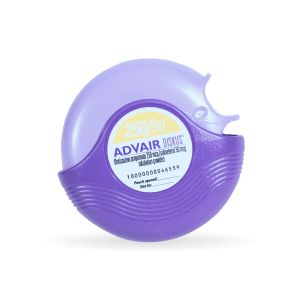
Advair Diskus
Price range: $ 72,00 through $ 527,00
More Details
This product has multiple variants. The options may be chosen on the product page
Astelin
Price range: $ 46,00 through $ 193,00
Active substance: Azelastine
More Details
This product has multiple variants. The options may be chosen on the product page
Asthalin Inhaler
Price range: $ 50,00 through $ 215,00
Active substance: Salbutamol
More Details
This product has multiple variants. The options may be chosen on the product page
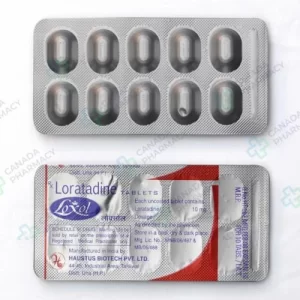
Claritin
Price range: $ 43,00 through $ 143,00
Active substance: Loratadine
More Details
This product has multiple variants. The options may be chosen on the product page
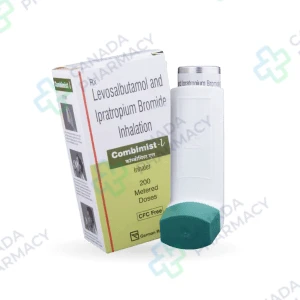
Combimist L Inhaler
Price range: $ 60,00 through $ 81,00
Active substance: ipratropium, Levosalbutamol
More Details
This product has multiple variants. The options may be chosen on the product page
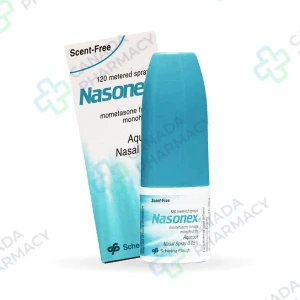
Nasonex nasal spray
Price range: $ 62,00 through $ 276,00
Active substance: Mometasone Furoate Monohydrate
More Details
This product has multiple variants. The options may be chosen on the product page
Quibron-T
Price range: $ 43,00 through $ 492,00
Active substance: Theophylline
More Details
This product has multiple variants. The options may be chosen on the product page
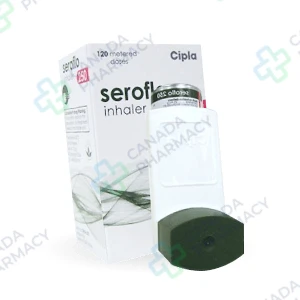
Seroflo
Price range: $ 110,00 through $ 659,00
Active substance: fluticasone, Salmeterol
More Details
This product has multiple variants. The options may be chosen on the product page