

-16%
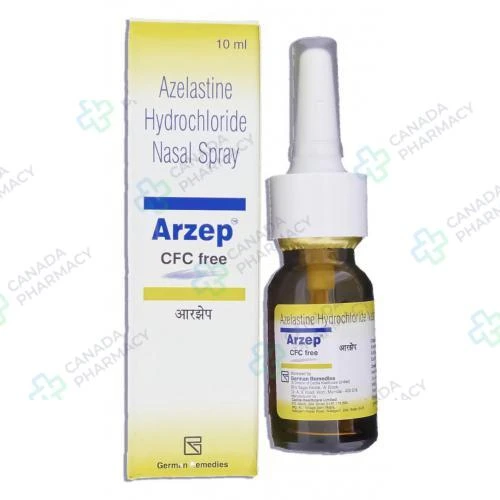
Assurans
Price range: $ 50,00 through $ 70,00
Asthalin
Price range: $ 18,00 through $ 52,00
Astelin
Price range: $ 46,00 through $ 193,00
Astelin is a highly effective antihistamine nasal spray designed to provide rapid relief from bothersome allergy symptoms. It is specifically formulated to combat seasonal allergic rhinitis, effectively targeting environmental triggers like pollen, ragweed, and grass. This medication also provides significant relief for year-round non-allergic rhinitis, helping to clear nasal passages and improve overall breathing. Users can expect a fast-acting reduction in common issues such as sneezing, an itchy nose, and a persistent runny nose. By blocking histamine directly at the source, Astelin helps you maintain comfort and nasal clarity throughout the day.
Active substance: Azelastine
Delivery: 5–21 days (depending on the shipping method)
Extra 10% discount with coupon: IT4K6SVM
Each dosage option has its own packaging choices.
Description
Astelin works by blocking histamine H1 receptors directly within the nasal passages, which helps reduce localized inflammatory responses triggered by airborne allergens. This prescription nasal spray provides targeted relief for symptoms associated with seasonal allergic rhinitis and nonallergic vasomotor rhinitis.
Proper administration ensures optimal delivery of the active substance to the nasal mucosa for effective symptom control. As a localized therapy, it offers a distinct pharmacological profile compared to systemic oral antihistamines.
| Parameter | Details |
|---|---|
| Drug name | Astelin |
| Active ingredient (INN) | Azelastine hydrochloride |
| Therapeutic class | Nasal Antihistamine (H1-receptor antagonist) |
| Dosage form | Nasal spray, solution (metered) |
| Route of administration | Intranasal |
| Prescription status | Prescription (Rx) |
How the drug works
Astelin contains azelastine hydrochloride, a potent, long-acting histamine H1-receptor antagonist. When allergens enter the nasal cavity, they trigger mast cells to release histamine and other inflammatory mediators, leading to sneezing, itching, rhinorrhea, and congestion. Azelastine competitively binds to H1 receptor sites, blocking histamine from exerting its effects on target tissue cells.
On one hand, Astelin demonstrates additional anti-inflammatory properties by inhibiting the synthesis and release of leukotrienes and inflammatory cytokines in preclinical models. On the other hand, its primary clinical benefit remains direct receptor blockade in the nasal mucosa. Local intranasal application concentrates the drug at the target site while minimizing total systemic exposure compared to standard oral antihistamines.
Main uses
Astelin is FDA-approved for the treatment of symptoms associated with seasonal allergic rhinitis in adults and pediatric patients 5 years of age and older. Common seasonal allergens include tree, grass, and weed pollens that cause temporal bouts of nasal inflammation.
Additionally, Astelin is indicated for the treatment of symptoms associated with nonallergic vasomotor rhinitis in adults and pediatric patients 12 years of age and older. Vasomotor rhinitis involves nasal symptoms such as congestion and runny nose triggered by temperature changes, dry air, strong odors, or emotional stress rather than immune-mediated allergic reactions. Clinical evaluation helps prescribers determine whether nasal symptoms stem from allergic or nonallergic causes.
Dosing schedule
The recommended dosage of Astelin varies depending on the patient’s age and specific clinical indication. For seasonal allergic rhinitis in adults and pediatric patients 12 years of age and older, the typical dose is 1 or 2 sprays per nostril twice daily. For children aged 5 to 11 years with seasonal allergic rhinitis, the recommended dosage is 1 spray per nostril twice daily.
For nonallergic vasomotor rhinitis in adults and pediatric patients 12 years of age and older, the standard dosage is 2 sprays per nostril twice daily. Before initial use, the bottle must be primed with 4 squirts or until a fine mist appears. If the spray pump is not used for 3 or more days, it should be reprimed with 2 sprays or until a fine mist is observed. Patients should tilt their head slightly downward during administration to prevent medication from draining into the throat.
What happens in the body
Following intranasal administration of 2 sprays per nostril, systemic bioavailability of azelastine hydrochloride is approximately 40%. Peak plasma concentrations are generally achieved within 2 to 3 hours after local administration. Protein binding of azelastine in human plasma is approximately 88%.
Azelastine is metabolized via the cytochrome P450 enzyme system into its primary active metabolite, desacetylazelastine. Elimination occurs through both renal and fecal excretion pathways. The elimination half-life of azelastine following intranasal administration is approximately 22 hours, while the active metabolite desacetylazelastine exhibits a longer half-life. These pharmacokinetic parameters support a twice-daily dosing regimen for sustained symptom coverage.
Compatibility with other medicines
Concomitant use of Astelin with central nervous system depressants or alcohol should be approached with caution. Although systemic absorption from nasal administration is lower than from oral therapy, concurrent use may lead to additive reductions in alertness and central nervous system impairment.
Formal interaction studies have evaluated concurrent administration with specific agents. Cimetidine has been shown to increase the plasma concentration of azelastine, likely due to inhibition of hepatic metabolism. Conversely, clinical trials examining concurrent administration with oral erythromycin or ketoconazole did not demonstrate significant changes in pharmacokinetic profiles or cardiac repolarization parameters. Patients should inform their prescribing healthcare provider of all concurrent prescription and over-the-counter nasal sprays or systemic therapies.
Adverse reactions
In clinical trials, the most commonly reported adverse event associated with Astelin was dysgeusia, described as a bitter taste in the mouth. This reaction occurs in a subset of patients and is often related to improper spraying technique that allows liquid to slide down the back of the throat.
Other adverse reactions reported in clinical evaluation include:
- Somnolence or mild drowsiness
- Nasal burning, stinging, or localized discomfort
- Epistaxis (nosebleeds)
- Headache and somnolence
- Dry mouth and upper respiratory tract infection symptoms
While most side effects are mild to moderate in severity, patients experiencing persistent nasal irritation or severe drowsiness should consult their healthcare provider for advice on dose adjustment or administration technique modification.
Important precautions
Patients prescribed Astelin should exercise caution when driving a motor vehicle or operating dangerous machinery, particularly upon initiating therapy, due to the risk of somnolence. The concurrent ingestion of alcohol or other central nervous system depressants should be avoided, as it may compound sedative effects.
Special populations require specific considerations:
- Pregnancy: Astelin should be used during pregnancy only if the potential benefit justifies the potential risk to the fetus. Prescribers evaluate individual clinical risk profiles.
- Nursing Mothers: It is not fully known whether azelastine is excreted in human milk in substantial quantities following intranasal use; caution is advised when administered to nursing mothers.
- Pediatric Use: Safety and effectiveness have been established down to 5 years for seasonal allergic rhinitis and 12 years for vasomotor rhinitis. Safety for younger age groups has not been established.
- Geriatric Use: Clinical studies did not observe overall differences in safety or effectiveness between elderly and younger patients, though individual sensitivity cannot be ruled out.
First days of treatment
During the initial days of using Astelin, patients can expect onset of symptom relief relatively quickly, often within 30 to 60 minutes post-dose. This rapid local action is one of the distinct characteristics of nasal antihistamine formulations compared to delayed systemic effects.
Some individuals experience a temporary stinging sensation or a mild bitter taste during the first few doses. These sensations frequently diminish as patients become accustomed to proper application techniques. Maintaining a forward head position during administration reduces liquid drainage into the pharynx, minimizing early treatment discomfort.
Day-to-day use
Integrating Astelin into a daily healthcare routine involves maintaining a consistent twice-daily application schedule, typically morning and evening. Consistent daily administration ensures steady therapeutic levels at the mucosal surface throughout allergen exposure periods.
Routine maintenance of the spray device helps ensure accurate dosing. If the nasal tip becomes clogged, the pump unit can be removed and rinsed with warm water. Patients should never attempt to unblock the spray nozzle hole with a sharp object such as a pin or needle, as this alters the precise dose delivery orifice.
Storage and expiration
Astelin nasal spray should be stored upright at room temperature between 20°C and 25°C (68°F to 77°F). Excursions are permitted between 15°C and 30°C (59°F to 86°F) in accordance with standard pharmaceutical storage guidelines.
The container must be protected from freezing, as freezing temperatures can alter the physical stability of the solution and damage the metering spray pump. Do not store in environments subject to excessive heat or direct sunlight. Always keep the protective cap on the bottle when not in use, and discard the product past the expiration date stated on the packaging.
If you skip a dose
If a dose of Astelin is missed, it should be administered as soon as remembered. However, if it is almost time for the next scheduled dose, skip the missed dose and resume the regular dosing pattern.
Patients should not apply double sprays or take additional doses to compensate for a skipped application. Doubling up increases local mucosal irritation and heightens the likelihood of systemic absorption resulting in somnolence or severe bitter taste.
Common questions
Can Astelin cause drowsiness even though it is applied locally as a nasal spray?
Yes, somnolence has been reported in clinical trials involving Astelin. Although systemic absorption is significantly lower than with oral antihistamines, a portion of the drug enters systemic circulation. Patients should evaluate how the medication affects them before driving or operating machinery.
What is the best way to avoid a bitter taste after spraying Astelin?
To reduce bitter taste, keep your head tilted slightly downward (looking at your toes) while spraying. Avoid tilting your head backward, which causes the liquid to run down your throat. Breathe in gently through your nose as you press the pump, rather than snorting forcefully.
Is it safe to use Astelin alongside oral allergy medications?
Combining Astelin with oral antihistamines or steroid nasal sprays should only be done under the direction of a qualified healthcare provider. While combination therapy is sometimes prescribed for severe symptoms, combining multiple antihistamines may increase the risk of side effects like drowsiness or dry mouth.
How quickly does Astelin begin working after administration?
Clinical studies demonstrate that Astelin typically begins delivering symptom relief within 15 to 30 minutes following administration. Maximum therapeutic efficacy is usually achieved with ongoing, regular twice-daily use as prescribed.
Can Astelin be used continuously for year-round allergies?
Astelin is approved for specific allergic and nonallergic nasal conditions. The duration of therapy depends on the underlying condition and should be periodically evaluated by a healthcare professional to ensure ongoing safety and symptom control.
In accordance with FDA requirements.
Information on this page is for reference and does not replace an assessment by a licensed healthcare professional.
Additional information
| Dosage |
10ml |
|---|---|
| Package |
2 sprayer ,3 sprayer ,4 sprayer ,5 sprayer ,6 sprayer ,7 sprayer ,8 sprayer ,9 sprayer ,10 sprayer |
| Ενεργός Ουσία |
Related products
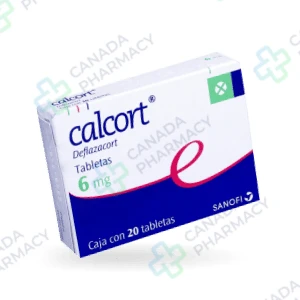
Calcort
Price range: $ 54,00 through $ 430,00
Active substance: Deflazacort
More Details
This product has multiple variants. The options may be chosen on the product page
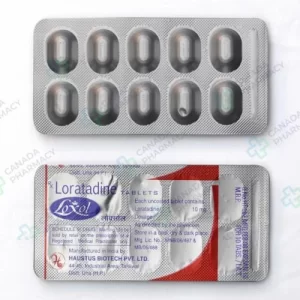
Claritin
Price range: $ 43,00 through $ 143,00
Active substance: Loratadine
More Details
This product has multiple variants. The options may be chosen on the product page
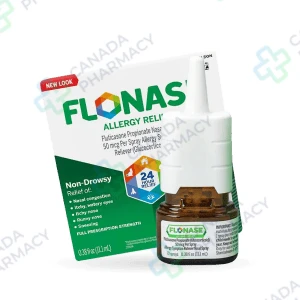
Flonase Nasal Spray
Price range: $ 47,00 through $ 304,00
Active substance: fluticasone
More Details
This product has multiple variants. The options may be chosen on the product page
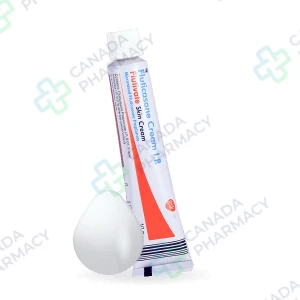
Flutivate Skin Cream
Price range: $ 24,00 through $ 91,00
Active substance: fluticasone
More Details
This product has multiple variants. The options may be chosen on the product page
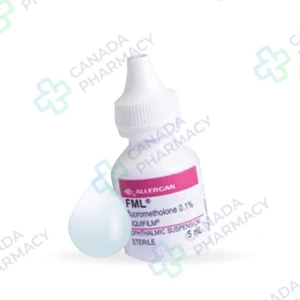
FML Forte
Price range: $ 43,00 through $ 166,00
Active substance: Fluorometholone
More Details
This product has multiple variants. The options may be chosen on the product page

Ketasma
Price range: $ 10,00 through $ 23,00
Active substance: Ketotifen Fumarate
More Details
This product has multiple variants. The options may be chosen on the product page

Periactin
Price range: $ 40,00 through $ 160,00
Active substance: Cyproheptadine
More Details
This product has multiple variants. The options may be chosen on the product page

Prednisolone
Price range: $ 40,00 through $ 210,00
Active substance: prednisolone
More Details
This product has multiple variants. The options may be chosen on the product page