

-23%
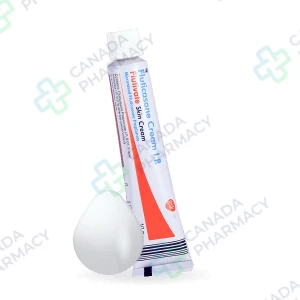
Flutivate Skin Cream
Price range: $ 24,00 through $ 91,00

Folic Acid
Price range: $ 6,00 through $ 18,00
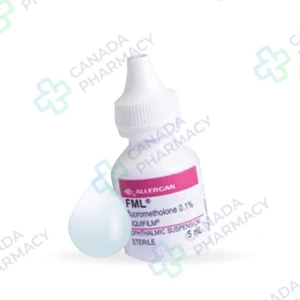
FML Forte
Price range: $ 43,00 through $ 166,00
FML Forte is a potent corticosteroid ophthalmic suspension specifically formulated to alleviate various inflammatory eye conditions. This medication effectively reduces swelling, redness, and irritation by inhibiting the body’s natural inflammatory response within the ocular tissues. It is primarily used for treating corticosteroid-responsive inflammation of the palpebral and bulbar conjunctiva, cornea, and the anterior segment of the eye. Patients often experience significant relief from symptoms associated with non-infectious allergic reactions or post-surgical ocular recovery. The suspension is designed for targeted topical application, ensuring that the active ingredient, fluorometholone, provides concentrated relief exactly where it is needed.
Active substance: Fluorometholone
Delivery: 5–21 days (depending on the shipping method)
Extra 10% discount with coupon: IT4K6SVM
Each dosage option has its own packaging choices.
Description
FML Forte – What You Need to Know
FML Forte belongs to a group of medicines called topical ophthalmic corticosteroids. It is prescribed for the treatment of corticosteroid-responsive inflammatory conditions of the palpebral and bulbar conjunctiva, cornea, and anterior segment of the eye.
Dispensed strictly in accordance with federal prescription regulations, this medication requires professional ophthalmic evaluation prior to initiation. Proper usage necessitates strict adherence to prescribed dosing schedules and regular intraocular pressure monitoring.
| Parameter | Details |
|---|---|
| Active ingredient | Fluorometholone (0.25%) |
| Therapeutic class | Ophthalmic corticosteroid |
| Dosage form | Ophthalmic suspension |
| Route of administration | Ophthalmic (topical instillation) |
| Prescription status | Prescription (Rx only) |
| Primary purpose | Reduction of ocular inflammation |
Main uses
FML Forte (fluorometholone ophthalmic suspension 0.25%) is indicated for the treatment of corticosteroid-responsive inflammation of the palpebral and bulbar conjunctiva, cornea, and anterior segment of the globe. These non-infectious inflammatory disorders can result from mechanical trauma, chemical irritants, thermal burns, or allergic processes. The higher concentration of 0.25% fluorometholone provides enhanced topical anti-inflammatory activity compared to standard 0.1% formulations. It helps reduce localized edema, cellular infiltration, capillary dilation, and tissue soreness. Before initiating therapy, prescribers must rule out underlying viral, fungal, or mycobacterial ocular infections.
How the drug works
The mechanism of action of fluorometholone involves the suppression of vascular endothelial cell inflammation and cellular exudation. Corticosteroids act by inducing phospholipase A2 inhibitory proteins, collectively known as lipocortins. These proteins control the biosynthesis of potent inflammatory mediators, such as prostaglandins and leukotrienes, by inhibiting the release of precursor arachidonic acid from membrane phospholipids. Consequently, FML Forte decreases capillary dilation, leukocyte migration, phagocytosis, and collagen deposition. By stabilizing cellular membranes in ocular tissues, the drug mitigates acute hyperemic and inflammatory cascades within the anterior segment of the eye.
Dosing schedule
The dosage of FML Forte must be determined individually by an eye care specialist based on the severity of inflammation and patient response. The standard administration involves instilling one drop into the conjunctival sac of the affected eye(s) two to four times daily. During the initial 24 to 48 hours of treatment, the dosing frequency may be increased up to one drop every hour if acute inflammatory control is required. The suspension container must be shaken thoroughly before each instillation to ensure uniform dispersion of the active drug particles. Care must be taken not to touch the dropper tip to the eye, eyelids, or surrounding surfaces to prevent microbial contamination of the suspension.
How it’s absorbed and eliminated
Topically administered fluorometholone penetrates the cornea rapidly, achieving therapeutic concentrations in the aqueous humor and anterior ocular tissues. Corticosteroids are absorbed into the aqueous humor, cornea, iris, ciliary body, and systemic circulation. Systemic absorption occurs primarily via nasolacrimal drainage into the nasal mucosa and gastrointestinal tract, though circulating plasma levels remain extremely low under normal dosage regimens. Systemically absorbed fluorometholone undergoes hepatic metabolism into inactive metabolites, which are subsequently eliminated through renal and biliary routes. The chemical structure of fluorometholone exhibits a lower propensity for causing intraocular pressure spikes compared to equivalent doses of dexamethasone.
Compatibility with other medicines
Concomitant use of FML Forte with other topical ophthalmic medications requires careful timing to avoid therapeutic interference. If multiple eye drops are prescribed, applications should be separated by an interval of at least five to ten minutes to prevent wash-out of active ingredients. Simultaneous application with topical nonsteroidal anti-inflammatory drugs (NSAIDs) may increase the risk of delayed corneal healing. Although systemic drug interactions are limited due to minimal systemic exposure, co-administration with strong systemic CYP3A4 inhibitors (such as ritonavir or ketoconazole) may theoretically increase systemic corticosteroid accumulation. Patients should disclose all current ocular and systemic medications to their prescriber.
Adverse reactions
Adverse reactions associated with FML Forte primarily affect local ocular structures. The most critical potential reaction is an elevation of intraocular pressure (IOP), which can potentially lead to ocular hypertension, optic nerve damage, and visual field defects if unmanaged. Commonly reported transient effects include temporary ocular burning, stinging upon instillation, transient blurred vision, and foreign body sensation. Prolonged administration may contribute to posterior subcapsular cataract formation, delayed wound healing, or secondary ocular infections stemming from localized immune suppression. In rare instances involving corneal or scleral thinning, perforation of the globe has been reported.
Important precautions
FML Forte is contraindicated in acute untreated purulent ocular infections, most viral diseases of the cornea and conjunctiva (including epithelial herpes simplex keratitis, vaccinia, and varicella), and mycobacterial or fungal infections of the eye. Therapy extending beyond 10 days mandates regular intraocular pressure monitoring by an eye care clinician. Extended use may suppress the host response, increasing the risk of secondary cutaneous or ocular fungal infections. Patients who wear soft contact lenses should remove them prior to instillation of the suspension and wait at least 15 minutes before reinserting, as the preservative benzalkonium chloride may be absorbed by soft lens materials.
Red flags
Immediate medical attention is necessary if patients experience severe ocular changes during treatment with FML Forte. Red flags requiring urgent ophthalmic evaluation include:
- Sudden changes in visual acuity, severe blurred vision, or visual field loss.
- Severe, persistent, or worsening eye pain and intense ocular redness.
- Development of purulent eye discharge, crusting, or marked eyelid swelling indicative of secondary infection.
- Hypersensitivity reactions, such as acute periocular skin rash, facial swelling, or dyspnea.
If you skip a dose
If a dose of FML Forte is missed, it should be administered as soon as remembered, provided the time is not close to the next scheduled dose. If the next scheduled dose is imminent, the missed application should be skipped, and the regular administration schedule resumed. Patients must not double the number of drops or apply extra doses to compensate for a missed application. Consistent adherence to the prescribed dosing schedule helps maintain stable intraocular therapeutic concentrations necessary for controlling ocular inflammation.
Special populations
The safety and efficacy of FML Forte in pediatric patients below two years of age have not been established. Pediatric patients undergoing topical steroid therapy require close clinical surveillance due to a heightened susceptibility to steroid-induced intraocular pressure elevations. Clinical trials have not demonstrated overall differences in safety or effectiveness between elderly and younger adult patients. Fluorometholone should be used during pregnancy only if the potential maternal benefit outweighs the potential risk to the fetus. It is unknown whether topical ophthalmic administration results in sufficient systemic absorption to yield detectable quantities in human breast milk; caution should be exercised when administered to nursing mothers.
Storage and expiration
FML Forte suspension should be stored at controlled room temperature between 20°C and 25°C (68°F to 77°F), with excursions permitted between 15°C and 30°C (59°F to 86°F). Protect the container from freezing, direct sunlight, and excessive heat. The bottle should be stored upright and kept tightly closed when not in use. Any product remaining past the expiration date printed on the bottle and outer packaging must be safely discarded. Patients should discard the bottle according to healthcare professional instructions once the specified treatment duration is completed.
Common questions
How long can FML Forte drops be safely used?
The duration of treatment with FML Forte depends on the specific inflammatory condition and the patient’s therapeutic response. Standard therapy typically ranges from a few days to two weeks. If treatment continues beyond 10 days, intraocular pressure monitoring by an eye care specialist is required to prevent undetected ocular hypertension.
Can contact lenses be worn during treatment with FML Forte?
Contact lenses should generally be avoided during active ocular inflammation. Furthermore, FML Forte contains benzalkonium chloride, a preservative that can be absorbed by soft contact lenses. Lenses must be removed prior to drop instillation and should not be reinserted for at least 15 minutes after application.
Is temporary blurred vision expected after applying FML Forte?
Transient blurred vision or mild stinging immediately following instillation is a known local reaction. Patients should refrain from driving, operating machinery, or performing activities requiring clear vision until visual acuity has completely returned to normal.
What should be done if an eye infection develops while using this suspension?
Topical corticosteroids can suppress the local immune response and mask signs of infection. If new symptoms such as purulent discharge, increased pain, or marked redness appear, application should be stopped and an eye care provider consulted immediately for diagnostic re-evaluation.
Why must the bottle of FML Forte be shaken prior to application?
FML Forte is formulated as a microfine suspension. Shaking the bottle thoroughly before every instillation ensures that the active drug particles are evenly distributed throughout the liquid, delivering the correct concentration of fluorometholone in each drop.
This text is for informational purposes only and does not constitute individual medical advice. In accordance with FDA requirements.
Additional information
| Dosage |
5ml |
|---|---|
| Package |
2 flacons ,3 flacons ,4 flacons ,5 flacons ,6 flacons ,7 flacons ,8 flacons ,9 flacons ,10 flacons |
| Ενεργός Ουσία |
Related products
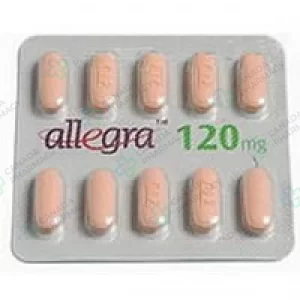
Allegra
Price range: $ 47,00 through $ 118,00
Active substance: Fexofenadine
More Details
This product has multiple variants. The options may be chosen on the product page
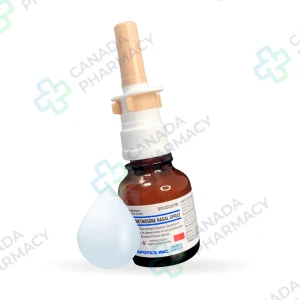
Beclamethasone
Price range: $ 60,00 through $ 205,00
Active substance: Beclomethasone Dipropionate
More Details
This product has multiple variants. The options may be chosen on the product page
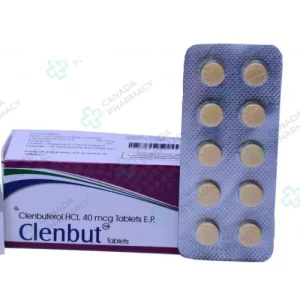
Clenbuterol
Price range: $ 40,00 through $ 450,00
Active substance: Clenbuterol
More Details
This product has multiple variants. The options may be chosen on the product page
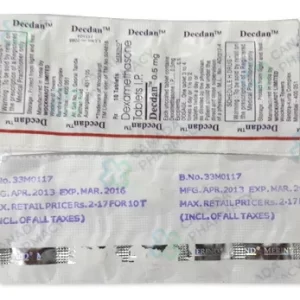
Decadron
Price range: $ 12,00 through $ 182,00
Active substance: Dexamethasone
More Details
This product has multiple variants. The options may be chosen on the product page
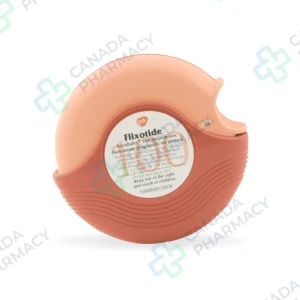
Flixotide Nasal Spray 100 doses
Price range: $ 54,00 through $ 220,00
Active substance: fluticasone
More Details
This product has multiple variants. The options may be chosen on the product page
Montair
Price range: $ 19,00 through $ 45,00
Active substance: Montelukast
More Details
This product has multiple variants. The options may be chosen on the product page
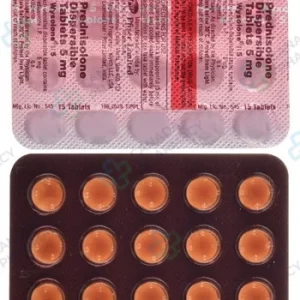
Prednisolone
Price range: $ 40,00 through $ 210,00
Active substance: prednisolone
More Details
This product has multiple variants. The options may be chosen on the product page
Promethazine
Price range: $ 43,00 through $ 228,00
Active substance: Promethazine
More Details
This product has multiple variants. The options may be chosen on the product page