

-19%
Flibanserin
Price range: $ 48,00 through $ 264,00
Flomax
Price range: $ 55,00 through $ 335,00
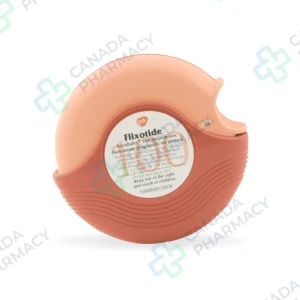
Flixotide Nasal Spray 100 doses
Price range: $ 54,00 through $ 220,00
Flixotide Nasal Spray is a potent corticosteroid medication specifically designed to manage and prevent a wide range of nasal symptoms. This formula provides reliable relief from seasonal allergic rhinitis, commonly known as hay fever, by significantly reducing inflammation in the nasal passages. It is also highly effective for treating perennial allergies caused by indoor triggers such as pet dander, dust mites, and mold. Regular use helps alleviate persistent sneezing, an itchy or runny nose, and uncomfortable sinus congestion. Each bottle delivers 100 metered doses, providing long-lasting support for clear breathing and enhanced daily comfort.
Active substance: fluticasone
Delivery: 5–21 days (depending on the shipping method)
Extra 10% discount with coupon: IT4K6SVM
Each dosage option has its own packaging choices.
Description
Flixotide Nasal Spray belongs to a class of medications known as synthetic topical corticosteroids. It is formulated to deliver fluticasone propionate directly into the nasal passages to alleviate mucosal inflammation. In the United States, this formulation is dispensed in accordance with applicable federal and state regulations.
Regular administration provides target-specific anti-inflammatory action within the nasal mucosa. Clinical response relies on continuous daily application rather than immediate symptom onset.
| Attribute | Specification |
|---|---|
| Active Ingredient (INN) | Fluticasone propionate |
| Dosage Form | Metered nasal spray suspension |
| Route of Administration | Intranasal |
| Primary Purpose | Management of nasal mucosal inflammation |
| Prescription Status | Dispensed according to applicable federal and state regulations |
| Storage Requirements | Store between 59°F and 86°F (15°C to 30°C) |
Essential Clinical Overview
How the drug works
The active component, fluticasone propionate, exhibits potent anti-inflammatory properties via glucocorticoid receptor binding. It functions by inhibiting multiple inflammatory cell types, including mast cells, eosinophils, neutrophils, macrophages, and lymphocytes. Additionally, it attenuates the production and release of inflammatory mediators such as histamine, eicosanoids, leukotrienes, and cytokines. By controlling these inflammatory cascades at the cellular level within the nasal mucosa, the drug decreases local vascular permeability, reduces mucosal edema, and suppresses hypersecretion of nasal mucus. Unlike systemic oral steroids, intranasal administration focuses the therapeutic effect directly on target tissues, thereby minimizing systemic exposure.
Main uses
Flixotide Nasal Spray is indicated for the management and prophylaxis of symptoms associated with seasonal allergic rhinitis and perennial allergic rhinitis. Common symptoms managed by this agent include nasal congestion, sneezing, rhinorrhea (runny nose), and nasal pruritus (itching). It is also utilized in clinical practice for the symptomatic relief of non-allergic perennial rhinitis and management of nasal polyps under clinical oversight. Regular daily use is recommended for achieving optimal therapeutic outcomes in chronic inflammatory conditions of the nasal airway, rather than relying on it as an immediate rescue therapy for sudden acute breakthrough symptoms.
Dosing schedule
Dosage recommendations are established based on clinical indication and individual patient response. For adults and adolescents, the standard initial dosing protocol involves two sprays into each nostril once daily, preferably in the morning. Alternatively, a divided regimen of one spray in each nostril twice daily may be administered. Once symptom control is established, the dose should be titrated down to the minimum effective dose, typically one spray per nostril once daily. Patients should shake the bottle gently prior to each administration and prime the pump before initial use or after extended periods of inactivity. Administration technique requires clearing the nasal passages, titrating nozzle angle slightly outward from the nasal septum, and gently inhaling through the nose.
What happens in the body
Following intranasal administration of fluticasone propionate, systemic bioavailability is low, typically measuring less than 1% to 2% of the total dose delivered. The primary systemic absorption occurs via the swallowed portion through the gastrointestinal tract, where the drug undergoes extensive first-pass metabolism in the liver. Fluticasone propionate is extensively bound to human plasma proteins (approximately 91%). Hepatic metabolism is mediated primarily by the cytochrome P450 enzyme CYP3A4, converting the compound into an inactive 17beta-carboxylic acid derivative. The terminal elimination half-life of intravenous fluticasone propionate is approximately 7.8 hours. Excretion occurs predominantly via feces as parent drug and metabolites, with minimal renal clearance (less than 5%).
Safety Profile and Clinical Considerations
Compatibility with other medicines
Co-administration of fluticasone propionate with strong cytochrome P450 3A4 (CYP3A4) inhibitors requires strict caution. Medications such as ritonavir, ketoconazole, itraconazole, clarithromycin, and cobicistat can significantly increase systemic plasma concentrations of fluticasone propionate by inhibiting its metabolic degradation. High systemic levels may result in systemic corticosteroid side effects, including Cushing syndrome and adrenal suppression. Combined use with other systemic or inhaled corticosteroids may increase the cumulative risk of hypothalamic-pituitary-adrenal (HPA) axis suppression. Patients should inform healthcare providers regarding all concurrent prescription drugs, over-the-counter agents, and dietary supplements.
What side effects may occur
Adverse reactions associated with intranasal fluticasone propionate are primarily localized to the upper respiratory tract. Frequently reported mild side effects include epistaxis (nosebleeds), nasal dryness, burning or stinging sensations in the nasal mucosa, headache, and pharyngitis. Alterations in taste (dysgeusia) or smell (anosmia) may occasionally occur. Less common but severe adverse events include nasal septal perforation, localized Candida albicans fungal infection of the nose or pharynx, glaucoma, cataracts, and hypersensitivity reactions such as bronchospasm, facial edema, or rash. Immediate clinical evaluation is required if signs of severe hypersensitivity or localized mucosal ulceration emerge.
Important precautions
Careful monitoring is recommended when switching patients from systemic corticosteroid therapy to intranasal fluticasone propionate due to potential HPA axis insufficiency. Long-term administration requires periodic evaluation of the nasal mucosa for signs of ulceration or fungal colonization. Rare reports of increased intraocular pressure, glaucoma, and cataracts warrant baseline visual checks in patients with visual changes or a history of ocular disorders. In pediatric patients, prolonged use of topical corticosteroids may cause a reduction in growth velocity; monitoring pediatric height growth during treatment is recommended. Patients with active or quiescent tuberculosis, untreated fungal or bacterial systemic infections, or ocular herpes simplex should use this drug with heightened clinical caution.
If you skip a dose
If a scheduled dose is missed, it should be administered as soon as remembered on that day. However, if it is nearly time for the next scheduled dose, the missed spray should be omitted entirely, and the normal dosing schedule resumed. Patients should not double the number of sprays or apply extra doses to make up for a missed application. Consistent daily administration yields maximum clinical efficacy.
Storage and expiration
Flixotide Nasal Spray must be stored in an upright position at controlled room temperature, ideally between 59°F and 86°F (15°C to 30°C). Protect the container from direct sunlight, excessive heat, and freezing temperatures. Keep the protective cap over the spray nozzle when not in use to prevent clogging. Discard the unit after the total number of labeled actuations (100 doses) has been met or past the printed expiration date, even if liquid remains inside the bottle.
Special populations
In pregnant women, fluticasone propionate should be used only if the potential benefit justifies the potential risk to the fetus, as adequate clinical studies in pregnant populations are limited. It is unknown whether intranasal fluticasone propionate is excreted in human breast milk; cautious monitoring is advised during lactation. For elderly patients, clinical trial data show overall safety profiles comparable to younger adult populations, though individual sensitivity should be considered. Pediatric administration should follow precise age-appropriate dosing under pediatric supervision to avoid potential growth velocity effects.
Day-to-day use
Proper administration technique optimizes drug deposition within the nasal cavity and reduces mucosal irritation. Patients are advised to gently blow their nose prior to dosing to clear excess mucus. Insert the applicator tip into the nostril, pointing slightly outward away from the nasal septum (toward the outer corner of the eye on the corresponding side) to prevent septum damage. Depress the pump fully while inhaling gently through the nose, then exhale through the mouth. Clean the spray applicator gently with warm water once a week, allowing it to dry thoroughly before reassembling.
Common questions
How long does it take for Flixotide Nasal Spray to show full clinical effect?
Initial symptomatic relief may occur within 12 hours of administration; however, optimal anti-inflammatory benefit typically requires several days of continuous daily use. Peak therapeutic effect is usually observed after 3 to 4 days of consistent dosing.
Can this nasal spray cause rebound congestion like decongestant sprays?
No. Flixotide Nasal Spray contains a corticosteroid, not a sympathomimetic decongestant. It does not cause rhinitis medicamentosa (rebound congestion), which is associated with prolonged use of over-the-counter vasoconstrictor nasal sprays such as oxymetazoline.
What should be done if nosebleeds occur during treatment?
Minor nosebleeds (epistaxis) can occur due to local mucosal dryness. Patients should review their spray technique to ensure the nozzle is pointed away from the central nasal septum. If epistaxis persists or becomes severe, treatment should be paused and evaluated by a healthcare professional.
Is co-administration with oral antihistamines permissible?
Yes, clinical guidelines frequently permit concurrent use of intranasal corticosteroids and oral non-sedating antihistamines when monotherapy provides incomplete control of allergic rhinitis symptoms. Consultation with a provider is advised to coordinate therapy.
Does intranasal fluticasone propionate affect driving ability?
Fluticasone propionate intranasal administration is not associated with sedation or central nervous system depression. It does not impair motor skills or cognitive functions required for operating machinery or driving vehicles.
This text is for informational purposes only and does not constitute individual medical advice.
In accordance with FDA requirements.
Additional information
| Dosage |
50mcg |
|---|---|
| Package |
2 sprayer ,3 sprayer ,4 sprayer ,5 sprayer ,6 sprayer ,7 sprayer ,8 sprayer ,9 sprayer ,10 sprayer |
| Ενεργός Ουσία |
Related products
Alavert
Price range: $ 47,00 through $ 118,00
Active substance: Loratadine
More Details
This product has multiple variants. The options may be chosen on the product page
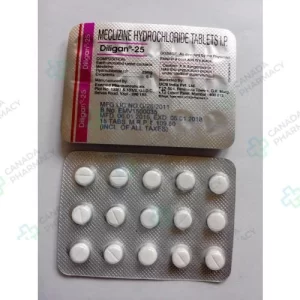
Antivert
Price range: $ 45,00 through $ 121,00
Active substance: Meclizine
More Details
This product has multiple variants. The options may be chosen on the product page
Entocort
Price range: $ 61,00 through $ 628,00
Active substance: Budesonide
More Details
This product has multiple variants. The options may be chosen on the product page
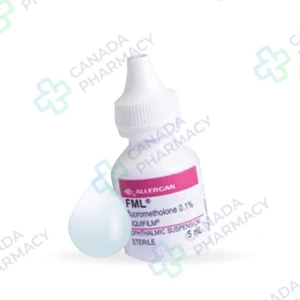
FML Forte
Price range: $ 43,00 through $ 166,00
Active substance: Fluorometholone
More Details
This product has multiple variants. The options may be chosen on the product page
Ketotifen
Price range: $ 67,00 through $ 309,00
Active substance: Ketotifen
More Details
This product has multiple variants. The options may be chosen on the product page
Montair
Price range: $ 19,00 through $ 45,00
Active substance: Montelukast
More Details
This product has multiple variants. The options may be chosen on the product page
Omnacortil
Price range: $ 51,00 through $ 210,00
Active substance: prednisolone
More Details
This product has multiple variants. The options may be chosen on the product page
Pred Forte
Price range: $ 42,00 through $ 72,00
Active substance: prednisolone
More Details
This product has multiple variants. The options may be chosen on the product page