

-25%
Flexeril
Price range: $ 57,00 through $ 648,00
Flixotide Nasal Spray 100 doses
Price range: $ 54,00 through $ 220,00
Flibanserin
Price range: $ 48,00 through $ 264,00
Flibanserin is an FDA-approved medication specifically designed to treat Hypoactive Sexual Desire Disorder (HSDD) in premenopausal women. It is the first non-hormonal treatment developed to address persistent low sexual desire that causes personal distress or interpersonal difficulty. Unlike other options, this medication works by balancing key neurotransmitters in the brain, such as dopamine and serotonin, to help regulate sexual interest. Consistent daily use can lead to a significant increase in the number of satisfying sexual events for those struggling with diminished drive. By targeting the underlying neurobiology of desire, Flibanserin offers a reliable path toward improving sexual well-being and overall quality of life.
Active substance: Flibanserin
Delivery: 5–21 days (depending on the shipping method)
Extra 10% discount with coupon: IT4K6SVM
Each dosage option has its own packaging choices.
Description
Flibanserin should only be used under medical supervision following a comprehensive clinical evaluation. It is an FDA-approved prescription medication indicated for the treatment of generalized hypoactive sexual desire disorder (HSDD) in premenopausal women. On one hand, flibanserin provides a non-hormonal pharmacologic approach for women experiencing significant distress from reduced sexual interest; on the other hand, its therapeutic application requires strict adherence to safety guidelines regarding bedtime dosing and severe potential drug interactions.
This medical overview outlines essential clinical considerations, including mechanism of action, dosing protocols, potential adverse reactions, pharmacokinetics, and crucial safety precautions associated with flibanserin therapy in the United States.
| Parameter | Clinical Details |
|---|---|
| Drug name | Flibanserin |
| Active ingredient | Flibanserin |
| Primary purpose | Treatment of acquired, generalized hypoactive sexual desire disorder (HSDD) in premenopausal women |
| Prescription status | Prescription only (Rx) |
| Dosage form | Oral tablet (100 mg) |
| Route of administration | Oral |
| Storage | Room temperature (68°F to 77°F / 20°C to 25°C) |
What it’s used for
Flibanserin is specifically indicated for premenopausal women with acquired, generalized hypoactive sexual desire disorder (HSDD), which is defined as persistently or recurrently low sexual desire that causes marked distress or interpersonal difficulty. The condition must be “acquired” (meaning it developed in a patient who previously had no problems with sexual desire) and “generalized” (meaning it occurs regardless of the type of sexual activity, situation, or partner). On one hand, HSDD represents a distinct clinical condition requiring medical assessment; on the other hand, flibanserin is not indicated for low sexual desire caused by a co-existing psychiatric or medical condition, severe relationship problems, or the side effects of other medications.
It is important to emphasize that flibanserin is not approved for postmenopausal women or for men, and any use outside the premenopausal HSDD indication is considered off-label. Additionally, flibanserin is not designed to enhance sexual performance or physical stamina.
How the drug works
Unlike hormonal therapies that alter circulating levels of estrogen or testosterone, flibanserin functions as a central nervous system agent that acts directly on neuroreceptor pathways in the brain. Specifically, flibanserin exhibits high affinity for serotonin receptors, functioning as a full agonist at 5-HT1A receptors and an antagonist at 5-HT2A receptors. It also acts as a moderate antagonist at dopamine D4 receptors.
By selectively binding to these central receptors, flibanserin is thought to rebalance neurochemical activity in regions of the brain involved in sexual motivation and response. On one hand, reducing serotonergic inhibition (via 5-HT2A antagonism) and stimulating 5-HT1A receptors promotes the downstream release of dopamine and norepinephrine, neurotransmitters that facilitate sexual excitement; on the other hand, while the exact neurobiological cascade translating receptor activity into clinical desire remains partially understood, this modulation helps restore baseline central sexual interest processing.
Dosing schedule
The standard dosage of flibanserin is 100 mg taken orally once daily. Crucially, the medication must be administered exclusively at bedtime. Dosing at bedtime is mandatory because waking-hour administration markedly increases the risk of severe central nervous system (CNS) depression, daytime somnolence, low blood pressure, and accidental syncope (fainting).
If a patient experiences no clinical improvement in low sexual desire and associated personal distress after 8 weeks of continuous daily treatment, the medication should be discontinued in consultation with the prescribing clinician. Clinical trial data indicate that delayed responses beyond 8 weeks are unlikely. Tablets should be swallowed whole with water, and dosing adjustments must never be made without explicit medical direction.
First days of treatment
When starting flibanserin, patients should understand that the medication does not exert an immediate or on-demand effect. Unlike acute symptomatic treatments, flibanserin requires continuous daily administration over several weeks to demonstrate therapeutic efficacy. During the initial days of therapy, patients may experience mild drowsiness, fatigue, or slight morning grogginess as the central nervous system adjusts to the receptor-level activity. Patients are advised to establish a consistent bedtime routine, monitor their baseline response, and immediately report any severe lightheadedness or unsteadiness upon waking to their doctor.
How it’s absorbed and eliminated
Following oral administration, flibanserin is rapidly absorbed from the gastrointestinal tract, achieving peak plasma concentration (Cmax) within approximately 45 minutes to 1 hour under fasting conditions. Administration with food slightly delays the rate of absorption and increases total drug exposure (AUC) by approximately 1.4-fold. Flibanserin is extensively bound to human plasma proteins (approximately 98%), primarily to human serum albumin.
Metabolism of flibanserin occurs predominantly in the liver, driven primarily by the cytochrome P450 enzyme CYP3A4, with minor contributions from CYP2C19. The mean terminal elimination half-life of flibanserin is approximately 11 hours. Flibanserin metabolites are excreted through both renal (approximately 44%) and fecal (approximately 51%) routes, with minimal unchanged drug excreted in urine or feces.
Evaluating the effect
Assessment of flibanserin’s effectiveness relies on evaluating changes in personal distress levels and subjective sexual desire over time. Healthcare providers typically schedule a clinical review after 4 to 8 weeks of daily use. On one hand, patients who respond to therapy may notice a gradual reduction in distress related to intimacy and a modest increase in satisfying sexual events; on the other hand, if no meaningful benefit is observed by week 8, treatment discontinuation is recommended to minimize unnecessary medication exposure.
Adverse reactions
Flibanserin presents a distinct adverse event profile that requires ongoing monitoring. The most frequently reported adverse reactions in clinical trials include dizziness, somnolence (extreme sleepiness), nausea, fatigue, insomnia, and dry mouth. Less frequent side effects include abdominal discomfort, anxiety, or rash.
The most serious risks associated with flibanserin are severe hypotension (dangerously low blood pressure) and syncope (fainting). These events can occur even without concurrent alcohol use, but the risk is substantially multiplied when flibanserin is combined with alcohol, central nervous system depressants, or medications that inhibit CYP3A4 metabolism. Patients who experience sudden lightheadedness, confusion, or loss of consciousness require immediate medical evaluation.
What to avoid while taking it
Alcohol interaction is a critical clinical consideration during flibanserin therapy. Consuming alcohol close to the time of flibanserin administration significantly increases the likelihood of severe hypotension and fainting. Patients should follow specific safety intervals: if 1 or 2 standard alcoholic drinks are consumed in the evening, the patient must wait at least 2 hours before taking flibanserin at bedtime. If 3 or more standard drinks are consumed, the bedtime flibanserin dose should be skipped entirely.
Additionally, patients must avoid consuming grapefruit juice or eating grapefruit while on flibanserin. Grapefruit products inhibit CYP3A4 enzymes in the gut and liver, leading to elevated concentrations of flibanserin in the bloodstream and increasing the likelihood of adverse events.
What not to combine
Flibanserin has extensive drug interaction potential due to its reliance on hepatic CYP3A4 enzymes for metabolism. Co-administration with strong or moderate CYP3A4 inhibitors is contraindicated or requires specific clinical precautions because these drugs significantly increase flibanserin concentrations, escalating the risk of severe hypotension and syncope. Examples of medications that interact with flibanserin include:
- Strong or moderate CYP3A4 inhibitors: Ketoconazole, itraconazole, fluconazole, clarithromycin, erythromycin, diltiazem, and verapamil.
- Strong CYP3A4 inducers: Rifampin, carbamazepine, phenobarbital, and St. John’s wort (which lower flibanserin concentration and reduce efficacy).
- Central nervous system depressants: Sedatives, hypnotics, opioids, or sedating antihistamines, which enhance daytime drowsiness and CNS depression risks.
- Combined hormonal contraceptives: Weak CYP3A4 inhibitors that may slightly increase flibanserin exposure.
If you skip a dose
If a dose of flibanserin is missed at bedtime, the patient should simply skip that dose and resume their regular schedule the next day at bedtime. Under no circumstances should a patient take a double dose to make up for a skipped tablet. Taking a missed dose in the morning or during waking hours must be strictly avoided, as daytime administration markedly increases the risk of severe daytime drowsiness, low blood pressure, and loss of consciousness during daily activities.
Important precautions
Specific patient populations require careful evaluation prior to initiating flibanserin. Flibanserin is contraindicated in patients with hepatic impairment of any severity, as reduced liver function leads to significantly increased drug exposure and heightened toxicity risks. In clinical studies, flibanserin clearance was markedly reduced in individuals with compromised hepatic function.
Regarding reproductive safety, human data are insufficient to confirm whether flibanserin causes birth defects or pregnancy loss; therefore, use during pregnancy is generally not recommended. Because flibanserin and its metabolites pass into animal milk and are expected to be present in human milk, nursing infants may be at risk for serious sedation; breastfeeding is not advised during flibanserin treatment. Patients operating complex machinery or driving in California, Texas, or elsewhere should exercise caution until they determine how flibanserin impacts their alertness upon waking.
Common questions
Q: Why must flibanserin be taken specifically at bedtime?
A: Flibanserin causes sedation and decreases blood pressure. Taking the medication at bedtime minimizes the risk of daytime drowsiness, lightheadedness, and fainting during waking hours when performing routine activities.
Q: Is flibanserin a hormonal medication like estrogen or testosterone?
A: No, flibanserin is completely non-hormonal. It acts directly on neurotransmitter receptors in the central nervous system (specifically serotonin and dopamine receptors) rather than adjusting systemic hormone levels.
Q: What should happen if alcohol was consumed during the evening?
A: If 1 or 2 standard drinks were consumed, wait at least 2 hours before taking flibanserin at bedtime. If 3 or more drinks were consumed, skip the bedtime flibanserin dose entirely to avoid severe low blood pressure and fainting.
Q: How long does it usually take to observe a therapeutic response?
A: Clinical effects develop gradually. Patients and doctors typically assess treatment benefit after 4 to 8 weeks of continuous daily bedtime use. If no improvement occurs by 8 weeks, the drug should be stopped.
Q: Can flibanserin be stopped abruptly without tapering?
A: While flibanserin does not typically require tapering, patients should always consult their prescribing doctor before stopping treatment to ensure appropriate medical follow-up and evaluation.
In accordance with FDA requirements.
This text is for informational purposes only and does not constitute individual medical advice.
Additional information
| Dosage |
100mg |
|---|---|
| Package |
12 pills ,24 pills ,36 pills ,60 pills ,88 pills |
| Ενεργός Ουσία |
Related products
Aygestin
Price range: $ 58,00 through $ 290,00
Active substance: Norethindrone
More Details
This product has multiple variants. The options may be chosen on the product page
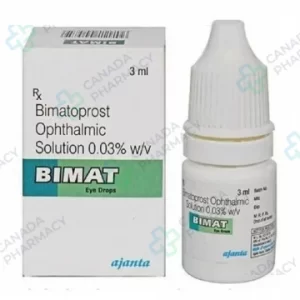
Bimat
Price range: $ 60,00 through $ 330,00
Active substance: Bimatoprost
More Details
This product has multiple variants. The options may be chosen on the product page
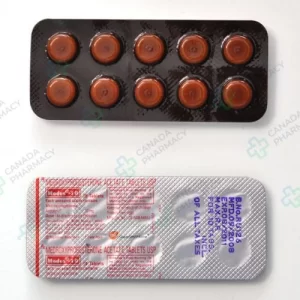
Cycrin
Price range: $ 52,00 through $ 347,00
Active substance: Medroxyprogesterone
More Details
This product has multiple variants. The options may be chosen on the product page
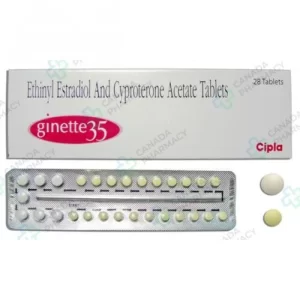
Diane 35
Price range: $ 16,00 through $ 46,00
Active substance: Cyproterone Acetate, Ethyl Estradiol
More Details
This product has multiple variants. The options may be chosen on the product page
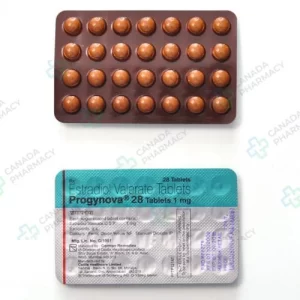
Estrace
Price range: $ 53,00 through $ 384,00
Active substance: Estradiol
More Details
This product has multiple variants. The options may be chosen on the product page
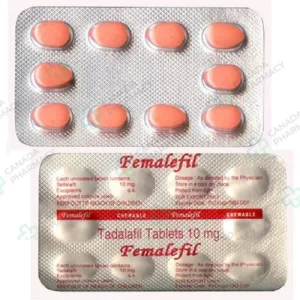
Female Cialis Soft
Price range: $ 40,00 through $ 288,00
Active substance: Tadalafil
More Details
This product has multiple variants. The options may be chosen on the product page
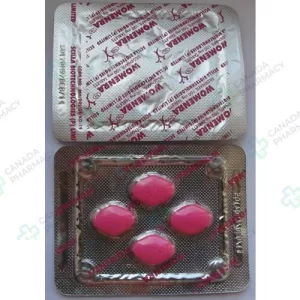
Female Viagra
Price range: $ 41,00 through $ 305,00
Active substance: Sildenafil
More Details
This product has multiple variants. The options may be chosen on the product page
Ferrous
Price range: $ 60,00 through $ 487,00
Active substance: Ferrous sulfate
More Details
This product has multiple variants. The options may be chosen on the product page