

-40%
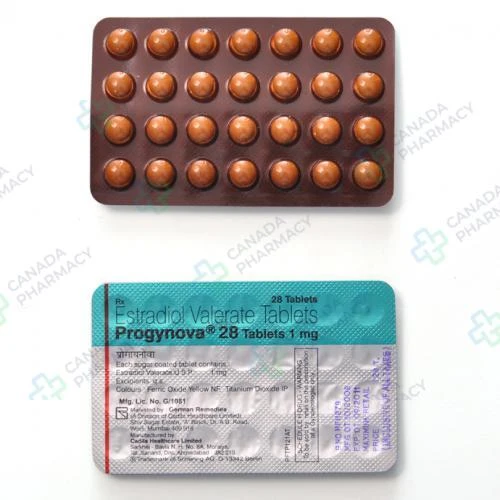
Esbriet
Price range: $ 100,00 through $ 328,00
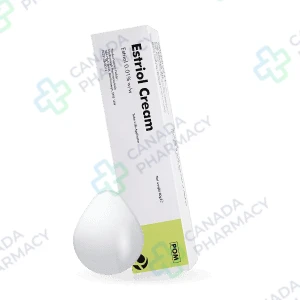
Estriol
Price range: $ 64,00 through $ 137,00
Estrace
Price range: $ 53,00 through $ 384,00
Estrace is an effective hormone replacement therapy designed to supplement or replace estrogen levels in women experiencing menopause. This medication helps alleviate common symptoms such as moderate to severe hot flashes and night sweats. It also provides targeted relief from vaginal dryness, itching, and burning caused by hormonal changes during the menopausal transition. Beyond symptom management, Estrace is utilized to help prevent osteoporosis and maintain bone density in postmenopausal women. By restoring hormonal balance, this treatment helps improve the overall quality of life and daily comfort for those navigating the various stages of menopause.
Active substance: Estradiol
Delivery: 5–21 days (depending on the shipping method)
Extra 10% discount with coupon: IT4K6SVM
Each dosage option has its own packaging choices.
Description
Estrace – What You Need to Know
Estrace belongs to a class of medications known as estrogens, containing micronized 17beta-estradiol as its active pharmacological substance. It is primarily prescribed for managing moderate to severe vasomotor symptoms and vulvar and vaginal atrophy associated with menopause. As an FDA-approved prescription medication, administration requires explicit clinical assessment and periodic evaluation by a qualified healthcare professional.
Systemic estrogen therapy is dispensed strictly by prescription under federal and state regulations. Clinical decision-making involves weighing therapeutic benefits against documented cardiovascular, oncologic, and metabolic risks. Dosing schedules must be individualized according to patient response, surgical history, and underlying medical conditions.
Basic Information Overview
| Parameter | Details |
|---|---|
| Drug Name | Estrace |
| Active Ingredient | Estradiol (micronized 17beta-estradiol) |
| Therapeutic Class | Estrogens (AHFS Class 68:16) |
| Dosage Form | Oral tablet (0.5 mg, 1 mg, 2 mg) |
| Route of Administration | Oral |
| Primary Purpose | Management of postmenopausal estrogen deficiency symptoms |
| Prescription Status | Prescription only (Rx) |
| Storage | Controlled room temperature (20°C to 25°C / 68°F to 77°F) |
Clinical Profile and Pharmacology
How the drug works
Micronized 17beta-estradiol is chemically identical to endogenous human ovarian estradiol. Endogenous estrogens enter target cells across tissues including the female reproductive tract, breast tissue, pituitary gland, hypothalamus, liver, and bone, binding to specific nuclear estrogen receptors (ER-alpha and ER-beta). Upon binding, the estrogen-receptor complex translocates to the cell nucleus, binding to estrogen response elements on DNA to regulate gene transcription and protein synthesis. Ovarian decline during menopause leads to severe reductions in endogenous estrogen production, producing autonomic instability and tissue thinning. Estrace substitutes for lost ovarian follicular secretion, re-establishing target tissue stimulation and normalizing hypothalamic gonadotropin release.
Main uses
Estrace is indicated primarily for the treatment of moderate to severe vasomotor symptoms–such as hot flashes and night sweats–due to menopause. It is also FDA-approved for managing moderate to severe symptoms of vulvar and vaginal atrophy associated with menopause, hypoestrogenism resulting from hypogonadism, bilateral oophorectomy, or primary ovarian failure, and for the palliative treatment of advanced androgen-dependent carcinoma of the prostate in select male patients. When prescribed for postmenopausal women with an intact uterus, estrogen therapy is co-administered with a progestin to suppress estrogen-induced endometrial proliferation.
How it’s absorbed and eliminated
Micronization reduces estradiol particle size, allowing rapid and complete gastrointestinal absorption. Following oral ingestion, estradiol undergoes extensive first-pass hepatic and intestinal metabolism. It is converted to estrone, estrone sulfate, and estriol, establishing a dynamic circulating reservoir between estradiol and its metabolites. Serum estradiol is predominantly bound to sex hormone-binding globulin (SHBG) (~38%) and albumin (~60%), with only a small fraction remaining free. Hepatic metabolism is mediated primarily by cytochrome P450 enzymes, notably CYP3A4. Excretion occurs predominantly via the kidneys as glucuronide and sulfate conjugates, with a minor percentage eliminated in the feces. The elimination half-life of oral micronized estradiol typically spans 10 to 20 hours.
Dosing schedule
Estrace treatment must be initiated at the lowest effective dose for the shortest duration consistent with individual treatment objectives and clinical safety. For moderate to severe vasomotor symptoms, the recommended starting oral dose is 1 mg to 2 mg daily, adjusted periodically based on symptomatic response. For postmenopausal vulvar and vaginal atrophy, doses are titrated to control local symptoms while maintaining minimal effective systemic exposure. Administration schedules may be continuous or cyclic (e.g., 21 days on treatment followed by 7 days off). In women with an intact uterus, a progestin should be added for at least 12 to 14 consecutive days of each 28-day cycle to mitigate the risk of endometrial hyperplasia.
Administration and Safety Precautions
Compatibility with other medicines
Concomitant administration of Estrace with cytochrome P450 enzyme inducers can accelerate estradiol clearance, leading to reduced therapeutic efficacy or breakthrough bleeding. Notable CYP3A4 inducers include rifampin, carbamazepine, phenobarbital, phenytoin, and Saint John’s Wort. Conversely, potent CYP3A4 inhibitors, such as ketoconazole, itraconazole, erythromycin, and clarithromycin, may impair estradiol clearance, raising plasma hormone levels and increasing the likelihood of adverse events. Estrogen therapy also elevates serum thyroid-binding globulin (TBG) concentrations, which may necessitate increased thyroid replacement therapy (such as levothyroxine) in hypothyroid patients. Alterations in prothrombin time may occur when combined with oral anticoagulants.
What to avoid while taking it
Certain dietary substances and lifestyle factors interact with Estrace pharmacokinetics. Daily consumption of grapefruit or grapefruit juice can inhibit intestinal and hepatic CYP3A4 activity, elevating circulating estradiol levels and increasing systemic toxicity risks. Chronic or excessive alcohol consumption interferes with hepatic steroid clearance, significantly increasing circulating estradiol concentrations. Patients should maintain consistent dietary habits and disclose alcohol use patterns to their medical provider to avoid unpredictable plasma level fluctuations.
Adverse reactions
Adverse reactions associated with Estrace vary in frequency and clinical significance. Mild to moderate events include mastalgia (breast tenderness), breast swelling, nausea, abdominal bloating, headache, fluid retention, unexpected weight changes, and uterine breakthrough bleeding or spotting. Severe adverse reactions require immediate intervention and include deep vein thrombosis, pulmonary embolism, stroke, myocardial infarction, gallbladder disease, benign or malignant liver tumors, exacerbation of endometriosis, retinal vascular thrombosis, elevated blood pressure, severe hypertriglyceridemia, and skin hyperpigmentation (chloasma).
Important precautions
Systemic estrogen therapy carries boxed warnings based on evidence from major clinical trials, including the Women’s Health Initiative (WHI). Using systemic estrogens without an opposing progestin in a woman with an intact uterus significantly increases the risk of endometrial carcinoma. Estrogens are associated with heightened risks of cardiovascular events, including venous thromboembolism, pulmonary embolism, stroke, and myocardial infarction. Estrogen plus progestin therapy increases the risk of invasive breast cancer. Therapy should not be initiated or continued for the prevention of cardiovascular disease or dementia. Estrace is contraindicated in patients with active or past arterial or venous thromboembolic disease, known or suspected breast or estrogen-dependent neoplasia, undiagnosed abnormal genital bleeding, severe hepatic impairment, or known hypersensitivity to the product.
If you skip a dose
If a dose of Estrace is missed, it should be taken as soon as remembered on the same calendar day. If it is nearly time for the next scheduled dose, the missed dose should be skipped completely, and the regular schedule resumed. Patients must not double the prescribed dose to make up for a missed tablet, as acute serum spikes increase the incidence of nausea, breast pain, and spotting.
Storage and expiration
Estrace tablets should be stored at controlled room temperature between 20°C to 25°C (68°F to 77°F), with permitted excursions between 15°C and 30°C (59°F and 86°F). Store the container in a dry environment protected from light, high heat, and moisture. Keep the bottle tightly sealed and stored out of reach of children. Expired medications should be disposed of in accordance with local medication take-back protocols rather than flushed down domestic drains.
Special populations
Estrace is classified as contraindicated in pregnant women, as estrogen administration yields no clinical benefit during gestation and carries potential fetal harm. Estrogens pass into human breast milk and can reduce both milk yield and protein concentration; caution is required during lactation. Pediatric safety and effectiveness have not been established, although estrogen therapy may be prescribed off-label by specialists for adolescent hypogonadism or delayed puberty under strict endocrinologic monitoring. Geriatric patients prescribed estrogens require careful baseline risk assessment for thromboembolic, cardiovascular, and cognitive complications.
Common Questions
What should I do if I experience unexpected vaginal bleeding while taking Estrace?
Any unscheduled, unusual, or persistent vaginal bleeding or spotting in postmenopausal women taking Estrace requires medical evaluation to rule out endometrial pathology, including endometrial hyperplasia or malignancy. Your healthcare provider may perform diagnostic tests such as transvaginal ultrasound or an endometrial biopsy to evaluate the uterine lining.
Does taking Estrace increase the risk of blood clots during long-distance travel?
Systemic estrogens increase baseline risk for deep vein thrombosis and pulmonary embolism. Prolonged immobility during long-distance travel adds an additive risk factor. Patients taking Estrace who plan extended flights or travel should consult their physician regarding preventive measures, such as periodic leg movement, compression stockings, or hydration.
How often will I need clinical evaluation while on long-term Estrace therapy?
Patients prescribed Estrace should undergo routine medical evaluations at least annually, or more frequently if clinically indicated. Re-assessments generally include blood pressure measurement, physical examination, screening mammography, evaluation of target symptoms, and determination of whether treatment should be continued at the lowest effective dose.
Can Estrace affect routine liver function or thyroid laboratory tests?
Yes, oral estrogens alter liver synthesis of specific plasma proteins. Estrace can increase serum levels of thyroid-binding globulin, sex hormone-binding globulin, and corticosteroid-binding globulin, which may alter total hormone laboratory measurements without changing free biological fractions. Estrogen can also elevate circulating serum triglycerides, requiring baseline and periodic lipid panels.
Is it necessary to taper Estrace when discontinuing treatment?
While abrupt discontinuation of Estrace is not medically dangerous, sudden hormone withdrawal can trigger a rebound of vasomotor symptoms such as severe hot flashes or night sweats. Physicians frequently recommend gradually tapering the daily dose over several weeks or months when attempting to discontinue estrogen replacement therapy.
In accordance with FDA requirements.
Information on this page is for reference and does not replace an assessment by a licensed healthcare professional.
Additional information
| Dosage |
1mg ,2mg |
|---|---|
| Package |
30 pills ,60 pills ,90 pills ,120 pills ,180 pills ,270 pills ,360 pills |
| Ενεργός Ουσία |
Related products
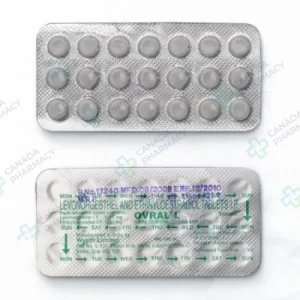
Alesse
Price range: $ 65,00 through $ 208,00
Active substance: ethinyloestradiol, Levonorgestrel
More Details
This product has multiple variants. The options may be chosen on the product page
Aygestin
Price range: $ 58,00 through $ 290,00
Active substance: Norethindrone
More Details
This product has multiple variants. The options may be chosen on the product page
Cabgolin
Price range: $ 134,00 through $ 356,00
Active substance: Cabergoline
More Details
This product has multiple variants. The options may be chosen on the product page
Clomid
Price range: $ 45,00 through $ 255,00
Active substance: Clomiphene
More Details
This product has multiple variants. The options may be chosen on the product page

Enclomisign
Price range: $ 85,00 through $ 189,00
Active substance: Enclomiphene
More Details
This product has multiple variants. The options may be chosen on the product page
Estriol
Price range: $ 64,00 through $ 137,00
Active substance: Estriol
More Details
This product has multiple variants. The options may be chosen on the product page
Female Cialis Soft
Price range: $ 40,00 through $ 288,00
Active substance: Tadalafil
More Details
This product has multiple variants. The options may be chosen on the product page

Femalefil
Price range: $ 46,00 through $ 89,00
Active substance: Tadalafil
More Details
This product has multiple variants. The options may be chosen on the product page