

-11%
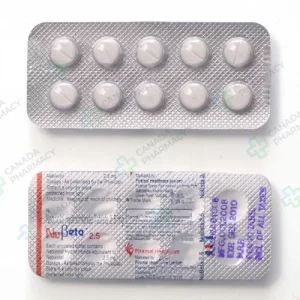
Bystolic
Price range: $ 38,00 through $ 275,00
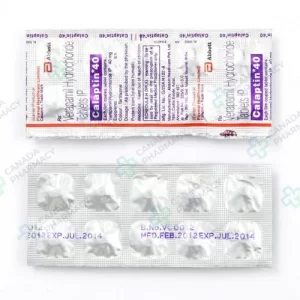
Calan
Price range: $ 46,00 through $ 242,00
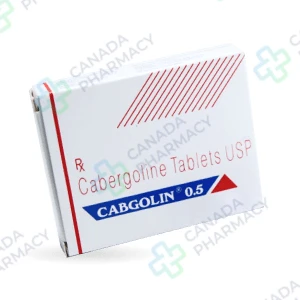
Cabgolin
Price range: $ 134,00 through $ 356,00
Cabgolin is a potent dopamine receptor agonist specifically designed to treat medical conditions caused by excessive prolactin production. It is highly effective in managing hyperprolactinemic disorders, including pituitary adenomas and idiopathic hyperprolactinemia. The medication works by directly stimulating dopamine receptors to inhibit the secretion of prolactin from the pituitary gland. By normalizing these hormone levels, Cabgolin helps restore natural physiological balance and addresses symptoms related to hormonal imbalances. This long-acting formula provides a reliable therapeutic approach for patients requiring stable and long-term prolactin management.
Active substance: Cabergoline
Delivery: 5–21 days (depending on the shipping method)
Extra 10% discount with coupon: IT4K6SVM
Each dosage option has its own packaging choices.
Description
Cabgolin belongs to a class of medications known as dopamine receptor agonists, which exert their therapeutic effects by mimicking the activity of dopamine in the central nervous system. It contains the active ingredient cabergoline and is classified as a prescription-only drug in the United States. In clinical practice, this medication is primarily prescribed to manage medical conditions associated with pathologically elevated levels of prolactin in the bloodstream.
The administration of Cabgolin requires routine medical supervision to assess serum prolactin concentrations, evaluate cardiac health, and monitor therapeutic efficacy. Patients must use this pharmaceutical strictly according to a qualified healthcare provider’s instructions and applicable federal regulations governing prescription medications.
| Parameter | Details |
|---|---|
| Active ingredient | Cabergoline |
| Therapeutic class | Dopamine receptor agonist (ergoline derivative) |
| Dosage form | Oral tablet |
| Route of administration | Oral |
| Prescription status | Prescription (Rx only) |
| Storage | Store at 20°C to 25°C (68°F to 77°F) in a tight container |
Pharmacological Profile and Indications
How the drug works
Cabgolin acts as a synthetic ergoline derivative with high affinity and selectivity for dopamine D2 receptors. By directly stimulating D2 receptors located on the lactotroph cells of the anterior pituitary gland, the active ingredient inhibits the synthesis and secretion of prolactin. Prolactin is a peptide hormone responsible for milk production and various endocrine functions. In patients with hyperprolactinemic disorders, sustained stimulation of these dopamine receptors normalizes plasma prolactin levels, which subsequently restores regular gonadotropin release and reproductive function. The pharmacological selectivity of cabergoline minimizes interaction with non-dopaminergic receptors, although prolonged high exposure may involve 5-HT2B serotonin receptors implicated in tissue remodeling.
Main uses
The primary FDA-approved indication for Cabgolin is the treatment of hyperprolactinemic disorders, whether idiopathic or resulting from pituitary adenomas (prolactin-secreting tumors). Normalization of prolactin suppresses pathological galactorrhea and restores regular ovulatory cycles and fertility in women, while addressing hypogonadism, gynecomastia, and erectile dysfunction in men. Beyond its main approved indications, healthcare providers may utilize Cabgolin for off-label applications based on clinical discretion. Off-label uses include the suppression of physiological lactation when medically indicated, adjunctive therapy in Parkinson’s disease, and off-label management of restless legs syndrome. Any off-label administration must be evaluated strictly by a licensed prescriber against individual patient risk factors.
What happens in the body
Following oral administration, Cabgolin is rapidly absorbed from the gastrointestinal tract, reaching peak plasma concentration within two to three hours. The active drug displays an extensive volume of distribution and binds moderately to human plasma proteins (approximately 40% to 42%). Cabergoline undergoes extensive hepatic metabolism, primarily through hydrolysis of the acylurea bond, rather than relying heavily on cytochrome P450 enzyme pathways. A defining characteristic of Cabgolin is its long elimination half-life, which ranges between 63 and 69 hours in adult individuals. Elimination occurs through both fecal (approximately 60%) and urinary (approximately 22%) routes as metabolites and unchanged drug over an extended period.
Compatibility with other medicines
Concomitant administration of Cabgolin with dopamine antagonists–such as phenothiazines, butyrophenones, thioxanthenes, and metoclopramide–may diminish the therapeutic efficacy of cabergoline due to competitive receptor binding. Conversely, concurrent use with ergot derivatives is not recommended due to additive cardiovascular and vasoconstrictive risks. Antihypertensive agents may exhibit enhanced hypotensive effects when combined with dopamine agonists, necessitating periodic blood pressure monitoring and dose adjustments. Additionally, caution is advised when co-administering potent macrolide antibiotics, which may alter systemic exposure of cabergoline through metabolic interaction pathways. A comprehensive drug profile review by a prescriber is essential prior to initiating therapy.
Safety, Dosing, and Daily Use
Dosing schedule: Cabgolin is administered orally, typically starting at an initial dosage of 0.25 mg twice weekly. Based on serum prolactin response, the dosage may be titrated by increments of 0.25 mg twice weekly at four-week intervals, up to a maximum recommended dose of 1 mg twice weekly for hyperprolactinemia. Therapeutic monitoring involves measuring serum prolactin levels monthly during titration until stabilization is achieved. Administration with meals is recommended to reduce gastrointestinal distress. Therapy duration depends on the underlying pathology; patients undergoing long-term treatment require periodic reassessment to establish the lowest effective maintenance dose or potential drug withdrawal.
Adverse reactions: Clinical trials and post-marketing surveillance indicate that adverse reactions associated with Cabgolin are predominantly dose-dependent and mild to moderate in severity. The most frequently reported central nervous system side effects include headache, dizziness, somnolence, and fatigue. Gastrointestinal effects commonly comprise nausea, abdominal pain, constipation, and dyspepsia. Cardiovascular effects, such as orthostatic hypotension, may occur, particularly during initial dose escalation. Long-term, high-cumulative exposure to ergoline-derived dopamine agonists has been associated with valvular heart disease (cardiac valvulopathy); therefore, baseline echocardiographic assessment is standard protocol prior to prolonged administration.
Before you take it: Cabgolin is contraindicated in patients with uncontrolled hypertension, a history of cardiac valvular disorders, or known hypersensitivity to ergot alkaloids. Special caution is warranted in individuals with severe hepatic impairment, as reduced drug clearance may lead to systemic accumulation. Pediatric safety and effectiveness have not been established. In elderly populations, dose selection should proceed cautiously, accounting for higher frequencies of decreased hepatic, renal, or cardiac function. Pregnant women should receive Cabgolin only if clearly needed, and breastfeeding is generally discouraged because cabergoline actively suppresses lactation.
If you skip a dose: In the event of a missed dose, the scheduled administration should be taken as soon as remembered, provided the next scheduled dose is not imminent. If it is almost time for the subsequent dose, the missed dose should be skipped entirely, resuming the standard dosing interval. Patients must never double the dose to compensate for a missed tablet, as this significantly increases the risk of acute adverse events, including symptomatic hypotension and severe nausea.
Storage and expiration: Cabgolin tablets must be stored at controlled room temperature between 20°C and 25°C (68°F to 77°F), with temporary excursions permitted between 15°C and 30°C (59°F to 86°F). The medication should be retained in its original light-resistant, moisture-tight container to protect the active ingredient from ambient humidity and degradation. Discard any medication past its printed expiration date in accordance with local disposal guidelines, avoiding flushing down toilets unless instructed.
What to avoid while taking it: Patients undergoing Cabgolin therapy should avoid concurrent alcohol consumption, as ethanol may potentiate central nervous system depression, dizziness, and hypotensive events. Taking the medication alongside meal intake helps decrease nausea without impairing gastrointestinal absorption. Additionally, activities requiring high alertness, such as driving or operating machinery, should be avoided until individual tolerance and response to orthostatic changes are determined.
Signs of improvement: Clinical response to Cabgolin is evaluated primarily through quantitative serum prolactin testing. Symptomatic improvements, such as the cessation of galactorrhea, restoration of regular menstrual cycles in females, and improvement in libido or erectile function in males, typically become observable within a few weeks of achieving therapeutic serum drug concentrations. Tumor shrinkage in patients with prolactinomas is tracked via periodic magnetic resonance imaging (MRI) scans as directed by an endocrinologist.
Common questions
How long does it take for Cabgolin to lower prolactin levels?
Serum prolactin reduction usually begins within 3 hours following administration of a single dose. Sustained therapeutic reduction relies on steady-state plasma concentrations, which typically normalize prolactin levels within two to four weeks of initiation, depending on individual patient response and dosage titration.
Can Cabgolin cause sudden sleepiness during daily activities?
Yes, dopamine receptor agonists, including cabergoline, have been associated with somnolence and sudden sleep onset episodes. Patients experiencing significant drowsiness should refrain from driving or operating machinery and consult their prescribing physician regarding potential dose adjustment.
What cardiac evaluations are necessary during Cabgolin treatment?
Due to the potential risk of cardiac valvulopathy associated with long-term ergoline agonist exposure, physicians typically order a baseline echocardiogram prior to initiating therapy. Periodic follow-up echocardiographic monitoring is performed during extended therapy to evaluate heart valve integrity.
Is it safe to stop taking Cabgolin abruptly?
Abrupt discontinuation of dopamine agonists can lead to a return of hyperprolactinemic symptoms or, rarely, a symptom complex resembling neuroleptic malignant syndrome. Treatment discontinuation should always occur gradually under the direct supervision of a healthcare provider.
How does food impact the absorption of Cabgolin?
Food does not significantly alter the overall bioavailability or pharmacokinetic profile of cabergoline. However, administering the tablet with meals or snacks is clinically advised to lessen gastrointestinal side effects such as nausea and abdominal discomfort.
This text is for informational purposes only and does not constitute individual medical advice.
In accordance with FDA requirements.
Additional information
| Dosage |
0.5mg |
|---|---|
| Package |
30 pills ,60 pills ,90 pills |
| Ενεργός Ουσία |
Related products
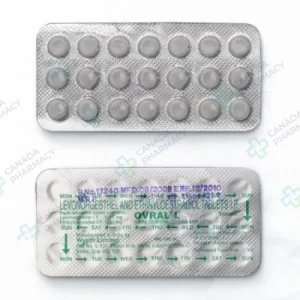
Alesse
Price range: $ 65,00 through $ 208,00
Active substance: ethinyloestradiol, Levonorgestrel
More Details
This product has multiple variants. The options may be chosen on the product page
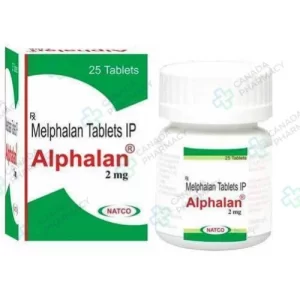
Alkeran
Price range: $ 112,00 through $ 513,00
Active substance: Melphalan
More Details
This product has multiple variants. The options may be chosen on the product page
Conjubrook
Price range: $ 215,00 through $ 705,00
Active substance: Conjugated Estrogens
More Details
This product has multiple variants. The options may be chosen on the product page
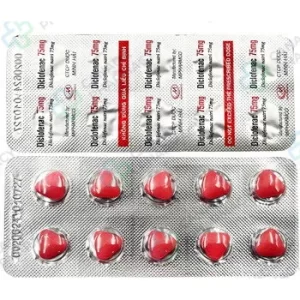
Diclofenac
Price range: $ 49,00 through $ 121,00
Active substance: diclofenac
More Details
This product has multiple variants. The options may be chosen on the product page
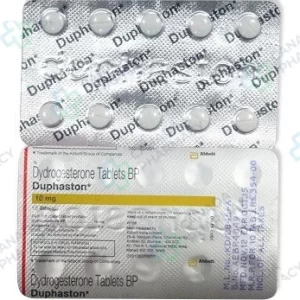
Duphaston
Price range: $ 64,00 through $ 648,00
Active substance: dydrogesterone
More Details
This product has multiple variants. The options may be chosen on the product page
Estriol
Price range: $ 64,00 through $ 137,00
Active substance: Estriol
More Details
This product has multiple variants. The options may be chosen on the product page
Estriol Cream
Price range: $ 13,00 through $ 93,00
Active substance: Estriol
More Details
This product has multiple variants. The options may be chosen on the product page
Ferrous
Price range: $ 60,00 through $ 487,00
Active substance: Ferrous sulfate
More Details
This product has multiple variants. The options may be chosen on the product page