

-20%
Aldara Cream
Price range: $ 224,00 through $ 1 440,00
Aleve
Price range: $ 57,00 through $ 290,00
Alesse
Price range: $ 65,00 through $ 208,00
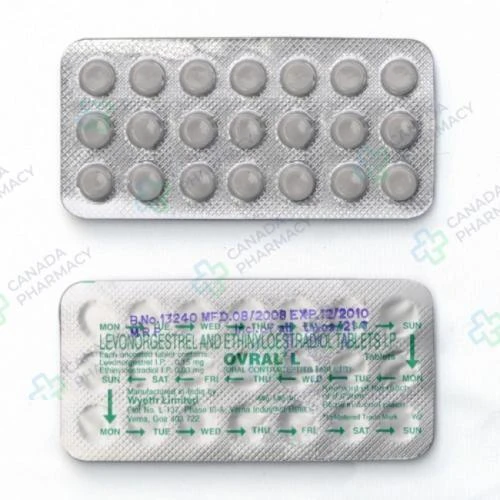
Alesse is a highly effective combined oral contraceptive pill designed to prevent pregnancy. It contains a low-dose combination of levonorgestrel and ethinyl estradiol that works primarily by inhibiting ovulation. Beyond its primary use, this medication is also approved to treat moderate acne in women seeking a reliable birth control method. Many users experience more predictable menstrual cycles, along with a reduction in period-related discomfort and flow. This daily hormone treatment provides a convenient and trusted solution for long-term reproductive health management.
Active substance: ethinyloestradiol, Levonorgestrel
Delivery: 5–21 days (depending on the shipping method)
Extra 10% discount with coupon: IT4K6SVM
Each dosage option has its own packaging choices.
Description
Alesse belongs to the class of combination oral contraceptives containing a synthetic progestin and an estrogen component. It is indicated primarily for the prevention of pregnancy in females of reproductive potential who elect to use an oral contraceptive method. As a prescription medication regulated under United States federal law, it requires clinical evaluation and ongoing management by a licensed healthcare provider.
Each active tablet of Alesse combines 0.1 mg of levonorgestrel with 0.02 mg of ethinyl estradiol to provide effective ovulation suppression. Understanding its pharmacologic profile, proper dosing regimen, and safety warnings ensures optimal therapeutic outcomes while minimizing potential adverse effects.
| Parameter | Specification |
|---|---|
| Active Ingredient (INN) | Levonorgestrel / Ethinyl Estradiol |
| Therapeutic Class | Combination Oral Contraceptive (Estrogen/Progestin) |
| Dosage Form | Oral Tablet (21 active / 7 inert tablets) |
| Route of Administration | Oral |
| Primary Purpose | Pregnancy Prevention |
| Prescription Status | Prescription (Rx) |
| Storage Parameters | 20°C to 25°C (68°F to 77°F) |
Pharmacological Profile and Clinical Use
How the drug works
Alesse exerts its primary contraceptive effect by suppressing gonadotropins. The combination of levonorgestrel and ethinyl estradiol inhibits ovulation via the suppression of luteinizing hormone (LH) and follicle-stimulating hormone (FSH) release from the anterior pituitary gland. Additionally, secondary mechanisms contribute to its contraceptive efficacy: alterations in cervical mucus increase viscosity to hinder sperm penetration into the uterine cavity, while structural alterations in the endometrium reduce the probability of successful blastocyst implantation. The low-dose hormonal formulation (0.1 mg levonorgestrel and 0.02 mg ethinyl estradiol) aims to preserve high contraceptive efficacy while minimizing estrogenic adverse effects.
Main uses
Alesse is indicated primarily for the prevention of pregnancy in females of reproductive capacity who choose to use an oral contraceptive regimen. When ingested consistently and correctly, combination oral contraceptives demonstrate high clinical efficacy in preventing unintended pregnancy. Any secondary non-contraceptive clinical uses, such as cycle regulation or management of acne vulgaris, represent off-label applications unless specifically cleared for a dual indication by regulatory bodies. Patients seeking management for secondary hormonal symptoms should consult their healthcare provider to evaluate whether this specific low-dose combination profile is appropriate.
What happens in the body
Following oral administration, levonorgestrel is rapidly and completely absorbed from the gastrointestinal tract, achieving peak serum concentrations within 1 to 2 hours. Levonorgestrel binds extensively to serum albumin and sex hormone-binding globulin (SHBG). Ethinyl estradiol is also rapidly absorbed, undergoing significant first-pass hepatic metabolism resulting in an overall oral bioavailability of approximately 40% to 45%. Ethinyl estradiol is highly bound to serum albumin. Both active steroid compounds undergo metabolic clearance via hepatic cytochrome P450 pathways, primarily mediated by CYP3A4, followed by conjugation and elimination in urine and feces. Levonorgestrel demonstrates a terminal elimination half-life of approximately 24 to 36 hours, whereas ethinyl estradiol exhibits an elimination half-life ranging between 10 and 24 hours.
Drug Interactions and Efficacy Factors
Compatibility with other medicines
Co-administration of Alesse with hepatic enzyme-inducing drugs can lead to reduced systemic concentrations of both ethinyl estradiol and levonorgestrel, potentially compromising contraceptive efficacy or causing breakthrough bleeding. Specific agents that induce cytochrome P450 3A4 enzymes include rifampin, carbamazepine, phenytoin, phenobarbital, topiramate, and St. John’s wort. Co-administration with certain HIV protease inhibitors or non-nucleoside reverse transcriptase inhibitors can significantly alter plasma hormone levels. Conversely, CYP3A4 inhibitors (such as azole antifungals or macrolide antibiotics) may increase systemic exposure to ethinyl estradiol. Patients requiring long-term treatment with hepatic enzyme-inducing medications should discuss non-hormonal contraceptive methods with their physician.
Food and alcohol interactions
Alesse can be administered without regard to meal schedules. Administering the tablet alongside food or immediately after a meal may help reduce initial gastrointestinal discomfort, such as mild nausea, which can occur during the initiation of therapy. Moderate alcohol consumption does not directly alter the metabolic clearance or contraceptive efficacy of levonorgestrel or ethinyl estradiol. However, excessive alcohol intake can impair regimen adherence or precipitate acute emesis within two hours of administration, requiring supplementary dosing procedures.
Administration Guidelines and Safety Considerations
Dosing schedule
Optimal contraceptive protection requires strict adherence to daily administration at approximately the same time each day. The typical 28-day regimen consists of 21 active pink tablets (containing 0.1 mg levonorgestrel and 0.02 mg ethinyl estradiol) followed by 7 inactive white tablets. Treatment initiation may begin on the first day of menstrual bleeding (Day 1 Start) or on the first Sunday following the onset of menses (Sunday Start). Tablets must be taken sequentially as directed on the blister pack packaging. Withdrawal bleeding usually occurs during the 7-day inactive tablet interval. The subsequent pack should be started immediately on the day after completing the previous pack, maintaining a continuous cycle without interruption.
If you skip a dose
If a single active tablet is missed, it should be taken as soon as remembered, with the next tablet taken at the regular scheduled time, even if this requires taking two tablets in one day. If two consecutive active tablets are missed during Week 1 or Week 2, the user should take two tablets on the day remembered and two tablets on the following day, subsequently resuming the daily schedule while employing a non-hormonal back-up contraceptive method (such as condoms) for 7 consecutive days. Detailed instructions for managing missed tablets vary depending on the timing within the 28-day pack, as outlined in the official prescribing information.
Adverse Reactions and Risk Factors
Adverse reactions
Common adverse effects associated with low-dose combination oral contraceptives include intermenstrual spotting or breakthrough bleeding, nausea, breast tenderness, headache, and mild fluid retention. Most minor adverse reactions diminish in intensity within the first three treatment cycles as physiological adaptation occurs. Less common but severe adverse events include arterial and venous thromboembolic disorders, such as deep vein thrombosis, pulmonary embolism, myocardial infarction, and cerebrovascular accidents. Hepatic adenomas, hypertension, and gallbladder disease have also been documented during long-term clinical monitoring of estrogen-progestin combination therapies.
Special Populations and Precautions
Important precautions
Combination oral contraceptives are contraindicated in women over 35 years of age who smoke, due to a significantly elevated risk of serious cardiovascular events, including stroke and myocardial infarction. Additional absolute contraindications include a documented history of deep vein thrombosis, pulmonary embolism, active cerebrovascular or coronary artery disease, known or suspected breast carcinoma or estrogen-dependent neoplasia, undiagnosed abnormal uterine bleeding, acute liver disease, hepatic adenomas, or uncontrolled hypertension. Patients with diabetes mellitus, hyperlipidemia, or complex migraine syndromes require comprehensive clinical evaluation prior to initiating treatment.
Special populations
Alesse is contraindicated during pregnancy; if pregnancy is diagnosed during use, the medication must be discontinued immediately. Components of combination oral contraceptives are excreted into human milk and may reduce total milk production while altering milk composition; postpartum lactating individuals are advised to utilize non-hormonal contraceptive alternatives until complete weaning. The safety and efficacy of Alesse have been established in females of reproductive age, but it is not indicated prior to menarche. Use in postmenopausal populations is not indicated.
Storage and expiration
Alesse blister packs must be stored at controlled room temperature between 20°C and 25°C (68°F to 77°F), with excursions permitted between 15°C and 30°C (59°F to 86°F). Protect the medication from exposure to excessive light and moisture by retaining the blister pack in its protective outer packaging until administration. Keep out of reach of pediatric populations. Expiration dates stamped on the commercial packaging indicate the period during which chemical stability is assured.
Common Questions
What occurs if vomiting or severe diarrhea occurs shortly after ingestion?
If acute vomiting or severe diarrhea occurs within 3 to 4 hours following tablet administration, drug absorption may be incomplete. This scenario should be managed as a missed dose, and an auxiliary barrier method of contraception should be employed until gastrointestinal function normalizes and regular tablet administration is maintained for 7 consecutive days.
Do concomitant antibiotics compromise the contraceptive efficacy of Alesse?
Strong hepatic enzyme-inducing antibiotics, such as rifampin, significantly accelerate the metabolism of ethinyl estradiol and levonorgestrel, necessitating alternative or back-up contraception. Most common non-enzyme-inducing antibiotics (such as amoxicillin or doxycycline) do not systematically diminish oral contraceptive concentrations, though gastrointestinal side effects could indirectly affect absorption.
Is breakthrough bleeding expected during the initial phase of therapy?
Intermenstrual spotting or breakthrough bleeding is a recognized transient side effect during the first 1 to 3 cycles of low-dose hormonal contraceptive therapy. If irregular bleeding persists past three cycles or is accompanied by severe abdominal pain, clinical re-evaluation by a healthcare professional is warranted.
How does tobacco use affect the safety profile of this medication?
Cigarette smoking substantially increases the risk of serious cardiovascular side effects associated with combination oral contraceptive use. This risk rises markedly with advancing age (specifically over 35 years) and with heavy smoking (15 or more cigarettes per day).
How quickly does fertility return following treatment discontinuation?
Ovulatory function and fertility generally return within 1 to 3 months following cessation of combination oral contraceptives. Most individuals resume normal menstrual cycles rapidly, although temporary post-pill amenorrhea can occur in some cases.
This content is informational and does not replace a consultation with your doctor or pharmacist. In accordance with FDA requirements.
Additional information
| Dosage |
0.03mg+0.15mg |
|---|---|
| Package |
56 pills ,84 pills ,112 pills ,168 pills ,224 pills |
| Ενεργός Ουσία | , |
Related products
Aygestin
Price range: $ 58,00 through $ 290,00
Active substance: Norethindrone
More Details
This product has multiple variants. The options may be chosen on the product page
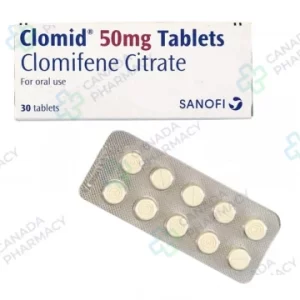
Clomid
Price range: $ 45,00 through $ 255,00
Active substance: Clomiphene
More Details
This product has multiple variants. The options may be chosen on the product page
Conjubrook
Price range: $ 215,00 through $ 705,00
Active substance: Conjugated Estrogens
More Details
This product has multiple variants. The options may be chosen on the product page
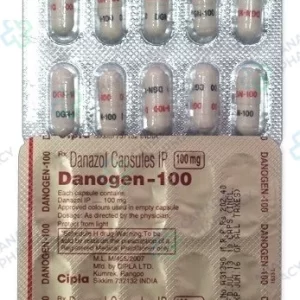
Danazol
Price range: $ 62,00 through $ 480,00
Active substance: Danazol
More Details
This product has multiple variants. The options may be chosen on the product page
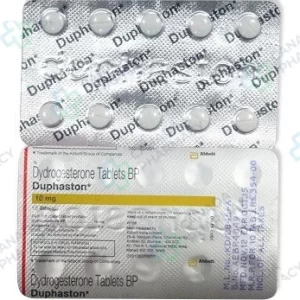
Duphaston
Price range: $ 64,00 through $ 648,00
Active substance: dydrogesterone
More Details
This product has multiple variants. The options may be chosen on the product page
Folic Acid
Price range: $ 6,00 through $ 18,00
Active substance: Folic Acid
More Details
This product has multiple variants. The options may be chosen on the product page
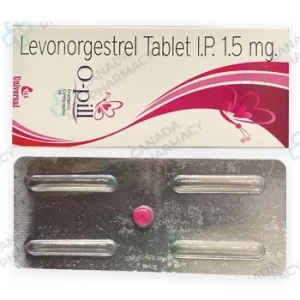
Plan B
Price range: $ 60,00 through $ 132,00
Active substance: Levonorgestrel
More Details
This product has multiple variants. The options may be chosen on the product page
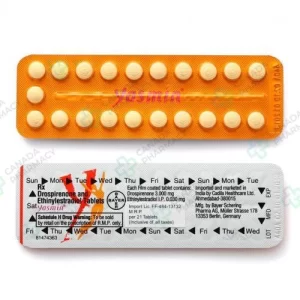
Yasmin
Price range: $ 63,00 through $ 223,00
Active substance: drospirenone, ethinylestradiol
More Details
This product has multiple variants. The options may be chosen on the product page