

-17%
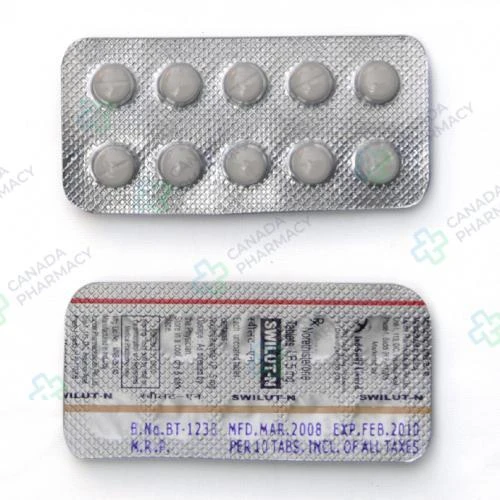
Axepta
Price range: $ 40,00 through $ 500,00

Ayurslim
Price range: $ 71,00 through $ 199,00
Aygestin
Price range: $ 58,00 through $ 290,00
Aygestin is a potent synthetic progestin designed to effectively manage various conditions related to hormonal imbalances in women. It is primarily used to treat amenorrhea, helping to restore a regular menstrual cycle when periods have stopped unexpectedly. Additionally, this medication is indicated for the treatment of abnormal uterine bleeding caused by hormonal shifts rather than organic issues. Aygestin also provides relief for patients suffering from endometriosis by helping to control the growth of endometrial tissue outside the uterus. By mimicking the activity of the natural hormone progesterone, it helps stabilize the uterine lining and supports overall reproductive health.
Active substance: Norethindrone
Delivery: 5–21 days (depending on the shipping method)
Extra 10% discount with coupon: IT4K6SVM
Each dosage option has its own packaging choices.
Description
Aygestin (norethindrone acetate) belongs to a class of synthetic progestational hormones known as progestins. It is an oral prescription medication indicated for the management of specific gynecological disorders related to hormonal imbalances, including secondary amenorrhea, abnormal uterine bleeding, and endometriosis.
The active compound acts directly on the uterine mucosa to transform an estrogen-primed proliferative endometrium into a secretory phase. In the United States, Aygestin is classified as a prescription-only (Rx) pharmaceutical product and must be taken under the supervision of a licensed healthcare provider.
Clinical Overview and Basic Specifications
| Parameter | Specification |
|---|---|
| Active Ingredient | Norethindrone acetate |
| Therapeutic Class | Progestins (AHFS 68:32) |
| Dosage Form | Oral tablet (5 mg) |
| Route of Administration | Oral |
| Prescription Status | Prescription only (Rx) |
| Primary Indications | Secondary amenorrhea, abnormal uterine bleeding, endometriosis |
What It’s Used For
Aygestin is approved by the U.S. Food and Drug Administration (FDA) for three primary clinical uses in adult females:
- Secondary Amenorrhea: The cessation of menstrual periods for three months or more in women who previously had regular cycles, excluding pregnancy.
- Abnormal Uterine Bleeding: Bleeding caused by hormonal imbalance rather than underlying organic structural pathology (such as uterine fibroids or cervical lesions).
- Endometriosis: A chronic condition where tissue similar to the lining of the uterus grows outside the uterine cavity, causing inflammation, pain, and structural changes.
Any use of Aygestin outside of these indications is considered off-label and requires specific evaluation by a prescribing physician.
How the Drug Works
Norethindrone acetate is a synthetic progestin that exhibits pharmacologic activity similar to natural progesterone, but with significantly higher potency per milligram. Upon binding to specific progesterone receptors in female target tissues, it inhibits the secretion of pituitary gonadotropins. This action prevents follicular maturation and ovulation.
At the tissue level in the uterus, the drug suppresses endometrial proliferation, inducing secretory changes. In patients with endometriosis, this continuous progestational stimulation leads to the atrophy and inhibition of ectopic endometrial tissue, providing relief from cyclic pelvic pain and inflammation.
What Happens in the Body
Following oral administration, norethindrone acetate is rapidly absorbed from the gastrointestinal tract and rapidly deacetylated to norethindrone in intestinal tissue and the liver. Peak plasma concentrations of norethindrone typically occur within 1 to 2 hours post-ingestion.
The mean elimination half-life of norethindrone following oral administration of norethindrone acetate ranges between 4 and 13 hours. The compound is heavily bound to plasma proteins, predominantly sex hormone-binding globulin (SHBG) and albumin. Elimination occurs primarily through hepatic metabolism, followed by excretion of metabolites via urine and feces.
Dosing Schedule
Dosage regimens for Aygestin must be individualized according to the specific condition being treated and patient response. Tablets are administered orally with liquid.
- Secondary Amenorrhea and Abnormal Uterine Bleeding: The standard therapeutic range is 2.5 mg to 10 mg daily, administered for 5 to 10 days during the second half of the theoretical menstrual cycle. Withdrawal bleeding typically occurs within 3 to 7 days after discontinuing treatment.
- Endometriosis: Initial therapy starts at 5 mg daily for two consecutive weeks. The daily dose may be increased by 2.5 mg per day every two weeks until a maximum daily dose of 15 mg is reached. Treatment is usually maintained continuously for 6 to 9 months.
If You Skip a Dose
If a dose of Aygestin is missed, it should be taken as soon as remembered on the same day. If it is almost time for the next scheduled dose, skip the missed dose and resume the regular dosing routine. Patients should not double up on doses to compensate for a missed tablet. Skipping doses during cyclical therapy may result in unexpected spot bleeding or breakthrough bleeding.
Compatibility With Other Medicines
Concomitant use of Aygestin with other pharmacologic agents may alter therapeutic efficacy or increase systemic metabolism. Co-administration of hepatic enzyme inducers–specifically CYP3A4 inducers such as rifampin, carbamazepine, phenobarbital, phenytoin, and St. John’s Wort–can accelerate the clearance of norethindrone, reducing its clinical effect.
Progestins may lower glucose tolerance, requiring adjustments in the dosage of antidiabetic medications or insulin in patients with diabetes mellitus. Additionally, interaction with oral anticoagulants may alter coagulation parameters, necessitating monitoring of prothrombin time and INR values.
What to Avoid While Taking It
Aygestin can be taken with or without food, as food intake does not significantly impair overall systemic bioavailability. However, excessive alcohol consumption should be avoided, as chronic heavy alcohol intake can place additional stress on hepatic clearance systems. Patients should refrain from using herbal supplements containing St. John’s Wort due to the risk of reduced drug activity.
Safety Information and Clinical Precautions
Adverse Reactions
Adverse reactions associated with Aygestin therapy vary based on duration of use and individual sensitivity. Reported side effects include:
- Reproductive System: Breakthrough bleeding, spotting, changes in menstrual flow, amenorrhea, and changes in cervical secretions.
- Dermatologic: Chloasma or melasma (skin hyperpigmentation), acne, rash, and alopecia.
- Central Nervous System: Nervousness, mental depression, severe headache, and insomnia.
- Metabolic & Systemic: Fluid retention, edema, weight gain or loss, cholestatic jaundice, and altered blood glucose tolerance.
Important Precautions
Progestins can increase the risk of thromboembolic and cardiovascular events. Treatment must be discontinued immediately if any signs of vascular occlusion occur. Aygestin should be prescribed with extreme caution in patients with a history of depression, epilepsy, migraine, asthma, or cardiac/renal dysfunction, as fluid retention may exacerbate these conditions.
Absolute contraindications include:
- Active deep vein thrombosis (DVT), pulmonary embolism (PE), or history of thromboembolic disease.
- Active or recent arterial thromboembolic disease (stroke, myocardial infarction).
- Known or suspected carcinoma of the breast or reproductive organs.
- Impaired liver function or active liver disease.
- Undiagnosed abnormal genital bleeding.
- Known or suspected pregnancy.
When to Seek Emergency Care
| Warning Sign | Possible Clinical Concern |
|---|---|
| Sudden shortness of breath or hemoptysis | Pulmonary Embolism (PE) |
| Severe pain, swelling, or warmth in one leg | Deep Vein Thrombosis (DVT) |
| Sudden severe headache or visual changes | Cerebrovascular event / Retinal thrombosis |
| Chest pain, pressure, or radiating arm pain | Myocardial Infarction |
| Jaundice (yellowing of eyes or skin) | Hepatic dysfunction |
Special Populations
Pregnancy: Aygestin is contraindicated during pregnancy. Administration of progestational agents during early pregnancy may cause fetal harm, including potential masculinization of a female fetus. A pregnancy test must be negative before initiating therapy.
Nursing Mothers: Detectable amounts of progestins have been identified in the milk of nursing mothers receiving progestational hormones. Caution should be exercised when Aygestin is administered to a nursing woman, as adverse effects on lactation performance and infant growth are possible.
Pediatric Use: Safety and effectiveness in pediatric patients have been established only post-menarche. Use before menarche is not indicated.
Geriatric Use: Aygestin is not indicated for postmenopausal populations as a monotherapy. Postmenopausal women receiving estrogen replacement require different progestin regimens to prevent endometrial hyperplasia.
Storage and Expiration
Aygestin tablets should be stored at controlled room temperature between 20°C and 25°C (68°F to 77°F), with excursions permitted between 15°C and 30°C (59°F to 86°F). Protect the product from light, excessive moisture, and direct heat. Keep the container tightly closed and out of reach of children. Discard any medication that has passed its stated expiration date.
Common Questions
Does Aygestin serve as a reliable contraceptive method at standard doses?
No. Although high-dose progestins suppress ovulation, Aygestin 5 mg tablets prescribed for amenorrhea, abnormal bleeding, or endometriosis are not approved or rated as a barrier-free contraceptive. Non-hormonal barrier methods of contraception should be utilized during treatment if pregnancy avoidance is required.
What should be done if unexpected breakthrough bleeding occurs during treatment?
Spotting or breakthrough bleeding can occur during Aygestin therapy, especially during the initial months of treatment for endometriosis. Patients should report any unexpected bleeding to their prescriber to rule out non-hormonal causes or determine if a dosage adjustment is necessary.
How quickly does normal menstrual bleeding resume after stopping short-term Aygestin therapy?
When used cyclically for secondary amenorrhea or abnormal uterine bleeding, withdrawal bleeding usually begins within 3 to 7 days after taking the last prescribed tablet. If bleeding does not occur within 10 days post-treatment, consult the prescribing healthcare provider to evaluate for pregnancy or underlying pathology.
Can Aygestin affect routine laboratory diagnostic test results?
Yes. Progestin therapy can alter certain diagnostic laboratory parameters, including thyroid function tests (binding proteins), glucose tolerance tests, plasma coagulation factors, and liver function panels. Patients should inform laboratory staff and prescribers that they are taking Aygestin before undergoing diagnostic blood tests.
Is weight gain a guaranteed side effect of long-term Aygestin use?
Weight gain is a documented potential adverse effect, primarily related to fluid retention or anabolic progestational effects over prolonged courses, such as during endometriosis treatment. However, significant weight change does not occur in all patients. Diet and fluid balance monitoring are recommended during extended therapy.
In accordance with FDA requirements.
This text is for informational purposes only and does not constitute individual medical advice.
Additional information
| Dosage |
5mg |
|---|---|
| Package |
60 pills ,90 pills ,120 pills ,180 pills ,270 pills ,360 pills |
| Ενεργός Ουσία |
Related products
Betahistine
Price range: $ 41,00 through $ 311,00
Active substance: Betahistine
More Details
This product has multiple variants. The options may be chosen on the product page
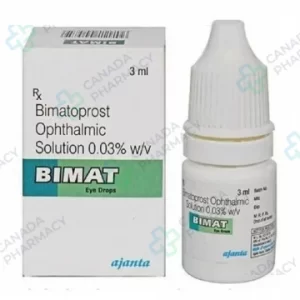
Bimat
Price range: $ 60,00 through $ 330,00
Active substance: Bimatoprost
More Details
This product has multiple variants. The options may be chosen on the product page
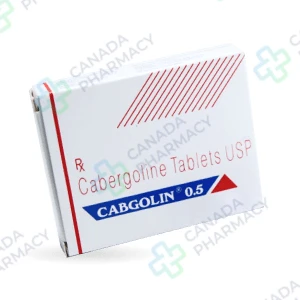
Cabgolin
Price range: $ 134,00 through $ 356,00
Active substance: Cabergoline
More Details
This product has multiple variants. The options may be chosen on the product page
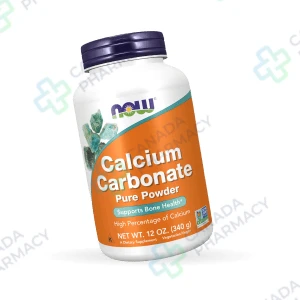
Calcium Carbonate
Price range: $ 41,00 through $ 535,00
Active substance: Calcium Carbonate
More Details
This product has multiple variants. The options may be chosen on the product page
Etodolac
Price range: $ 46,00 through $ 390,00
Active substance: Etodolac
More Details
This product has multiple variants. The options may be chosen on the product page
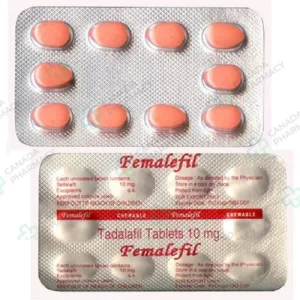
Female Cialis Soft
Price range: $ 40,00 through $ 288,00
Active substance: Tadalafil
More Details
This product has multiple variants. The options may be chosen on the product page
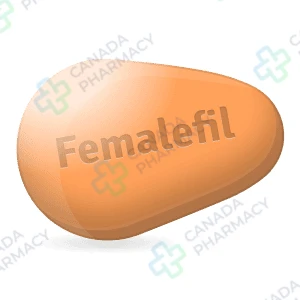
Femalefil
Price range: $ 46,00 through $ 89,00
Active substance: Tadalafil
More Details
This product has multiple variants. The options may be chosen on the product page
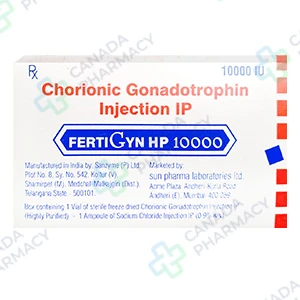
Fertigyn HP
Price range: $ 50,00 through $ 130,00
Active substance: Human Chorionic Gonadotrophin
More Details
This product has multiple variants. The options may be chosen on the product page