

-35%


Betadine
Price range: $ 7,00 through $ 12,00

Betapace
Price range: $ 9,00 through $ 260,00
Betahistine
Price range: $ 41,00 through $ 311,00
Betahistine is a highly effective medication primarily used to manage the symptoms of Meniere’s disease. It works to alleviate persistent dizziness, vertigo, and the ringing sensation in the ears known as tinnitus. By improving blood flow in the inner ear, this treatment helps reduce the buildup of excess fluid and pressure. Regular use of this medication can significantly decrease the frequency and severity of sudden balance issues. This reliable solution allows individuals to regain their stability and maintain a more active, comfortable lifestyle.
Active substance: Betahistine
Delivery: 5–21 days (depending on the shipping method)
Extra 10% discount with coupon: IT4K6SVM
Each dosage option has its own packaging choices.
Description
Betahistine belongs to a class of medications known as histamine analogs, which act primarily on histamine receptors within the inner ear. It is primarily utilized in clinical practice to reduce the frequency and severity of episodes associated with Meniere’s disease, such as vertigo, tinnitus, and hearing impairment. In the United States, betahistine is dispensed in accordance with applicable federal and state regulations, often through specialized compounding pharmacies under medical supervision.
Understanding the pharmacological profile, proper administration guidelines, potential adverse effects, and precautions is essential for safe usage. This document outlines objective technical and clinical data to assist patients and healthcare providers in managing therapy effectively.
| Parameter | Details |
|---|---|
| Active ingredient (INN) | Betahistine dihydrochloride / Betahistine mesylate |
| Therapeutic class | Histamine H1 agonist / H3 antagonist (Vascular agent for vestibular disorders) |
| Dosage form | Oral tablet |
| Route of administration | Oral |
| Primary purpose | Management of Meniere’s disease symptoms and vestibular vertigo |
| Prescription status | Dispensed in accordance with applicable federal and state regulations |
| Storage | Store at room temperature (68°F to 77°F / 20°C to 25°C) away from moisture |
Pharmacological Profile and Indications
How the drug works
Betahistine operates through a dual mechanism involving histamine receptor modulation. It exhibits weak agonistic activity at histamine H1 receptors and strong antagonistic action at histamine H3 receptors located within the central and autonomic nervous systems. By blocking pre-synaptic H3 receptors, betahistine increases the release of histamine, neurotransmitters, and local vasoactive substances. This physiological response promotes vasodilation within the stria vascularis of the inner ear, thereby enhancing microcirculation in the labyrinthine network. Consequently, elevated endolymphatic pressure within the inner ear is reduced, which helps alleviate the mechanical underlying cause of episodic vertigo, sensation of fullness, and auditory disturbances associated with endolymphatic hydrops.
Main uses
The primary clinical indication for betahistine is the symptomatic management of Meniere’s disease, a chronic condition characterized by recurrent vertigo, progressive hearing loss, and tinnitus (ringing in the ears). Betahistine is prescribed to decrease both the frequency and intensity of acute vertigo spells, helping patients maintain balance and daily function. While its primary target remains Meniere’s syndrome, clinicians may occasionally evaluate its utility for secondary vestibular vertigo arising from inner ear dysfunction; however, non-Meniere vestibular indications are considered off-label and require individualized clinical justification. Betahistine is not indicated for central vertigo resulting from brainstem or cerebellar pathology.
What happens in the body
Following oral administration, betahistine is rapidly and almost completely absorbed from the gastrointestinal tract. Absorption occurs rapidly, reaching peak plasma concentration shortly after ingestion. The drug undergoes extensive and rapid first-pass metabolism in the liver. Its primary metabolic pathway yields an inactive metabolite, 2-pyridylacetic acid, rendering parent betahistine concentrations extremely low or undetectable in systemic blood circulation. The metabolic conversion is predominantly carried out by monoamine oxidase (MAO) enzymes. Elimination of the active metabolite occurs almost exclusively through the kidneys via urinary excretion, with more than 85% of the dose eliminated within 24 hours. The plasma elimination half-life of 2-pyridylacetic acid is approximately 3.5 hours. Food co-ingestion slows absorption but does not significantly reduce overall bioavailability.
Administration, Safety, and Precautions
Dosing schedule
Dosing of betahistine must be individualized based on patient response and clinical assessment. Standard adult regimens typically initiate at 8 mg to 16 mg taken orally three times daily, usually spaced evenly throughout the day. In certain clinical protocols, total daily doses range between 24 mg and 48 mg divided into two or three administrations. Tablets should be swallowed whole with a sufficient volume of water during or immediately after meals to reduce potential gastrointestinal discomfort. Dose titrations or adjustments are made under strict medical supervision. Clinical efficacy may not be immediately apparent; structural symptom relief often requires several weeks of continuous therapy, with optimal benefit observed after extended administration.
What not to combine
Drug interaction profiles for betahistine center on medications influencing histamine pathways and oxidative metabolism. Because betahistine acts as a histamine receptor agonist, concomitant use of antihistamines (H1-receptor antagonists such as diphenhydramine, loratadine, or cetirizine) may theoretically decrease the therapeutic efficacy of betahistine through competitive receptor antagonism. Conversely, betahistine may reduce the effectiveness of antihistamines prescribed for allergic conditions. Additionally, co-administration with monoamine oxidase inhibitors (MAOIs, including MAO-B inhibitors like selegiline) can inhibit the metabolic degradation of betahistine, potentially increasing systemic exposure and elevated drug levels. Careful pharmacological review is recommended before co-administering these agents.
Adverse reactions
Betahistine is generally well-tolerated, though mild adverse effects may occur during therapy. Gastrointestinal disturbances are the most common reactions, including nausea, dyspepsia, epigastric discomfort, abdominal bloating, and mild stomach pain. Taking the medication with food frequently mitigates these symptoms. Neurological effects such as mild headache or drowsiness have also been reported. Cutaneous hypersensitivity reactions–including rash, pruritus, and urticaria–occur infrequently. In rare instances, severe hypersensitivity reactions including angioedema or anaphylactic manifestations have been observed. Patients experiencing persistent or worsening side effects should consult their healthcare professional for dosage adjustment or therapeutic evaluation.
Important precautions
Careful clinical evaluation is required before initiating betahistine in individuals with specific pre-existing medical conditions. Betahistine is strictly contraindicated or requires extreme caution in patients with pheochromocytoma, as histamine stimulation can induce a massive release of catecholamines, resulting in severe hypertensive crisis. Patients with a history of peptic ulcer disease or active gastrointestinal ulceration must be monitored closely, given histamine’s role in stimulating gastric acid secretion. Similarly, patients with bronchial asthma require cautious supervision during treatment, as histamine receptor activation may induce bronchospasm. Patients in medical centers, whether in Chicago or elsewhere in the United States, should provide a comprehensive medical history prior to starting therapy.
Red flags
While severe adverse events are uncommon, immediate emergency medical attention is required if signs of a severe allergic or systemic reaction develop. Red flag symptoms requiring urgent medical intervention include:
- Swelling of the face, lips, tongue, throat, or periorbital tissue (angioedema)
- Difficulty breathing, shortness of breath, wheezing, or severe bronchospasm
- Severe cutaneous eruptions, including progressive rash, blistering, or skin peeling
- Signs of severe hypertensive surge, such as sudden intense headache, chest pain, or irregular heartbeat
- Sudden severe dizziness accompanied by neurological deficits, which may signal a central vascular event rather than peripheral vertigo
If you skip a dose
If a scheduled dose of betahistine is missed, it should be taken as soon as remembered, provided the next scheduled dose is not imminent. If it is almost time for the subsequent dose, the missed dose should be skipped entirely, and the regular administration schedule resumed. Under no circumstances should a double dose be ingested to compensate for a missed tablet. Maintaining consistent daily intervals helps achieve steady metabolic levels necessary for optimal control of vestibular symptoms.
Storage and expiration
Betahistine tablets should be stored at controlled room temperature, ideally between 68°F and 77°F (20°C to 25°C), with temporary excursions permitted between 59°F and 86°F (15°C to 30°C). The medication must be kept in its original packaging to protect the tablets from moisture, direct sunlight, and excessive heat. Do not store tablets in humid environments such as bathroom cabinets. Always store out of reach and sight of children and pets. Properly discard any medication that has passed its expiration date using appropriate local prescription disposal programs.
Special populations
Data regarding betahistine use during pregnancy are limited. Animal reproductive studies do not always predict human response, and adequate, well-controlled studies in pregnant women are lacking; therefore, betahistine should be avoided during pregnancy unless clearly necessary and prescribed by a licensed clinician. It is unknown whether betahistine or its active metabolites pass into human breast milk. A decision should be made whether to discontinue nursing or refrain from drug therapy, weighing the benefit to the mother against potential risk to the infant. Safety and effectiveness in pediatric patients under 18 years of age have not been established. In elderly patients, standard dosing is generally appropriate, though monitoring for renal function and concurrent medical conditions remains prudent.
Common questions
Is betahistine suitable for sudden travel sickness or general motion sickness?
Betahistine is specifically targeted at inner ear microcirculation disorders, notably Meniere’s disease. It is not formulated or indicated for acute motion sickness (kinetosis), which typically relies on anticholinergic or first-generation H1 antihistamine mechanisms.
How long does it take for betahistine to reduce vertigo attacks?
Initial symptomatic improvement may be subtle during the first days of treatment. Full therapeutic response typically develops over several weeks of continuous dosing. Patients are advised not to discontinue therapy prematurely without consulting their provider.
Can betahistine be taken alongside alcohol?
Concomitant ingestion of alcohol is not explicitly forbidden, but ethanol can exacerbate vestibular instability, impair balance, and irritate the gastric mucosa. Minimizing alcohol intake is advisable when managing underlying vestibular disorders.
What should be done if gastric irritation occurs during treatment?
If mild stomach upset or heartburn occurs, taking betahistine directly with meals or immediately after food often resolves the discomfort. If symptoms persist despite dietary administration, medical advice should be sought to consider dose modulation.
Does betahistine impair the ability to drive or operate machinery?
Betahistine itself generally does not cause significant sedation. However, the underlying condition being treated–specifically episodic vertigo and balance instability–can significantly impair driving ability. Patients should assess their clinical stability before operating motor vehicles.
In accordance with applicable regulatory guidelines, information on this page is for reference purposes.
This text is for informational purposes only and does not constitute individual medical advice.
Additional information
| Dosage |
8 mg ,16 mg ,24 mg |
|---|---|
| Package |
30 pills ,60 pills ,90 pills ,120 pills ,180 pills |
| Ενεργός Ουσία |
Related products

Androxal
Price range: $ 55,00 through $ 99,00
Active substance: Enclomiphene
More Details
This product has multiple variants. The options may be chosen on the product page

Enclomisign
Price range: $ 85,00 through $ 189,00
Active substance: Enclomiphene
More Details
This product has multiple variants. The options may be chosen on the product page

Ferrous
Price range: $ 60,00 through $ 487,00
Active substance: Ferrous sulfate
More Details
This product has multiple variants. The options may be chosen on the product page
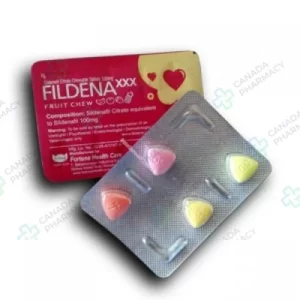
Fildena XXX
Price range: $ 48,00 through $ 137,00
Active substance: Sildenafil Citrate
More Details
This product has multiple variants. The options may be chosen on the product page

Finalo
Price range: $ 26,00 through $ 52,00
Active substance: Finasteride
More Details
This product has multiple variants. The options may be chosen on the product page

Finax
Price range: $ 51,00 through $ 273,00
Active substance: Finasteride
More Details
This product has multiple variants. The options may be chosen on the product page

Finrest
Price range: $ 38,00 through $ 109,00
Active substance: Finasteride
More Details
This product has multiple variants. The options may be chosen on the product page

ManForce
Price range: $ 55,00 through $ 255,00
Active substance: Sildenafil
More Details
This product has multiple variants. The options may be chosen on the product page