

-11%
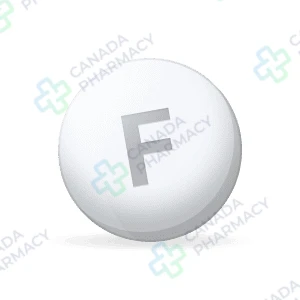
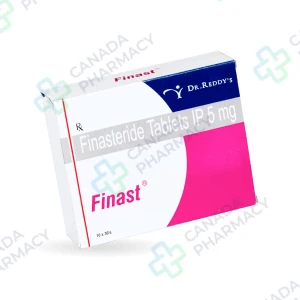
Finast
Price range: $ 78,00 through $ 540,00
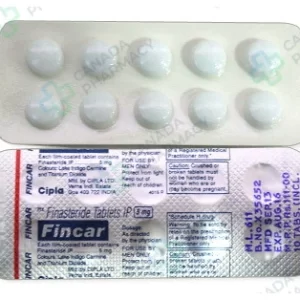
Fincar
Price range: $ 68,00 through $ 176,00
Finax
Price range: $ 51,00 through $ 273,00
Finax is a highly effective medication specifically designed to treat male pattern hair loss and thinning. It contains the active ingredient Finasteride, which works by targeting the underlying hormonal causes of androgenetic alopecia. By reducing the levels of dihydrotestosterone (DHT) in the scalp, the formula helps to slow down hair loss and stimulate natural regrowth. Regular daily use is intended to help men achieve a thicker, fuller, and healthier appearance of their hair over time. Finax provides a reliable solution for those looking to manage hair thinning and maintain their natural hairline effectively.
Active substance: Finasteride
Delivery: 5–21 days (depending on the shipping method)
Extra 10% discount with coupon: IT4K6SVM
Each dosage option has its own packaging choices.
Description
Finax belongs to a group of prescription medicines known as 5-alpha reductase inhibitors. The active ingredient in this formulation is finasteride, a synthetic compound that specifically targets enzymatic conversion pathways within hair follicles and prostate tissue.
Dispensed in accordance with applicable federal regulations, this oral medication requires a valid prescription from a licensed healthcare professional. Patients prescribed Finax must undergo proper clinical evaluation before starting therapy to ensure suitability and safety.
| Property | Details |
|---|---|
| Drug name | Finax |
| Active ingredient | Finasteride |
| Therapeutic class | 5-alpha reductase inhibitor |
| Dosage form | Oral tablet |
| Route of administration | Oral |
| Prescription status | Prescription (Rx) |
| Primary purpose | Management of androgenetic alopecia and benign prostatic hyperplasia |
Main uses
Finax is indicated primarily for the treatment of androgenetic alopecia (male pattern hair loss) in adult men to increase hair growth and prevent further hair loss. Depending on the specific strength prescribed by a practitioner, finasteride-containing medications are also indicated for the treatment of symptomatic benign prostatic hyperplasia (BPH) in men with an enlarged prostate. Finax is strictly indicated for male patients and is not approved for use in women or pediatric populations. Clinical efficacy relies on continuous daily administration, as cessation of treatment leads to a reversal of therapeutic effects within several months.
How the drug works
The primary mechanism of action of finasteride involves the competitive inhibition of Type II 5-alpha reductase, an intracellular enzyme responsible for converting testosterone into 5-alpha-dihydrotestosterone (DHT). Dihydrotestosterone is an androgenic hormone that plays a key role in the pathogenesis of androgenetic alopecia by binding to androgen receptors in hair follicles, leading to follicular miniaturization and progressive hair loss. By inhibiting Type II 5-alpha reductase, Finax significantly reduces circulating and tissue levels of DHT, thereby slowing hair follicle regression and encouraging hair stabilization or regrowth.
How it’s absorbed and eliminated
Following oral administration, finasteride is rapidly absorbed from the gastrointestinal tract, reaching peak plasma concentrations within 1 to 2 hours post-dose. The mean bioavailability of oral finasteride is approximately 63%, and its absorption is not significantly altered by the presence of food. Finasteride is approximately 90% bound to circulating plasma proteins and crosses the blood-brain barrier in minimal quantities. The drug is extensively metabolized in the liver via the cytochrome P450 3A4 (CYP3A4) enzyme system into inactive metabolites. These metabolites are eliminated through two main pathways: approximately 57% is excreted in the feces and roughly 39% is excreted in the urine. The mean plasma elimination half-life is approximately 6 hours in adult males, though it may extend slightly in elderly patients due to reduced clearance.
Dosing schedule
The standard dosage of finasteride for male pattern hair loss is 1 mg administered orally once daily, whereas a 5 mg daily dose is typically prescribed for benign prostatic hyperplasia. Finax tablets should be swallowed whole with fluid and may be taken with or without food. Consistency is critical for maintaining therapeutic plasma levels; missing doses or taking the medication irregularly reduces its efficacy. Clinical benefit generally requires daily administration for three to six months before visible improvements in hair density or prostate symptom reduction can be assessed. Dose adjustments are generally not required for patients with renal impairment, but caution is warranted in individuals with hepatic dysfunction.
Food and alcohol interactions
Finax can be taken without regard to meals, as food co-administration does not significantly alter the systemic bioavailability or peak plasma concentration of finasteride. There are no direct pharmacokinetic interactions documented between finasteride and moderate alcohol consumption. However, concurrent heavy alcohol use may independently affect liver function and metabolic enzyme activity, potentially impacting overall drug metabolism. Patients should maintain standard dietary habits while taking Finax and report any significant changes in hepatic health to their physician.
Signs of improvement
Evaluating the therapeutic effect of Finax requires time due to the natural hair growth cycle and slow physiological response of androgen-dependent tissues. Patients treating male pattern hair loss typically begin to notice a slowdown in daily hair shedding within 3 to 6 months of continuous daily use. Noticeable hair regrowth or increased hair density at the crown and anterior mid-scalp area usually becomes apparent after 6 to 12 months. If treatment is discontinued, the reduction in DHT levels ceases, and hair patterns revert to baseline within 9 to 12 months.
If you skip a dose
If a patient misses a scheduled dose of Finax, the missed tablet should be skipped, and the regular dosing routine resumed at the next scheduled time. Patients should not double the dose or take extra tablets to compensate for a missed administration. Taking extra medication does not enhance therapeutic efficacy and may increase the likelihood of experiencing undesirable side effects. Consistent daily administration remains the most reliable method to achieve and sustain intended therapeutic outcomes.
What side effects may occur
While Finax is generally tolerated, adverse reactions associated with 5-alpha reductase inhibition may occur. The most commonly reported clinical side effects involve the reproductive system and include decreased libido, erectile dysfunction, and ejaculation disorders (such as reduced ejaculate volume). Other adverse effects reported during clinical trials and post-marketing surveillance include breast tenderness, gynecomastia, hypersensitivity reactions (including rash, pruritus, hives, and swelling of the lips or face), and testicular pain. In some cases, sexual dysfunction side effects may persist after discontinuation of treatment. Patients should report any persistent or troubling adverse symptoms to their healthcare provider.
Important precautions
Finax is strictly contraindicated in women who are pregnant or may potentially become pregnant. Finasteride is a potent teratogen that can cause severe birth defects, specifically malformations of the external genitalia (hypospadias) in a male fetus. Pregnant women must not handle crushed or broken Finax tablets due to the risk of cutaneous absorption. Additionally, Finax lowers serum Prostate-Specific Antigen (PSA) levels by approximately 50% in men; healthcare providers must account for this baseline shift when screening for prostate cancer. Male patients experiencing depression, altered mood, or breast changes (such as lumps or discharge) should seek immediate medical evaluation.
Compatibility with other medicines
No clinically significant drug interactions have been identified in clinical studies evaluating finasteride co-administered with common medications such as antipyrine, digoxin, propranolol, theophylline, or warfarin. Finasteride is metabolized primarily by the cytochrome P450 CYP3A4 enzyme; therefore, potent CYP3A4 inhibitors (such as ketoconazole or erythromycin) or CYP3A4 inducers (such as rifampin) could theoretically alter plasma finasteride concentrations, though clinical impacts are usually minimal. Patients should inform their prescribing healthcare professional of all prescription drugs, over-the-counter products, and herbal supplements currently in use.
Storage and expiration
Finax tablets should be stored at controlled room temperature, ideally between 68°F and 77°F (20°C to 25°C), with brief excursions permitted between 59°F and 86°F (15°C to 30°C). The medication must be kept in its original container, protected from light and moisture, and kept out of reach of children and pets. Do not use Finax past the expiration date printed on the packaging. Unused or expired medications should be disposed of properly according to local pharmacy or municipal drug take-back programs.
Frequently asked questions
How long does it take to see results from Finax?
Therapeutic results are not immediate. Because the hair growth cycle progresses slowly, noticeable stabilization of hair loss typically requires 3 to 6 months of daily continuous use. Significant hair regrowth or density improvements generally require 6 to 12 months of consistent administration. If no improvement is observed after 12 months of treatment, further therapy is unlikely to be beneficial, and evaluation by a physician is recommended.
Can women take Finax for hair loss?
No. Finax is strictly contraindicated in women. Finasteride is not FDA-approved for female pattern hair loss. More importantly, exposure to finasteride during pregnancy presents severe teratogenic risks to a developing male fetus, potentially leading to abnormalities in genital development.
What happens if Finax treatment is stopped?
Discontinuing Finax leads to a gradual reversal of its pharmacological effects. Within 14 days of stopping treatment, DHT levels return to pre-treatment baselines. Over the course of 9 to 12 months following cessation, any hair gained or maintained as a result of the medication will progressively be lost, and pattern hair loss will resume its natural progression.
Does Finax affect blood tests for prostate screening?
Yes. Finax reduces serum Prostate-Specific Antigen (PSA) concentrations by approximately 50% in adult men. Physicians monitoring PSA levels for prostate cancer screening must double the measured PSA concentration in patients taking finasteride to accurately interpret results compared to normal clinical reference ranges.
Are sexual side effects permanent when taking Finax?
In the majority of patients who experience sexual adverse events (such as decreased libido or erectile dysfunction), symptoms resolve either during ongoing therapy or after stopping the medication. However, post-marketing reports indicate that in a small subset of individuals, sexual dysfunction has persisted after treatment discontinuation. Any patient experiencing persistent side effects should discuss them with their physician.
This text is for informational purposes only and does not constitute individual medical advice. In accordance with FDA requirements.
Additional information
| Dosage |
1 mg |
|---|---|
| Package |
60 pills ,90 pills ,120 pills ,180 pills ,270 pills ,360 pills |
| Ενεργός Ουσία |
Related products
Alprostadil
$ 450,00
Active substance: Alprostadil
More Details
This product has multiple variants. The options may be chosen on the product page
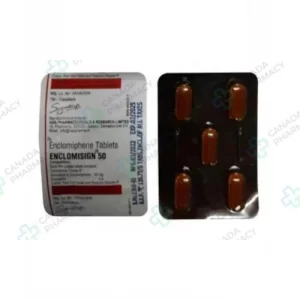
Androxal
Price range: $ 55,00 through $ 99,00
Active substance: Enclomiphene
More Details
This product has multiple variants. The options may be chosen on the product page
Betahistine
Price range: $ 41,00 through $ 311,00
Active substance: Betahistine
More Details
This product has multiple variants. The options may be chosen on the product page
Dutas
Price range: $ 57,00 through $ 464,00
Active substance: Dutasteride
More Details
This product has multiple variants. The options may be chosen on the product page
Finalo
Price range: $ 26,00 through $ 52,00
Active substance: Finasteride
More Details
This product has multiple variants. The options may be chosen on the product page
Finast
Price range: $ 78,00 through $ 540,00
Active substance: Finasteride
More Details
This product has multiple variants. The options may be chosen on the product page
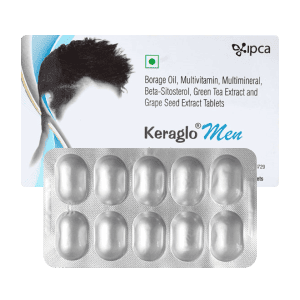
Keraglo Men
Price range: $ 23,00 through $ 83,00
More Details
This product has multiple variants. The options may be chosen on the product page
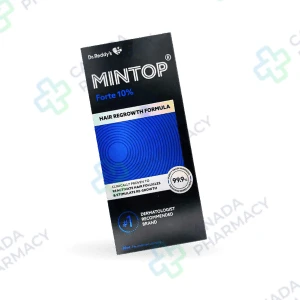
Mintop Solution
Price range: $ 9,00 through $ 213,00
Active substance: Minoxidil
More Details
This product has multiple variants. The options may be chosen on the product page