

-23%
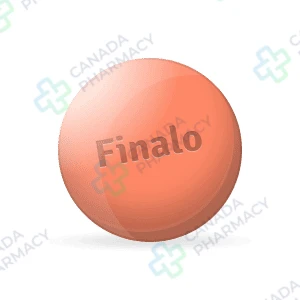
Finalo
Price range: $ 26,00 through $ 52,00
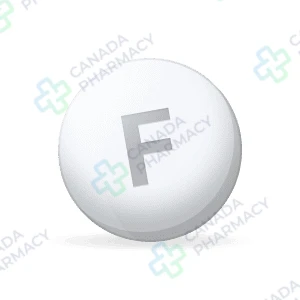
Finax
Price range: $ 51,00 through $ 273,00
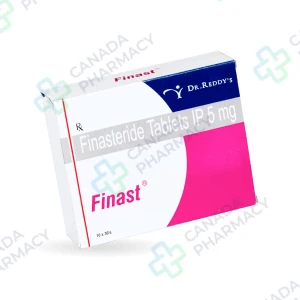
Finast
Price range: $ 78,00 through $ 540,00
Finast is an effective medication primarily used to manage the symptoms of benign prostatic hyperplasia (BPH) in men. This treatment helps reduce an enlarged prostate, leading to improved urinary flow and a decrease in associated discomfort. Additionally, Finast is widely utilized to treat male pattern hair loss by promoting regrowth and preventing further thinning on the scalp. The active ingredient works by lowering the levels of dihydrotestosterone (DHT), a hormone linked to both prostate enlargement and follicle shrinkage. Consistent use of this medication provides a reliable solution for men seeking to address these specific health and aesthetic concerns.
Active substance: Finasteride
Delivery: 5–21 days (depending on the shipping method)
Extra 10% discount with coupon: IT4K6SVM
Each dosage option has its own packaging choices.
Description
Finast contains finasteride, which belongs to a class of medications known as 5-alpha reductase inhibitors. It is prescribed in the United States under medical supervision to treat conditions influenced by androgenic hormones, primarily benign prostatic hyperplasia (BPH) at a 5 mg daily dose, and androgenetic alopecia (male pattern hair loss) at a 1 mg daily dose.
As a prescription-only drug regulated by the U.S. Food and Drug Administration (FDA), Finast requires a valid prescription from a licensed healthcare professional. Proper administration and clinical monitoring help ensure therapeutic effectiveness while minimizing potential risks.
Basic Information Overview
| Parameter | Details |
|---|---|
| Active Ingredient | Finasteride |
| Therapeutic Class | 5-Alpha Reductase Inhibitor |
| Dosage Form | Oral tablet (typically 1 mg or 5 mg) |
| Route of Administration | Oral |
| Prescription Status | Prescription only (Rx) |
| Primary Indications | Benign prostatic hyperplasia (BPH), androgenetic alopecia |
| Storage | Store at 68°F to 77°F (20°C to 25°C); protect from moisture |
Main Uses
Finast is primarily indicated for two distinct clinical conditions in adult males. The 5 mg formulation is FDA-approved for the treatment of symptomatic benign prostatic hyperplasia (BPH) in men with an enlarged prostate. In this capacity, it helps reduce the risk of acute urinary retention and decreases the likelihood of requiring prostate-related surgery. The 1 mg formulation is indicated for the treatment of male pattern hair loss (androgenetic alopecia) in men who present with vertex and anterior mid-scalp thinning.
Any use of Finast outside of these primary male-oriented conditions, such as for female androgenic alopecia or hirsutism, is considered off-label and must be carefully evaluated by a prescribing clinician due to significant safety risks in female populations.
How the Drug Works
The active ingredient in Finast, finasteride, functions as a competitive and specific inhibitor of Type II 5-alpha reductase. This intracellular enzyme is responsible for converting testosterone into dihydrotestosterone (DHT), a potent androgenic hormone present in high concentrations in the prostate gland, hair follicles, and liver.
By selectively blocking Type II 5-alpha reductase, Finast significantly decreases serum and tissue concentrations of DHT. In the prostate, reduced DHT levels cause a regression of prostate tissue volume, improving urinary flow rates and reducing BPH symptoms. In the scalp, lowering DHT levels prevents the progressive miniaturization of hair follicles, thereby slowing hair loss and encouraging hair regrowth in susceptible areas.
What Happens in the Body
Following oral administration, Finast is rapidly absorbed from the gastrointestinal tract, achieving peak plasma concentrations within 1 to 2 hours after ingestion. The bioavailability of finasteride is approximately 63% and is not significantly altered by food intake. Once absorbed, roughly 90% of the active substance binds to plasma proteins.
Finast is extensively metabolized in the liver, primarily by the cytochrome P450 enzyme system, specifically the CYP3A4 pathway. Two major inactive metabolites are formed. The mean terminal elimination half-life of finasteride ranges between 5 and 6 hours in younger adult males, while extending to approximately 8 hours in elderly individuals over 70 years of age. Metabolites are excreted via both feces (approximately 57%) and urine (approximately 39%).
Dosing Schedule
The standard dosage for benign prostatic hyperplasia is 5 mg administered orally once daily. For androgenetic alopecia, the recommended dose is 1 mg administered orally once daily. Tablets should be swallowed whole with a glass of water and may be taken with or without meals.
Consistency is critical when taking Finast. Discontinuation of treatment generally leads to a gradual reversal of therapeutic effects. For BPH, continuous therapy for at least six months may be necessary to assess whether a beneficial response has been achieved. For male pattern hair loss, daily use for three to six months is typically required before a noticeable stabilization of hair loss occurs.
What You May Notice Early On
When starting treatment with Finast, immediate results should not be expected. During the initial weeks of therapy for male pattern hair loss, some individuals may observe a transient increase in hair shedding. This temporary effect occurs as hair follicles transition from a resting phase to a active growth phase and generally resolves within a few weeks.
For individuals managing BPH, symptoms such as hesitancy, weak stream, or frequent urination usually improve gradually over several months. Clinical evaluation at 3 to 6 months helps the provider determine the extent of prostate tissue response.
Adverse Reactions
Finast is generally well-tolerated, but potential side effects may occur. The most common adverse reactions involve the reproductive system. These include decreased libido, erectile dysfunction, and reduced ejaculate volume. In clinical trials, these effects occurred in a small percentage of patients and sometimes resolved over time with continued therapy or reversed upon treatment cessation.
Less common side effects include breast tenderness, breast enlargement (gynecomastia), testicular pain, and hypersensitivity reactions such as skin rash, pruritus, or urticaria. Psychological symptoms, including depressed mood or anxiety, have also been reported in clinical post-marketing surveillance. Patients experiencing persistent mood alterations or physical changes should contact their doctor.
Compatibility With Other Medicines
Finast does not appear to significantly interact with the cytochrome P450 enzyme system in a manner that clinically alters the metabolism of other drugs. No clinically meaningful interactions have been identified in studies combining finasteride with common cardiovascular medications, beta-blockers, ACE inhibitors, or nonsteroidal anti-inflammatory drugs (NSAIDs).
However, because Finast is cleared via the CYP3A4 hepatic pathway, strong CYP3A4 inhibitors (such as ketoconazole or erythromycin) could theoretically increase finasteride plasma levels, though no dosage adjustment is formally required. Patients must provide their healthcare provider with a complete list of prescription drugs, over-the-counter medications, and dietary supplements currently being taken.
Important Precautions
Finast is strictly contraindicated in female patients who are or may become pregnant. Finasteride can cause severe fetal abnormalities, specifically male fetal genital malformation, due to its antiandrogenic action. Women who are pregnant or planning to become pregnant must avoid touching crushed or broken tablets.
Another major clinical precaution involves Prostate-Specific Antigen (PSA) laboratory testing. Treatment with Finast reduces serum PSA concentrations by approximately 50% in patients with BPH, even in the presence of prostate cancer. Healthcare providers must adjust baseline PSA values accordingly when evaluating screening results for prostate cancer risk.
Use in Specific Groups
Pregnancy and Lactation: Finast is strictly prohibited for use in pregnant or breastfeeding women. It is classified as contraindicated in pregnancy due to established teratogenic risks.
Pediatric Use: Safety and effectiveness of Finast in pediatric patients under 18 years of age have not been established. Use in children is not indicated.
Geriatric Patients: No specific dose adjustments are required for elderly patients, although clearance of finasteride is slightly decreased, extending elimination half-life slightly in individuals over 70 years of age.
Hepatic Impairment: Because finasteride is extensively metabolized by the liver, caution is advised when administering Finast to patients with impaired hepatic function.
If You Skip a Dose
If a dose of Finast is missed, it should be taken as soon as remembered on the same day. However, if it is almost time for the next scheduled dose, skip the missed dose and resume the regular daily schedule. Do not take double or extra doses to compensate for a missed tablet.
Day-to-Day Use
To establish routine compliance, take Finast at approximately the same time each day. Store the medication in its original container at controlled room temperature, away from excessive moisture, direct heat, and light. Ensure the bottle is kept out of reach of children and pets. Intact tablets are coated to prevent contact with the active ingredient during normal handling, but damaged or broken tablets should be handled with extreme care or disposed of safely according to local pharmacy guidelines.
When to Get Immediate Medical Attention
| Warning Sign | Action Required |
|---|---|
| Severe Allergic Reaction (Swelling of face, lips, tongue, or throat; severe rash; difficulty breathing) | Seek emergency medical services immediately. |
| Breast Changes (Lumps, pain, nipple discharge, or enlargement) | Contact your prescribing physician promptly for evaluation. |
| Severe Mood Changes (Persistent depression, self-harm thoughts) | Discontinue use and consult a physician or mental health professional right away. |
| Signs of Severe Hypersensitivity (Widespread skin peeling or blistering) | Seek immediate emergency care. |
Common Questions
Can Finast tablets be split or crushed for easier swallowing?
No, Finast tablets should be swallowed whole. Crushing or splitting tablets disrupts the protective coating, exposing the active drug. This poses a safety hazard, particularly to women of childbearing potential who might come into direct contact with the powder.
How long does it take for Finast to work for hair loss?
Daily administration of Finast for 1 mg hair loss therapy generally requires three to six months of uninterrupted use before visible results or stabilization of hair loss can be observed. Discontinuing treatment usually leads to a loss of therapeutic gains within 9 to 12 months.
Does Finast interfere with routine laboratory blood tests?
Finast specifically alters serum Prostate-Specific Antigen (PSA) levels, reducing baseline values by about 50%. You must inform your physician that you are taking Finast before undergoing any blood work related to prostate health screening.
Can alcohol be consumed while taking Finast?
There is no known direct interaction between alcohol and Finast that alters the efficacy of the medication. However, excessive alcohol intake can affect overall metabolic health and liver function, which is where finasteride is processed.
What should be done if a pregnant woman accidentally touches a broken tablet?
If a pregnant woman handles a broken or crushed Finast tablet, the contact area should be washed thoroughly with soap and water immediately. A healthcare provider should be contacted to discuss any potential risk factors based on the exposure.
In accordance with FDA requirements.
This text is for informational purposes only and does not constitute individual medical advice.
Additional information
| Dosage |
1mg ,5mg |
|---|---|
| Package |
30 pills ,60 pills ,90 pills ,120 pills ,180 pills ,270 pills |
| Ενεργός Ουσία |
Related products
Biotin VB7
Price range: $ 24,00 through $ 61,00
More Details
This product has multiple variants. The options may be chosen on the product page
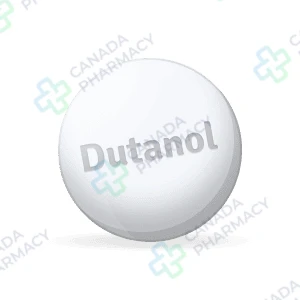
Dutanol
Price range: $ 40,00 through $ 556,00
Active substance: Dutasteride
More Details
This product has multiple variants. The options may be chosen on the product page
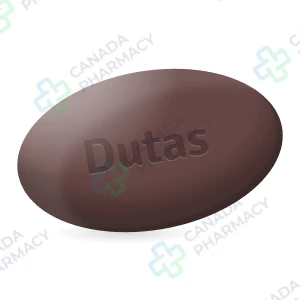
Dutas
Price range: $ 57,00 through $ 464,00
Active substance: Dutasteride
More Details
This product has multiple variants. The options may be chosen on the product page
Finax
Price range: $ 51,00 through $ 273,00
Active substance: Finasteride
More Details
This product has multiple variants. The options may be chosen on the product page
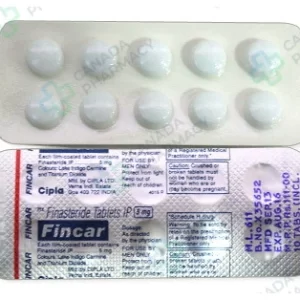
Fincar
Price range: $ 68,00 through $ 176,00
Active substance: Finasteride
More Details
This product has multiple variants. The options may be chosen on the product page
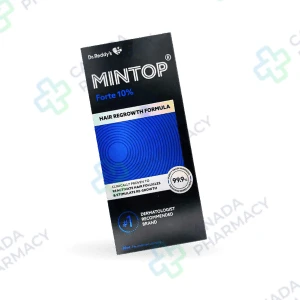
Mintop Solution
Price range: $ 9,00 through $ 213,00
Active substance: Minoxidil
More Details
This product has multiple variants. The options may be chosen on the product page
Proscalpin
Price range: $ 121,00 through $ 430,00
Active substance: Finasteride
More Details
This product has multiple variants. The options may be chosen on the product page
Proscare
Price range: $ 46,00 through $ 205,00
Active substance: Finasteride
More Details
This product has multiple variants. The options may be chosen on the product page