

-21%
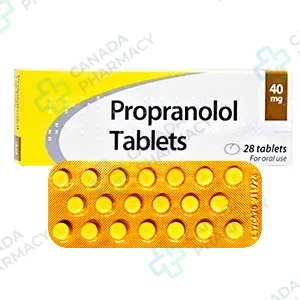
Propranolol
Price range: $ 40,00 through $ 155,00
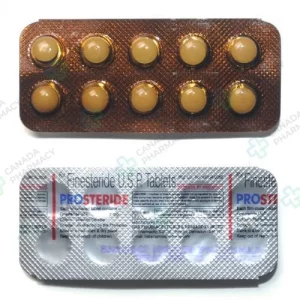
Proscar
Price range: $ 55,00 through $ 369,00
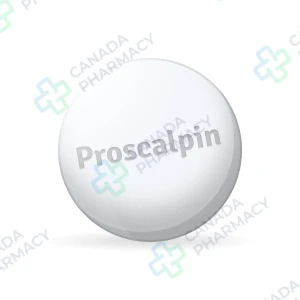
Proscalpin
Price range: $ 121,00 through $ 430,00
Proscalpin is a highly effective oral treatment specifically designed to combat male pattern hair loss and promote healthy regrowth. Each tablet contains 1mg of Finasteride, which works by reducing levels of DHT, the hormone primarily responsible for shrinking hair follicles. This medication is specifically indicated for men experiencing androgenetic alopecia, particularly thinning at the crown and the middle of the scalp. Regular use of Proscalpin helps to significantly slow down further hair loss while encouraging the development of thicker, stronger strands. By targeting the underlying cause of hereditary thinning, this treatment provides a reliable solution for achieving a fuller and more youthful appearance.
Active substance: Finasteride
Delivery: 5–21 days (depending on the shipping method)
Extra 10% discount with coupon: IT4K6SVM
Each dosage option has its own packaging choices.
Description
Proscalpin belongs to a class of pharmacological agents known as 5-alpha reductase inhibitors, specifically targeting the enzymatic conversion of systemic androgenic hormones. It contains finasteride as its active ingredient and is formulated to address male pattern hair loss (androgenetic alopecia) under medical supervision. As a prescription-only therapy regulated by the FDA, this medication requires a formal medical evaluation and diagnosis by a licensed healthcare provider prior to initiation.
This clinical guide provides an objective overview of the pharmacological properties, safety considerations, administration protocols, and operational precautions for patients prescribed Proscalpin in the United States.
| Active ingredient | Finasteride (1 mg) |
| Therapeutic class | 5-alpha reductase inhibitor |
| Dosage form | Oral tablet |
| Route of administration | Oral |
| Primary purpose | Treatment of male pattern hair loss (androgenetic alopecia) |
| Prescription status | Prescription (Rx) |
| Storage | 68°F to 77°F (20°C to 25°C) |
Main uses
Proscalpin is indicated for the treatment of male pattern hair loss, clinically referred to as androgenetic alopecia, in adult men. This condition is characterized by progressive thinning of the scalp hair, primarily affecting the vertex and anterior mid-scalp regions. The clinical efficacy of finasteride in treating androgenetic alopecia has been demonstrated in clinical trials involving men aged 18 to 41 with mild to moderate hair loss. Proscalpin is not indicated for use in women or pediatric patients. Any use of finasteride for female pattern hair loss or androgen-related acne is considered off-label and carries significant safety warnings, particularly regarding severe risk of fetal harm during pregnancy.
Mechanism of action
The therapeutic activity of Proscalpin relies on the specific inhibition of Type II 5-alpha reductase, an intracellular enzyme responsible for metabolizing testosterone into dihydrotestosterone (DHT). Dihydrotestosterone is the primary androgenic driver of hair follicle miniaturization in genetically susceptible scalp tissue. By selectively binding to and inhibiting Type II 5-alpha reductase, finasteride significantly reduces serum and scalp concentrations of DHT by approximately 60% to 70%. This reduction halts the progressive shortening of the hair growth cycle (anagen phase) and encourages the stabilization and potential reversal of follicular miniaturization over extended treatment periods.
How the body processes the medication
Following oral administration, finasteride is rapidly absorbed through the gastrointestinal tract. The mean bioavailability of finasteride tablets is approximately 65% relative to an intravenous reference dose, and peak plasma concentrations are reached within 1 to 2 hours post-dose. Food intake does not exert a clinically significant effect on systemic absorption. Finasteride is extensively bound to plasma proteins (approximately 90%) and possesses a mean volume of distribution of approximately 76 liters. Metabolized primarily via the hepatic cytochrome P450 3A4 (CYP3A4) enzyme pathway, its metabolites are excreted through both feces (approximately 57%) and urine (approximately 39%). The mean terminal elimination half-life ranges from 5 to 6 hours in adult males, though tissue binding of the enzyme-inhibitor complex produces a longer pharmacodynamic effect.
Dosing schedule and administration
The standard dosage of Proscalpin for androgenetic alopecia is one 1 mg tablet administered orally once daily. Tablets should be swallowed whole with a glass of water and may be taken with or without food. Increasing the daily dosage beyond 1 mg does not yield enhanced therapeutic efficacy or accelerate hair growth, but it may increase the incidence of dose-dependent adverse reactions. Consistent daily administration is necessary to maintain continuous inhibition of Type II 5-alpha reductase. If therapy is discontinued, systemic DHT levels return to baseline within several weeks, and any hair growth gains are typically lost within 12 months.
First days of treatment and onset of effect
Patients initiating Proscalpin therapy should understand that physiological changes in hair follicles occur gradually. During the initial weeks of treatment, systemic DHT levels drop rapidly, but visible changes in hair density require prolonged administration. Daily use for three to six months is generally necessary before a clinical reduction in hair shedding or initial regrowth can be observed. Maximum therapeutic outcomes are typically evaluated after 12 months of continuous daily use. Some individuals may experience a temporary increase in hair shedding during the first few weeks, which reflects the resetting of hair follicle growth cycles.
Adverse reactions and side effects
Proscalpin is generally well tolerated, but adverse reactions may occur in a subset of patients. Clinical trial data indicate that sexual side effects are the most commonly reported events, including erectile dysfunction, decreased libido, and ejaculation disorders (such as reduced ejaculate volume). These events occurred in approximately 1% to 2% of treated men during clinical trials. Additional adverse reactions include breast tenderness, gynecomastia (breast tissue enlargement), hypersensitivity reactions (such as skin rash, pruritus, or swelling), testicular pain, and depressive symptoms. Patients should report any persistent or worsening adverse reactions to their prescribing healthcare provider.
Compatibility with other medicines
Formal clinical drug interaction studies have evaluated finasteride with a range of therapeutic compounds. No clinically significant pharmacokinetic interactions have been identified when finasteride is co-administered with antipyrine, digoxin, propranolol, theophylline, or warfarin. Although finasteride is metabolized by the hepatic CYP3A4 enzyme system, potent inhibitors or inducers of CYP3A4 generally do not alter systemic finasteride exposures to a degree that requires dosage adjustment. However, patients should inform their healthcare provider of all prescription medications, over-the-counter drugs, and herbal supplements currently being taken to ensure comprehensive therapeutic safety.
Food and alcohol considerations
Proscalpin may be taken without regard to meals, as food co-administration does not meaningfully alter the rate or extent of finasteride absorption. There are no direct pharmacological interactions between finasteride and moderate alcohol consumption. However, both heavy alcohol consumption and continuous systemic hormone modulation can independently influence hepatic metabolic function. Patients undergoing treatment are advised to maintain balanced nutritional habits and moderate alcohol intake to support overall health during long-term therapy.
Important Precautions and Clinical Safety
Proscalpin carries critical regulatory warnings regarding handling and exposure. Women who are pregnant or may become pregnant must not touch crushed or broken finasteride tablets. Due to its mechanism of 5-alpha reductase inhibition, finasteride can cause serious abnormalities in the external genitalia of a male fetus. Whole tablets are film-coated to prevent contact with the active ingredient during routine handling, provided they remain intact and undamaged.
Additionally, finasteride causes a reduction in serum Prostate-Specific Antigen (PSA) levels by approximately 50% in adult men. Prescribers must take this decrease into account when evaluating PSA screening results for prostate cancer detection; doubling the measured PSA concentration is typically required for accurate baseline comparison in men taking 1 mg finasteride daily. Patients with pre-existing hepatic impairment should exercise caution, as finasteride undergoes extensive hepatic metabolism.
If you skip a dose
If a daily dose of Proscalpin is missed, the patient should skip the missed tablet and resume the regular dosing schedule the following day. Double doses should never be taken to compensate for a missed tablet. Taking extra tablets does not enhance therapeutic efficacy and may elevate the risk of unwanted systemic side effects. Adherence to a consistent daily routine helps maintain stable plasma drug concentrations and optimizes treatment outcomes.
Storage and expiration
Proscalpin tablets should be stored at controlled room temperature between 68°F and 77°F (20°C to 25°C), with permitted excursions allowed between 59°F and 86°F (15°C to 30°C). Keep the medication in its original container, tightly closed, and protected from excessive moisture, heat, and direct light. Ensure that the container is stored out of the reach and sight of children and pets. Do not use tablets past the expiration date printed on the packaging, and dispose of expired medication according to local pharmacy guidelines.
Frequently Asked Questions
How long must Proscalpin be taken to retain hair growth benefits?
Proscalpin requires long-term continuous use to sustain hair growth improvements. Because finasteride manages hair follicle miniaturization rather than permanently curing androgenetic alopecia, discontinuing the medication results in a gradual reversal of therapeutic effects within 12 months, returning the scalp to its pre-treatment trajectory.
Can Proscalpin affect laboratory screening for prostate health?
Yes. Finasteride reduces serum Prostate-Specific Antigen (PSA) levels by approximately 50%. Patients must notify their physicians of Proscalpin use prior to undergoing prostate cancer screening so that PSA values can be correctly interpreted by doubling the test result.
What should be done if a female family member accidentally touches a broken tablet?
If a woman who is pregnant or of childbearing potential comes into contact with crushed or broken Proscalpin tablets, the exposed skin area should be washed immediately with soap and warm water. A healthcare professional should be contacted promptly for further clinical evaluation and guidance.
Is blood donation permitted while taking Proscalpin?
No. Men taking finasteride should not donate blood during therapy and for at least one month (30 days) after receiving their final dose. This precaution prevents potential transfusion of finasteride-containing blood to pregnant female recipients.
Does Proscalpin cause permanent sexual side effects?
In clinical trials, sexual adverse events typically resolved after treatment discontinuation or over time during continued therapy. However, post-marketing reports indicate that in rare cases, sexual dysfunction (such as erectile dysfunction or decreased libido) persisted after stopping finasteride. Any concerns should be discussed thoroughly with a healthcare provider.
In accordance with FDA regulatory guidelines for prescription medication communications.
This text is for informational purposes only and does not constitute individual medical advice.
Additional information
| Dosage |
1mg |
|---|---|
| Package |
60 pills ,90 pills ,120 pills ,180 pills ,270 pills |
| Ενεργός Ουσία |
Related products
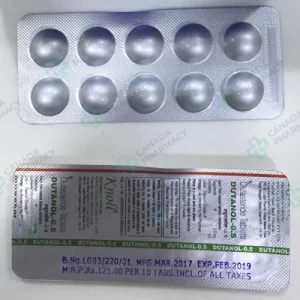
Avodart
Price range: $ 40,00 through $ 556,00
Active substance: Dutasteride
More Details
This product has multiple variants. The options may be chosen on the product page
Biotin VB7
Price range: $ 24,00 through $ 61,00
More Details
This product has multiple variants. The options may be chosen on the product page
Dutanol
Price range: $ 40,00 through $ 556,00
Active substance: Dutasteride
More Details
This product has multiple variants. The options may be chosen on the product page

Hair Loss Cream
Price range: $ 94,00 through $ 171,00
Active substance: Herbal
More Details
This product has multiple variants. The options may be chosen on the product page
Proscare
Price range: $ 46,00 through $ 205,00
Active substance: Finasteride
More Details
This product has multiple variants. The options may be chosen on the product page
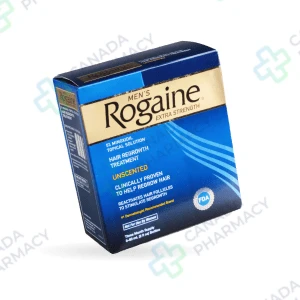
Rogaine 2
Price range: $ 51,00 through $ 217,00
Active substance: Minoxidil
More Details
This product has multiple variants. The options may be chosen on the product page
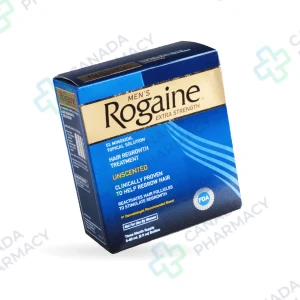
Rogaine 5
Price range: $ 47,00 through $ 315,00
Active substance: Minoxidil
More Details
This product has multiple variants. The options may be chosen on the product page

Tugain Gel
Price range: $ 27,00 through $ 91,00
Active substance: Minoxidil
More Details
This product has multiple variants. The options may be chosen on the product page