

-92%
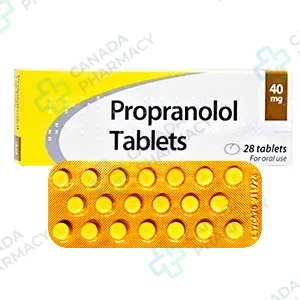
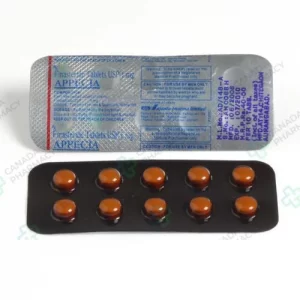
Propecia
Price range: $ 40,00 through $ 215,00
Proscalpin
Price range: $ 121,00 through $ 430,00
Propranolol
Price range: $ 40,00 through $ 155,00
Propranolol is a versatile beta-blocker medication primarily used to manage various cardiovascular conditions and improve overall heart function. It is effectively utilized to treat hypertension, helping to maintain healthy blood pressure levels and reduce the strain on the circulatory system. In addition to blood pressure management, it is commonly indicated for the treatment of angina pectoris and the regulation of certain heart rhythm disorders. This medication also serves as a reliable option for the prevention of chronic migraine headaches and the reduction of essential tremors. By relaxing blood vessels and slowing the heart rate, Propranolol helps promote a more stable and balanced physiological state.
Active substance: Propranolol
Delivery: 5–21 days (depending on the shipping method)
Extra 10% discount with coupon: IT4K6SVM
Each dosage option has its own packaging choices.
Description
Propranolol belongs to a class of medications known as non-selective beta-adrenergic receptor blockers. It exerts its primary therapeutic effects by competitively blocking beta-1 and beta-2 adrenergic receptors throughout the cardiovascular and autonomic nervous systems.
As a prescription-only medication regulated by the US Food and Drug Administration (FDA), propranolol is prescribed for various cardiovascular and neurological conditions. Treatment must be initiated and monitored under the direct supervision of a licensed healthcare provider in accordance with federal and state regulations.
| Parameter | Details |
|---|---|
| Active Ingredient | Propranolol hydrochloride |
| Therapeutic Class | Non-selective beta-adrenergic blocker |
| Dosage Forms | Oral tablets, extended-release capsules, oral solution |
| Route of Administration | Oral |
| Prescription Status | Prescription only (Rx) |
| Primary Purpose | Management of hypertension, angina, arrhythmias, and migraine prophylaxis |
How the Drug Works
Propranolol acts as a non-selective antagonist at both beta-1 and beta-2 adrenergic receptor sites. By occupying beta-1 receptors primarily located in cardiac tissue, the drug reduces heart rate, myocardial contractility, and cardiac output. This decrease in cardiac workload leads to a lowering of systemic blood pressure and reduced myocardial oxygen demand.
Simultaneously, antagonism of beta-2 receptors in vascular smooth muscle and bronchial tissue can lead to increased peripheral vascular resistance initially and bronchoconstriction in susceptible individuals. Propranolol also inhibits the release of renin from the renal juxtaglomerular apparatus, further contributing to its long-term blood pressure-lowering effect.
What Happens in the Body
Propranolol is rapidly and almost completely absorbed from the gastrointestinal tract following oral administration. However, it undergoes extensive first-pass hepatic metabolism, resulting in a systemic bioavailability of approximately 25%. Peak plasma concentrations are generally reached within 1 to 4 hours after administration of immediate-release oral formulations, whereas extended-release formulations reach peak levels later and maintain steadier plasma concentrations over a 24-hour period.
The drug is highly lipophilic, allowing it to distribute widely into body tissues, including the central nervous system by crossing the blood-brain barrier. Propranolol is bound extensively to plasma proteins, primarily alpha-1-acid glycoprotein (approximately 90%). It is metabolized in the liver via cytochrome P450 pathways, mainly involving CYP2D6 and CYP1A2 enzymes. The active metabolite, 4-hydroxypropranolol, exhibits beta-blocking activity. The elimination half-life of immediate-release propranolol ranges from 3 to 6 hours. Metabolites are excreted almost entirely through the urine.
Main Uses
Propranolol is FDA-approved for several clinical indications. In cardiovascular medicine, it is indicated for the management of hypertension, long-term management of angina pectoris, control of cardiac arrhythmias (such as atrial fibrillation and supraventricular tachycardia), reduction of cardiovascular mortality following myocardial infarction, and management of hypertrophic subaortic stenosis.
In neurological and endocrine conditions, propranolol is approved for migraine headache prophylaxis, management of essential tremor, and as an adjunct therapy in the control of symptoms associated with pheochromocytoma prior to surgery. Clinicians may also prescribe propranolol for off-label indications, such as performance anxiety or situational stress response management; however, these off-label uses fall outside the specific scope of official FDA-approved labeling and must be evaluated on an individual patient basis by a physician.
Dosing Schedule
The dosage of propranolol must be individualized based on the clinical diagnosis, severity of the condition, and individual patient therapeutic response. Treatment typically starts at low doses and is gradually titrated upward by the prescribing clinician.
- Hypertension: Initial adult therapy for immediate-release formulations often starts at 40 mg twice daily, adjusted as needed to achieve blood pressure targets.
- Angina Pectoris: Daily dosages generally range from 80 mg to 320 mg divided into two to four doses.
- Migraine Prophylaxis: The initial recommended dose is typically 80 mg daily in divided doses, titrated up to an effective maintenance range.
Extended-release capsules are administered once daily and must be swallowed whole without chewing, crushing, or dividing. Patients must adhere strictly to the schedule prescribed by their healthcare provider. Sudden cessation of propranolol therapy must be avoided, as abrupt withdrawal can precipitate severe rebound hypertension, angina exacerbation, or cardiac events.
First Days of Treatment
During the initial days of taking propranolol, patients may notice physiological changes as the cardiovascular system responds to reduced adrenergic stimulation. A decreased resting pulse rate is expected. Mild fatigue, drowsiness, and temporary cold sensations in the extremities (fingers and toes) are common early responses.
Patients rising from a lying or sitting position should do so slowly during the first few days of therapy to minimize postural dizziness. Heart rate and blood pressure are frequently monitored by healthcare providers during treatment initiation to ensure dosing is appropriate and tolerated.
Adverse Reactions
Adverse reactions to propranolol vary in severity and frequency among individuals. The pharmacological profile of non-selective beta-blockade accounts for most observed side effects.
- Cardiovascular: Bradycardia (abnormally slow heart rate), hypotension, cold extremities, Raynaud’s phenomenon, and intensification of AV block.
- Central Nervous System: Fatigue, lightheadedness, insomnia, vivid dreams, nightmares, and mild depressive symptoms.
- Gastrointestinal: Nausea, vomiting, abdominal discomfort, diarrhea, or constipation.
- Respiratory: Bronchospasm or dyspnea, particularly in patients with underlying reactive airway disease.
Uncommon but serious reactions include severe bradycardia, exacerbation of pre-existing heart failure, and hypersensitivity reactions. Patients should report persistent or worsening adverse reactions to their prescribing physician.
What Not to Combine
Propranolol has significant potential for drug-drug interactions that can modify therapeutic efficacy or increase the risk of adverse events.
- Calcium Channel Blockers: Co-administration with verapamil or diltiazem increases the risk of severe bradycardia, heart block, and cardiac depression.
- Anti-arrhythmic Agents: Drugs such as amiodarone or quinidine can potentiate conduction abnormalities and negative inotropic effects.
- CYP2D6 and CYP1A2 Inhibitors: Medications like fluoxetine, paroxetine, or cimetidine can decrease propranolol clearance, leading to elevated plasma concentrations.
- Antidiabetic Agents: Propranolol can prolong hypoglycemia and mask warning signs such as tachycardia, requiring careful glucose monitoring in diabetic individuals.
- NSAIDs: Nonsteroidal anti-inflammatory drugs like ibuprofen may reduce the antihypertensive effect of beta-blockers.
What to Avoid While Taking It
Patients receiving propranolol therapy should exercise caution regarding dietary intake and lifestyle choices. Alcohol consumption should be limited or avoided, as ethanol can compound the hypotensive effects of propranolol, worsening dizziness and impaired coordination.
Consistency with respect to food intake is advised. Administering immediate-release propranolol with meals can increase systemic bioavailability compared to administration in a fasted state; maintaining a consistent pattern regarding meals helps maintain predictable drug exposure. Strenuous physical exertion should only be undertaken following medical advice, particularly in patients with diagnosed ischemic heart disease.
Important Precautions
Propranolol carries important warnings and precautions regarding safe use. A prominent clinical warning involves the risk of abrupt withdrawal: stopping beta-blocker therapy suddenly can lead to severe angina, arterial hypertension, or myocardial infarction. Dosage reduction must occur progressively under medical guidance.
Propranolol is contraindicated in patients with bronchial asthma or severe chronic obstructive pulmonary disease (COPD), severe sinus bradycardia, second- or third-degree heart block (without a pacemaker), cardiogenic shock, and overt heart failure. Patients with diabetes mellitus must be warned that propranolol may mask autonomic symptoms of acute hypoglycemia, such as tachycardia and tremor, though sweating is typically not suppressed. Caution is also required in individuals with peripheral vascular disease or hepatic impairment.
Pregnancy, Breastfeeding, and Other Groups
Use of propranolol during pregnancy requires careful risk-benefit evaluation by a physician. Beta-blockers can decrease placental perfusion, which may result in intrauterine growth restriction, fetal bradycardia, or neonatal hypoglycemia. Neonates born to mothers taking propranolol at delivery should be monitored for signs of beta-blockade.
Propranolol is excreted into human breast milk in small amounts. Nursing infants should be observed for potential signs of beta-blockade, such as bradycardia or lethargy. In pediatric populations, dosage is strictly calculated based on body weight or surface area, and administration requires specialized formulations and monitoring. Elderly patients often demonstrate lower clearance rates and may require lower initial starting doses and cautious titration.
When to Get Emergency Care
Immediate emergency medical assistance should be sought if a patient experiences signs of severe toxicity or adverse reactions while taking propranolol.
- Severe difficulty breathing, wheezing, or sudden onset of asthma symptoms.
- Swelling of the face, lips, tongue, throat, or difficulty swallowing (signs of anaphylaxis).
- Significant bradycardia (extremely slow heart rate) accompanied by severe dizziness, confusion, or syncope (fainting).
- Sudden onset of chest pain, rapid weight gain, or worsening swelling in the lower extremities (signs of acute heart failure).
- Blue or pale discoloration of fingers or toes accompanied by severe numbness.
Common Questions
What should be done if a scheduled dose of propranolol is missed?
If a dose is missed, it should be taken as soon as remembered, provided it is not close to the time for the next scheduled dose. If the next dose is due shortly, the missed dose should be skipped and the regular schedule resumed. Doses must never be doubled to make up for a missed tablet.
Can propranolol affect the ability to drive or operate machinery?
Yes. Propranolol can cause dizziness, lightheadedness, and fatigue, especially when initiating treatment or during dose increases. Patients should evaluate how the medication affects them individually before driving, operating heavy machinery, or performing tasks requiring full alertness.
Why is it dangerous to stop taking propranolol abruptly?
Sudden discontinuation of propranolol can cause a rapid rebound increase in sympathetic nervous system activity. This can lead to severe spikes in blood pressure, exacerbation of angina symptoms, cardiac arrhythmias, or an increased risk of myocardial infarction. Dosage tapering under medical direction is necessary.
Does propranolol obscure symptoms of low blood sugar in diabetic patients?
Propranolol can mask key warning symptoms of hypoglycemia, such as tachycardia (fast heart rate), palpitations, and tremors. Diaphoresis (sweating) is typically not masked. Diabetic patients taking propranolol must rely on regular blood glucose monitoring to detect low blood sugar levels safely.
Is feeling cold in the hands and feet a common response to propranolol?
Yes. By blocking beta-2 receptors in vascular smooth muscle, propranolol can decrease peripheral blood circulation, leading to cold hands and feet. Patients experiencing severe pain, skin color changes, or numbness in their extremities should report these symptoms to their physician.
Information on this page is for reference and does not replace an assessment by a licensed healthcare professional. In accordance with US FDA requirements.
Additional information
| Dosage |
40mg ,80mg |
|---|---|
| Package |
10 pills ,20 pills ,30 pills ,60 pills ,90 pills ,120 pills ,180 pills ,270 pills ,360 pills |
| Ενεργός Ουσία |
Related products
Accupril
Price range: $ 68,00 through $ 256,00
Active substance: Hypertension
More Details
This product has multiple variants. The options may be chosen on the product page
Aspirin
Price range: $ 8,00 through $ 118,00
Active substance: Acetylsalicylic acid
More Details
This product has multiple variants. The options may be chosen on the product page
Bystolic
Price range: $ 38,00 through $ 275,00
Active substance: Nebivolol
More Details
This product has multiple variants. The options may be chosen on the product page
Calan
Price range: $ 46,00 through $ 242,00
Active substance: Verapamil
More Details
This product has multiple variants. The options may be chosen on the product page

Calcium Carbonate
Price range: $ 41,00 through $ 535,00
Active substance: Calcium Carbonate
More Details
This product has multiple variants. The options may be chosen on the product page
Coversyl
Price range: $ 40,00 through $ 540,00
Active substance: perindopril arginine
More Details
This product has multiple variants. The options may be chosen on the product page
Digoxin
Price range: $ 48,00 through $ 152,00
Active substance: digoxin
More Details
This product has multiple variants. The options may be chosen on the product page
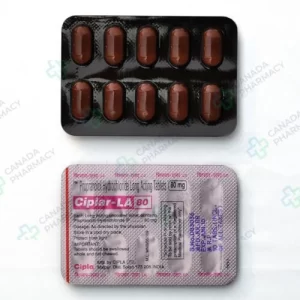
Inderal LA
$ 42,00
Active substance: Propranolol
More Details
This product has multiple variants. The options may be chosen on the product page