

-40%
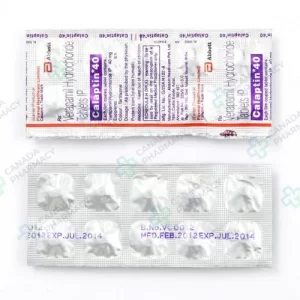
Calan
Price range: $ 46,00 through $ 242,00
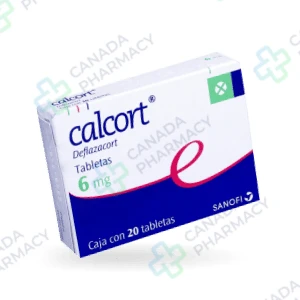
Calcort
Price range: $ 54,00 through $ 430,00
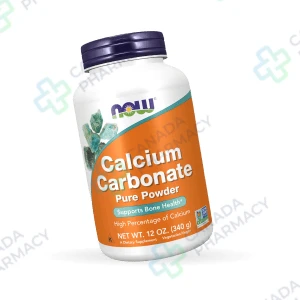
Calcium Carbonate
Price range: $ 41,00 through $ 535,00
Calcium Carbonate is a versatile mineral supplement primarily used to support bone health and maintain strong teeth. It serves as an effective antacid, providing rapid relief from occasional heartburn, acid indigestion, and sour stomach. This supplement helps prevent and treat calcium deficiencies, ensuring the body has the essential nutrients needed for proper nerve and muscle function. By neutralizing excess stomach acid, it helps restore comfort after meals and promotes overall digestive wellness. Available in various convenient forms, Calcium Carbonate is a reliable choice for daily nutritional support and symptomatic relief.
Active substance: Calcium Carbonate
Delivery: 5–21 days (depending on the shipping method)
Extra 10% discount with coupon: IT4K6SVM
Each dosage option has its own packaging choices.
Description
Wondering how calcium carbonate fits into your daily wellness routine or digestive health regimen? Calcium carbonate is a widely utilized dietary supplement and antacid designed to support strong bones and neutralize excess stomach acid efficiently.
Available over the counter in various strengths and oral dosage forms, it offers an accessible source of elemental calcium for adults and children seeking heartburn relief or nutritional supplementation. Understanding how to take this compound safely ensures you achieve optimal health benefits while protecting your digestive system.
| Attribute | Details |
|---|---|
| Active ingredient | Calcium carbonate |
| Therapeutic class | Antacid / Calcium supplement |
| Dosage form | Chewable tablets, oral suspension, soft chews, caplets |
| Route of administration | Oral |
| Primary purpose | Relief of heartburn, acid indigestion, and dietary calcium supplementation |
| Main side effect | Constipation, flatulence, abdominal bloating |
| Storage | Store at room temperature 68°F to 77°F (20°C to 25°C) away from moisture |
Product Guidelines and Usage Information
How the drug works
When you take calcium carbonate for digestive discomfort, it works through a rapid chemical reaction in your stomach. The compound reacts directly with gastric acid to form calcium chloride, carbon dioxide, and water. This reaction increases the pH level of your gastric secretions, providing fast relief from acid indigestion and heartburn. When consumed as a dietary supplement, calcium carbonate acts as a mineral donor. Calcium carbonate contains approximately 40% elemental calcium by weight–the highest concentration among common calcium salts. Once dissolved by stomach acid, the liberated calcium ions travel to the small intestine, where they are actively transported into your bloodstream to support bone structure, nerve transmission, muscle contraction, and blood clotting systems.
Main uses
Calcium carbonate serves two distinct primary health functions. First, it is an effective fast-acting antacid for the symptomatic relief of heartburn, acid indigestion, sour stomach, and upset stomach associated with these conditions. Second, it is widely recommended as an oral dietary supplement to prevent or treat calcium deficiency in individuals who do not get enough mineral content from their diet. Healthcare providers often recommend calcium supplements for postmenopausal women, elderly patients, and individuals taking long-term medications that reduce bone density. Additionally, healthcare providers sometimes utilize calcium carbonate as a phosphate binder in patients with chronic renal disease; however, using this medication for hyperphosphatemia is considered an off-label clinical application that requires direct medical supervision and regular lab monitoring.
How to take it
Taking calcium carbonate correctly depends on your specific health goals. For heartburn relief, chewable tablets or oral suspensions are typically taken at the onset of symptoms or as directed by your healthcare provider. Always chew chewable tablets thoroughly before swallowing, and drink a full glass of water afterward. When using calcium carbonate as a daily calcium supplement, it is best to take it with meals. Stomach acid produced during digestion significantly enhances the dissolution and intestinal absorption of calcium carbonate. To maximize absorption, split daily doses exceeding 500 mg of elemental calcium into two smaller doses taken at different meals throughout the day. Do not exceed the maximum daily dosage listed on the package label unless explicitly instructed by a physician.
What happens in the body
After oral administration, calcium carbonate enters the gastric environment where stomach acid converts it into soluble calcium salts. The bioavailability of calcium from calcium carbonate depends heavily on gastric acidity; taking it with food maximizes absorption efficiency to roughly 25% to 35%. Once absorbed in the duodenum and proximal jejunum, calcium enters systemic circulation, where its concentration is tightly regulated by parathyroid hormone, calcitonin, and vitamin D. Excess unabsorbed calcium passes through the gastrointestinal tract and is eliminated primarily in the feces. A smaller portion of absorbed calcium is excreted through the kidneys into urine, as well as through sweat. In individuals with healthy kidney function, excess systemic calcium is safely cleared to maintain precise serum mineral levels.
Compatibility with other medicines
Calcium carbonate can bind to several prescription medications in the digestive tract, significantly reducing their absorption and effectiveness. You should separate calcium carbonate from oral fluoroquinolone and tetracycline antibiotics by at least 2 to 4 hours. Calcium also decreases the absorption of thyroid hormones, such as levothyroxine; separate these products by at least 4 hours. Bisphosphonates used for bone loss, iron supplements, and sodium polystyrene sulfonate can also interact with calcium products. Additionally, combining calcium carbonate with thiazide diuretics increases the risk of high blood calcium levels (hypercalcemia) and kidney complications. Always share a complete list of your prescription drugs, over-the-counter remedies, and vitamins with your pharmacist or doctor to prevent unwanted interactions.
What side effects may occur
While calcium carbonate is generally well-tolerated when used as directed, mild gastrointestinal side effects can occur. The most common issues include constipation, flatulence, gas, belching, and mild abdominal discomfort. The release of carbon dioxide during acid neutralization is the primary cause of stomach gas and belching. Higher doses or prolonged daily use can increase the risk of hypercalcemia, characterized by symptoms such as nausea, vomiting, loss of appetite, increased thirst, frequent urination, confusion, and unusual muscle weakness. If you notice persistent constipation, severe stomach pain, or signs of elevated calcium levels, discontinue use and consult a healthcare professional promptly for evaluation.
Before you take it
Before starting calcium carbonate, review your personal medical history carefully. Do not take calcium carbonate if you currently have hypercalcemia (high blood calcium) or hypercalciuria (excess calcium in the urine). Individuals with a history of kidney stones (nephrolithiasis), chronic kidney disease, sarcoidosis, or parathyroid gland disorders must consult a physician before using calcium supplements or high-dose antacids. If you are pregnant or breastfeeding, calcium needs change, and dosing should be discussed with an obstetrician. Children under 12 years of age should only use antacid products under the direction of a pediatrician. Always keep medications out of the reach of children to prevent accidental overdose.
What to avoid while taking it
Certain dietary choices and lifestyle habits can affect how your body processes calcium carbonate. Avoid taking calcium carbonate alongside meals very high in oxalic acid (found in spinach and rhubarb) or phytic acid (found in whole grains and wheat bran), as these compounds can bind calcium and reduce its bioavailability. Limit excessive alcohol consumption and heavy caffeine intake, as both can decrease calcium absorption and impair bone retention over time. Furthermore, avoid consuming large amounts of dairy products (such as milk or cream) simultaneously with high daily doses of calcium carbonate, as this combination can lead to milk-alkali syndrome, a condition causing high blood pH and kidney distress.
If you skip a dose
If you are taking calcium carbonate on a regular daily schedule as a dietary supplement and miss a dose, take it as soon as you remember with a meal or snack. However, if it is almost time for your next scheduled dose, skip the missed dose and resume your standard dosing schedule. Never double up on tablets or take extra medication to make up for a missed dose. If you use calcium carbonate strictly as needed for occasional heartburn, missing a dose is not applicable–simply take the product when digestive symptoms occur.
Storage and expiration
Proper storage ensures that your medication maintains its quality and potency throughout its shelf life. Store calcium carbonate tablets, caplets, or liquid suspension at controlled room temperature, ideally between 68°F and 77°F (20°C to 25°C). Brief exposures to temperatures between 59°F and 86°F (15°C and 30°C) are acceptable. Keep the container tightly sealed in a dry place, away from excessive heat, direct light, and bathroom humidity. Liquid suspensions should be protected from freezing. Always check the expiration date printed on the bottle or blister packaging, and safely discard any product that has expired or shows signs of deterioration.
Practical tips
To get the most out of your calcium carbonate regimen, incorporate simple daily habits that optimize absorption and digestive comfort. If you take calcium for bone health, consider combining it with adequate vitamin D intake, as vitamin D is essential for intestinal calcium absorption. Drink plenty of water throughout the day and maintain a fiber-rich diet to help prevent constipation associated with calcium supplementation. If you take multiple daily supplements, spread them out to maximize nutrient uptake. Lastly, keep a log of when you take your antacid relative to your other routine medications to ensure proper safety spacing.
Common questions
1. Should calcium carbonate be taken with meals or on an empty stomach?
Calcium carbonate requires stomach acid for proper dissolution and absorption into the bloodstream. Because stomach acid production increases during digestion, it is best to take calcium carbonate supplements with meals or immediately after eating. If taken on an empty stomach, absorption efficiency decreases significantly compared to taking it alongside food.
2. Can calcium carbonate interfere with my daily thyroid medication?
Yes, calcium carbonate can bind to thyroid medications such as levothyroxine in the digestive tract, preventing the hormone from being fully absorbed. To prevent this interaction, space your thyroid medication and calcium carbonate doses by at least 4 hours. Many patients take their thyroid medication early in the morning and their calcium supplement later in the day.
3. What should I do if I experience constipation while using this supplement?
Constipation is a relatively common side effect of calcium-based supplements. You can help manage this by increasing your daily fluid intake, eating more dietary fiber, and engaging in light daily physical activity. If constipation persists, speak with your doctor or pharmacist, who may suggest splitting your dose, switching to a different form of calcium, or modifying your regimen.
4. How much elemental calcium is actually present in a calcium carbonate tablet?
Calcium carbonate consists of approximately 40% elemental calcium by weight. This means that a tablet containing 1,250 mg of calcium carbonate salt provides 500 mg of elemental calcium. Always check the “Supplement Facts” or “Drug Facts” panel on your product packaging to read the exact milligrams of elemental calcium provided per serving.
5. Is it safe to take calcium carbonate long-term for acid indigestion?
Over-the-counter antacids like calcium carbonate are intended for short-term relief of occasional heartburn. You should not use antacid formulations for more than 14 days consecutively unless guided by a physician. Frequent, long-term heartburn may indicate an underlying gastrointestinal condition, such as GERD or peptic ulcer disease, which requires formal medical evaluation.
Always consult your healthcare provider before starting or changing any treatment. In accordance with FDA requirements.
Additional information
| Dosage |
250 mg ,500 mg |
|---|---|
| Package |
30 pills ,60 pills ,120 pills ,270 pills ,360 pills |
| Ενεργός Ουσία |
Related products
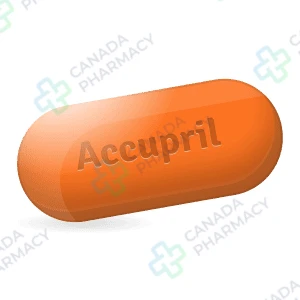
Accupril
Price range: $ 68,00 through $ 256,00
Active substance: Hypertension
More Details
This product has multiple variants. The options may be chosen on the product page

Atorlip 10
Price range: $ 55,00 through $ 264,00
Active substance: Atorvastatin
More Details
This product has multiple variants. The options may be chosen on the product page
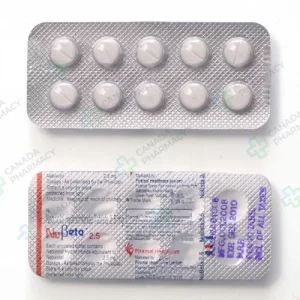
Bystolic
Price range: $ 38,00 through $ 275,00
Active substance: Nebivolol
More Details
This product has multiple variants. The options may be chosen on the product page
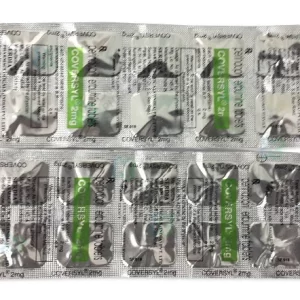
Coversyl
Price range: $ 40,00 through $ 540,00
Active substance: perindopril arginine
More Details
This product has multiple variants. The options may be chosen on the product page
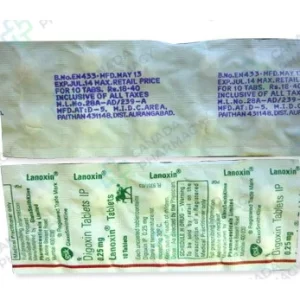
Digoxin
Price range: $ 48,00 through $ 152,00
Active substance: digoxin
More Details
This product has multiple variants. The options may be chosen on the product page

Diltiazem HCL
Price range: $ 52,00 through $ 393,00
Active substance: Diltiazem
More Details
This product has multiple variants. The options may be chosen on the product page

Inderal LA
$ 42,00
Active substance: Propranolol
More Details
This product has multiple variants. The options may be chosen on the product page
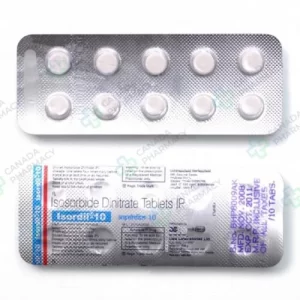
Isordil
Price range: $ 51,00 through $ 151,00
Active substance: isosorbide dinitrate
More Details
This product has multiple variants. The options may be chosen on the product page